Plumbing problems have a way of showing up at the worst possible time. A dripping faucet, a slow drain, or a leaking pipe may seem minor at first, but small issues can quickly turn into costly damage if they are ignored. Understanding the basics of plumbing repairs helps you spot trouble early, protect your home, and know when it’s time to call a professional.
Common Plumbing Repairs Homeowners Face
Most plumbing repairs start with familiar household problems. While some can be handled with simple maintenance, others need prompt attention to prevent water damage and higher utility bills.
Leaky Faucets and Fixtures
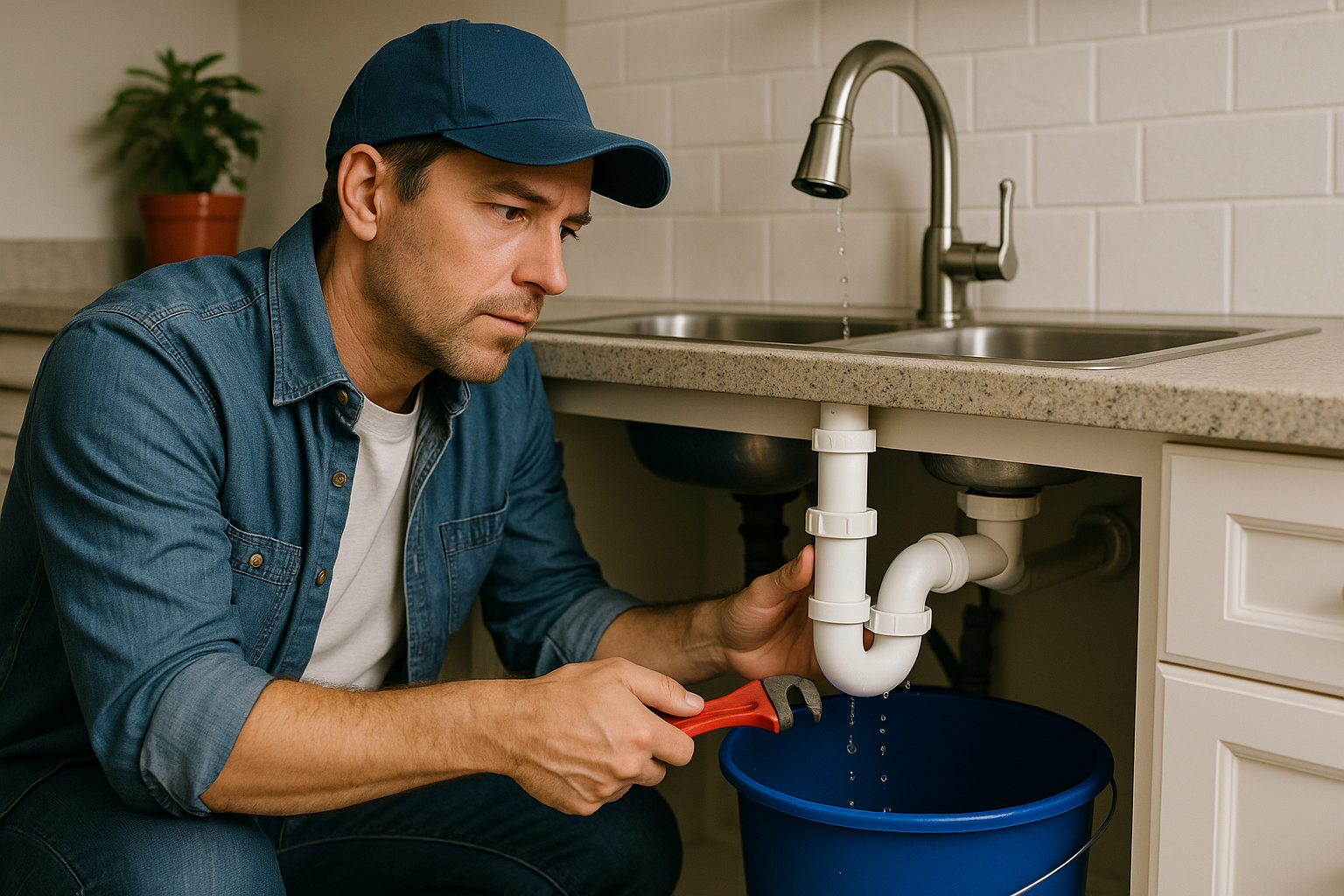
A leaky faucet is one of the most common plumbing issues. Even a slow drip can waste a surprising amount of water over time. The cause is often a worn washer, damaged cartridge, or loose connection. Replacing the faulty part usually solves the problem, but if the leak continues, the fixture may need a more thorough repair.
Running Toilets
A toilet that runs nonstop can waste gallons of water each day. In many cases, the problem is a worn flapper, an imbalanced float, or a faulty fill valve. These repairs are usually straightforward, but they should be handled quickly because a running toilet can significantly increase your water bill.
Clogged Drains
Kitchen sinks, bathroom sinks, showers, and tubs can all develop clogs. Hair, soap scum, grease, food particles, and other debris build up inside the pipes over time. Some clogs can be cleared with a plunger or drain snake, while recurring or deep clogs may indicate a more serious blockage in the main line.
Low Water Pressure
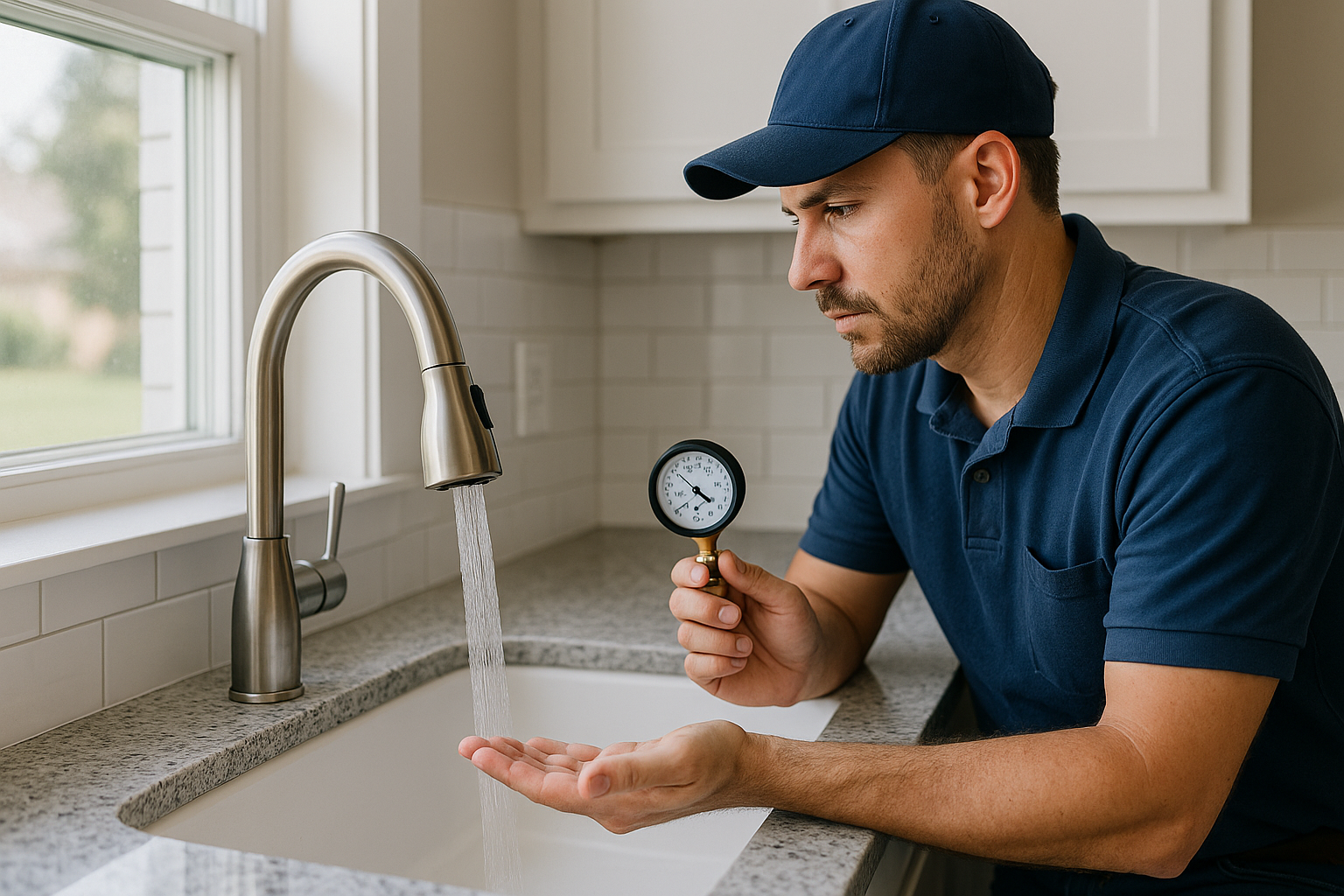
Low water pressure can make showers frustrating and daily tasks slower. It may be caused by mineral buildup, a partially closed valve, hidden leaks, or problems with the municipal supply. Because the cause can vary, diagnosing low pressure often requires a careful inspection of the plumbing system.
Signs You Need Plumbing Repairs
Not every plumbing issue starts with a dramatic leak. In many cases, warning signs appear gradually. Paying attention to these signs can help you catch problems before they become emergencies.
Unusual Sounds
Banging, rattling, or gurgling sounds in your pipes can suggest trapped air, loose fittings, or drainage issues. These noises should not be ignored, especially if they happen frequently.
Water Stains or Damp Spots
Brown stains on ceilings, bubbling paint, warped flooring, or damp areas under sinks often point to hidden leaks. Even a small leak behind a wall can cause mold growth and structural damage if left untreated.
Higher Water Bills
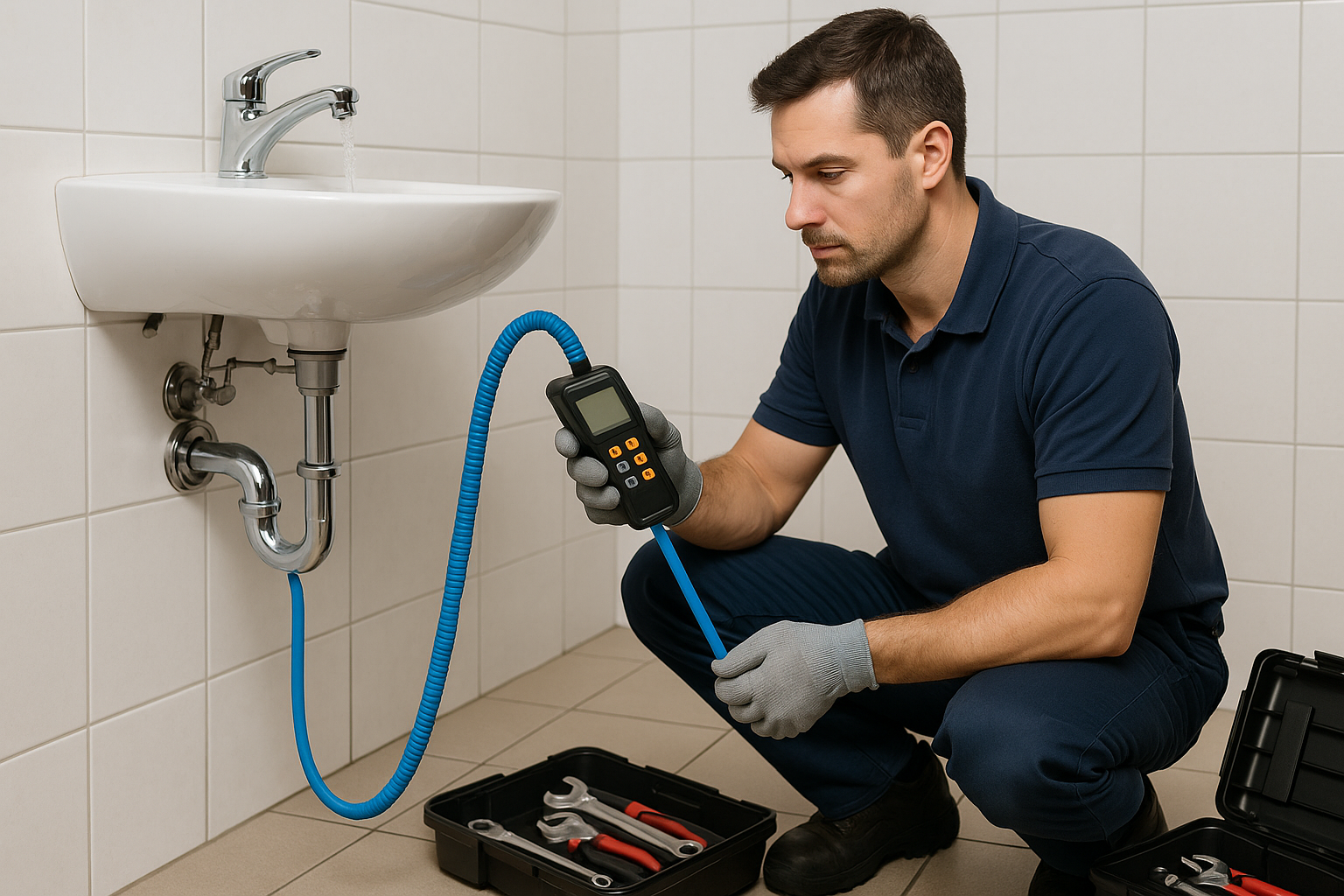
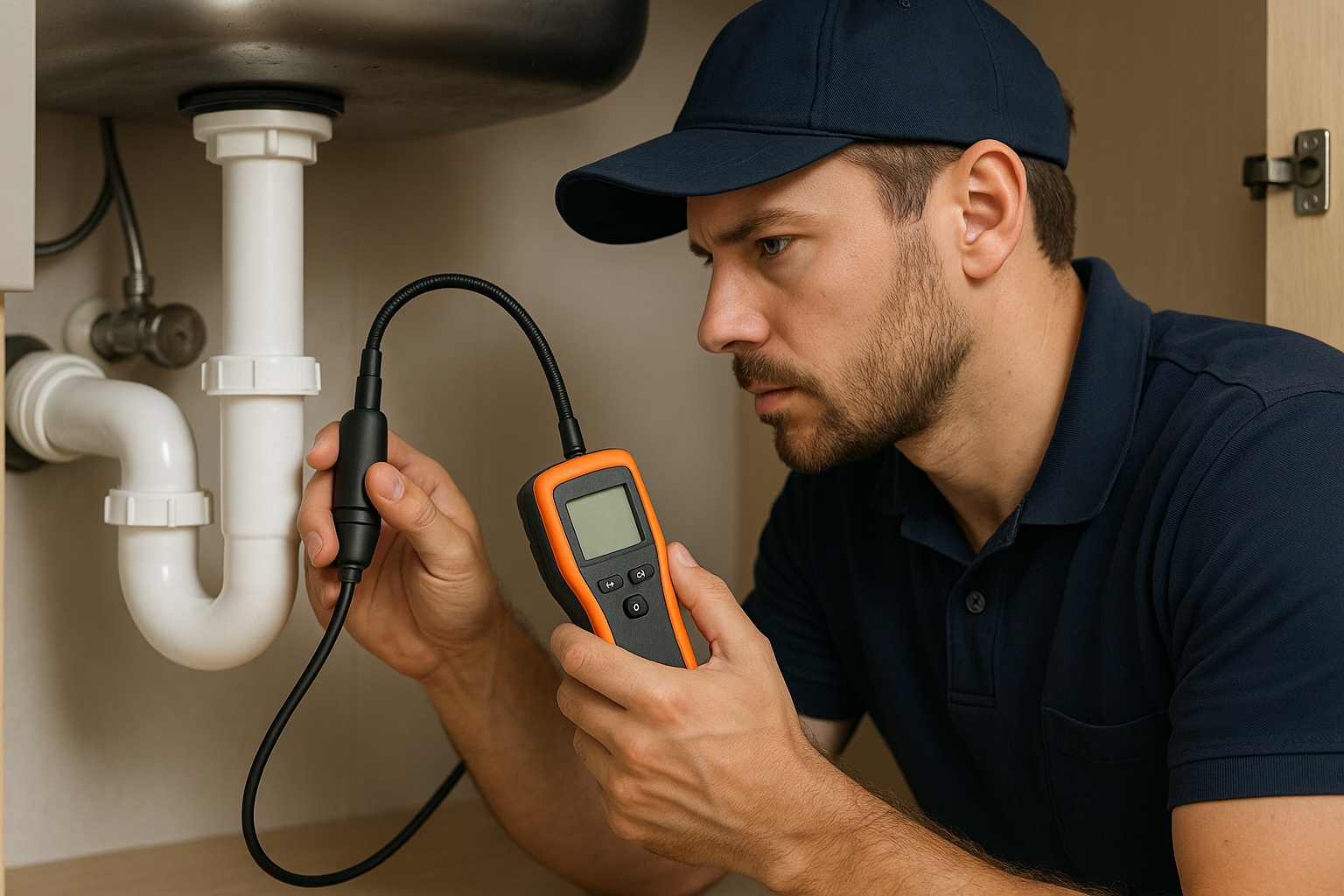
If your water bill suddenly increases without a change in usage, a hidden leak may be the cause. Checking toilets, faucets, and visible supply lines is a good first step, but hidden leaks may require professional detection tools.
Slow Drains or Frequent Backups
A drain that empties slowly once in a while may not be a major concern. However, if the issue keeps coming back or multiple drains are affected, the problem may be deeper in the plumbing system.
DIY Plumbing Fixes vs. Professional Repairs
Some plumbing tasks are simple enough for homeowners to handle, but others are better left to a licensed plumber. Knowing the difference can save time, money, and stress.
Simple Repairs You May Be Able to Handle
Minor fixes like replacing a showerhead, tightening a loose faucet handle, plunging a toilet, or cleaning a small drain clog are often manageable without professional help. These tasks usually require basic tools and a bit of patience. Still, it is important to avoid using harsh chemical drain cleaners too often, since they can damage pipes.
When to Call a Professional
Call a plumber if you notice persistent leaks, sewage odors, multiple clogged drains, water heater problems, burst pipes, or signs of hidden water damage. Professional plumbers have the equipment and experience to diagnose the issue accurately and complete repairs safely. In many cases, getting expert help early prevents a minor problem from turning into a major repair.
How to Prevent Future Plumbing Problems
Preventive care is one of the best ways to reduce the need for emergency plumbing repairs. A few simple habits can extend the life of your plumbing system and help you avoid unexpected disruptions.
Be Careful What Goes Down the Drain
Grease, coffee grounds, food scraps, wipes, and hygiene products should never go down household drains unless they are specifically designed to be flushed. Using drain strainers can also help catch hair and debris before they cause clogs.
Check for Small Leaks Regularly
Take a few minutes each month to inspect under sinks, around toilets, and near appliances such as dishwashers and washing machines. Catching a leak early can save a lot of repair costs later.
Maintain Your Water Heater and Pipes
Water heaters should be flushed periodically to remove sediment buildup, and exposed pipes should be inspected for corrosion or damage. In colder climates, insulating pipes can help prevent freezing and bursting during winter.
Know Your Main Water Shutoff
Every homeowner should know where the main water shutoff valve is located. In a plumbing emergency, turning off the water quickly can reduce damage while you wait for repairs.
Why Timely Plumbing Repairs Matter
Putting off plumbing repairs often leads to bigger problems. A small leak can weaken cabinets, floors, and walls. A clogged drain can worsen into a backup or pipe damage. Even a minor issue can become expensive if water has time to spread or mold begins to grow. Prompt repairs protect your home, improve efficiency, and give you peace of mind.
Conclusion
Plumbing repairs are an important part of home maintenance, whether you are dealing with a tiny drip or a serious leak. By recognizing common warning signs, handling simple fixes carefully, and calling a professional when needed, you can keep your plumbing system working reliably and avoid unnecessary damage. A little attention now can save time, money, and frustration later.