Residential Plumbing: Why It Matters
Residential plumbing is one of the most important systems in any home, yet it is often overlooked until something goes wrong. From delivering clean water to removing wastewater safely, a well-designed plumbing system supports daily comfort, hygiene, and convenience. Whether you are washing dishes, taking a shower, or running the laundry, plumbing is working behind the scenes to keep your home functioning smoothly.
Understanding the basics of residential plumbing can help homeowners make better decisions, spot problems early, and protect their property from costly damage. A little knowledge goes a long way when it comes to maintaining one of the most essential systems in your home.
How Residential Plumbing Systems Work
A typical residential plumbing system has two main jobs: bringing fresh water into the home and carrying wastewater out. These functions rely on a network of pipes, fixtures, valves, drains, and appliances that all work together.
The supply side delivers pressurized water from a municipal line or private well to sinks, toilets, showers, washing machines, and water heaters. The drainage side uses gravity and venting to move wastewater safely away from the home and into a sewer system or septic tank.
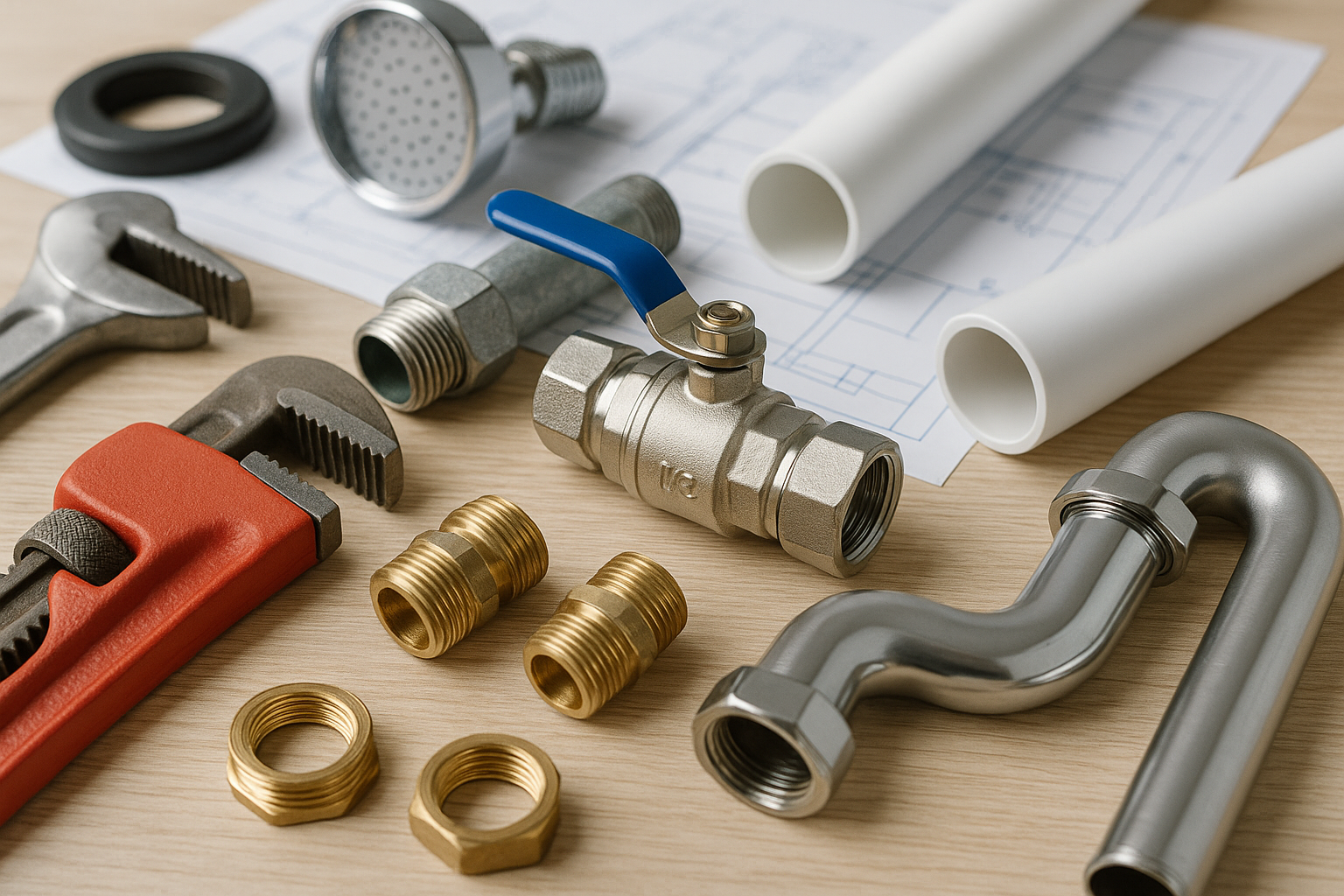
Key components often include:
- Water supply lines that bring clean water into the home
- Drain pipes that remove wastewater
- Fixtures such as faucets, sinks, toilets, tubs, and showers
- Water heaters for hot water delivery
- Shut-off valves for controlling water flow during repairs or emergencies
- Vent pipes that help drainage systems work properly
When each part is in good working order, the entire system remains efficient and dependable.
Common Residential Plumbing Problems
Even well-maintained homes can experience plumbing issues over time. Some of the most common problems are minor at first but can become serious if ignored.
Leaky Faucets and Pipes
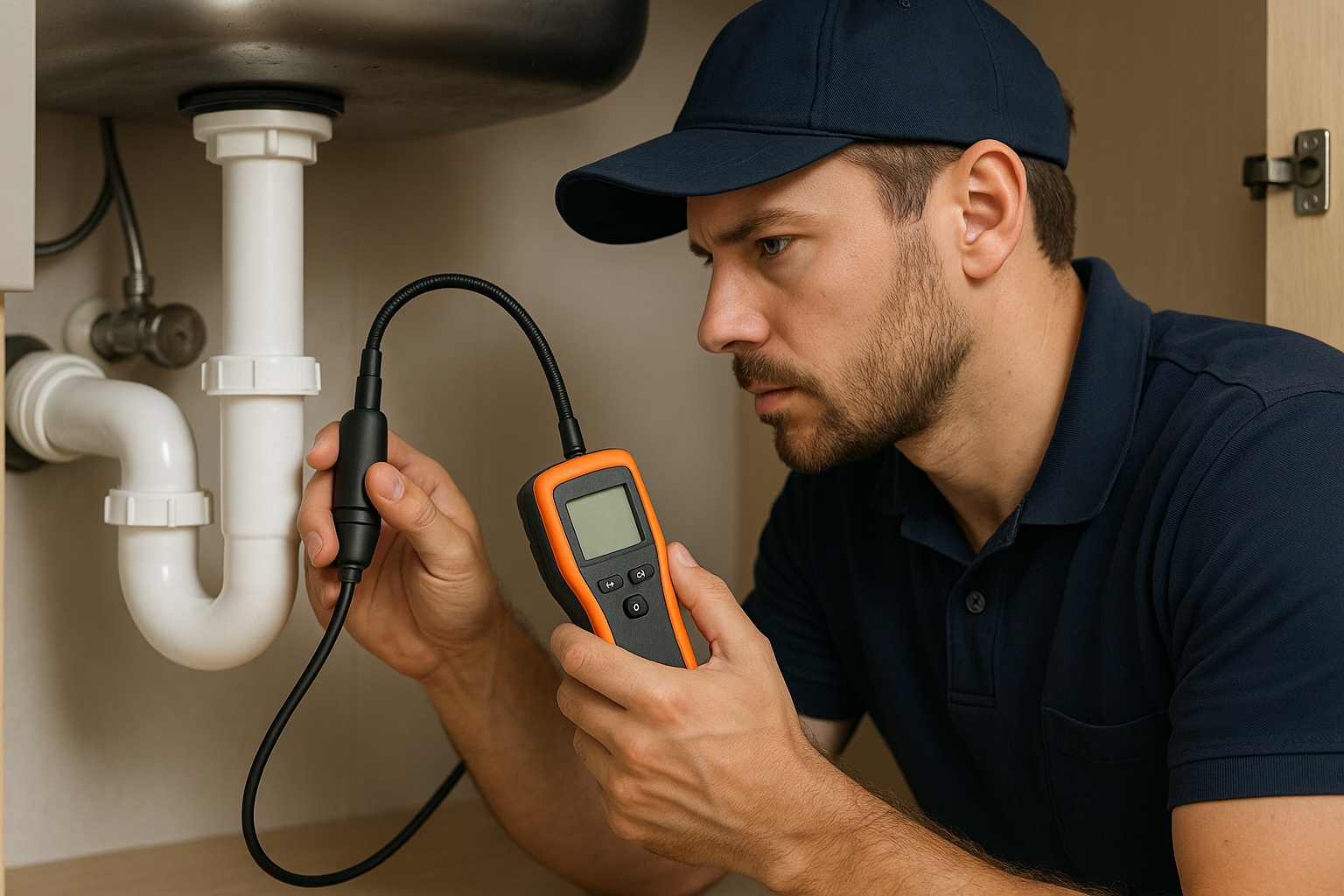
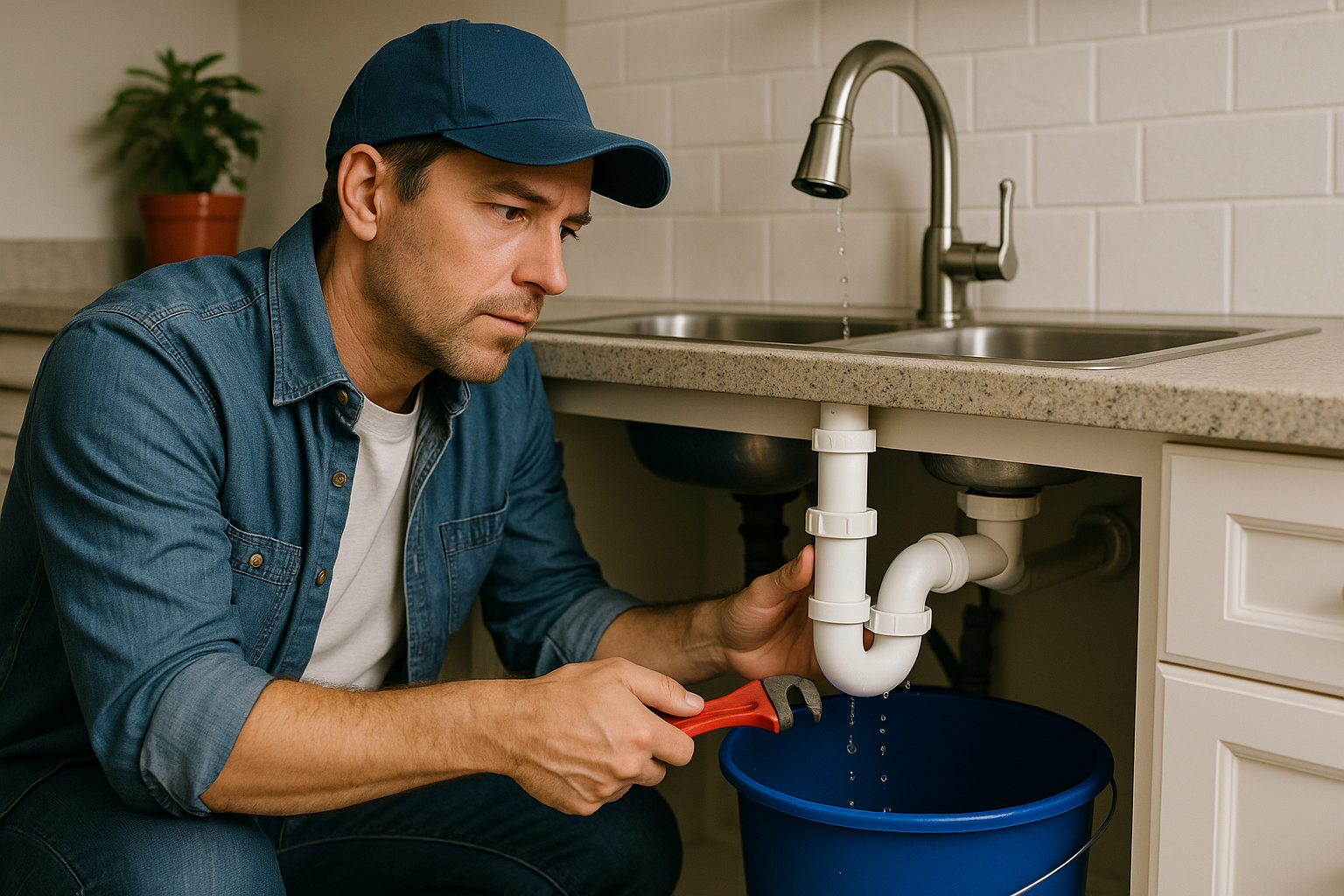
A dripping faucet or a small pipe leak may seem harmless, but over time it can waste a significant amount of water and increase utility bills. Hidden leaks can also lead to mold growth, structural damage, and staining on walls or ceilings.
Clogged Drains
Kitchen sinks, bathroom drains, and showers are especially prone to clogs caused by hair, grease, soap buildup, food scraps, and foreign objects. Slow drainage is often an early warning sign that a blockage is forming.
Running Toilets
A toilet that keeps running can waste gallons of water each day. The issue is often caused by a faulty flapper, fill valve, or chain inside the tank.
Low Water Pressure
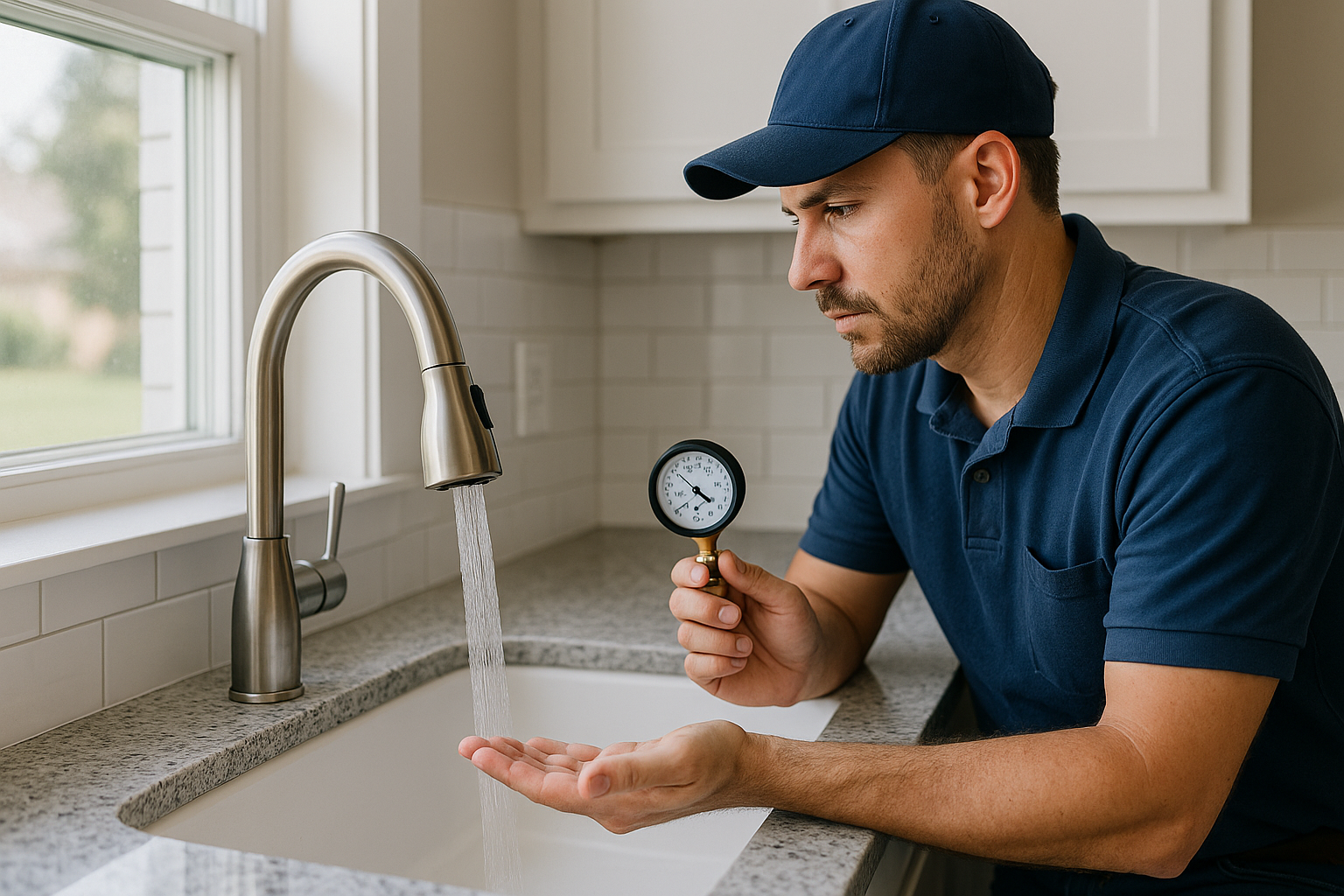
Poor water pressure may be caused by mineral buildup, a leak, a faulty pressure regulator, or issues with the municipal supply. It can make showers less comfortable and tasks like dishwashing more frustrating.
Water Heater Issues
If your hot water runs out quickly, appears rusty, or has unusual noises, the water heater may need attention. Sediment buildup, aging components, or thermostat problems are common culprits.
Preventive Maintenance Tips for Homeowners
Routine maintenance is the best way to keep residential plumbing in good condition and avoid expensive repairs. Simple habits can make a big difference.
- Check for leaks regularly under sinks, around toilets, near appliances, and in basements or crawl spaces.
- Watch what goes down the drain and avoid flushing wipes, grease, and non-biodegradable items.
- Clean drains before they clog using strainers and safe maintenance methods.
- Test shut-off valves occasionally so they are easy to use in an emergency.
- Flush the water heater once a year to reduce sediment buildup and improve efficiency.
- Inspect exposed pipes for corrosion, moisture, or damage.
Taking these steps can extend the life of your plumbing system and reduce the risk of unexpected breakdowns.
When to Call a Professional Plumber
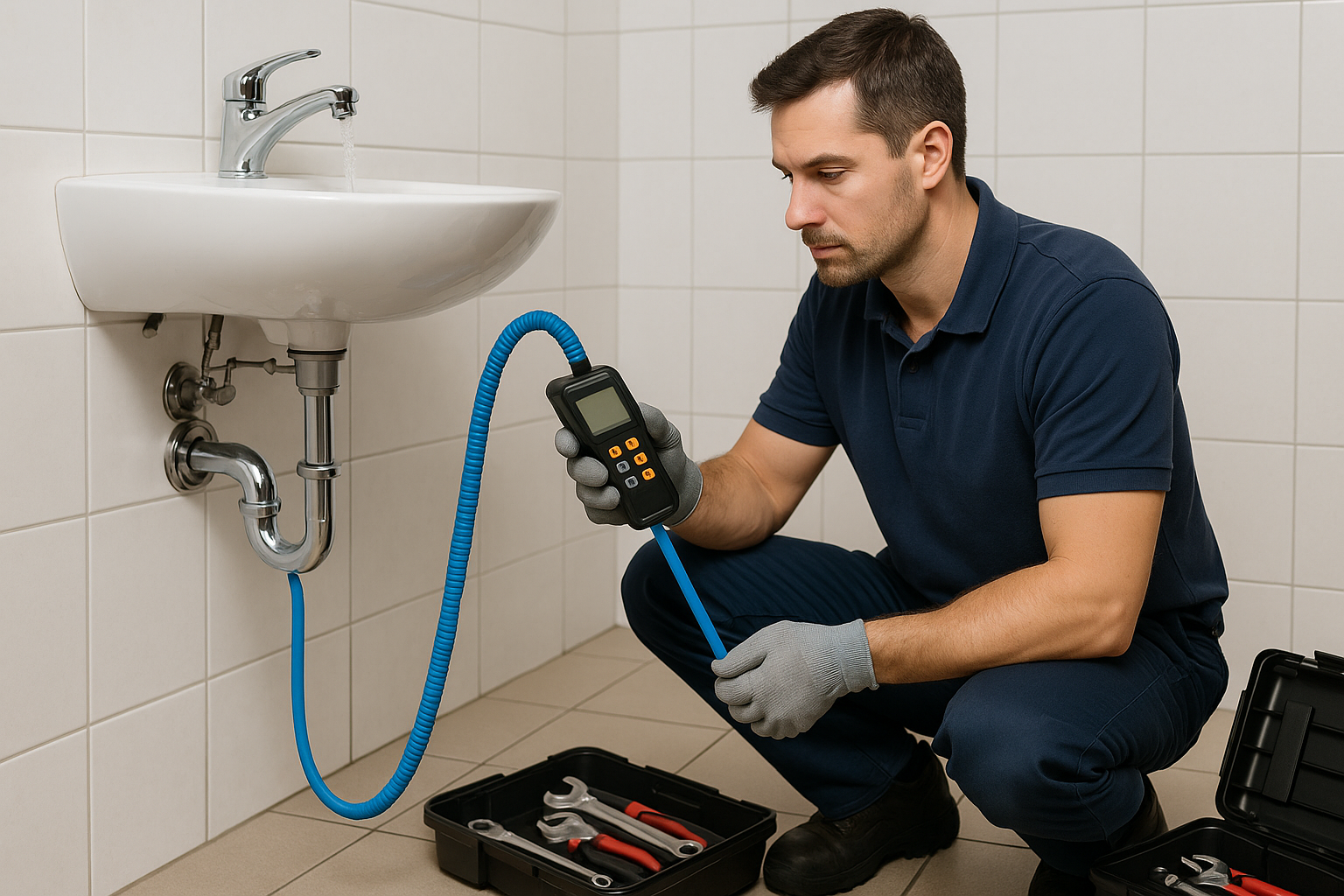
Some plumbing tasks are simple enough for homeowners, but many situations require professional help. Calling a licensed plumber is the safest choice when the issue involves hidden leaks, major clogs, sewer line concerns, burst pipes, or water heater failures.
You should also seek professional service if you notice recurring problems, sewage odors, water stains, or sudden changes in water pressure. A plumber can diagnose the cause accurately, make repairs correctly, and help prevent future issues. In some cases, expert evaluation can save money by stopping a small problem before it turns into a major emergency.
How Plumbing Affects Home Efficiency and Value
Efficient residential plumbing does more than provide water and drainage. It also impacts monthly utility costs, home comfort, and long-term property value. Modern fixtures, leak-free pipes, and energy-efficient water heaters can reduce waste and lower bills.
Well-maintained plumbing is also a selling point for potential buyers. A home with updated pipes, reliable fixtures, and a documented maintenance history often feels more secure and appealing. On the other hand, signs of plumbing neglect can raise concerns about hidden damage and future repair costs.
Choosing the Right Plumbing Upgrades
If you are considering improvements to your home, plumbing upgrades can offer both practical and financial benefits. Low-flow toilets, water-saving faucets, tankless water heaters, and modern pipe materials can improve performance while reducing water use.
Before making changes, think about your household’s needs, the age of your current system, and your budget. A qualified plumber can help you choose upgrades that fit your home and deliver the best long-term value.
Conclusion
Residential plumbing plays a vital role in everyday life, from providing clean water to protecting your home from waste-related damage. By understanding how the system works, recognizing early warning signs, and staying on top of maintenance, homeowners can avoid many common problems and keep everything running smoothly. With the right care and professional support when needed, your plumbing system can serve your home reliably for years to come.