Bathroom Remodel Plumbing: What You Need to Know Before You Start
A bathroom remodel can transform one of the most-used rooms in your home, but plumbing is often the part that determines whether the project stays on budget and on schedule. Behind every beautiful vanity, shower, and tub is a system of pipes, drains, vents, and fixtures that all need to work together. If you understand the plumbing side early, you can avoid costly surprises and make smarter design decisions.
Why Plumbing Matters in a Bathroom Remodel
It is easy to focus on finishes like tile, lighting, and paint, but plumbing is the backbone of the room. A remodel often involves moving fixtures, replacing old pipes, or upgrading water supply lines to meet current codes. Even small layout changes can affect drain slope, venting, and water pressure. If plumbing is overlooked, you may end up with leaks, slow drains, or fixtures that do not function as expected.
Plumbing also affects your budget more than many homeowners expect. Keeping the toilet, sink, and shower in their existing locations is usually the most cost-effective option. Once you start relocating fixtures, labor and material costs can rise quickly because walls and floors must be opened and reworked.
Plan the Layout Before Demo
Before demolition begins, decide whether you want to keep the current layout or change it. The existing location of the toilet, vanity, tub, and shower usually makes the biggest difference in plumbing cost. Moving a toilet is typically more complicated than moving a sink because the drain line is larger and often tied to the floor framing.
When planning the layout, think about how the room will be used every day. For example, if two people share the bathroom, you may want a double vanity, which can require changes to supply lines and drain placement. If you are upgrading to a larger shower, you may need to adjust the drain location and ensure the plumbing can support the new fixture.
Consider Future Needs
It is smart to plan for how your needs may change over time. Features like a walk-in shower, comfort-height toilet, or accessible sink can make the bathroom more functional for years to come. If you are already opening walls and floors, this may be the right time to make those updates.
Common Plumbing Upgrades in a Bathroom Remodel
Many older bathrooms have plumbing that is outdated, undersized, or worn out. A remodel gives you the chance to replace problem areas and improve performance. Some of the most common upgrades include:
- New supply lines: Replacing old galvanized or corroded lines with modern materials can improve water flow and reduce leak risk.
- Drain line replacement: Old drains may be clogged, damaged, or not properly sloped.
- Shutoff valve upgrades: New fixture shutoffs make future repairs easier.
- Fixture replacement: Toilets, faucets, tubs, showers, and sinks may need new connections to match modern standards.
- Water pressure adjustments: If pressure is too low or too high, the system may need repairs or regulator changes.
In some homes, the remodel may reveal hidden problems such as leaks, mold, or poor previous repairs. It is better to address these issues during the renovation than to cover them up and deal with damage later.
Key Plumbing Decisions to Make Early
The earlier you make plumbing decisions, the smoother the remodel will go. Start with the fixtures you want, then make sure the plumbing can support them. The size and style of your shower valve, tub filler, and sink faucet all matter. A rainfall shower, for example, may require different supply planning than a standard shower head.
You should also decide whether you want to keep the current tub or switch to a shower-only layout. Removing a tub can change the drain configuration, and replacing it with a larger shower often requires more extensive waterproofing and plumbing work. If you are installing a new toilet, confirm that the rough-in dimensions match the space.
Choose Fixtures Before Rough-In
Once rough plumbing begins, the plumber needs exact fixture specifications. Valve height, drain location, and pipe placement depend on the products you choose. Finalizing selections early helps prevent delays and expensive adjustments later.
Permits, Codes, and Inspections
Bathroom plumbing work often requires permits, especially if you are moving fixtures, changing drain lines, or altering the layout. Local building codes exist to protect your home from leaks, water damage, and ventilation problems. They also ensure that new plumbing is installed safely and properly.
Codes may address pipe sizes, drain slopes, venting, fixture clearances, and waterproofing requirements. An inspection may be needed at one or more stages of the project. Even if a permit is not required for a simple fixture swap, it is wise to confirm the rules in your area before work begins.
What a Plumber Handles During the Remodel
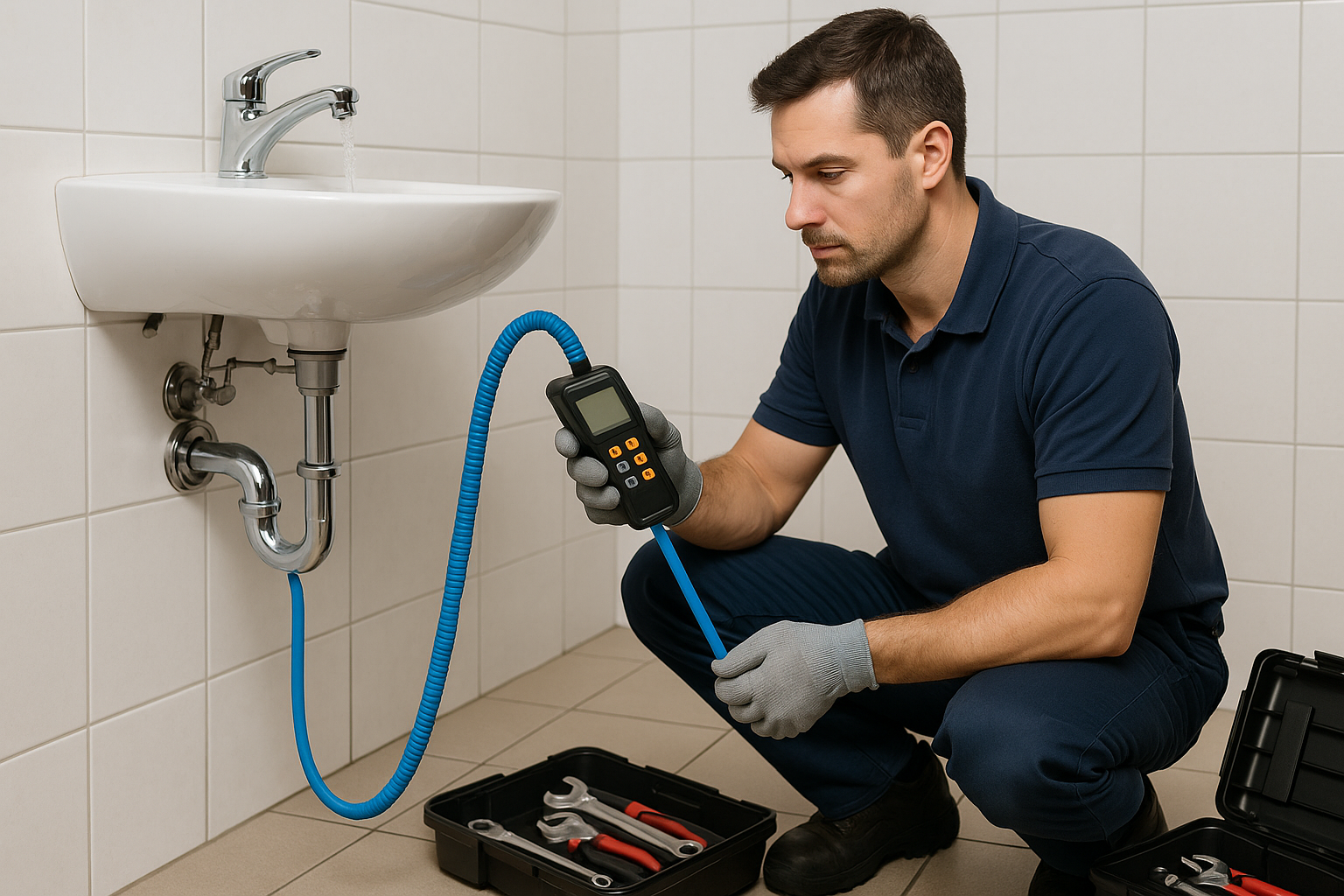
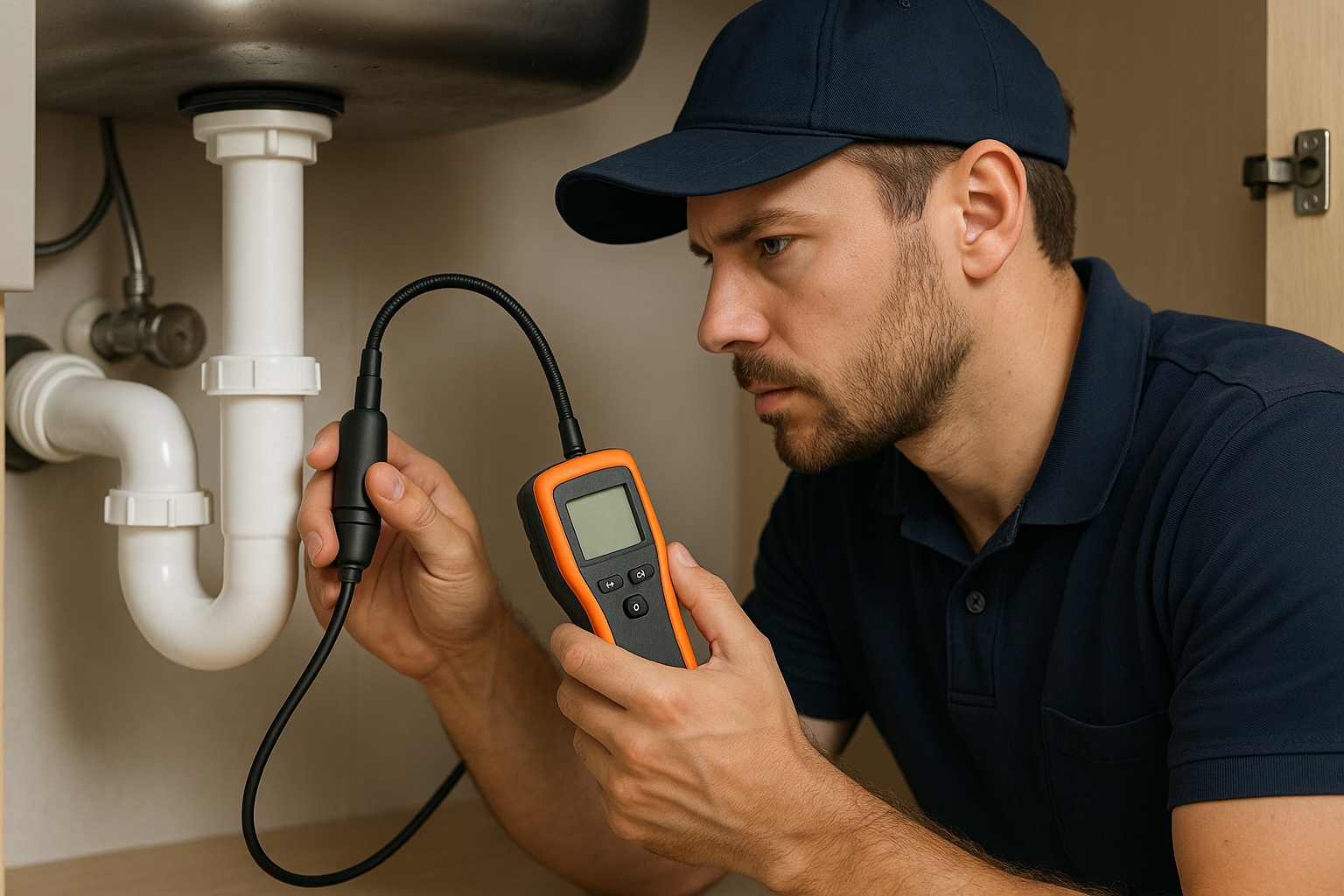
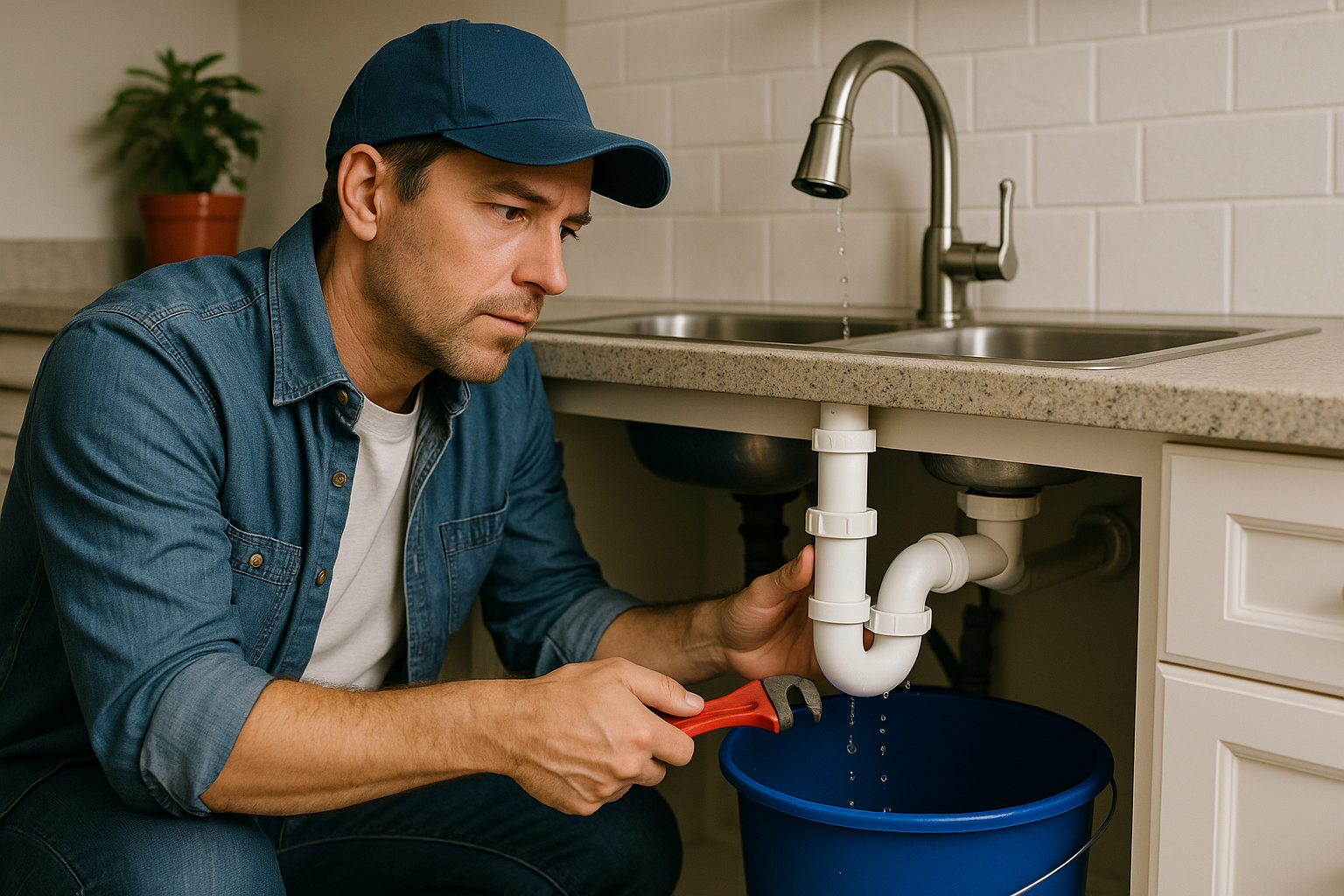
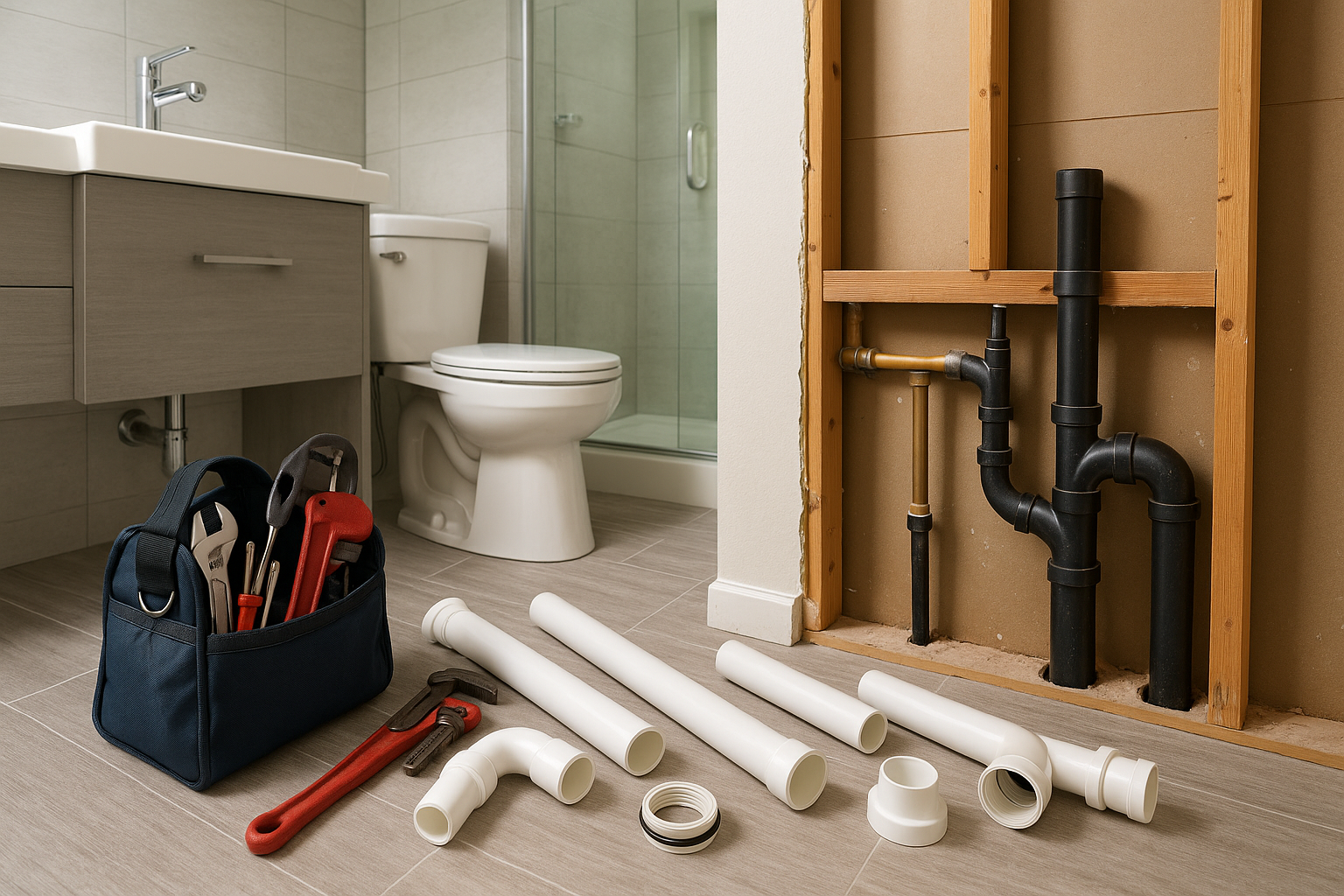
A licensed plumber can help with both planning and installation. During a bathroom remodel, the plumber may remove old fixtures, reroute water lines, install new drains, connect valves, and test the system for leaks. They can also identify whether older piping should be replaced instead of repaired.
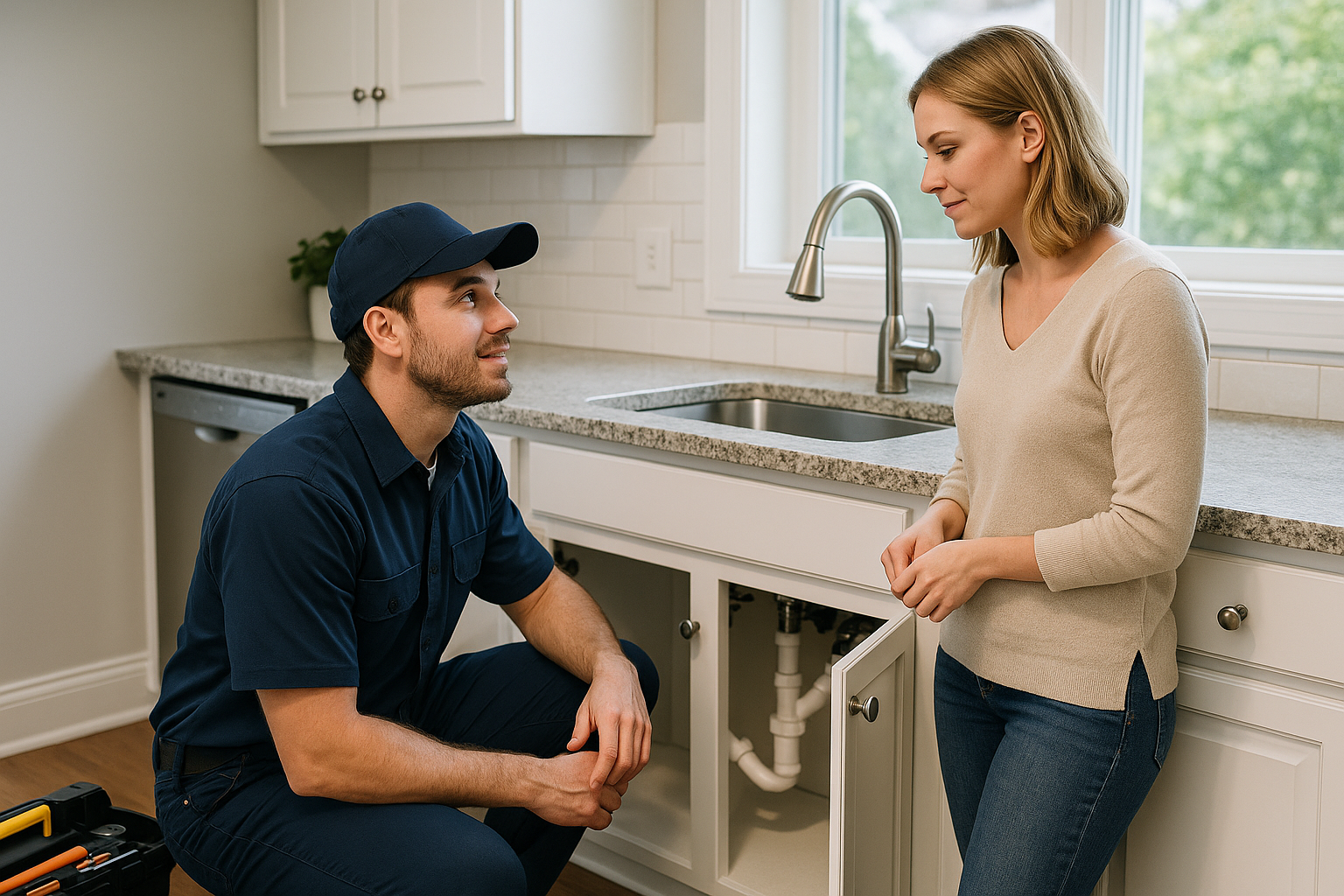
Good plumbing work is not just about connecting pipes. It also involves making sure everything is positioned correctly inside the walls and floors before they are closed up. That includes accurate measurements, proper support, secure joints, and leak testing. A qualified plumber can help coordinate with the contractor, tile installer, and electrician so each phase happens in the right order.
How to Avoid Costly Plumbing Mistakes
Some of the most expensive bathroom remodel problems come from rushing the plumbing stage. Avoid these common mistakes:
- Changing the layout after rough plumbing is complete
- Buying fixtures before confirming rough-in dimensions
- Ignoring old pipes that are near the end of their life
- Skipping permits or inspections
- Hiring based only on the lowest price
It also helps to build a contingency into your budget. Once walls are opened, hidden issues often appear. Extra funds give you flexibility to fix them without derailing the project.
Conclusion
Bathroom remodel plumbing may not be the most glamorous part of the project, but it is one of the most important. Careful planning, the right fixture choices, and professional installation can protect your investment and help your new bathroom perform well for years. If you treat plumbing as a priority from the start, your remodel will be far more efficient, functional, and stress-free.