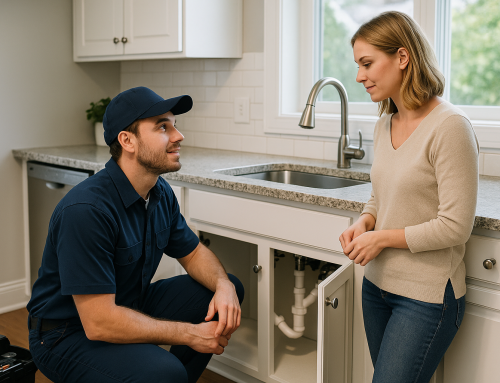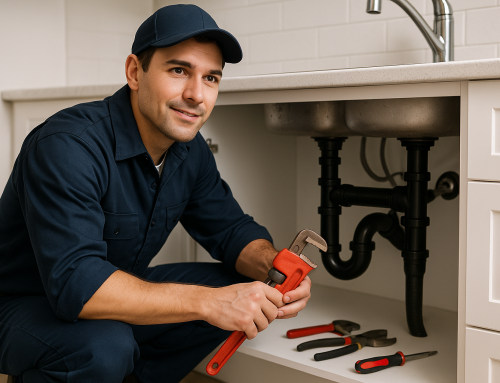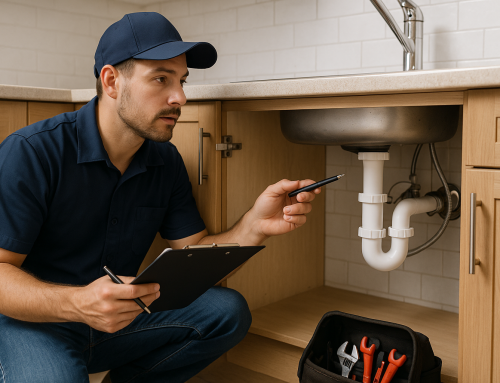
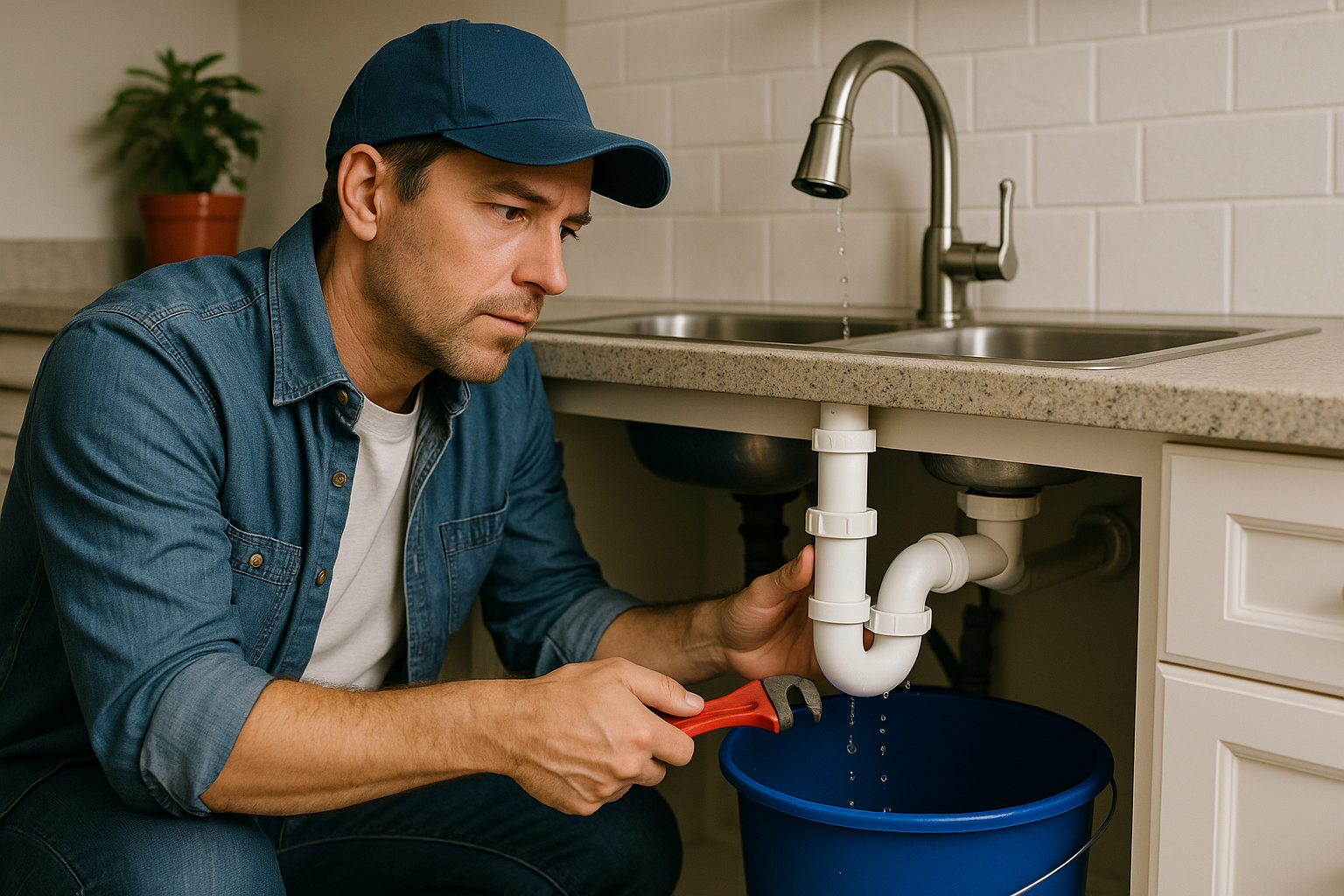
Leaks can be sneaky, expensive, and stressful. A small drip under a sink can become water damage, mold, and costly repairs if it’s left unchecked. The good news: with the right habits, inspections, and preventive upgrades, you can significantly reduce the chance of leaks and catch problems early—before they turn into major disasters.
Why Leak Prevention Matters
Leak prevention isn’t just about saving water. It’s about protecting the structure of your home, your belongings, and your peace of mind. Even “minor” leaks can waste thousands of gallons over time and can lead to:
- Water damage to cabinets, flooring, drywall, and ceilings
- Mold and mildew that can affect indoor air quality
- Higher utility bills
- Health and safety risks from hidden moisture
- Emergency repairs that are often far more expensive than routine maintenance
Common Causes of Leaks in Homes
Most leaks come from a predictable set of issues. Knowing the usual culprits makes prevention easier and inspections more targeted.
1) Worn Seals and Connections
Over time, rubber seals, gaskets, washers, and O-rings degrade. Loose fittings and aged pipe threads can also allow slow seepage.
2) Corrosion and Scale Build-Up
Metal pipes and fixtures can corrode, especially in older homes or areas with hard water. Mineral scale can damage internal surfaces and increase pressure on joints.
3) Temperature Changes
Hot-water lines, freezing conditions, and sudden temperature swings can cause expansion and contraction. In extreme cold, frozen pipes can burst, creating major leaks.
4) Improper Installation or DIY Modifications
Incorrect sizing, missing sealant, over-tightened fittings, or mismatched components can lead to failure months or years later.
5) High Water Pressure
Excessive pressure stresses pipes, valves, and appliance connections. A pressure regulator can prevent leaks and protect plumbing systems.
Routine Inspection Habits That Catch Leaks Early
Many leaks are detectable before they cause damage. A consistent inspection routine is one of the highest-return leak prevention strategies.
Check High-Risk Areas Regularly
Focus on places that experience frequent use or contain water under pressure:
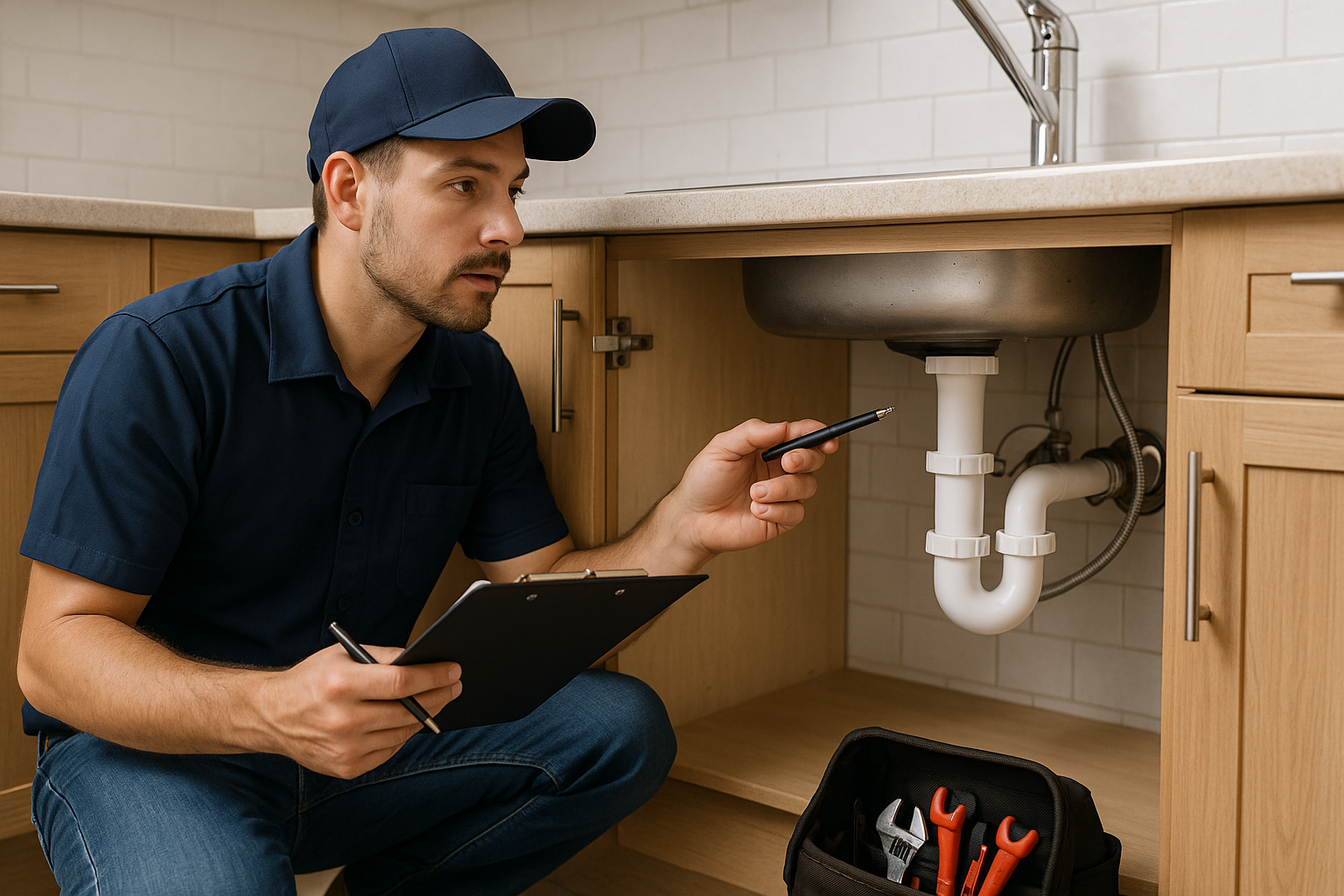
- Sinks and faucets (under-sink cabinet corners, supply lines, drain connections)
- Toilets (tank bolts, flapper area, base and supply line)
- Water heater (drain valve, fittings, overflow pan)
- Dishwasher and washing machine (hoses, connections, wash lines)
- Showers and tubs (caulk lines, grout joints, access panels)
- Basements and crawl spaces (pipes, shutoff valves)
- Exterior hose bibs (cracks, drips)
Look for Early Warning Signs
Keep an eye out for subtle indicators:
- Puddles, damp spots, or staining
- Musty odors (often from hidden moisture)
- Reduced water pressure
- Mineral deposits around joints or valves
- Sound of running water when fixtures aren’t in use
Use Simple Leak Tests
Two quick checks can help you spot leaks even when you don’t see them immediately:
- The water meter test: Turn off all water in the home, note the meter reading, wait 10–30 minutes, and re-check. Movement can indicate a leak.
- The “paper towel” method: Wrap paper towels around suspect joints. If they get wet after a period of no use, you likely have a slow leak.
Preventive Maintenance for Plumbing and Fixtures
Prevention works best when you combine inspections with proactive maintenance.
Replace Aging Hoses and Supply Lines
Flexible hoses wear out. Consider replacing:
- Dishwasher supply lines
- Washing machine hoses
- Toilet supply lines
Many hoses are only designed for a limited lifespan—especially in high-pressure systems or homes with high water stress.
Maintain Caulk, Grout, and Seals
Bathroom leaks often start with failing caulk or grout. Reapply caulk where it’s cracked or shrinking, and address water intrusion around tubs, shower pans, and fixtures before it reaches the underlying wall.
Protect Pipes from Freezing
In colder climates, insulating exposed pipes helps prevent freezing and bursting. Focus on:
- Exterior walls
- Unheated basements or attics
- Areas near vents or poorly insulated crawl spaces
During extreme cold, allow a small trickle from faucets to keep water moving in at-risk lines.
Check and Set Water Pressure
Install or verify a pressure regulator and ensure it’s set according to manufacturer recommendations. Keeping pressure within the proper range reduces stress on joints, washers, and appliances.
Upgrade Options for Extra Leak Protection
If you’ve had recurring issues—or want peace of mind—consider leak prevention upgrades.
Install Shutoff Valves and Smart Leak Detectors
Smart leak detectors and automatic shutoff systems can reduce damage by stopping water flow when moisture is detected. Place sensors under sinks, near water heaters, laundry hookups, and any known problem area.
Use Water-Saving Fixtures (Without Compromising Seals)
Low-flow showerheads and aerators can reduce usage, but ensure replacements are compatible and installed correctly. Poorly matched parts can lead to dripping or gasket failure.
Consider an Overflow Pan or Drain Connection for Water Heaters
An overflow pan with a drain line can capture leaks early and redirect water away from walls and floors. This is especially helpful in closets or areas where a hidden leak would otherwise go unnoticed.
When to Call a Professional
Some leaks are simple and localized, but others may indicate deeper issues. Call a licensed plumber if you notice:
- Persistent leaks that return after repairs
- Signs of pipe damage inside walls or floors
- Water meter movement that doesn’t match a visible source
- Rust-colored water, frequent valve failures, or low pressure with unclear causes
- Any leak near the water heater, main shutoff, or gas appliances
Professional diagnosis can prevent repeated patchwork and help you repair the true cause.
Leak Prevention Checklist You Can Use Today
Use this quick checklist to build a habit:
- Inspect under sinks, behind toilets, and around appliances at least monthly.
- Do a meter test every few months (or after noticing any change in bills).
- Replace hoses and connections that are older, brittle, or leaking.
- Recaulk tubs and showers when sealant shows cracks or gaps.
- Insulate exposed pipes and protect outdoor spigots before cold weather.
- Confirm your water pressure regulator is working properly.
- Consider leak detectors near high-risk areas.
Conclusion
Effective leak prevention combines regular inspection, targeted maintenance, and smart upgrades where they matter most. By catching small problems early and addressing common failure points—seals, hoses, joints, and vulnerable pipes—you can protect your home, reduce costs, and avoid the disruption of emergency repairs.