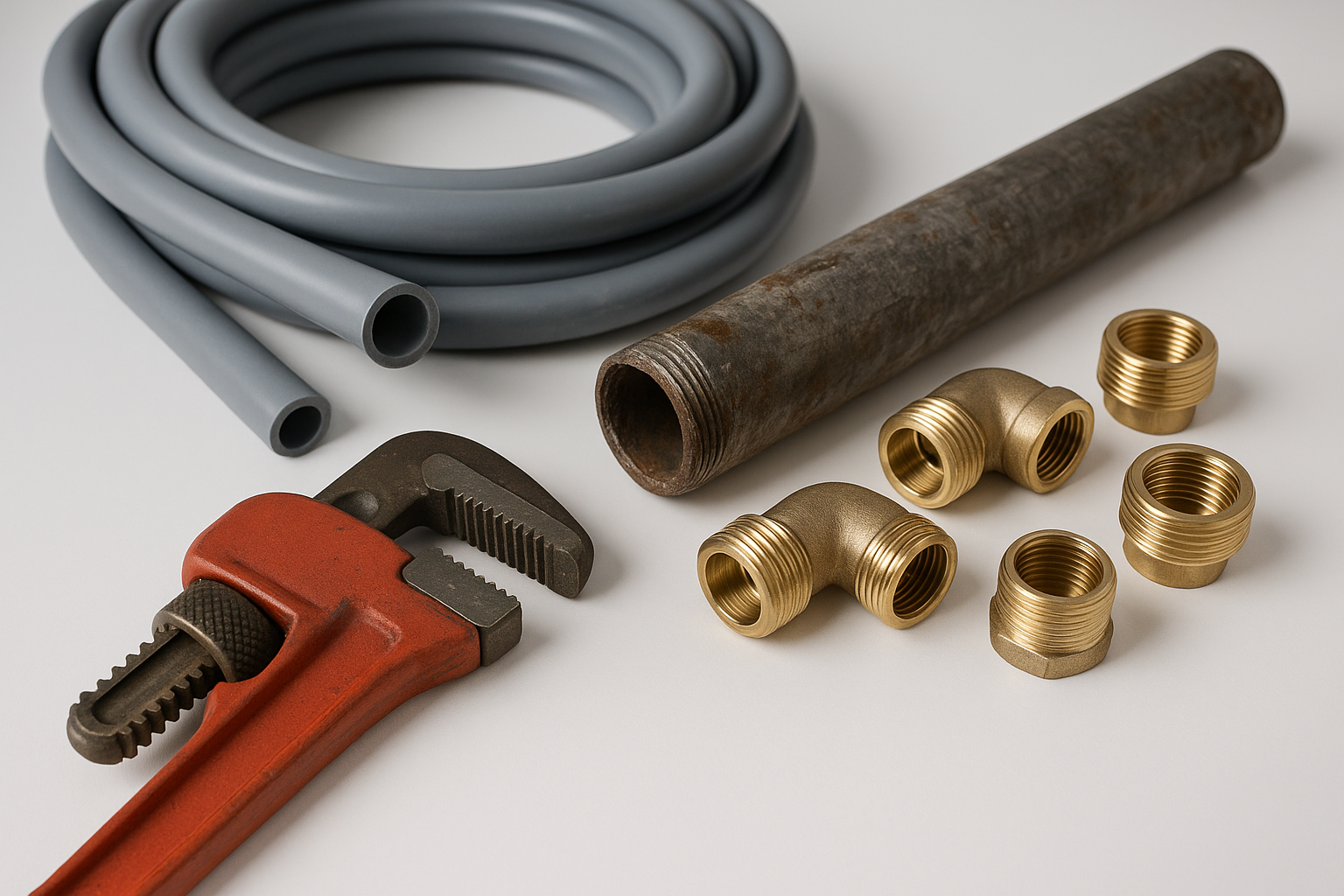
Pipe replacement services are a crucial part of maintaining a safe, efficient, and comfortable home. While many plumbing issues can be repaired, there are times when replacement is the smarter long-term solution. Aging pipes, repeated leaks, corrosion, and poor water quality can all point to a plumbing system that needs more than a quick fix. Understanding when pipe replacement is necessary—and what the process involves—can help you protect your property and avoid costly damage.
When Pipe Replacement Becomes Necessary
Not every plumbing problem means your pipes need to be replaced. In many cases, a skilled plumber can make targeted repairs. However, replacement is often recommended when the same issues keep returning or when the pipe material itself has reached the end of its lifespan.
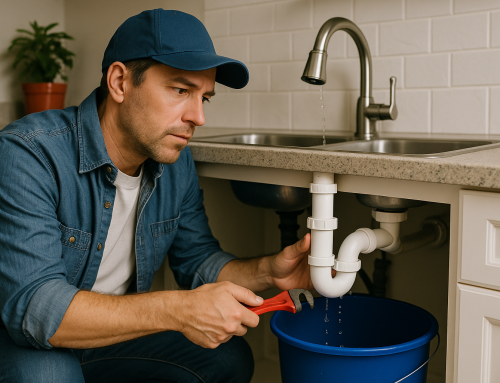
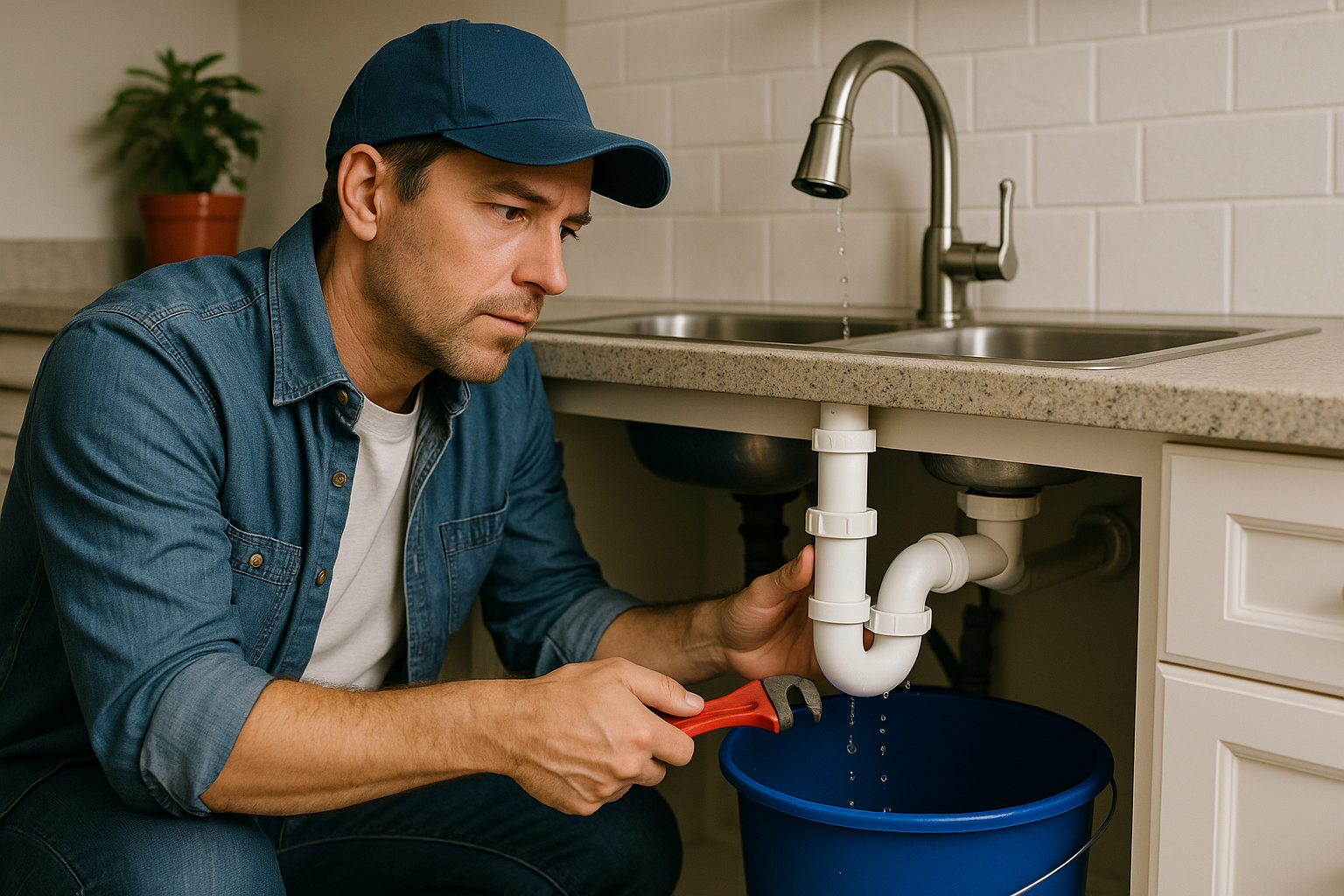
Common signs that you may need pipe replacement services include frequent leaks, low water pressure, discolored water, unusual noises in the plumbing system, and visible corrosion on exposed pipes. Older homes may also have outdated materials such as galvanized steel or polybutylene, which are known for long-term reliability issues. If you are constantly calling for repairs, replacement may save money over time.
Warning Signs to Watch For
- Recurring leaks in the same area
- Rust-colored or cloudy water
- Reduced water pressure throughout the home
- Pipe corrosion or visible deterioration
- Water stains, mold, or damp spots on walls or ceilings
- Unexpected spikes in water bills
These symptoms can indicate hidden damage inside walls, beneath floors, or underground. Addressing them quickly can prevent structural damage and help maintain a healthy living environment.
Benefits of Professional Pipe Replacement Services
Replacing pipes is a major project, and professional service makes a significant difference. A licensed plumber can inspect your system, identify the source of the problem, and recommend the best replacement approach based on your home’s age, layout, and plumbing materials.
One major benefit is improved reliability. New pipes reduce the risk of leaks and burst lines, especially in homes with aging infrastructure. Replacement can also improve water quality by eliminating rust, mineral buildup, and contaminants that may have accumulated in old pipes.
Another important advantage is better water flow. Modern pipe materials often provide more consistent pressure and smoother operation. This can make everyday tasks like showering, washing dishes, and running appliances much more efficient.
Long-Term Value
Although pipe replacement requires an upfront investment, it can prevent repeated repair costs and expensive water damage. It may also add value to your home, especially if you plan to sell in the future. Buyers often see updated plumbing as a major benefit because it reduces future maintenance concerns.
Common Types of Pipes Replaced in Homes
Different homes have different plumbing materials, and the type of replacement needed often depends on what is already in place. Some older systems contain galvanized steel pipes, which are prone to rust and internal buildup. Others may have copper pipes, which are durable but can corrode over time depending on water conditions.
In many modern homes, plumbers use PEX or PVC for certain applications because these materials are flexible, cost-effective, and resistant to common plumbing issues. The best choice depends on the location of the pipes, local building codes, and the needs of the household.
Popular Replacement Materials
- PEX: Flexible, durable, and easier to install in many situations
- Copper: Long-lasting and dependable, though more expensive
- PVC: Often used for drain lines and certain water systems
- CPVC: A heat-resistant option for some hot water applications
A plumber can help you compare materials and choose the most practical option for your home and budget.
What to Expect During the Replacement Process
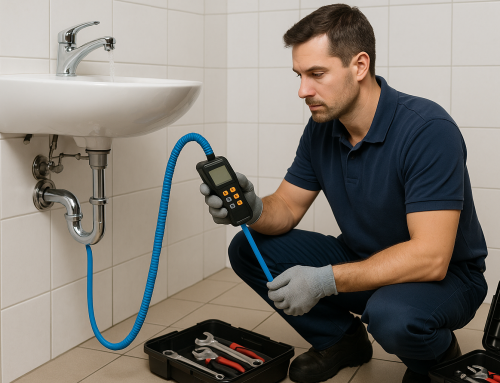
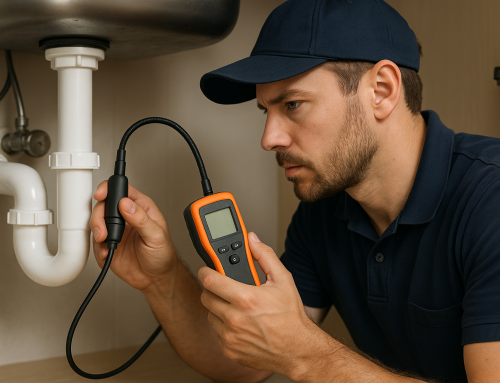
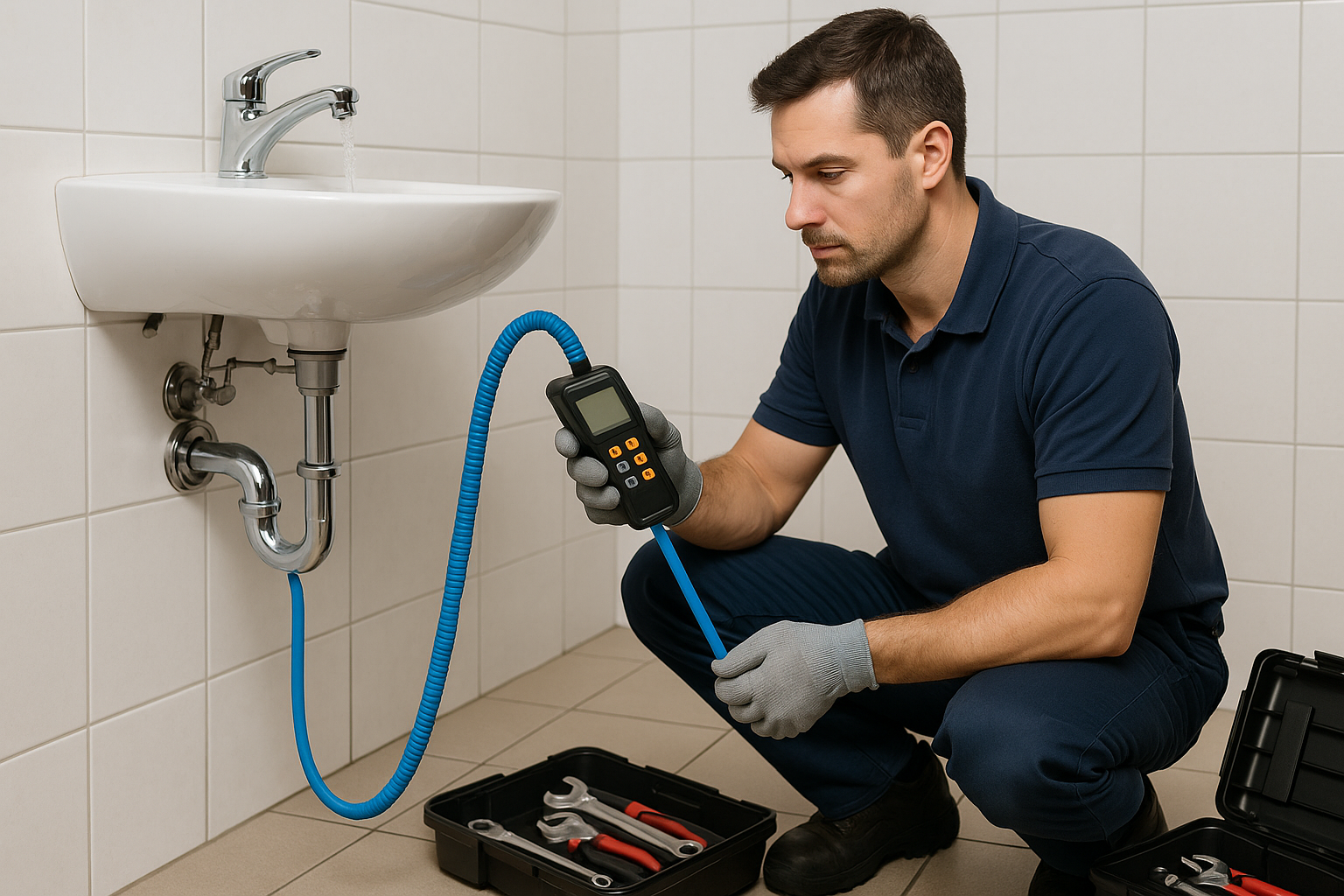
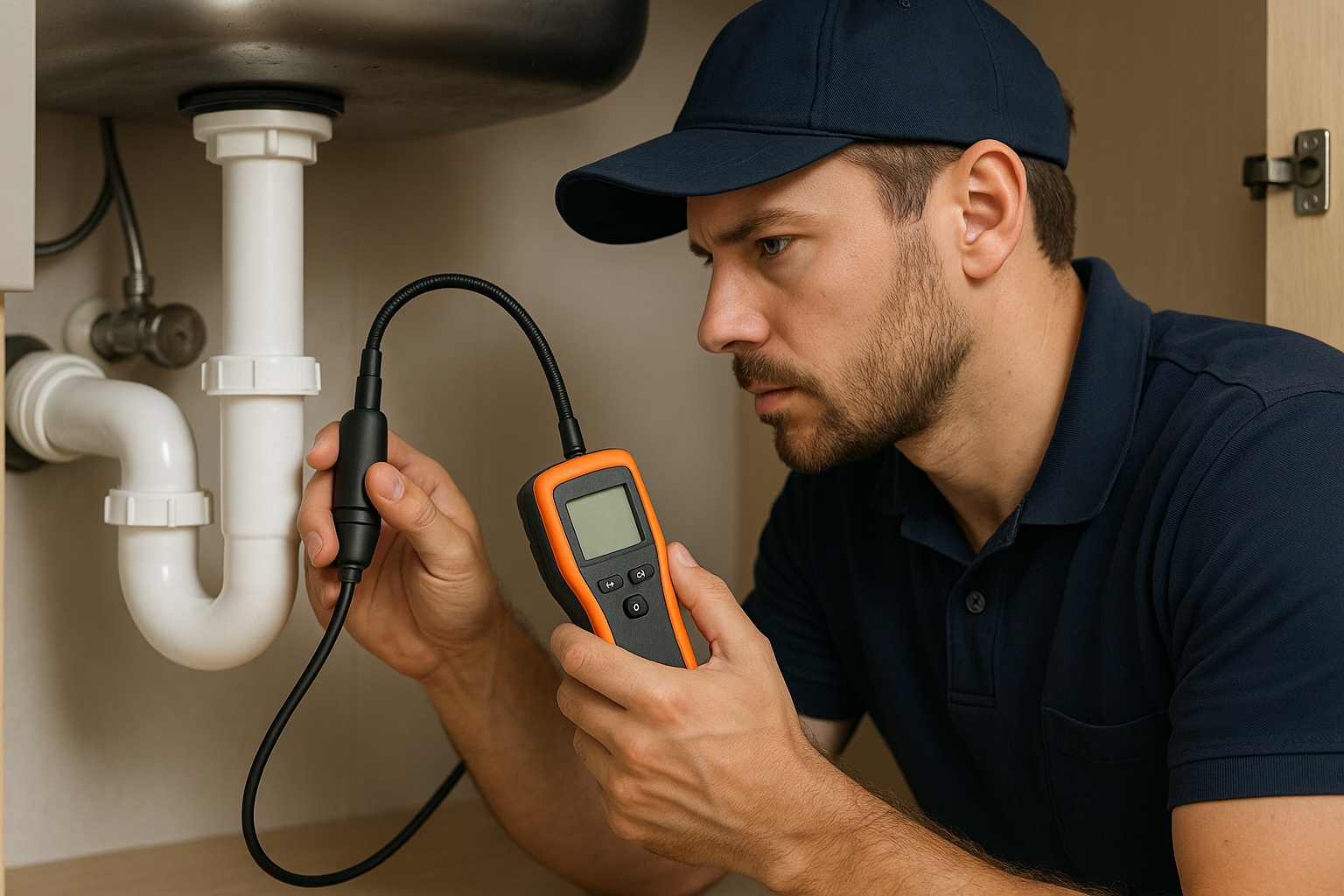
The pipe replacement process typically begins with a detailed inspection. A plumber may use visual checks, pressure tests, or camera inspections to determine the extent of the damage. Once the problem areas are identified, you’ll receive a recommendation for partial or full replacement.
In some cases, only a section of pipe needs to be replaced. In others, especially with widespread corrosion or aging systems, repiping a larger portion of the home may be the better choice. The work may involve opening walls, ceilings, or floors to access the damaged lines, though experienced plumbers aim to minimize disruption whenever possible.
After installation, the system is tested for leaks, proper pressure, and performance. The plumber may also explain maintenance tips and answer any questions about the new piping materials.
How Long Does It Take?
Project timelines vary based on the size of the home, the type of pipes being replaced, and how accessible the plumbing is. A small replacement may take only a few hours, while a whole-house repiping project could take several days. Your plumber should give you a clear estimate before work begins.
How to Choose the Right Pipe Replacement Service
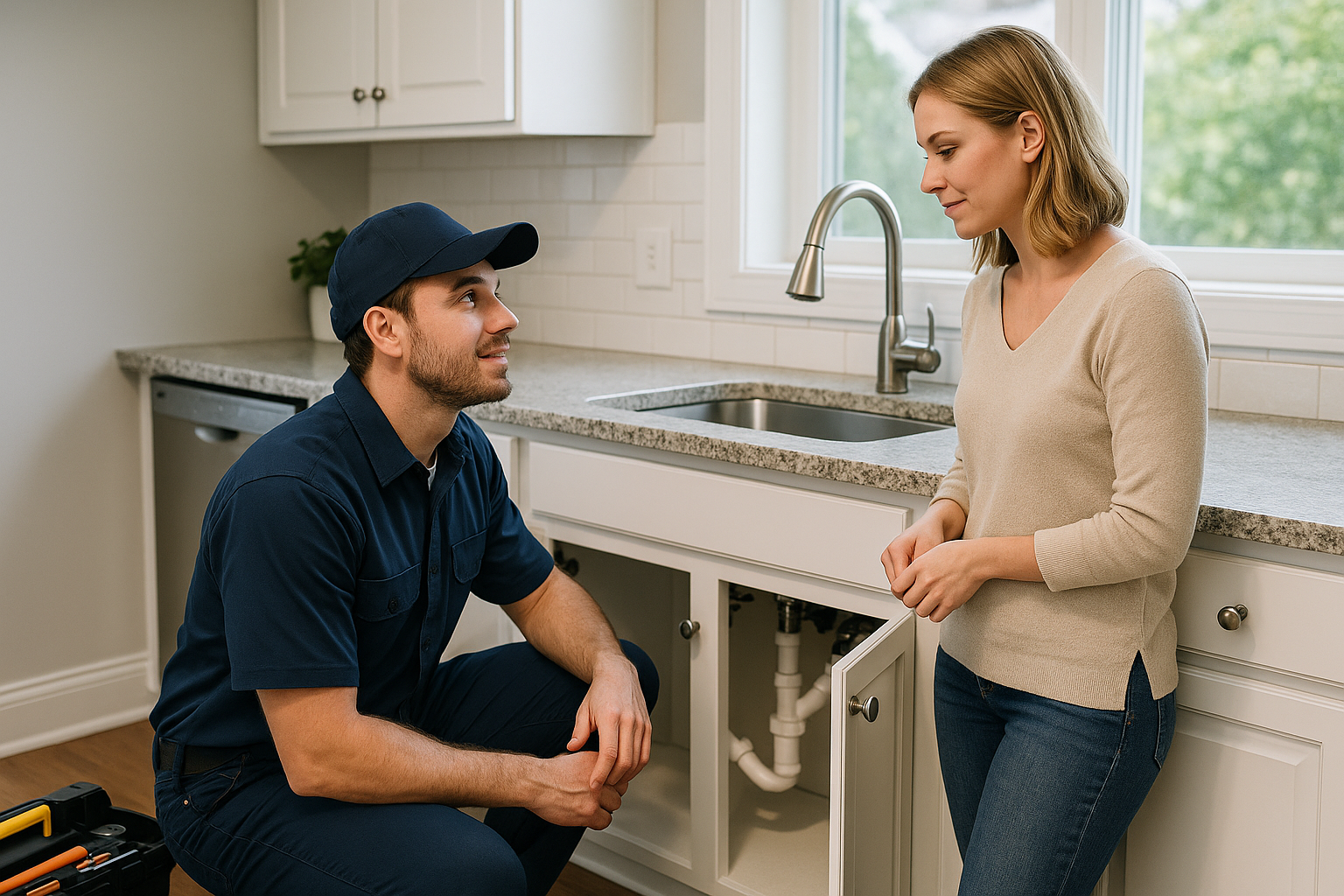
Choosing the right plumbing company is just as important as choosing the right materials. Look for a licensed, insured professional with experience handling pipe replacement projects similar to yours. Reading reviews, checking references, and asking about warranties can help you feel more confident in your decision.
You should also ask for a clear estimate that outlines labor, materials, and any additional repairs needed after installation. A trustworthy plumber will explain your options in plain language and help you understand whether a repair or replacement is the better investment.
Questions to Ask Before Hiring
- What pipe materials do you recommend for my home?
- Do you offer partial and full replacement services?
- How long will the project take?
- Will I need wall or floor access work?
- Do you provide a warranty on labor or materials?
Asking these questions upfront can help you avoid surprises and choose a provider who matches your needs.
Conclusion
Pipe replacement services are an important investment in your home’s safety, comfort, and long-term value. If you are dealing with frequent plumbing problems or aging materials, replacement may offer a more reliable solution than repeated repairs. With the right professional guidance, you can restore your plumbing system and enjoy greater peace of mind for years to come.