Remodeling a kitchen, bathroom, or laundry room is exciting, but plumbing can quickly turn a simple upgrade into a major project. Whether you are moving a sink, replacing old pipes, or adding a new shower, remodel plumbing plays a huge role in the success, cost, and timeline of the job. Planning ahead helps you avoid surprises and makes sure the finished space works as beautifully as it looks.
In this guide, we’ll cover the basics of remodel plumbing, when to update it, what affects the cost, and how to plan a smoother project from start to finish.
What Is Remodel Plumbing?
Remodel plumbing refers to any plumbing work done as part of a renovation or home improvement project. Unlike a simple repair, remodel plumbing often involves changing the layout, upgrading old materials, or installing new fixtures to fit a redesigned space.
This can include:
- Moving sinks, toilets, tubs, or showers
- Replacing outdated supply or drain lines
- Installing new faucets, appliances, or fixtures
- Adding plumbing for a wet bar, laundry room, or outdoor kitchen
- Updating plumbing to meet current building codes
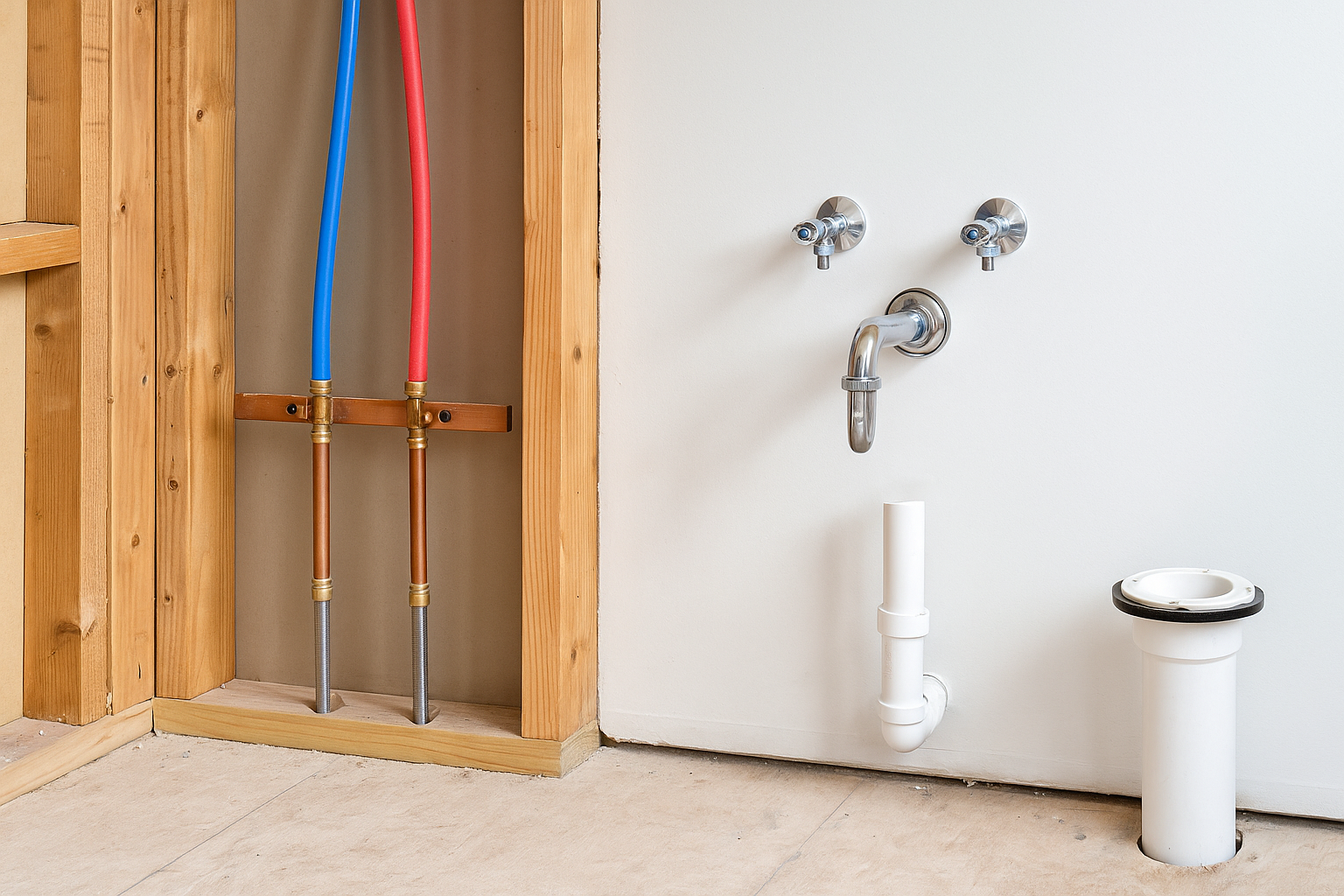
Because plumbing is hidden behind walls, under floors, and inside cabinets, it should be planned early in the remodeling process. Once tile, drywall, or flooring is installed, making changes becomes more expensive and time-consuming.
When Plumbing Should Be Updated During a Remodel
Not every remodel requires major plumbing changes, but there are several situations where it makes sense to upgrade. If your home is older, you may have galvanized, cast iron, or worn-out copper pipes that are nearing the end of their lifespan. Remodeling is a great time to replace these materials before they fail.
You should also consider plumbing updates if you are:
- Changing the layout of a room
- Adding new fixtures or appliances
- Dealing with low water pressure
- Seeing signs of corrosion, leaks, or water damage
- Renovating an older home with outdated plumbing code requirements
Even if the pipes are still working, an upgrade can improve water efficiency, reduce maintenance issues, and support the new design of the space.
Common Remodel Plumbing Projects
Bathroom Remodels
Bathroom renovations often involve some of the most complex plumbing changes. Moving a toilet or shower may require rerouting drain lines, while adding a double vanity may need new supply lines and drain connections. If you are upgrading to a larger shower or freestanding tub, the plumbing must be sized and placed correctly to support the fixture.
Kitchen Remodels
Kitchen remodel plumbing usually centers on the sink, dishwasher, refrigerator water line, and sometimes a pot filler or prep sink. Even a small shift in cabinet layout can affect plumbing placement. Since kitchens rely on both water supply and drainage, coordination between plumbing, cabinetry, and countertops is essential.
Laundry and Utility Rooms
Many homeowners use remodeling projects to move laundry equipment or add a utility sink. This often involves new water lines, drain hookups, and sometimes a venting upgrade. These changes can make a home more functional, especially if you are creating a dedicated laundry space.
Factors That Affect Remodel Plumbing Costs
The cost of remodel plumbing can vary widely depending on the scope of the project. A simple fixture replacement may be relatively affordable, while relocating a shower or toilet can be much more expensive.
Several factors affect pricing:
- Project size: Larger remodels generally require more labor and materials.
- Layout changes: Moving plumbing lines costs more than keeping fixtures in place.
- Pipe condition: Old or damaged pipes may need full replacement.
- Wall and floor access: Easy access means less labor; opening finished surfaces increases cost.
- Fixture selection: High-end tubs, faucets, and specialty fixtures may require additional work.
- Permits and inspections: Some projects require local approval and code compliance.
It is smart to build a contingency into your remodeling budget. Hidden plumbing problems are common, especially in older homes, and having a little flexibility can prevent delays.
Planning a Remodel Plumbing Project
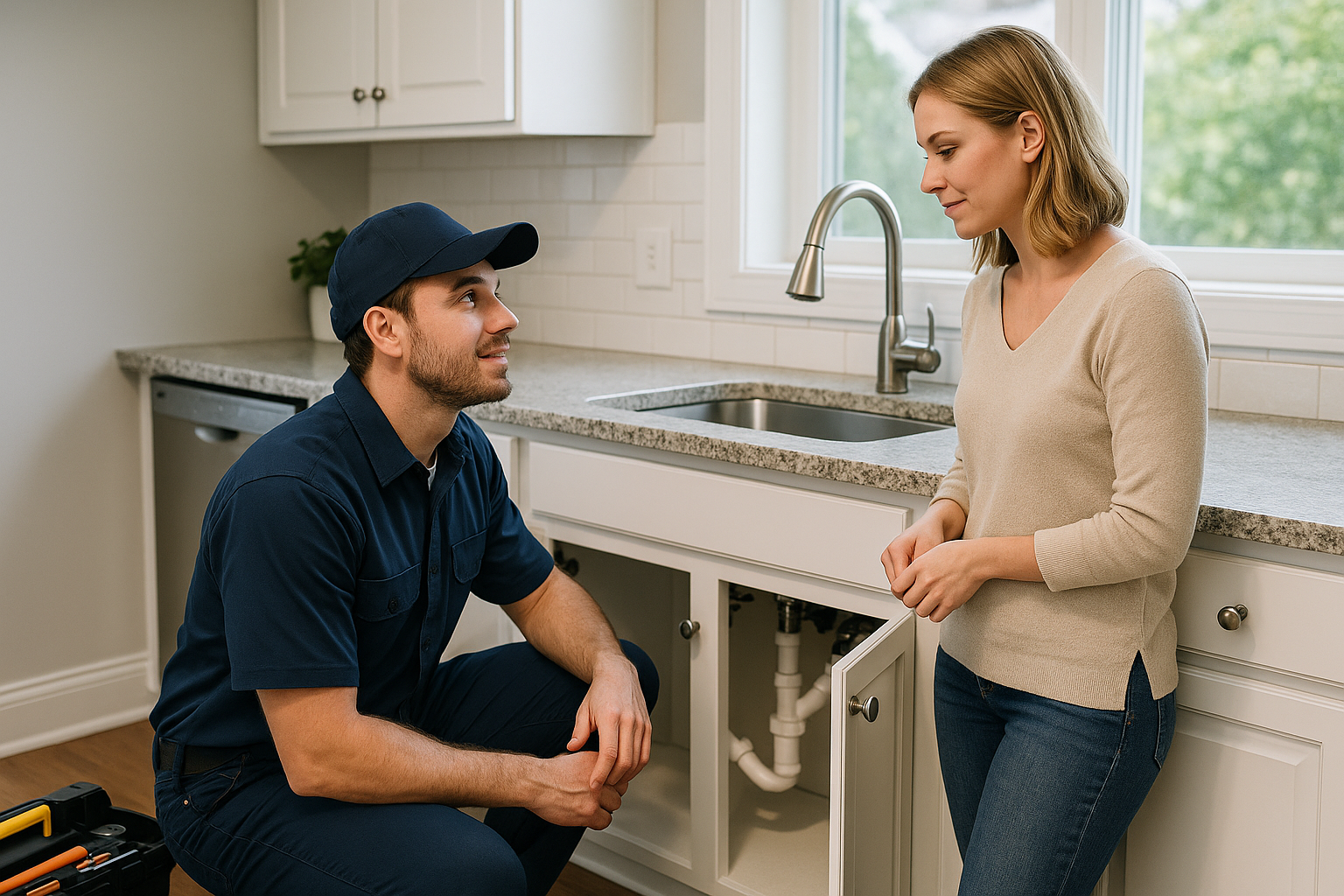
The best remodel plumbing projects start with a clear plan. Before any demolition begins, work through the design and plumbing layout with your contractor or plumber. Think carefully about where fixtures will go, how the room will be used, and whether the current plumbing system can support your goals.
Here are a few helpful planning steps:
- Decide which fixtures will stay and which will move
- Identify any plumbing problems in the existing system
- Confirm that the new design fits local code requirements
- Choose fixtures early so rough-in work can be measured correctly
- Schedule plumbing before drywall, tile, and flooring installation
It also helps to consider long-term maintenance. For example, access panels for tubs, shutoff valves for fixtures, and properly located cleanouts can make future repairs much easier.
Why Hiring a Professional Matters
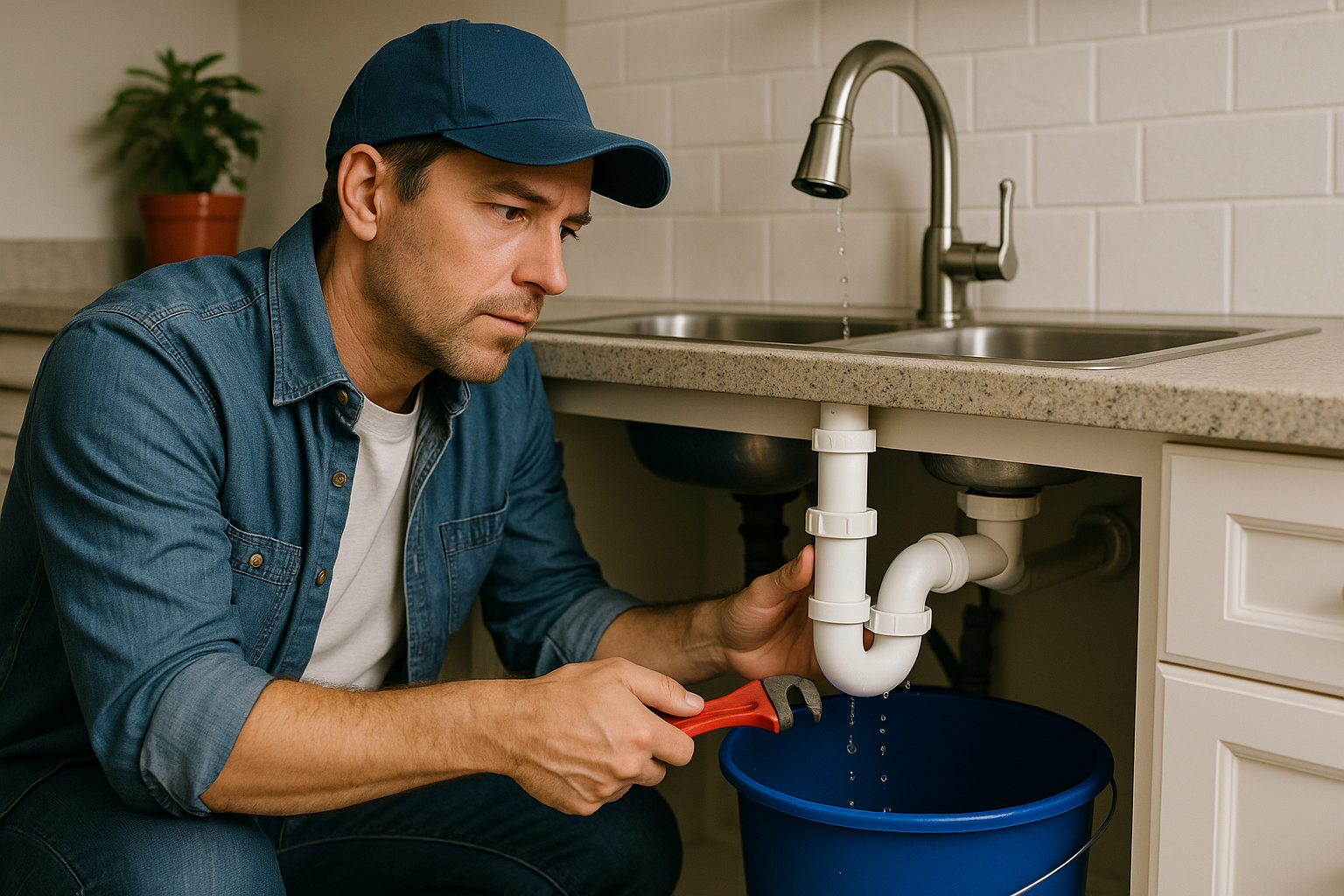
While some homeowners are comfortable replacing a faucet or installing a simple sink, most remodel plumbing should be handled by a licensed professional. Plumbing systems must meet safety and building code requirements, and mistakes can lead to leaks, poor drainage, water damage, or failed inspections.
A professional plumber can:
- Evaluate the existing system
- Recommend the best layout for your remodel
- Handle permits and inspections where required
- Install pipes and fixtures correctly
- Help prevent costly problems later
Hiring experienced help is especially important when the remodel involves moving major fixtures, altering venting, or working in older homes with unknown plumbing conditions.
Conclusion
Remodel plumbing is one of the most important parts of a successful renovation. With careful planning, the right materials, and professional installation, you can create a space that looks great and functions reliably for years. Before you start tearing out walls or choosing tile, make sure the plumbing plan is solid from the beginning.
When plumbing is handled properly, your remodel is more likely to stay on budget, stay on schedule, and deliver the results you want.