Drain performance testing helps you confirm that your plumbing and drainage systems are doing what they should: moving water efficiently, preventing backups, and operating safely under real-world conditions. Whether you manage a commercial facility, maintain municipal infrastructure, or care for a large residential property, testing turns “we think it’s fine” into measurable, documented performance.
In this guide, we’ll walk through what drain performance testing is, why it matters, the key methods and metrics, how to plan and prepare, and how to interpret results so you can improve reliability and reduce costly downtime.
What Is Drain Performance Testing?
Drain performance testing is a structured process used to evaluate how effectively a drainage system conveys wastewater and stormwater. It typically combines observation and measurement to determine flow capacity, hydraulic performance, structural condition, and potential failure points.
Why it’s more than “checking for clogs”
Many drainage issues start subtly—slow flow, intermittent odors, minor standing water, or recurring backups after heavy use. Performance testing can reveal limitations in slope, blockages, pipe condition, venting problems, and flow restriction that may not be obvious during a quick inspection.
Why Drain Performance Testing Matters
Testing isn’t just about troubleshooting. It supports proactive maintenance, compliance, and risk reduction.
Prevent backups and water damage
Backups can cause structural damage, mold growth, and contamination. By identifying weak links early, you can schedule targeted repairs before a failure becomes an emergency.
Improve system efficiency
Even when a system “works,” it may operate below its intended capacity due to partial blockages, corrosion, or improper slope. Testing helps optimize performance and reduce the frequency of costly interventions.
Support compliance and documentation
For commercial and municipal sites, documented testing results can support regulatory requirements, insurance needs, and due diligence for audits or property transactions.
Common Goals and Use Cases
Drain performance testing is commonly used in several scenarios, including:
- Pre-commissioning or acceptance: Verify a new installation meets design expectations.
- Preventive maintenance: Identify performance drift over time.
- Post-repair verification: Confirm that remediation restored capacity and flow.
- After repeated incidents: Determine why backups or slow drainage keep recurring.
- Stormwater performance planning: Evaluate capacity and hydraulic behavior under heavier rainfall.
Key Testing Approaches and Methods
Different systems require different approaches. A thorough testing plan usually matches the method to the drainage type (sanitary, storm, combined), pipe material, accessibility, and the specific symptoms observed.
Visual inspection (including CCTV where appropriate)
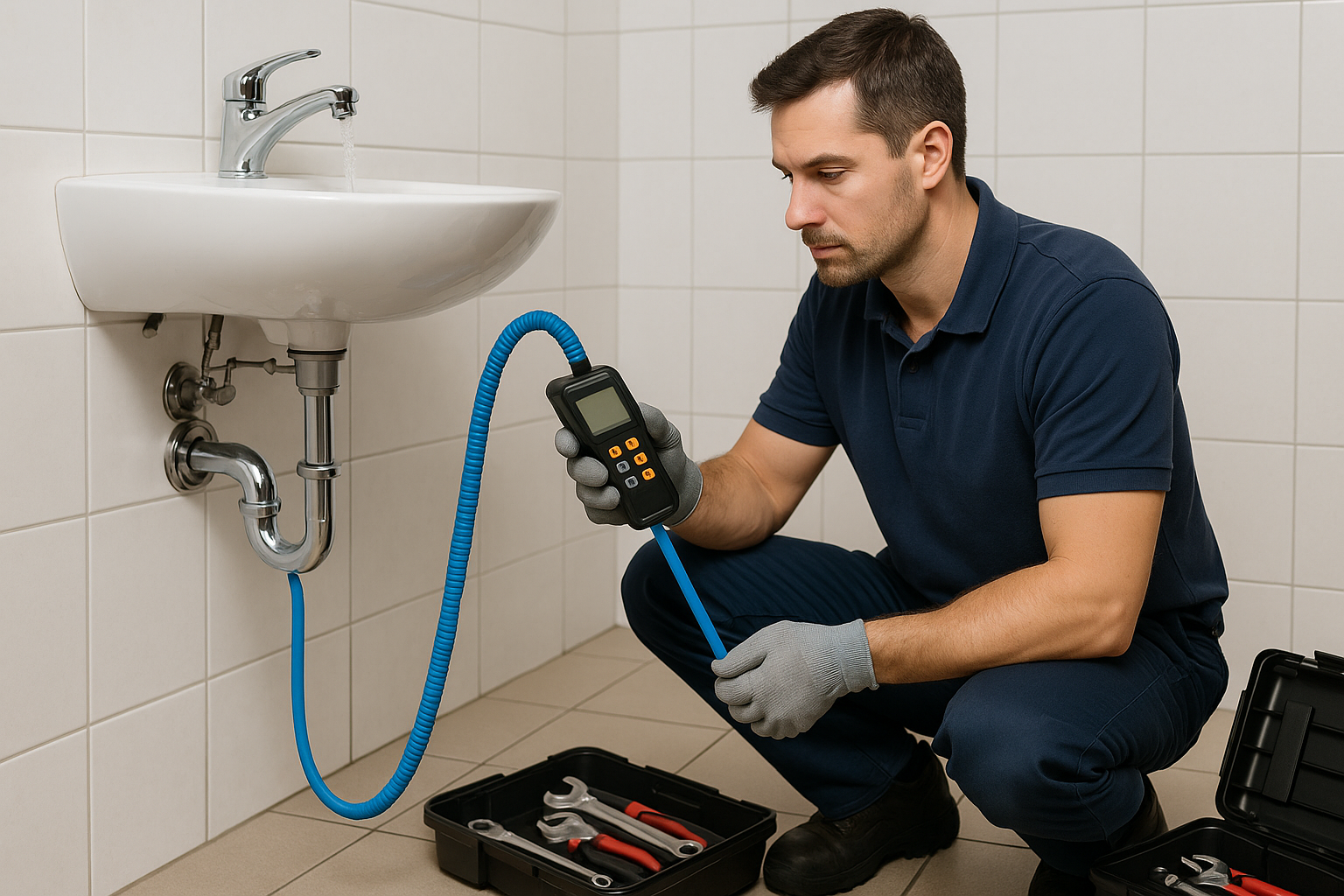
Video inspection uses a camera to examine pipe interiors for cracks, root intrusion, misalignment, deposits, corrosion, and obstructions. While video inspection doesn’t directly measure flow capacity, it provides crucial context for performance findings.
Flow testing and hydraulic evaluation
Flow testing focuses on how much water the system can move and how consistently it performs. Depending on the setup, technicians may assess inflow rates, outflow behavior, and hydraulic indicators such as travel time and surcharging signs.
Pressure testing and air/water tests
For certain segments and conditions, pressure-based testing can help detect leaks, poor joints, or system integrity issues. Air testing is commonly used where appropriate, while water pressure testing may be used depending on design and safety considerations.
Smoke testing for conveyance and leak detection
Smoke testing helps identify unintended openings or leaks by introducing visible smoke into the system. It’s often used to locate cross-connections, illegal vents, or compromised seals.
Infiltration and inflow (I&I) assessment
Infiltration and inflow can overload drains during wet weather. Measuring I&I involves evaluating how much groundwater enters the system and how stormwater may be getting into sanitary lines (or similar issues in combined systems).
Important Metrics to Measure
Effective drain performance testing uses the right metrics. While exact parameters depend on project scope, typical performance indicators include:
- Flow rate and capacity: How much water the system can handle under expected conditions.
- Hydraulic efficiency: Whether the system moves water smoothly or experiences restrictions and losses.
- Time-to-clear and residual standing water: How quickly a system empties after discharge.
- Signs of surcharging: Evidence that the system is backing up or filling beyond design limits.
- Leak indicators: Loss of pressure, dampness, or wet spots outside the intended flow path.
- Condition indicators: Cracks, scaling, root intrusion, joint separation, or deformation observed during inspection.
How to Plan a Drain Performance Testing Program
A successful testing effort is planned. Taking time upfront prevents rework and helps ensure results are comparable over time.
Define the objective and scope
Start by clarifying what you’re trying to learn. Are you verifying a new installation? Investigating recurring backups? Evaluating storm performance after a major weather event? Your objective determines which tests to run and where.
Review design documents and prior records
Collect available drawings, maintenance logs, previous inspection reports, and any repair history. This information helps identify likely trouble spots—such as known problem junctions, older materials, or areas with frequent sediment buildup.
Choose the right time for testing
For sanitary systems, consider occupancy patterns and water usage levels. For stormwater evaluation, plan around weather and seasonal conditions when possible. If the goal is to assess wet-weather performance, testing during relevant conditions can improve realism.
Prepare access points and safety measures
Ensure manholes, cleanouts, and sampling points are accessible. Set up traffic control if needed. Confirm that equipment is properly calibrated and that testing protocols follow applicable safety requirements.
Interpreting Results: What Good Looks Like
Testing results should lead to actionable conclusions. A strong report explains findings clearly, links measurements to possible causes, and recommends next steps.
Performance shortfalls often have multiple causes
For example, reduced capacity might come from combined effects: deposits plus partial blockage plus a minor slope problem. Video inspection can help identify structural or material issues, while flow results help quantify their impact.
Use a prioritized remediation plan
Not every finding requires immediate replacement. Many issues can be addressed in stages. Prioritize based on risk (likelihood of failure), impact (severity of backups), and cost-effectiveness. Your plan might include targeted cleaning, localized repairs, joint rehabilitation, or—where warranted—segment replacement.
Best Practices for Maintenance After Testing
Testing is most valuable when it leads to continuous improvement.
- Document everything: Keep test data, camera stills, measurements, and repair records in a consistent format.
- Schedule follow-up verification: After cleaning or repairs, re-test to confirm performance restoration.
- Adopt preventive cleaning: Based on observed buildup patterns, implement cleaning intervals that match your system’s needs.
- Monitor trends: Compare future results against baseline measurements to detect gradual degradation early.
- Address root causes: If infiltration/inflow is the driver, focus on sealing and cross-connection corrections—not just clearing clogs.
Choosing a Drain Performance Testing Team
When selecting a provider, look beyond price and experience level. A quality testing partner will:
- Use validated methods appropriate for your system type and conditions
- Provide clear reporting with measurable outcomes
- Offer recommendations tied to the objective and risk level
- Document procedures, equipment, and results for accountability
Short Conclusion
Drain performance testing is a practical, data-driven way to keep drainage systems reliable. By combining the right testing methods with clear interpretation and a prioritized remediation plan, you can prevent backups, extend asset life, and reduce the likelihood of costly emergencies.