Experiencing weak water flow in your showers, sinks, or hose can be frustrating—especially when everything worked fine yesterday. The good news is that most water pressure repair issues can be diagnosed with a few practical checks and resolved with the right fix. This guide walks you through common causes, quick troubleshooting steps, and when it’s time to call a professional.
Understanding Water Pressure: What’s Normal?
Before repairs begin, it helps to understand what “normal” water pressure means. In many homes, typical residential water pressure ranges from 40 to 60 psi (pounds per square inch). If pressure drops below that range, you may notice slow filling faucets, weak shower output, or trouble running appliances like dishwashers.
However, “low pressure” isn’t always the same as “poor water flow.” Sometimes the pressure is adequate, but there’s an obstruction, restriction, or a problem with a specific fixture or appliance.
Common Causes of Low Water Pressure
Low water pressure can come from issues inside your home or from the supply line. Here are the most frequent culprits:
1. Clogged Aerators and Showerheads
Mineral buildup and debris can clog small screens and restrict flow. This is one of the easiest and most common causes—especially in older homes or areas with hard water.
2. A Partially Closed Shutoff Valve
If a valve is turned only halfway (often after maintenance), pressure can be noticeably reduced. Check the main shutoff valve and any fixture-specific valves.
3. Pressure Regulator Problems
Many homes have a pressure reducing valve (PRV) to protect pipes from high pressure. If the PRV is set incorrectly or fails, it can limit water flow to your entire home.
4. Water Supply Pipe Blockage or Corrosion
Over time, pipes can accumulate scale, corrosion, or sediment. A blockage is more likely if the problem developed gradually or affects multiple fixtures.
5. Leaks in the Plumbing System
A leak may not always be obvious. Leaking pipes and fittings can reduce system pressure and increase your water bill. If pressure drops along with signs like damp spots, unexplained moisture, or constant meter movement, leaks are a strong suspect.
6. Municipal Supply Issues
Sometimes the problem isn’t your plumbing. Low pressure can result from maintenance, nearby construction, or temporary disruptions in the water utility system.
Quick Troubleshooting Steps (DIY-Friendly)
Before you start replacing parts, try these steps to narrow down the cause.
Step 1: Check One Fixture vs. the Whole House
Test multiple locations: kitchen sink, bathroom sink, shower, and an outdoor spigot. If only one fixture is weak, the issue is often localized (a clogged aerator, showerhead, or valve). If all fixtures are affected, look toward the main line, PRV, or supply source.
Step 2: Inspect and Clean Aerators and Showerheads
Unscrew the aerator from the faucet and remove the screen. For showerheads, remove and check for scale buildup. Soak parts in vinegar for 30–60 minutes, scrub gently, rinse, and reinstall.
Tip: If you have low pressure plus sputtering or irregular flow, debris may be coming from sediment in the lines—cleaning can help, but persistent issues may require deeper repair.
Step 3: Test Pressure at a Hose Bib (If Available)
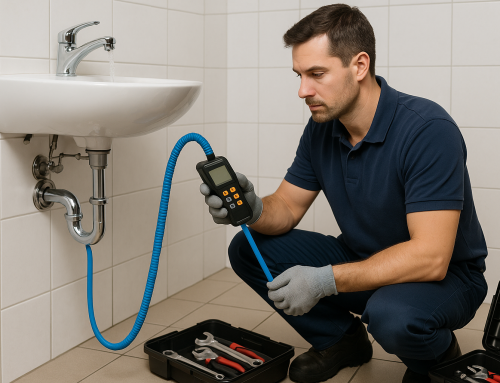
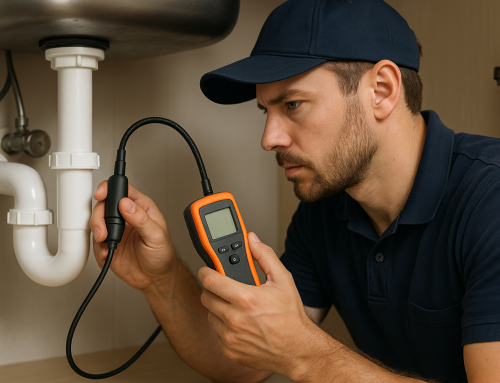
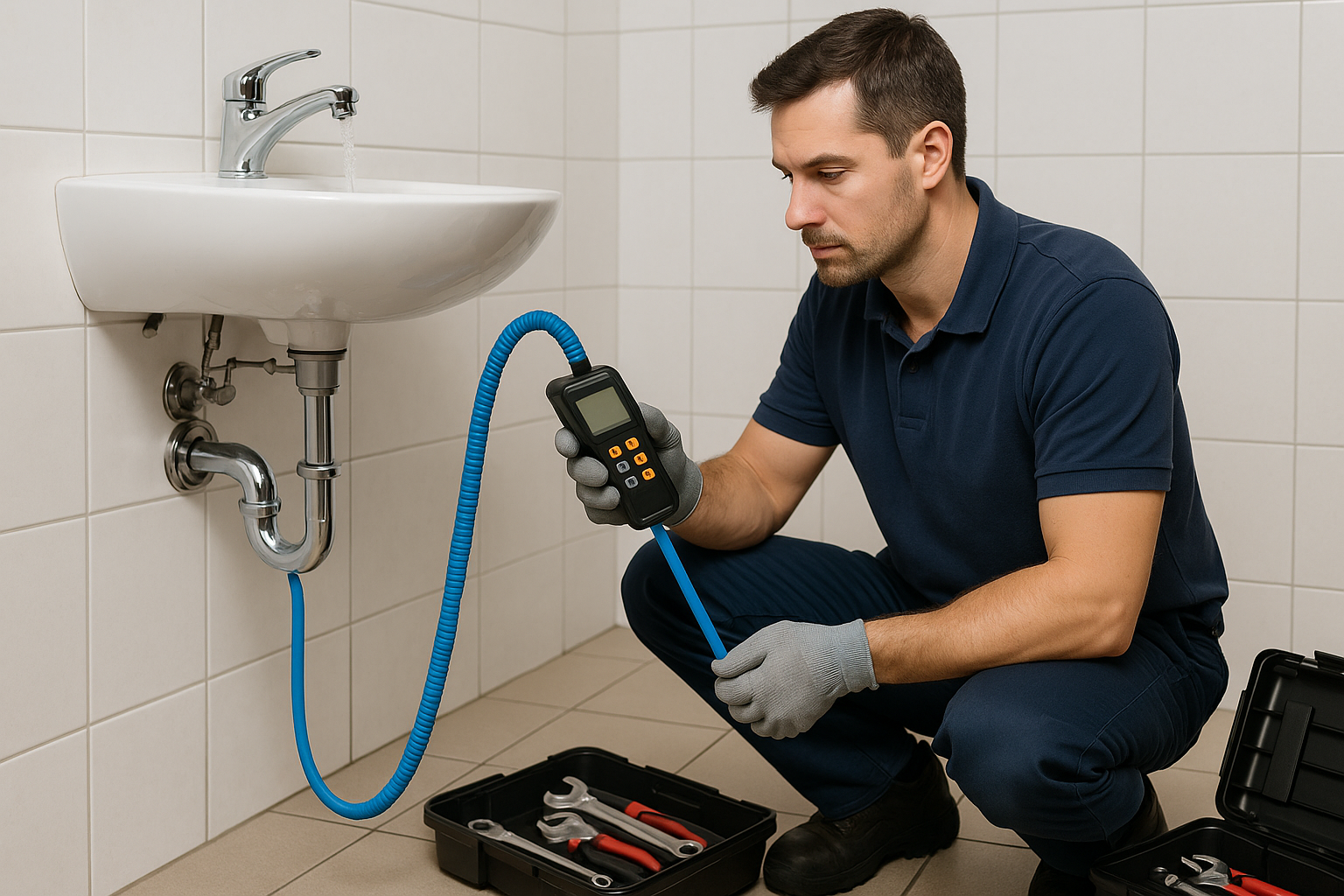
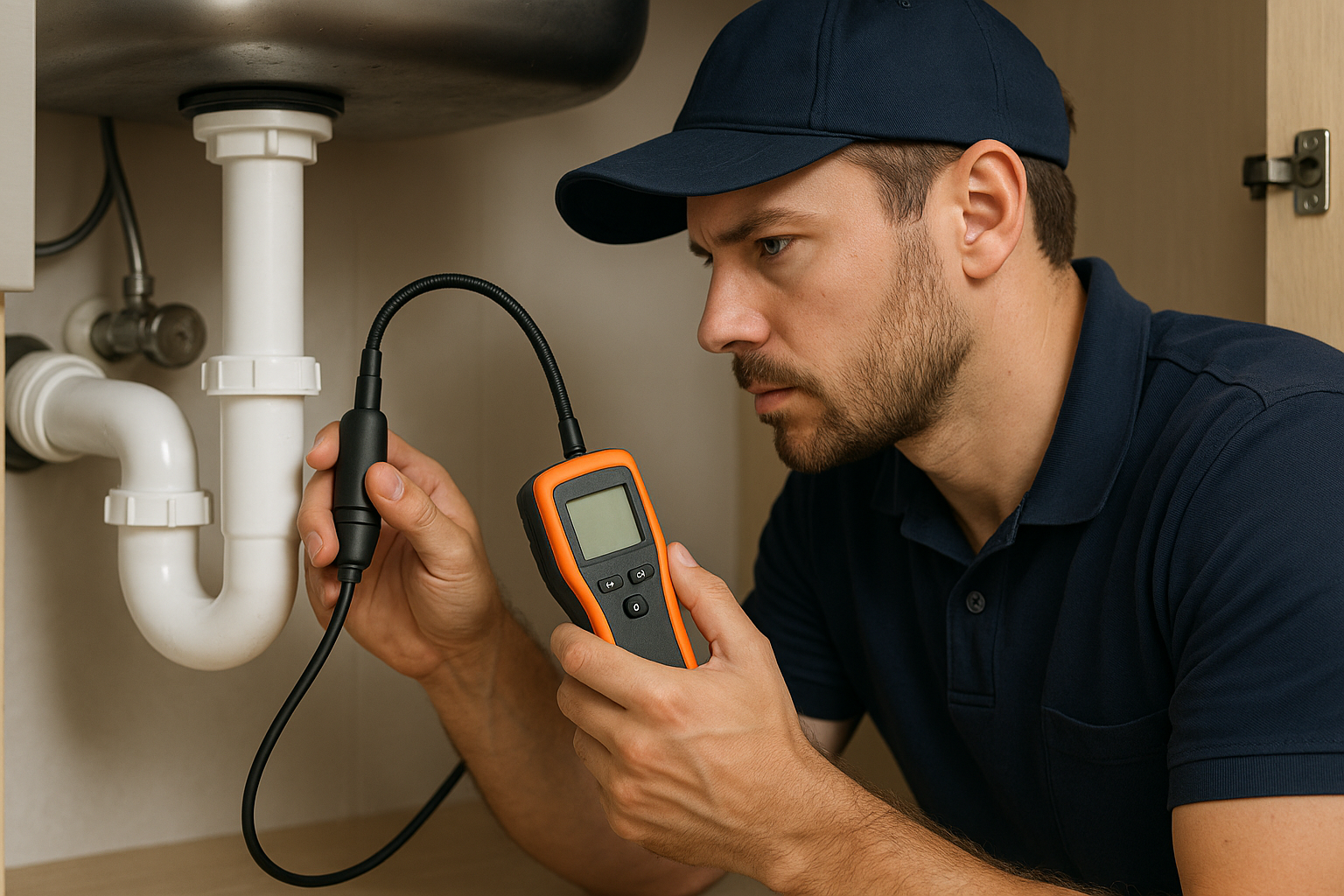
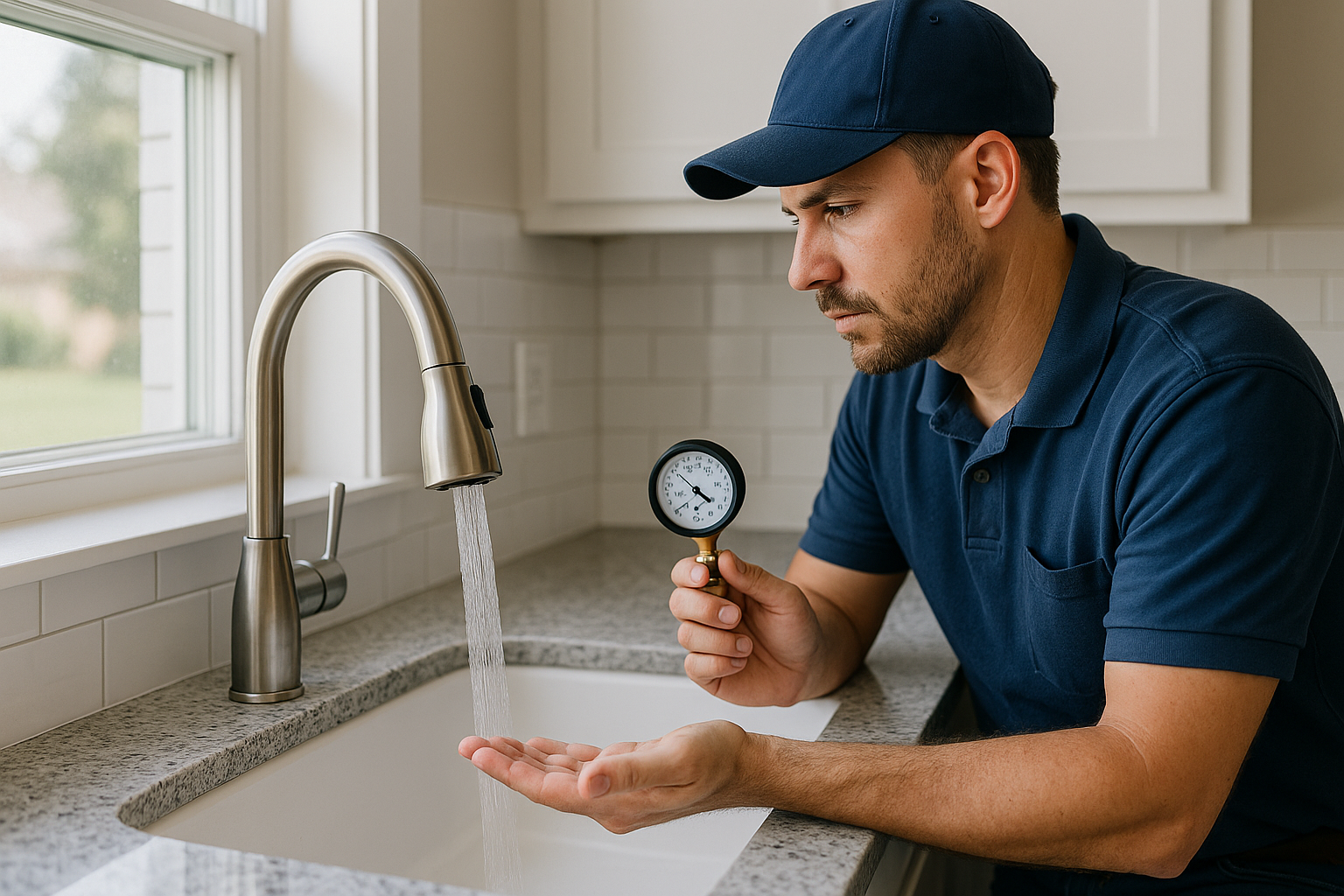
If you have an outdoor spigot, connect a pressure gauge (or use a handheld gauge) to measure system pressure. Comparing readings to the typical 40–60 psi range gives you clarity and helps determine whether you’re dealing with a pressure regulator or a larger supply problem.
Step 4: Check Shutoff Valves
Confirm that the main shutoff valve is fully open. If you notice any valves that were recently adjusted, ensure they’re turned fully in the correct direction.
Step 5: Look for Signs of Leaks
Check visible plumbing for dampness or water trails. You can also do a simple water meter test: turn off all faucets and appliances, then monitor the meter for movement over 15–30 minutes. If it changes, you likely have a leak.
When and How to Repair Water Pressure Problems
Once you’ve identified the likely cause, you can choose the appropriate repair approach.
Repairing Fixture-Level Restrictions
If cleaning aerators and showerheads restores pressure, you may only need regular maintenance. If pressure stays weak, inspect the fixture’s internal components, supply line, or shutoff valve for restrictions. Replacing a faulty valve or worn cartridge can restore flow.
Adjusting or Replacing a Pressure Regulator (PRV)
If the pressure gauge indicates consistently low psi across the house, the PRV may be set too low or malfunctioning. Some PRVs can be adjusted, but many require professional testing and calibration. If the regulator fails, replacement may be necessary to restore proper pressure.
Clearing Sediment and Minor Blockages
In some cases, sediment buildup can restrict flow. Depending on the plumbing layout and severity, a partial flush or line cleaning may improve pressure. However, if blockage is significant or involves corrosion, it may require more extensive work.
Fixing Leaks That Cause Pressure Drops
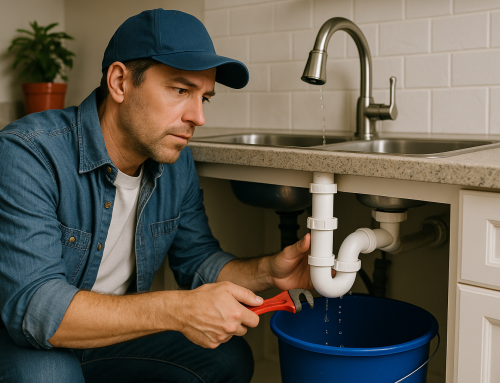
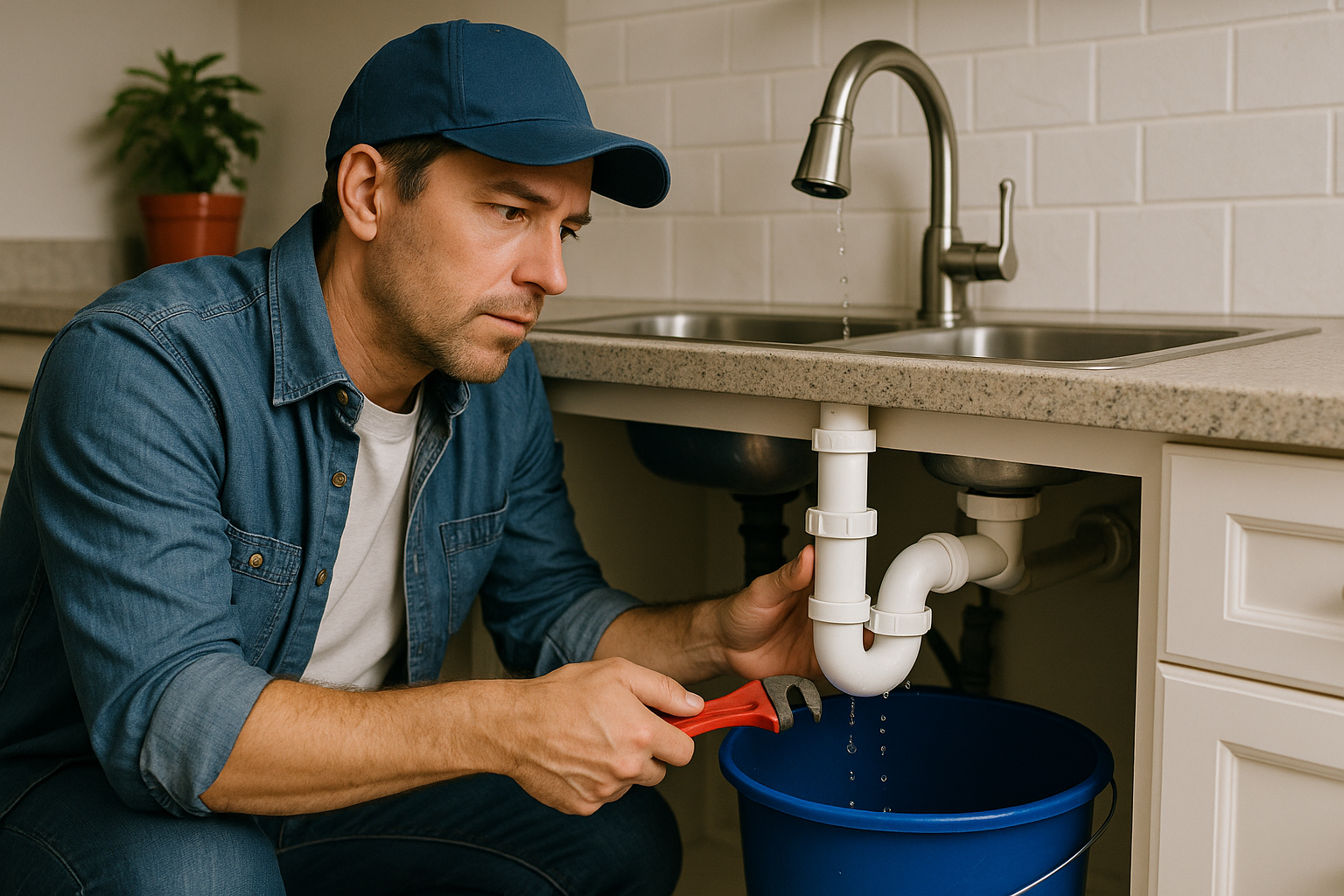
If pressure improves when you stop using water, leaks can be consuming pressure and volume. Repairing leaks at joints, valves, or pipes may require replacing damaged sections or components. This not only improves pressure but also prevents water damage.
Handling Whole-House Supply Issues
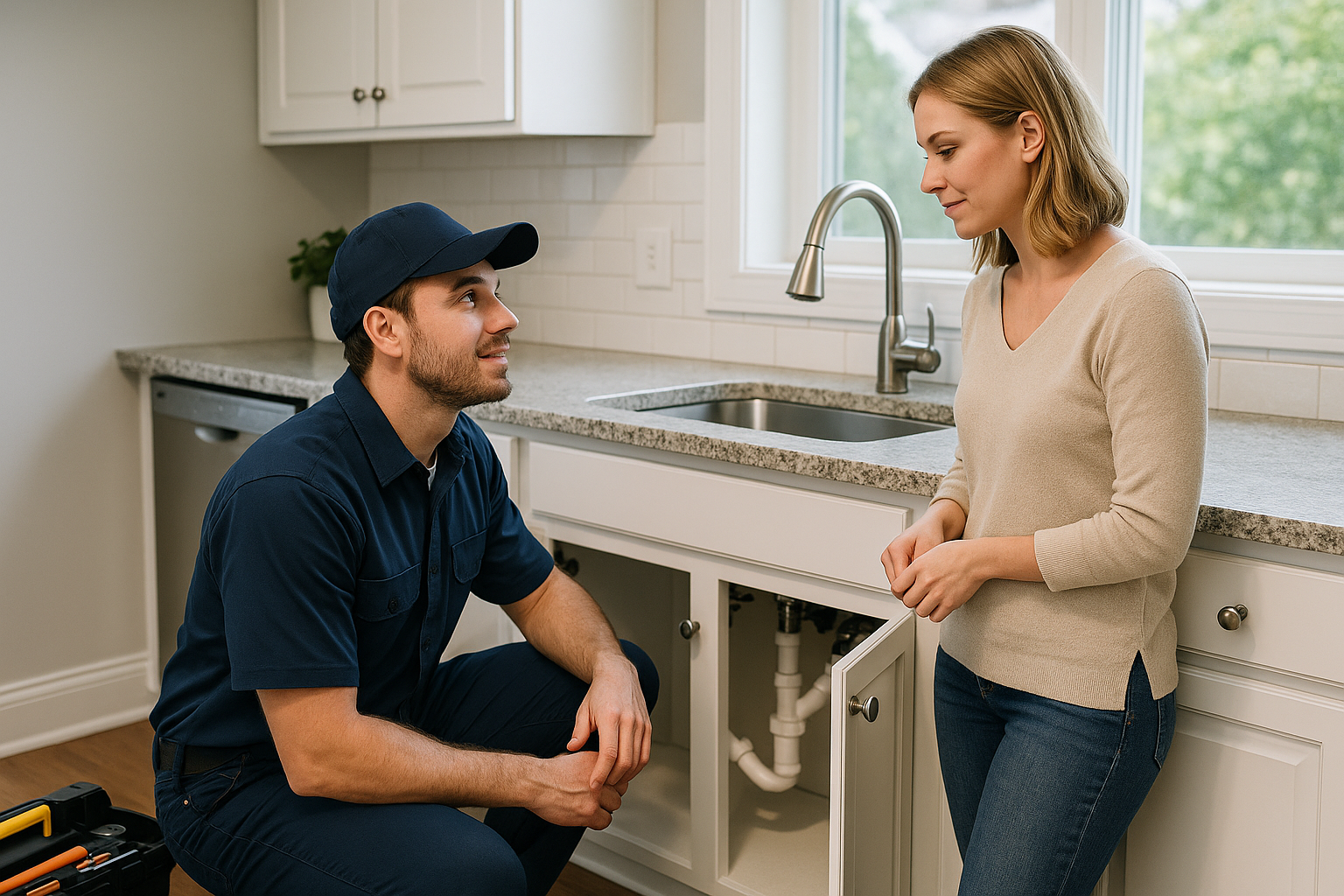
If every faucet is weak, and the pressure test confirms low psi, the issue could involve the main supply line, the PRV, or the municipal water source. If you suspect a utility issue (for example, neighbors report the same problem), contact your water provider. If it appears to be internal, a licensed plumber can perform a more detailed system inspection.
Choosing the Right Repair Approach: What to Consider
- How widespread is the problem? One fixture vs. the whole house changes the likely cause.
- Has the issue changed over time? Sudden drops often point to valves, clogs, or leaks.
- Is there visible corrosion or sediment? Heavy buildup may require flushing or pipe replacement.
- Your safety and local code requirements: Some repairs involve pressurized lines and should be handled by professionals.
When to Call a Professional Plumber
While many water pressure repairs are manageable, certain situations warrant expert help:
- Your pressure remains low after cleaning fixtures and verifying valves.
- You suspect a failing PRV, major blockage, or corroded piping.
- You find signs of leaks inside walls or ceilings.
- Pressure drops occur during high water use, suggesting a system-level restriction.
- You need specialized pressure testing, line flushing, or compliant replacements.
A plumber can quickly confirm where the restriction or failure is occurring, preventing repeated guesswork and unnecessary part replacements.
Preventing Future Water Pressure Issues
Taking a proactive approach helps keep pressure consistent and reduces call-outs:
- Clean aerators and showerheads periodically, especially in hard water areas.
- Check PRV settings during seasonal inspections.
- Watch for leaks by monitoring the meter and checking for dampness.
- Maintain shutoff valves and avoid leaving them partially closed.
If you experience frequent sediment issues, ask about filtration options or flushing schedules based on your water supply.
Conclusion
Water pressure repair starts with understanding what’s normal and methodically identifying whether the issue is fixture-level or system-wide. By checking aerators, valves, PRV settings, and possible leaks—plus testing pressure when needed—you can often restore strong flow quickly. If the problem persists or appears to involve the main system, a qualified plumber can pinpoint the cause and complete the repair safely and effectively.