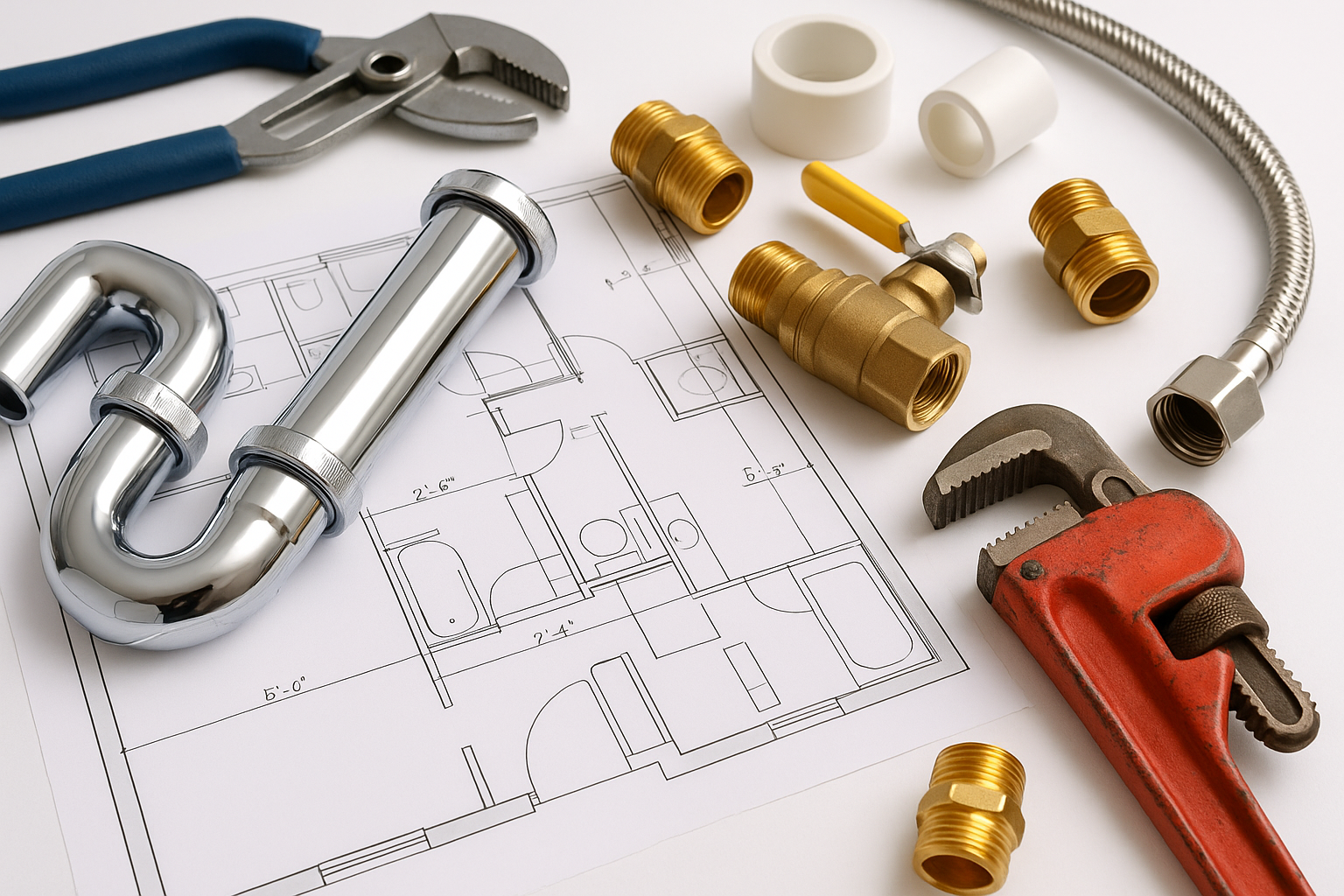
Plumbing Remodel: A Practical Guide
A plumbing remodel is one of the most important parts of any kitchen, bathroom, or whole-home renovation. While new tile, fixtures, and finishes are easy to see, the plumbing behind the walls is what makes the space work safely and efficiently. Whether you are updating an older home or redesigning a layout, careful plumbing planning can improve comfort, performance, and long-term value.
Many homeowners start a remodel thinking mostly about style, but plumbing decisions affect everything from water pressure to energy use. A well-planned plumbing remodel helps you avoid leaks, costly rework, and code issues while giving you the chance to upgrade aging pipes, improve fixture placement, and prepare your home for the future.
Why Plumbing Matters in a Remodel
Plumbing is the backbone of kitchens and bathrooms. Even if the project looks cosmetic on the surface, changing a sink location, adding a shower, or moving a tub can require significant pipe work behind the walls and under the floor.
In older homes, a remodel is often the best time to replace galvanized, corroded, or undersized pipes. It is also a smart opportunity to improve water efficiency, increase hot water capacity, and correct plumbing problems that may have been hidden for years.
Common Plumbing Remodel Projects
Bathroom Remodels
Bathroom remodels often include replacing toilets, sinks, showers, tubs, and faucets. In many cases, homeowners also want to change the layout to create more usable space. That may involve relocating drain lines, adjusting venting, or upgrading supply lines.
Kitchen Remodels
Kitchen plumbing remodels usually focus on sinks, dishwashers, refrigerators with water lines, and sometimes pot fillers or prep sinks. Since kitchens tend to be high-use spaces, proper drainage and shutoff access are especially important.
Laundry Room and Utility Upgrades
A remodel can also include laundry sinks, washer hookups, utility tubs, or water filtration systems. These upgrades may seem minor, but they can make everyday tasks easier and help protect your home from water damage.
Key Planning Steps Before You Start
Set Your Goals
Before tearing into walls, decide what you want the remodel to accomplish. Are you trying to modernize fixtures, change the room layout, increase water pressure, or replace old plumbing lines? Clear goals help guide the budget and scope of work.
Inspect the Existing Plumbing
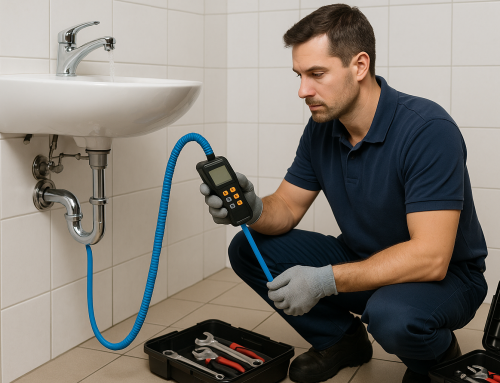
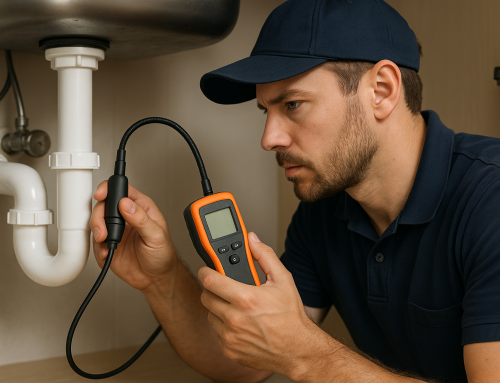
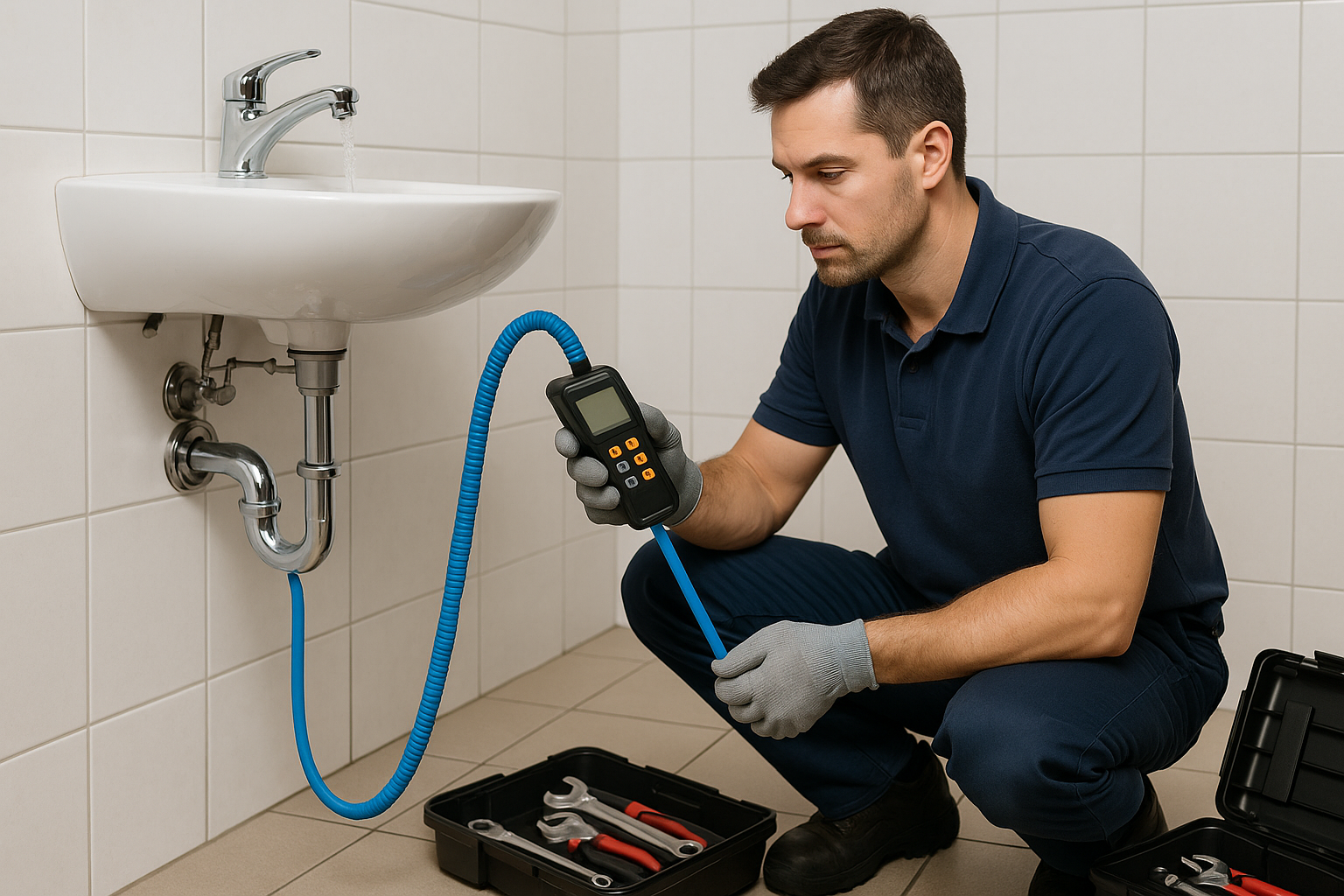
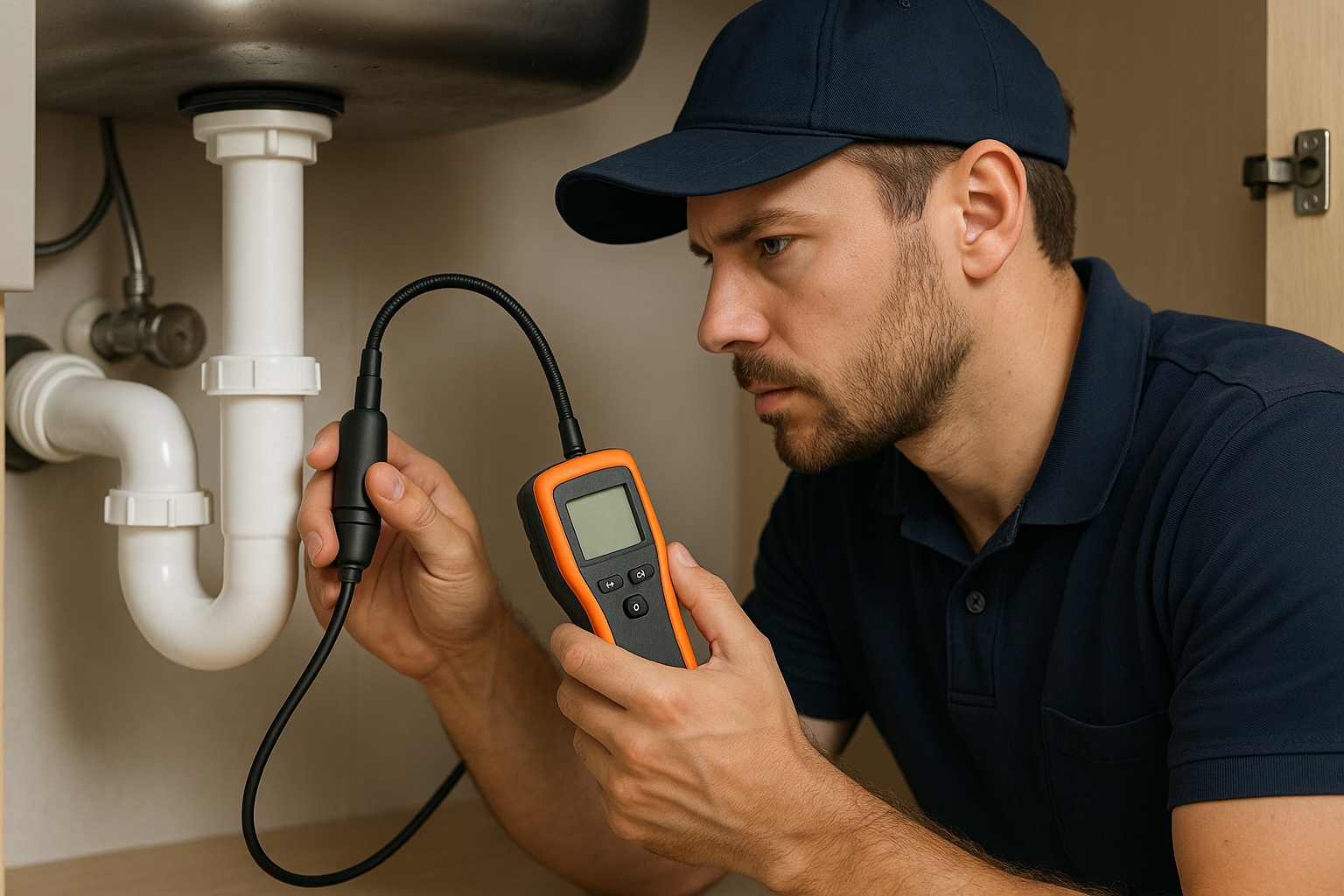
Start with a thorough inspection of the current system. A plumber can identify aging pipes, slow drains, low pressure, improper venting, or signs of leaks. This step is especially important if your home is more than a few decades old.
Plan the Layout Early
Moving fixtures is usually more expensive than keeping them in place. If you want to reposition a toilet, shower, or sink, plan for additional labor and materials. Sometimes a small layout change can deliver a big improvement, but it should be balanced against cost and complexity.
Understand Local Codes and Permits
Plumbing work must meet local building codes, and many remodels require permits. These rules cover pipe sizing, venting, fixture spacing, drainage, and more. Following code is not just about passing inspection; it also helps ensure the system is safe and reliable.
Popular Plumbing Upgrades to Consider
Replace Old Pipes
If your home has outdated piping, a remodel is the right time to upgrade. New piping materials can improve water flow, reduce corrosion risk, and provide better long-term performance. Replacing old pipes behind finished walls is much easier during a renovation than after the project is complete.
Install Water-Efficient Fixtures
Low-flow toilets, efficient showerheads, and modern faucets can reduce water use without sacrificing comfort. These fixtures can also lower utility bills and support more sustainable living.
Add Shutoff Valves and Access Points
Accessible shutoff valves make future maintenance much easier. If a fixture ever needs repair, you will not have to shut off water to the entire house. This is a small upgrade that can save time and frustration later.
Improve Water Heating Performance
If your remodel includes adding more bathrooms or higher-demand fixtures, it may be worth evaluating your water heater. An undersized unit can lead to inconsistent hot water, especially in busy households. In some cases, a plumbing remodel is the perfect time to upgrade to a larger or more efficient system.
Budgeting for a Plumbing Remodel
Costs vary widely depending on the size of the project, the condition of the existing plumbing, and whether fixtures are being moved. Simple fixture swaps are usually less expensive than full pipe replacement or layout changes.
It is wise to include a contingency in your budget for hidden problems. Once walls or floors are opened, you may uncover leaks, outdated wiring near plumbing lines, mold, or structural damage caused by past water issues. Setting aside extra funds helps the project stay on track if surprises come up.
When comparing estimates, ask what is included. A detailed quote should cover labor, materials, permit costs, fixture installation, and any potential additional charges. The lowest bid is not always the best value if it leaves out important work.
How to Avoid Common Mistakes
Do Not Overlook Drainage and Venting
Drainage is just as important as supply lines. Poor venting can cause slow drains, gurgling sounds, and sewer gas issues. A remodel should improve the full system, not just the visible fixtures.
Do Not Choose Fixtures Before Checking Compatibility
Some stylish fixtures require specific plumbing rough-ins or water pressure levels. Before buying, make sure the plumbing system can support the products you want. This avoids delays and returns.
Do Not Skip Professional Help for Complex Work
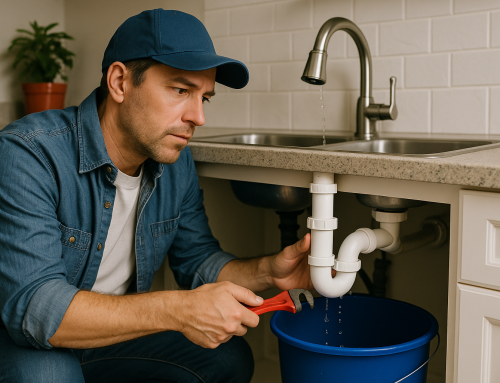
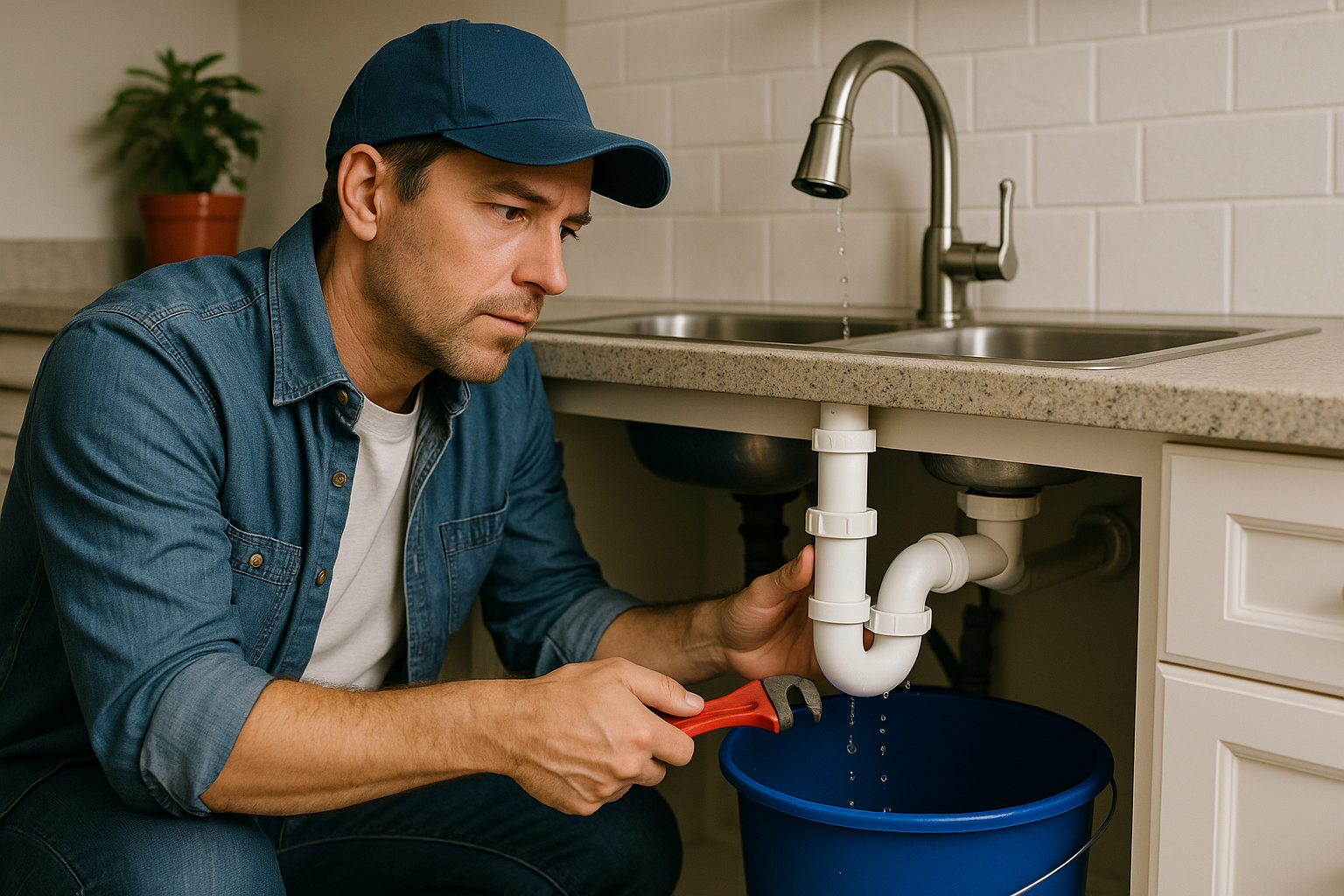
Changing fixture locations, reworking drain lines, or replacing major piping is not a simple DIY task. A licensed plumber can help ensure the work is safe, efficient, and code-compliant. Professional installation also reduces the chance of leaks and future repairs.
Working with the Right Plumbing Professional
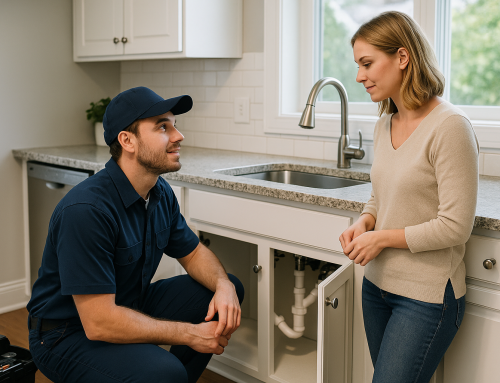
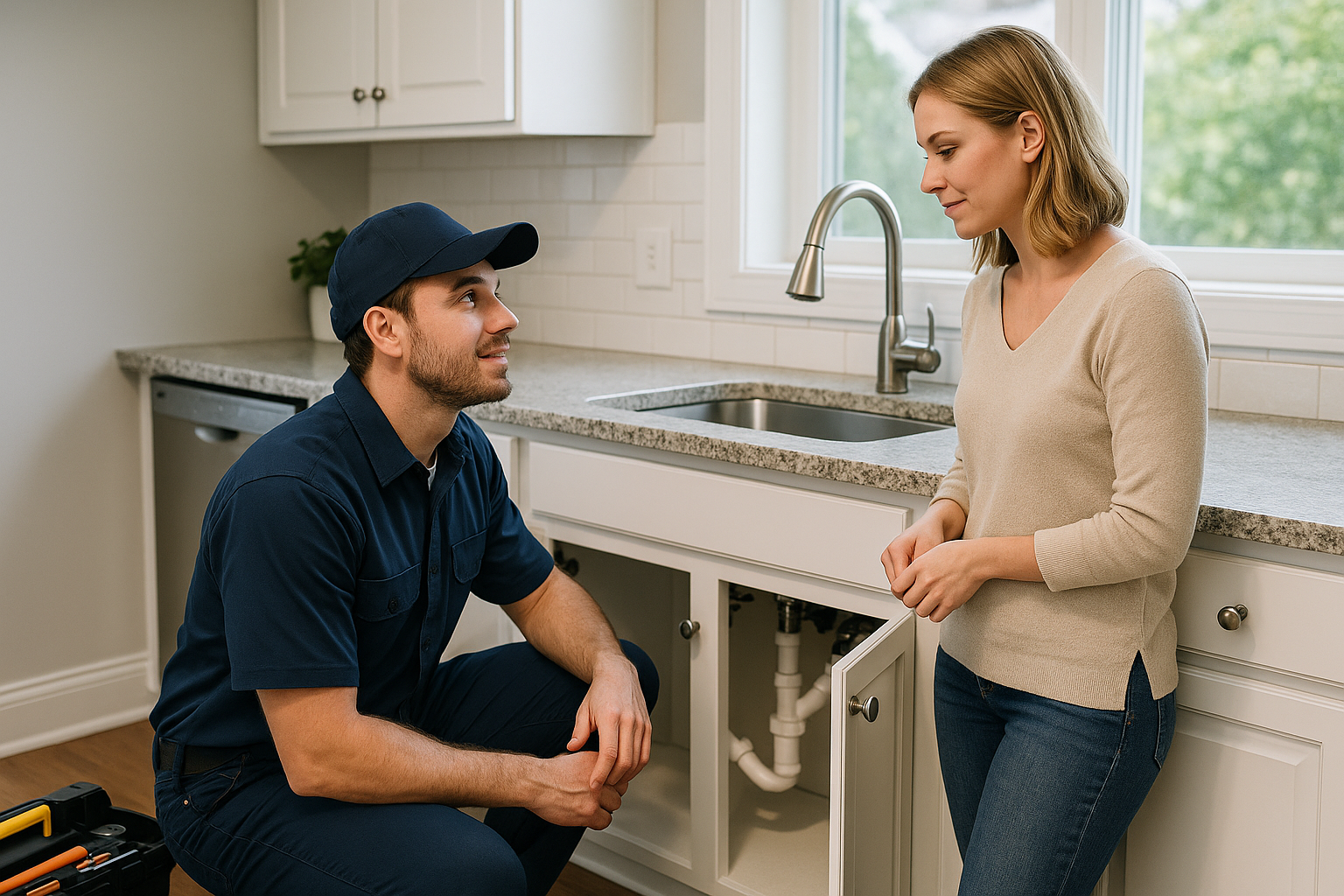
The best plumbing remodels start with a skilled professional who understands both renovation and system design. Look for experience with remodels similar to yours, strong reviews, proper licensing, and clear communication. A good plumber should be able to explain your options, answer questions, and help you make smart decisions for your home.
It also helps to coordinate the plumber with the contractor, electrician, and designer if your project involves multiple trades. Good communication keeps the timeline moving and reduces the risk of conflicts between systems behind the walls.
Conclusion
A plumbing remodel is more than a behind-the-scenes upgrade. It is an investment in comfort, efficiency, and peace of mind. With careful planning, the right fixtures, and experienced help, you can create a space that looks great and works reliably for years to come.