Bathroom plumbing is one of the most important systems in your home, even though it often goes unnoticed until something goes wrong. From sinks and toilets to showers and tubs, every fixture depends on a network of pipes, drains, valves, and vents working together. A well-designed bathroom plumbing system helps your home run efficiently, prevents leaks and water damage, and keeps daily routines smooth and sanitary.
What Bathroom Plumbing Includes
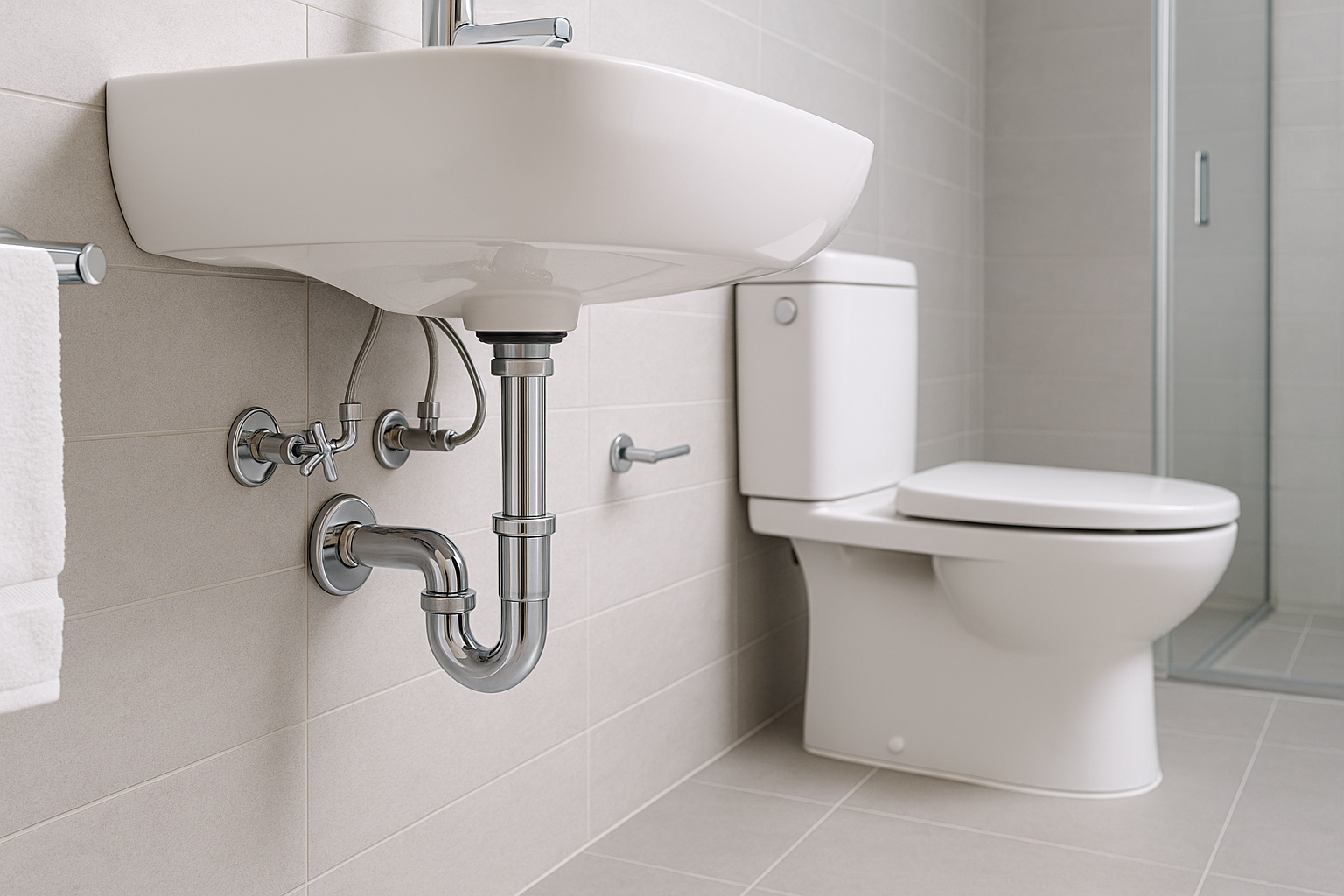
Bathroom plumbing covers all the components that bring fresh water into the bathroom and carry wastewater away. This includes supply lines, drain pipes, shutoff valves, traps, vents, and the fixtures themselves. Common bathroom fixtures include the toilet, sink, shower, bathtub, and sometimes a bidet or vanity with a built-in sink.
Each fixture has a specific role. Supply lines deliver hot and cold water to faucets and showerheads, while drain lines remove used water. Traps help block sewer gases from entering the room, and vent pipes keep air pressure balanced so drains flow properly. When every part is installed and maintained correctly, the system works quietly in the background.
How Bathroom Plumbing Works
Bathroom plumbing relies on two connected systems: water supply and drainage. Water enters the bathroom under pressure through pipes connected to your home’s main supply. When you turn on a faucet or flush a toilet, water is released to the fixture. After use, wastewater travels through drain pipes and out of the home.
Drainage is more than just gravity. Vents allow air to enter the plumbing system, which helps water move smoothly through the drains. Without proper venting, drains may gurgle, slow down, or back up. This balance between water flow and air flow is essential for a healthy bathroom plumbing system.
Bathroom Plumbing Layout Basics
In many homes, the toilet, sink, and shower share nearby drain and vent lines to reduce plumbing complexity. Bathrooms are often designed with fixtures close together for this reason. A compact layout can be cost-effective, but it must still meet code requirements and provide enough access for maintenance and repairs.
If you are remodeling a bathroom, the plumbing layout may affect the placement of each fixture. Moving a toilet or shower can require rerouting pipes, which can significantly increase project costs. Understanding the existing plumbing layout before starting a renovation can help you avoid surprises.
Common Bathroom Plumbing Problems
Even a well-built bathroom plumbing system can develop issues over time. Some of the most common problems include clogs, leaks, low water pressure, running toilets, and slow drains. Catching these problems early can prevent bigger repairs later.
Clogged Drains and Toilets
Bathroom drains often clog because of hair, soap residue, toothpaste, and hygiene products. Toilets may clog due to excess toilet paper or non-flushable items. A plunger may solve minor blockages, but recurring clogs can signal a deeper issue in the drain line or vent system.
Leaking Fixtures and Pipes
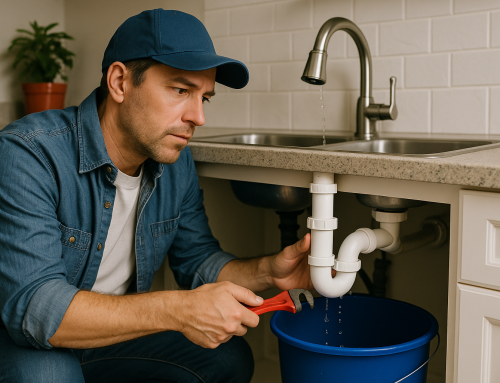
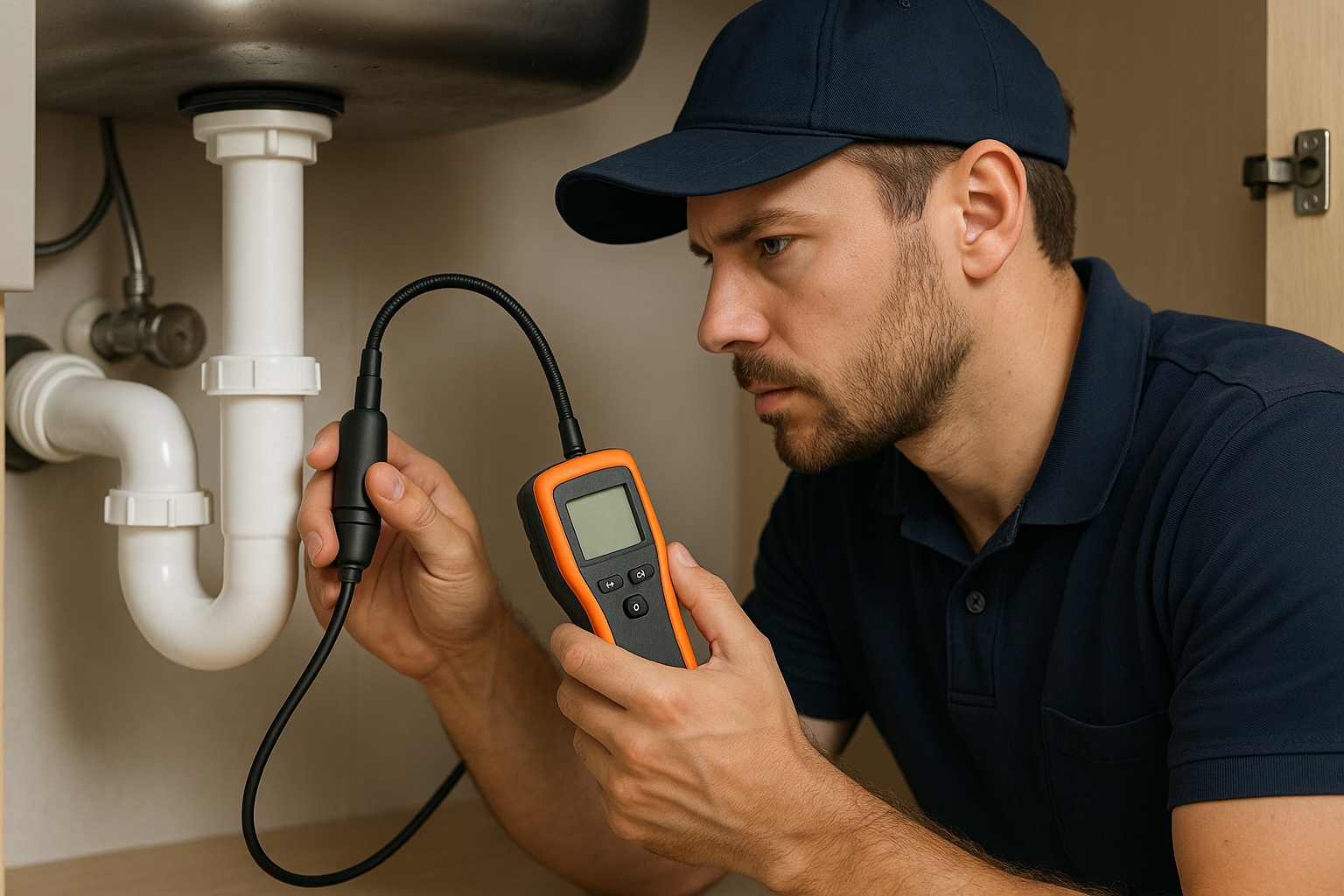
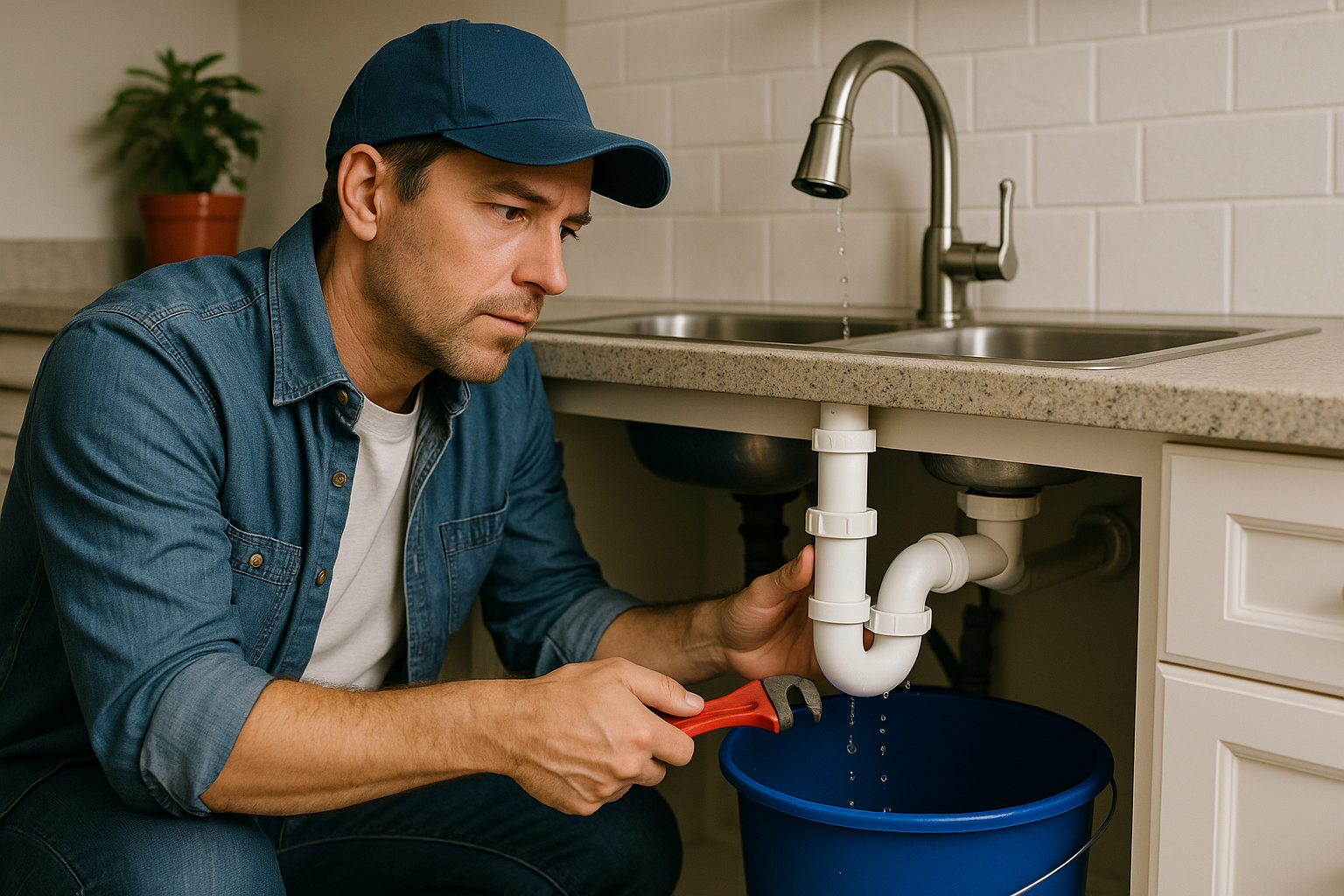
Leaks are another common concern. A dripping faucet may waste water and raise utility bills, while a leaking toilet seal can damage the floor beneath it. Hidden pipe leaks are even more serious because they can lead to mold, rot, and structural damage if left untreated. Any sign of moisture around fixtures, walls, or ceilings should be investigated promptly.
Low Water Pressure
Low water pressure in a bathroom can make showers weak and sinks frustrating to use. This issue may be caused by mineral buildup in fixtures, a partially closed shutoff valve, a leak in the line, or problems with the home’s plumbing system. Identifying the source is the first step toward restoring proper flow.
Bathroom Plumbing Maintenance Tips
Routine maintenance can extend the life of your bathroom plumbing and reduce the chance of emergency repairs. Simple habits make a big difference.
Start by checking for leaks around toilets, sinks, and tubs on a regular basis. Look for water stains, soft flooring, or musty odors, which can all point to hidden moisture. Clean faucet aerators and showerheads to remove mineral deposits and maintain good pressure. Avoid flushing wipes, cotton swabs, or feminine hygiene products unless they are specifically designed to be septic-safe and flushable.
It also helps to keep drains clear with periodic cleaning. Using a drain screen can catch hair before it enters the pipes. If you notice a slow drain, address it early rather than waiting for a full blockage. For homes with hard water, water-softening solutions may help reduce mineral buildup inside plumbing fixtures.
When to Call a Plumber
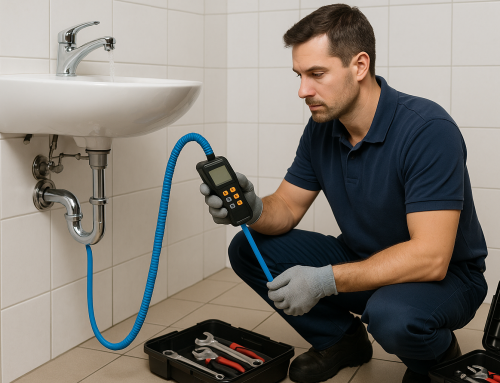
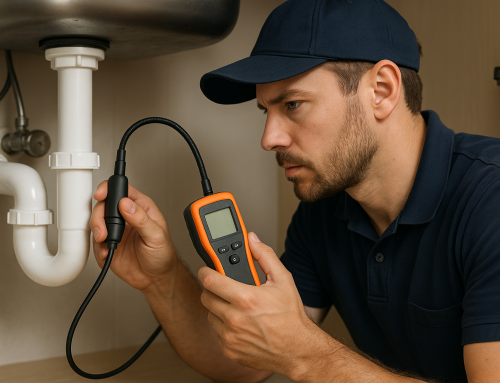
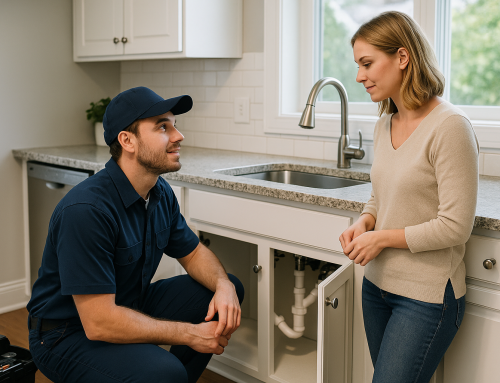
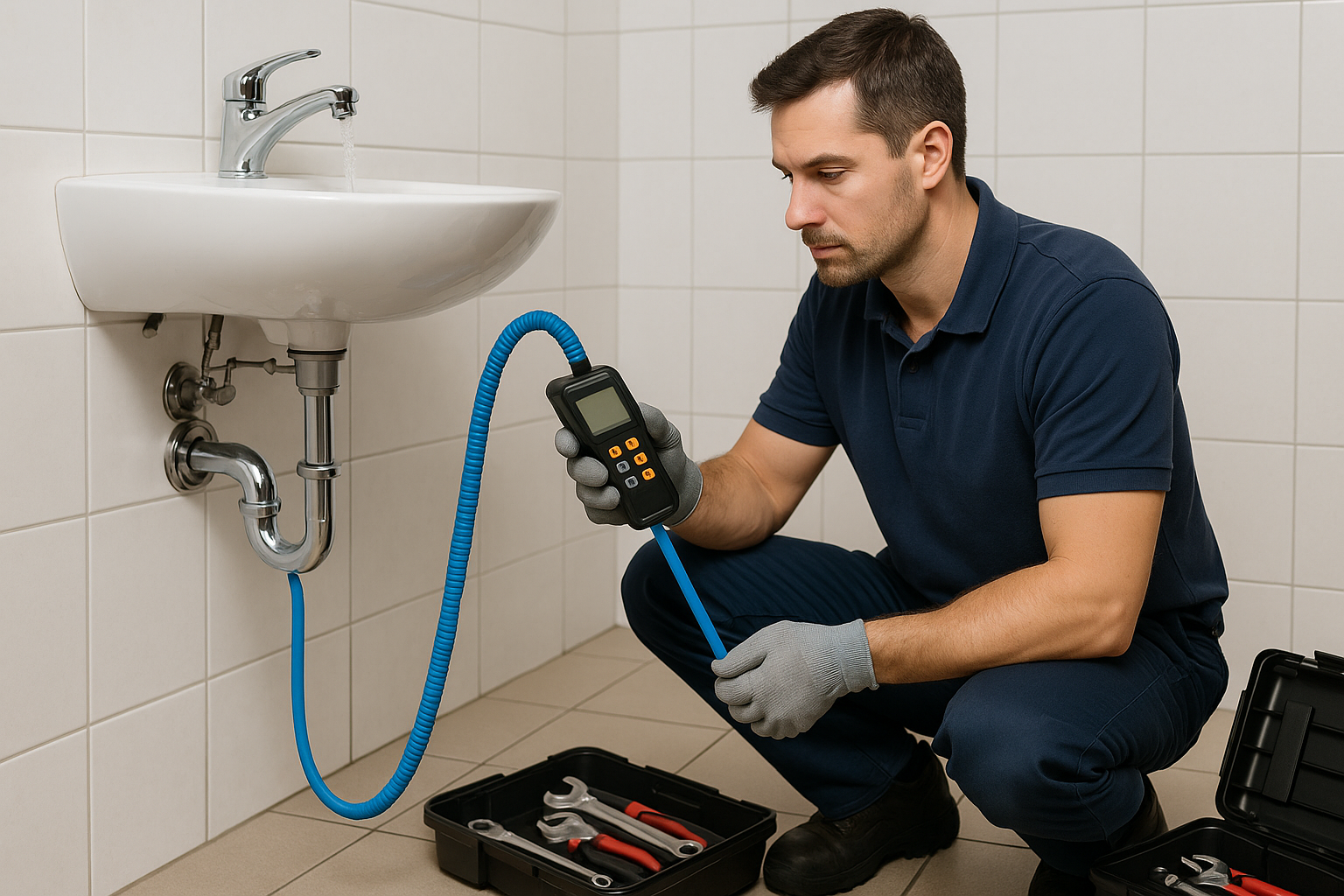
Some bathroom plumbing issues are simple enough for a homeowner to handle, but others require professional help. Call a plumber if you experience repeated clogs, persistent leaks, sewage odors, water stains, or sudden drops in water pressure. These symptoms may indicate problems inside the walls, under the floor, or in the main drain line.
You should also contact a plumber if you are remodeling and need to move fixtures, install new piping, or update old plumbing materials. A licensed professional can ensure the work meets local code and functions safely for years to come.
Bathroom Plumbing for Remodels and Upgrades
A bathroom remodel is a great time to improve plumbing performance. You may choose to upgrade to water-saving toilets, high-efficiency showerheads, modern faucets, or a deeper tub with improved drainage. These changes can enhance comfort while lowering water use.
If your home has older plumbing, replacing worn pipes or outdated shutoff valves during a renovation can prevent future problems. It is also smart to think about accessibility and convenience. For example, adding easy-access shutoffs, a larger vanity with proper clearances, or a walk-in shower can make the bathroom more practical for everyday use.
Conclusion
Bathroom plumbing is a vital part of your home’s comfort, hygiene, and efficiency. By understanding how the system works, watching for common problems, and keeping up with maintenance, you can avoid costly repairs and keep your bathroom running smoothly. Whether you are dealing with a small repair or planning a remodel, taking bathroom plumbing seriously is always a smart investment.