Hose Bib Repair: What It Is and Why It Matters
A hose bib, also called an outdoor faucet or spigot, is one of the most useful fixtures on your home. It provides water for watering lawns, washing cars, filling buckets, and connecting garden hoses. Because it is exposed to weather and used frequently, it can wear out over time. When that happens, hose bib repair becomes important to prevent wasted water, property damage, and higher utility bills.
Even a small drip can turn into a bigger issue if ignored. A leaking hose bib may waste gallons of water each day, and in colder climates, a damaged fixture can freeze and crack, leading to more expensive repairs. Understanding the basics of hose bib repair can help you spot problems early and decide whether it is a simple fix or a job for a plumber.
Common Signs Your Hose Bib Needs Repair
The most obvious sign of trouble is water leaking from the spout when the faucet is turned off. You may also notice water dripping from the handle, a loose handle that does not shut off properly, or water spraying from the connection where the hose attaches. In some cases, the hose bib may not produce strong water flow, which can point to mineral buildup or a damaged internal part.
If you see moisture on the exterior wall near the faucet, that is another warning sign. Water behind the wall can indicate a failed seal, a cracked pipe, or a freeze-damaged fixture. Pay attention to any rust, corrosion, or difficulty turning the handle, since those are all clues that repair may be needed soon.
Common Hose Bib Problems
Leaks at the Handle or Spout
Leaks at the handle are often caused by worn packing nuts, deteriorated washers, or failing O-rings. A leak from the spout usually points to an internal washer or valve seat issue. These are common repairs and may be manageable without replacing the entire fixture.
Frozen or Cracked Hose Bibs
In winter, water left inside the hose bib can freeze and expand, causing cracks in the body or connected pipe. A cracked hose bib usually cannot be patched effectively and often needs replacement. If your hose bib is frost-free, it still must be drained properly before temperatures drop.
Corrosion and Mineral Buildup
Outdoor faucets are exposed to moisture, dirt, and hard water. Over time, corrosion can damage threads, handles, and internal parts. Mineral buildup can also reduce water flow and make the faucet harder to turn. Cleaning or replacing affected parts may restore function.
Tools and Materials You May Need
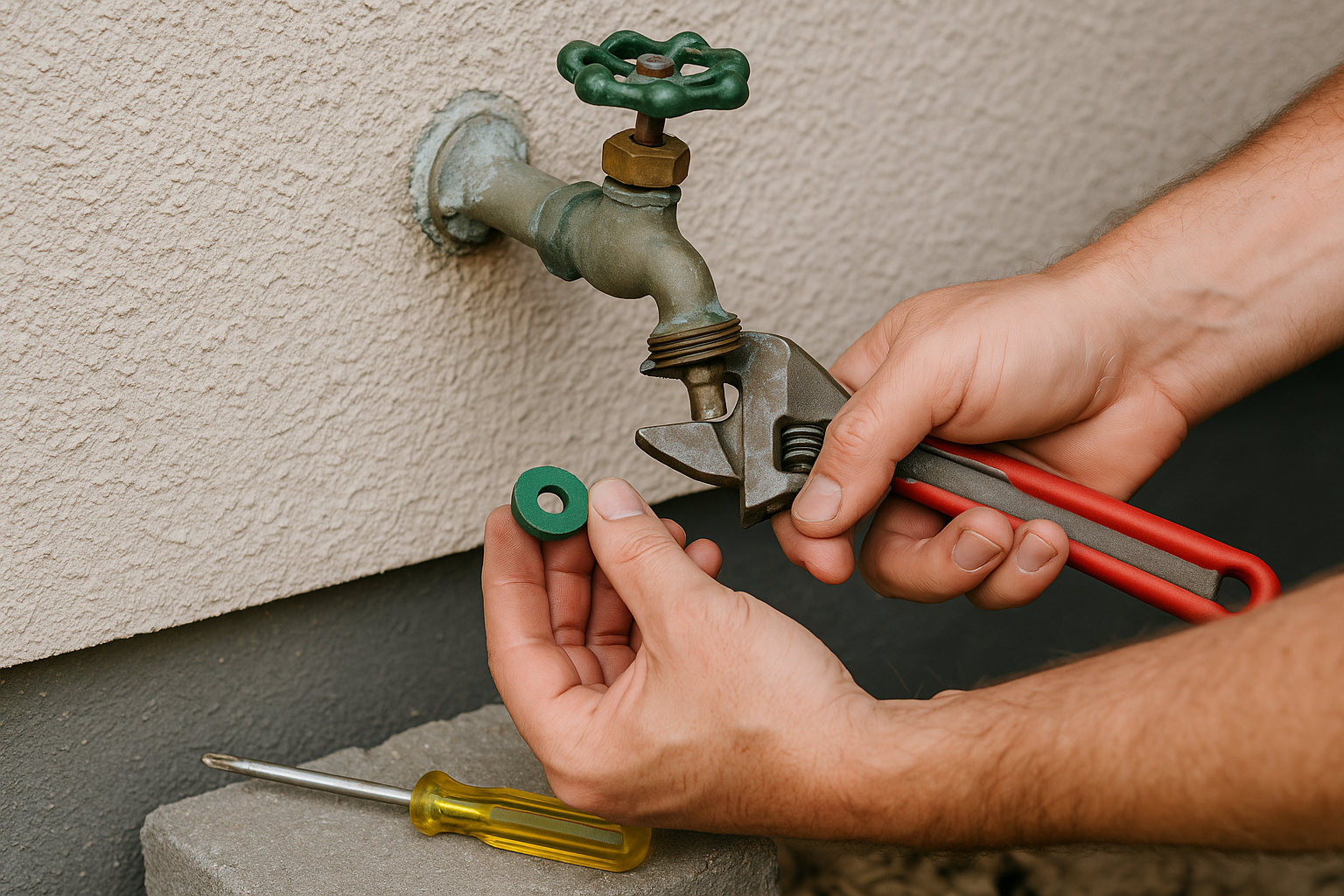
Before starting hose bib repair, gather the right tools. Common items include an adjustable wrench, screwdriver, plumber’s tape, replacement washers, O-rings, and a new packing nut if needed. For more advanced repairs, you may need pipe joint compound, a socket set, or a replacement hose bib assembly.
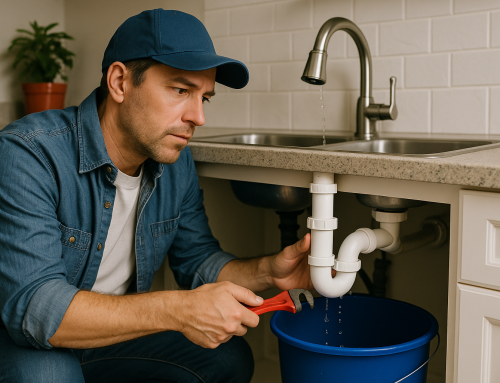
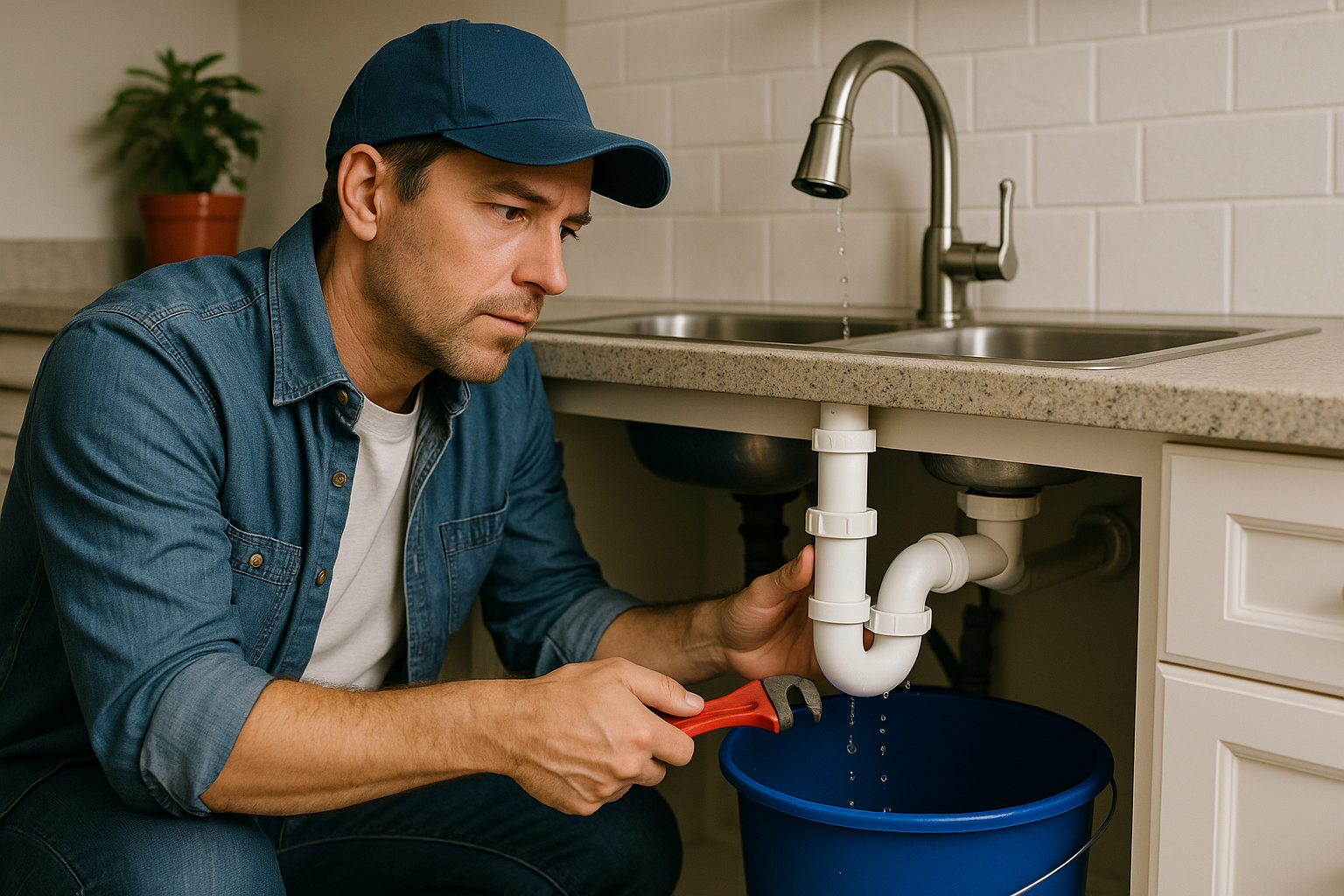
It is also helpful to have a bucket or towel nearby to catch residual water. If you are replacing the entire fixture, make sure you know whether the hose bib is threaded, soldered, or connected with a compression fitting. Having the correct replacement part saves time and helps avoid mistakes.
How Hose Bib Repair Is Typically Done
Start by shutting off the water supply to the hose bib if possible. In many homes, there is an interior shutoff valve for outdoor faucets. Once the water is off, open the hose bib to release any remaining pressure. If a hose is attached, remove it before beginning the repair.
For a leak at the handle, tighten the packing nut slightly. If that does not help, you may need to disassemble the handle and replace the washer or O-ring inside. For a leak from the spout, remove the stem and inspect the washer at the end. Worn washers are inexpensive and often solve the problem.
If the hose bib is damaged beyond repair, replacement may be the best option. This usually involves disconnecting the old fixture, installing a new one, and sealing the connection properly. In some cases, especially when the pipe is behind a wall or soldering is required, a professional plumber is the safest choice.
When to Repair and When to Replace
Not every hose bib can be fixed with a simple part replacement. If the body is cracked, the threads are stripped, or the fixture leaks from multiple places, replacement is often the smarter long-term solution. Older hose bibs may also be less efficient or more prone to recurring leaks, which can make repeated repairs frustrating and costly.
A good rule of thumb is to repair minor issues and replace major ones. If the faucet is relatively new and the problem appears to be a washer, seal, or loose connection, repair is usually worthwhile. If the damage is structural, severe, or related to freeze damage, replacement is typically the better investment.
Preventing Future Hose Bib Problems
Regular maintenance can extend the life of your hose bib. Disconnect garden hoses before winter so water does not remain trapped inside the fixture. If you have a shutoff valve for the outdoor line, turn it off before freezing weather and drain the line completely. This is one of the best ways to prevent burst pipes and cracked hose bibs.
Check your hose bibs at least a few times each year for leaks, rust, and loose handles. Replacing worn washers early can keep small issues from becoming large repairs. You may also want to install insulated faucet covers in colder climates for added protection during winter.
When to Call a Plumber
Some hose bib repairs are straightforward, but others require professional help. Call a plumber if the faucet is leaking inside the wall, if you suspect a broken pipe, or if the fixture is soldered and you do not have the tools or experience to work on it safely. A plumber can also diagnose hidden water damage and recommend the best repair or replacement option.
If the hose bib is connected to older plumbing, extra caution is wise. Older pipes may be fragile, and forcing a repair could create a bigger problem. When in doubt, professional service can save time and protect your home from water damage.
Conclusion
Hose bib repair is an important part of home maintenance that can prevent waste, reduce damage, and keep your outdoor water supply working properly. By spotting leaks early, using the right parts, and knowing when to replace instead of repair, you can handle many common issues with confidence. For larger or hidden problems, a plumber can help ensure the job is done right.