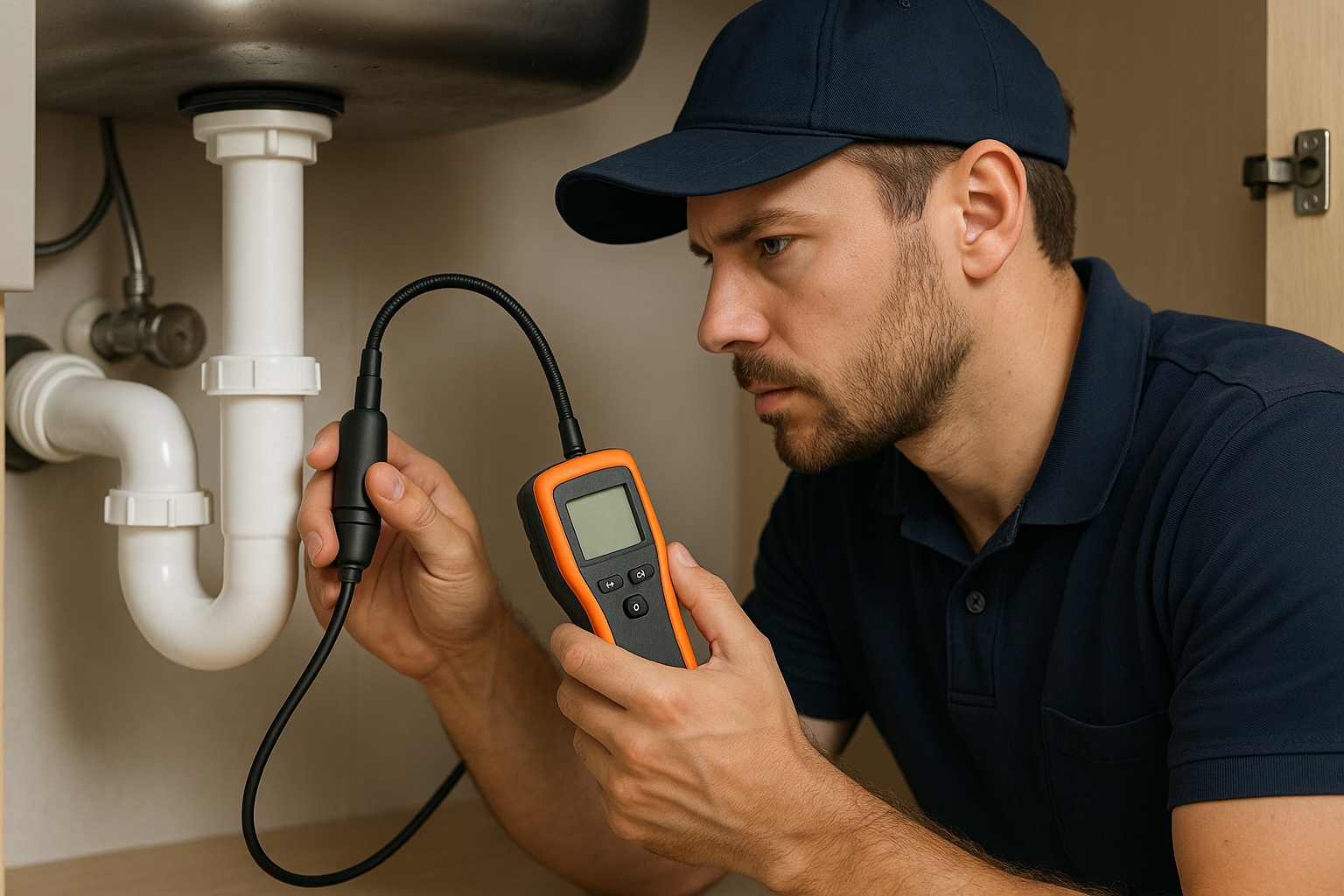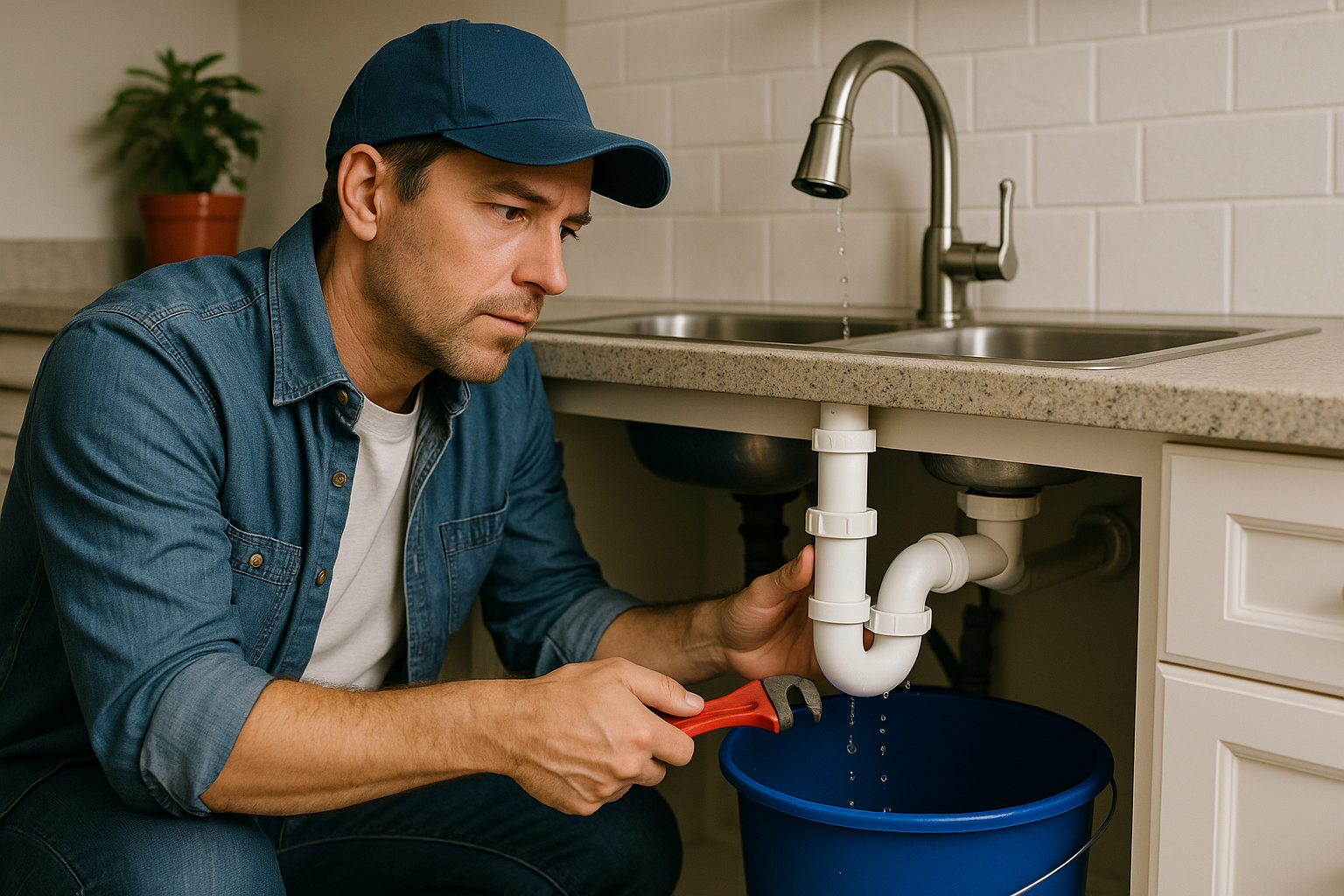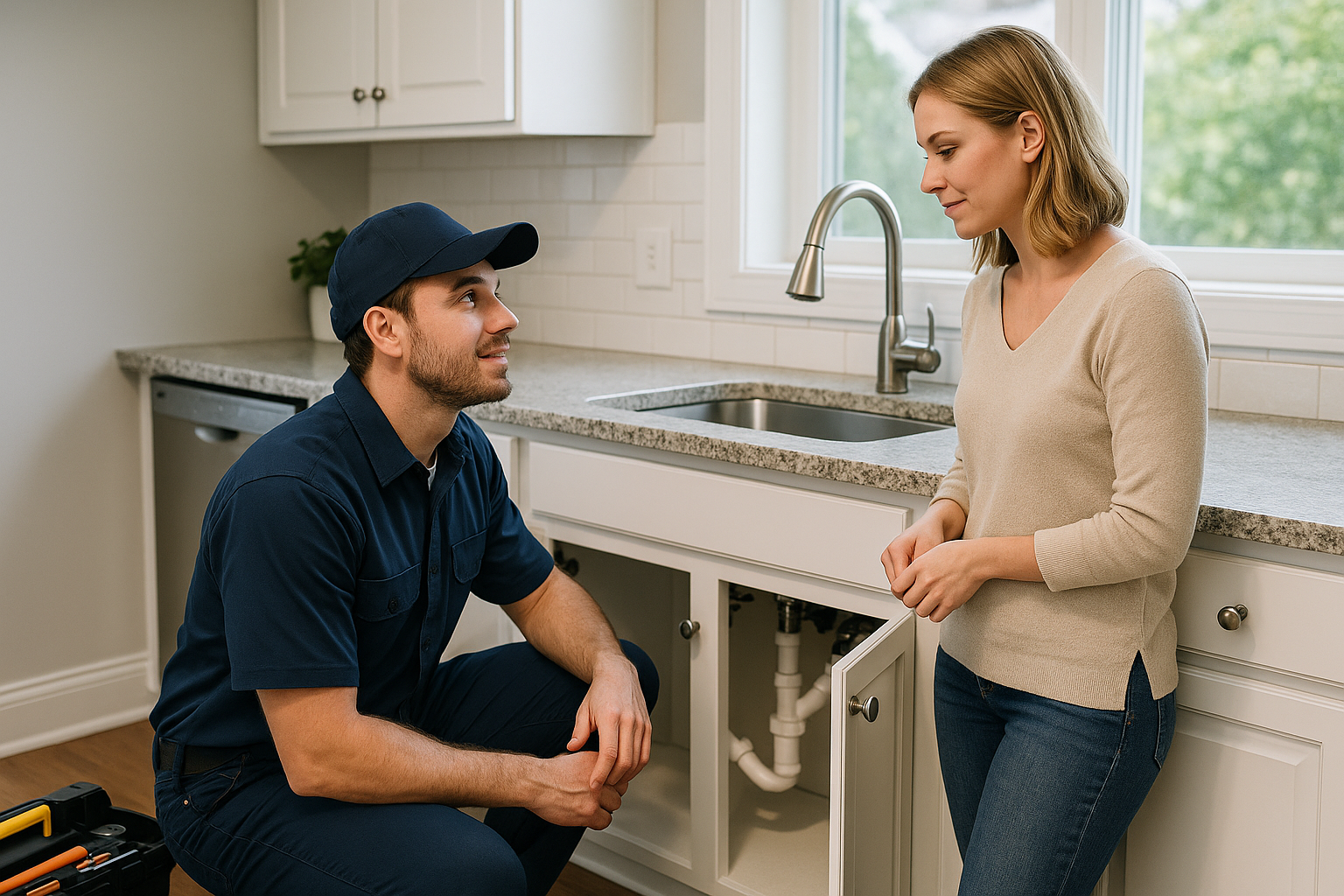
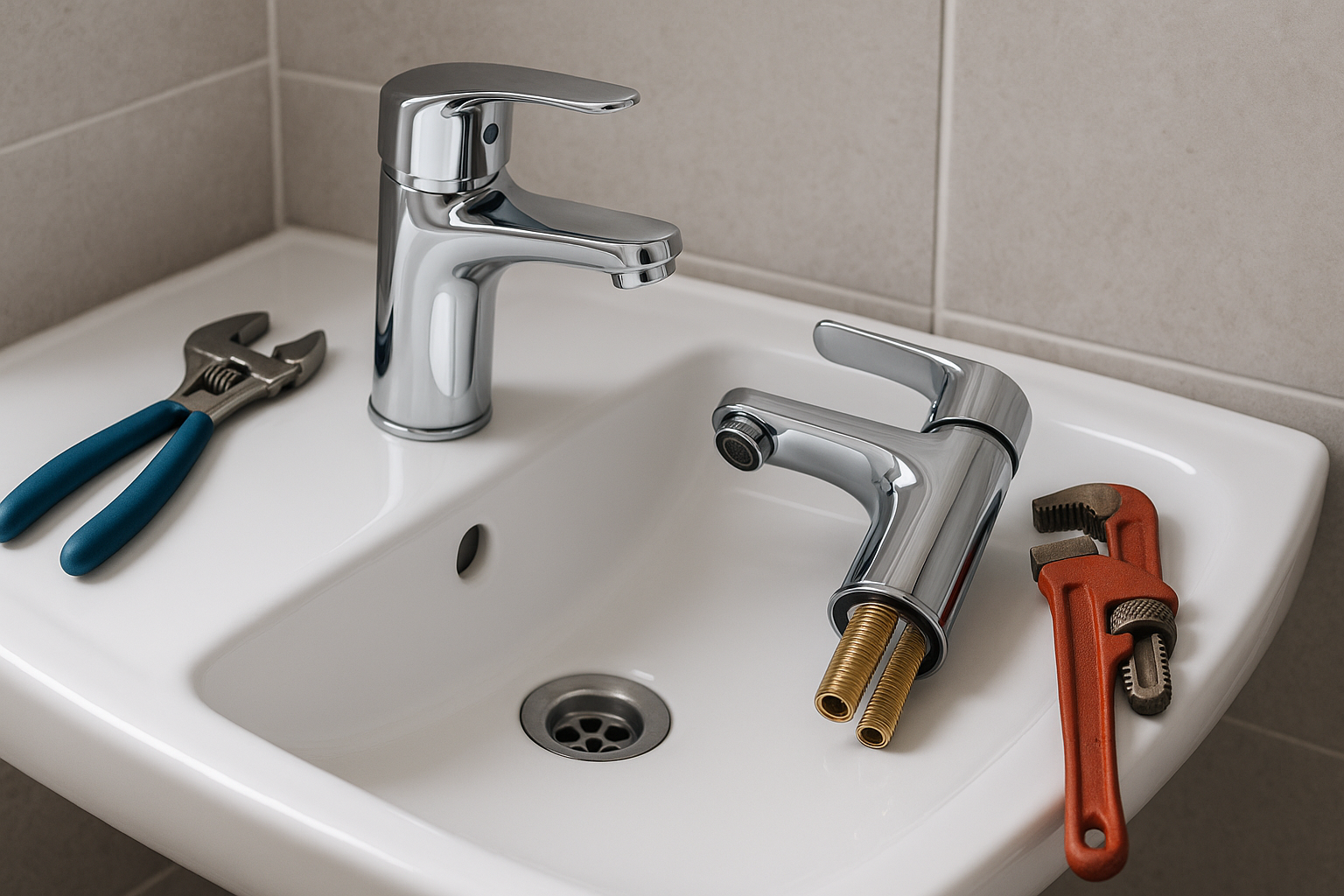
Plumbing fixtures do more than deliver water and remove waste. They affect daily comfort, water efficiency, home value, and even the appearance of your kitchen or bathroom. When a faucet starts leaking, a toilet runs constantly, or an old shower feels outdated and inefficient, plumbing fixture replacement can be a practical and worthwhile upgrade.
Replacing fixtures is often one of the fastest ways to improve both function and style in a home. Whether you are dealing with wear and tear, water-saving goals, or a remodel, understanding the process can help you make smart choices and avoid surprises.
Why Replace Plumbing Fixtures?
There are several good reasons to replace plumbing fixtures. Some are obvious, such as visible damage or persistent leaks. Others are more about long-term performance and comfort. Older fixtures may waste water, stain easily, or fail to match the look of an updated home.
Common reasons for plumbing fixture replacement include:
- Leaks or dripping that continue after repairs
- Low water pressure caused by buildup or internal wear
- Rust, corrosion, chips, or cracks
- Outdated style or poor match with new finishes
- Desire for better water efficiency
- Frequent clogs, running toilets, or weak performance
In many cases, replacing a fixture is more cost-effective than repeatedly repairing an old one. It can also help reduce monthly water bills and prevent water damage caused by hidden leaks.
Signs It’s Time for a Replacement
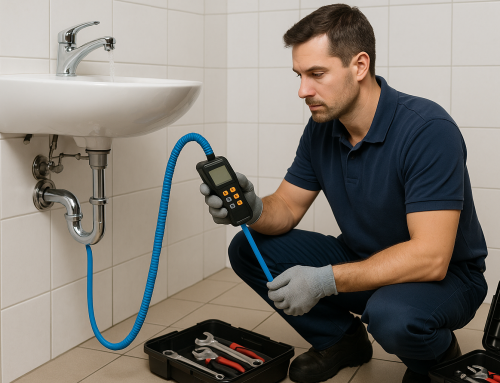
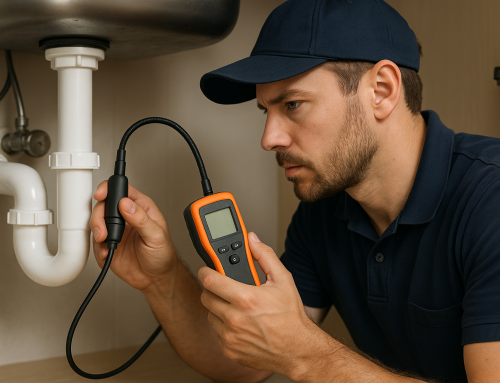
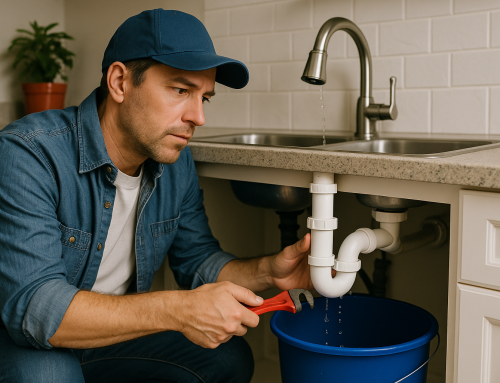
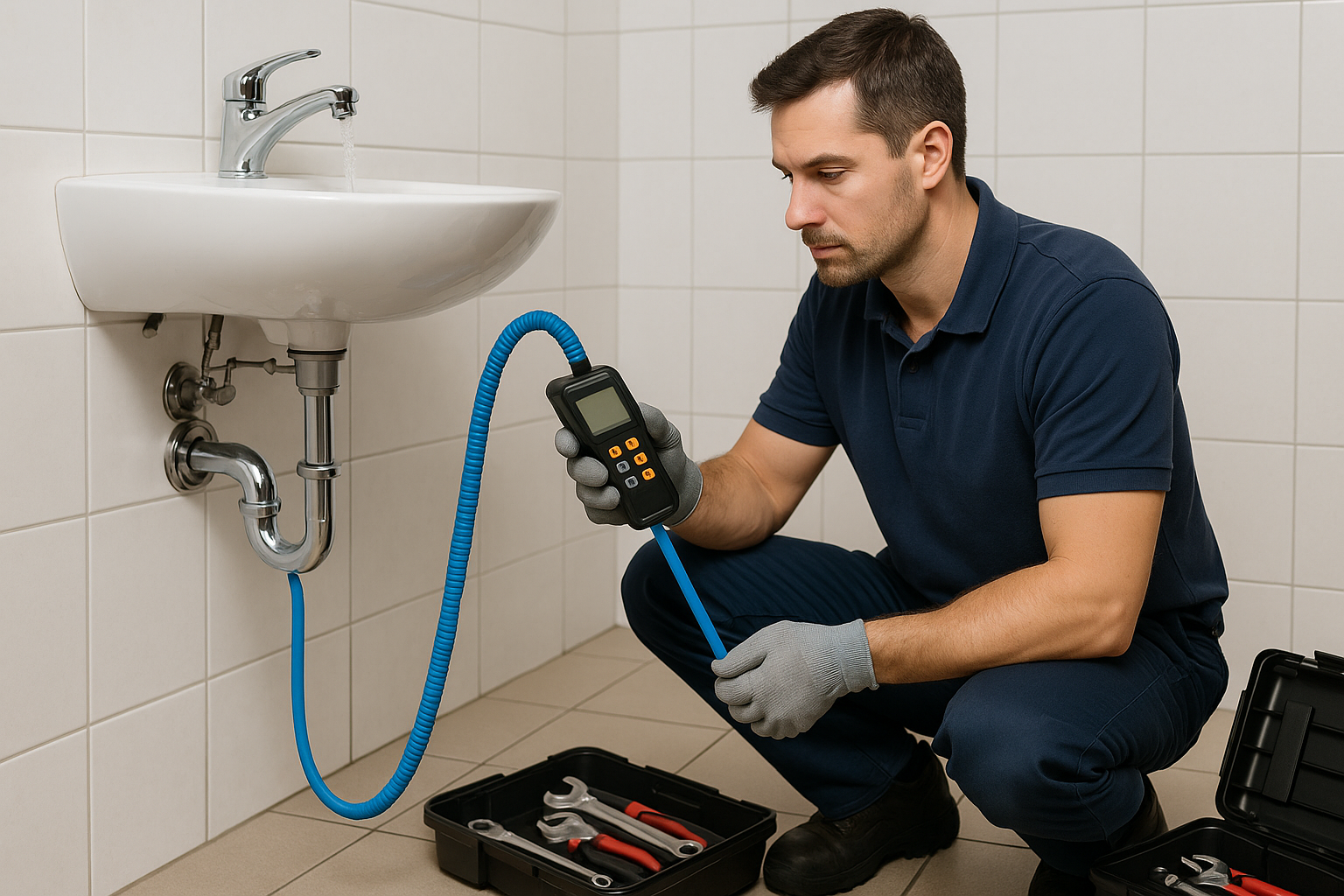
Not every plumbing issue means the entire fixture must be replaced, but some warning signs indicate replacement is the better option. A faucet that still leaks after new washers or cartridges are installed may have worn internal components. A toilet that constantly runs or rocks at the base may be nearing the end of its useful life. Shower valves that are hard to adjust or no longer mix hot and cold water properly can also point to deeper problems.
Look for these signs:
- Visible rust or mineral buildup
- Repeated leaks from the same fixture
- Difficulty turning handles or valves
- Gurgling, inconsistent flow, or weak flushing
- Water spots, mold, or damage around the fixture
- Parts that are obsolete or difficult to find
If several of these issues are happening at once, it is usually a strong sign that a replacement will provide better value than another repair.
Common Fixtures That Get Replaced
Plumbing fixture replacement can involve many different components throughout the home. The most common projects include kitchen faucets, bathroom faucets, toilets, showerheads, tub faucets, and sink drains. Homeowners may also replace laundry room utility sinks, bidets, hose bibs, or specialty fixtures in basements and outdoor areas.
Faucets
Faucets are among the most frequently replaced fixtures because they are used every day and exposed to constant wear. A new faucet can instantly improve the look of a kitchen or bathroom while offering better flow control and water efficiency.
Toilets
Modern toilets use significantly less water than older models. Replacing an aging toilet can reduce utility costs, improve flushing power, and solve common issues like leaks at the tank or base.
Showers and Tubs
Showerheads, valves, and tub fixtures are often upgraded during bathroom renovations. These updates can improve water pressure, temperature control, and the overall shower experience.
Benefits of Upgrading Fixtures
Replacing plumbing fixtures offers more than just a fresh appearance. New fixtures often perform better, are easier to clean, and include features designed for efficiency and convenience. Many modern options are made with durable finishes that resist spotting and corrosion, which helps them look good for longer.
Some key benefits include:
- Improved water efficiency and lower bills
- Better reliability and fewer leaks
- Enhanced home appearance and resale appeal
- More comfortable daily use
- Compatibility with current plumbing standards
For homeowners planning to sell, updated fixtures can make a home feel cleaner, newer, and better maintained without the expense of a full remodel.
What to Consider Before Replacement
Before selecting new fixtures, it is important to consider size, compatibility, budget, and long-term maintenance. Not every attractive fixture will fit an existing sink, countertop, or plumbing setup. Taking measurements and checking connection types can prevent costly delays.
Important factors to review:
- Mounting style and hole configuration
- Water-saving features and flow ratings
- Finish quality and durability
- Ease of cleaning and maintenance
- Compatibility with existing shutoff valves and supply lines
It is also helpful to think about how the fixture will be used. A family bathroom may need a different style and durability level than a guest bath or powder room. The right choice should balance appearance, performance, and practicality.
Should You DIY or Hire a Professional?
Some fixture replacements are simple enough for experienced DIYers, such as swapping out a basic faucet or showerhead. However, more complex jobs can involve hidden leaks, tight spaces, old shutoff valves, or code-related concerns. Toilets, tub fixtures, and shower valve replacements often require more skill and the right tools to do correctly.
Hiring a professional plumber can save time and help avoid problems like cross-threaded connections, leaks, and water damage. A professional can also inspect surrounding pipes and recommend whether additional repairs are needed before installing a new fixture.
If a fixture is connected to older plumbing, shutoff valves are stuck, or there are signs of corrosion, professional help is usually the safest choice.
What to Expect During the Replacement Process
While every job is different, most plumbing fixture replacement projects follow a similar process. First, the water supply is turned off. The old fixture is then disconnected and removed carefully to avoid damaging surrounding surfaces. Next, the area is cleaned and inspected for leaks, corrosion, or structural issues.
After that, the new fixture is installed, sealed, and connected to the water supply. Once the water is turned back on, the fixture is tested for proper operation and checked for leaks. If everything is working as expected, the final step is cleanup and a review of care instructions.
For straightforward replacements, the process may take only a short time. More complicated projects, especially those involving older plumbing or custom installations, can take longer.
Conclusion
Plumbing fixture replacement is a smart way to improve your home’s comfort, appearance, and efficiency. Whether you are addressing a problem fixture or planning an upgrade, the right replacement can provide lasting value. By watching for warning signs, choosing compatible products, and knowing when to call a professional, you can make the process smooth and worthwhile.