Kitchen Plumbing: The Basics Every Homeowner Should Know
Kitchen plumbing plays a major role in keeping your home functional, comfortable, and sanitary. From the sink and faucet to the garbage disposal and dishwasher, several connected fixtures work together every day to bring in clean water and carry wastewater away. Because the kitchen is one of the busiest spaces in the house, even a small plumbing issue can quickly become a major inconvenience.
Understanding how kitchen plumbing works can help you catch problems early, avoid expensive repairs, and make smarter choices when it’s time to upgrade. Whether you are dealing with a slow drain, a leaking faucet, or planning a kitchen remodel, knowing the basics can save time, money, and stress.
How Kitchen Plumbing Works
Kitchen plumbing is made up of two main systems: the supply lines and the drainage system. Supply lines bring clean water to your faucet, dishwasher, refrigerator, and other fixtures. Drain lines then remove used water and direct it safely into your home’s sewer or septic system.
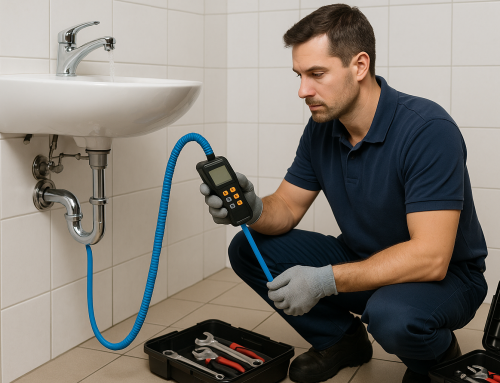
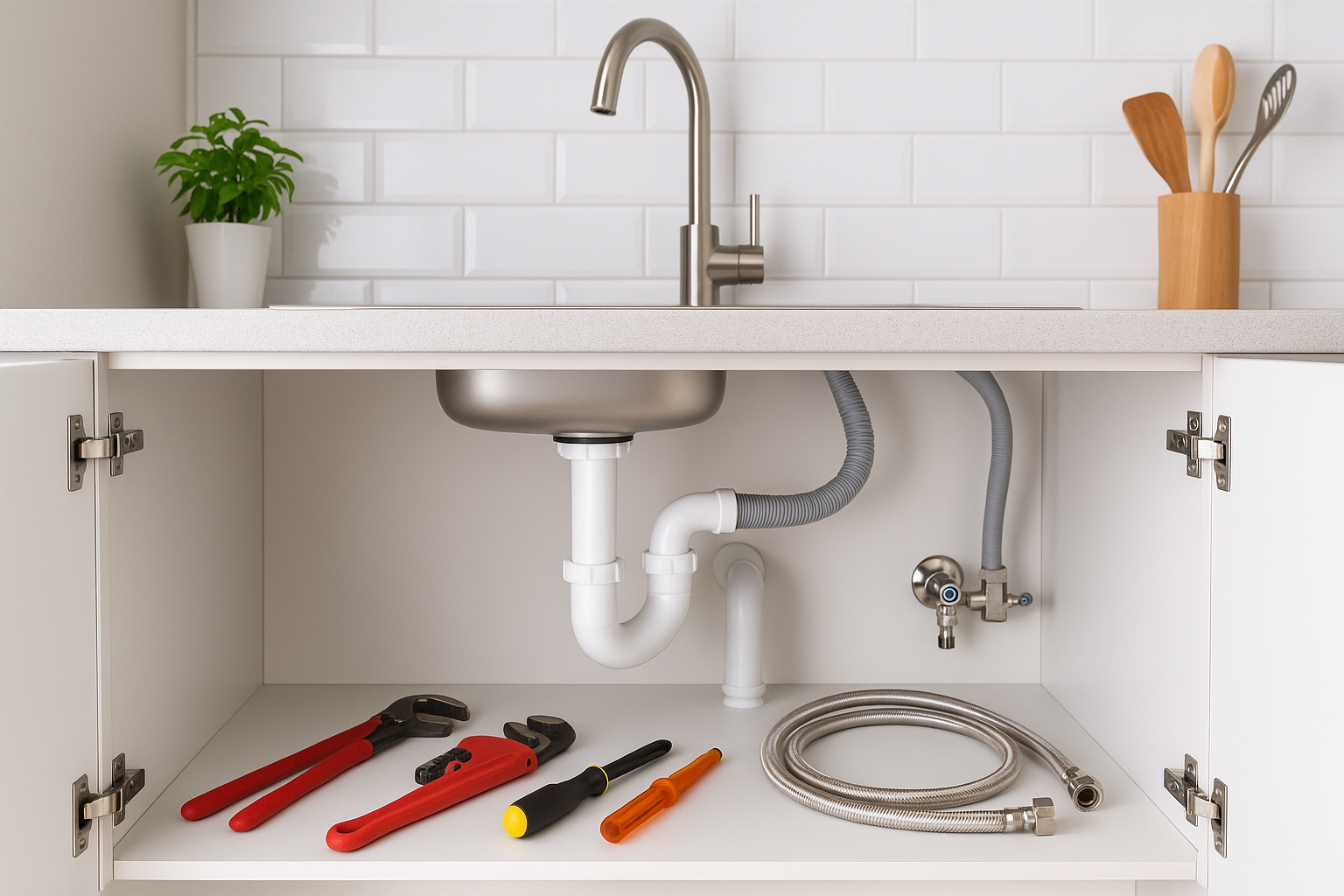
The sink is usually the center of the kitchen plumbing setup. Under the sink, you may find shutoff valves, flexible supply tubes, a P-trap, drainpipes, a dishwasher connection, and sometimes a garbage disposal. Each part has a purpose, and when one piece fails, it can affect the entire system.
Because the kitchen handles both water and food waste, it is especially vulnerable to clogs, buildup, and leaks. Regular care helps keep these components working smoothly.
Common Kitchen Plumbing Problems
1. Clogged Drains
One of the most common kitchen plumbing issues is a clogged sink drain. Grease, food scraps, coffee grounds, soap residue, and pasta or rice can build up over time and block the pipe. Even if food appears to wash away easily, it can still collect inside the drain and create a stubborn obstruction.
Slow drainage, gurgling sounds, and standing water are common signs of a clog. In many cases, a plunger or drain snake can help clear the problem, but repeated clogs may point to a deeper issue in the line.
2. Leaky Faucets
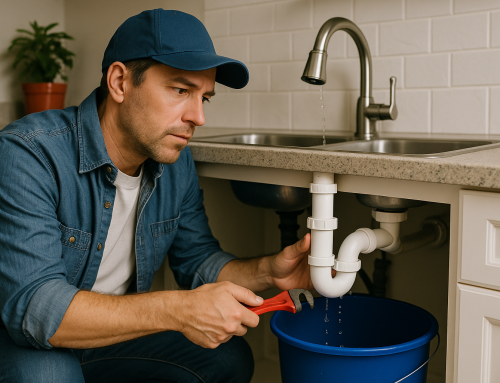
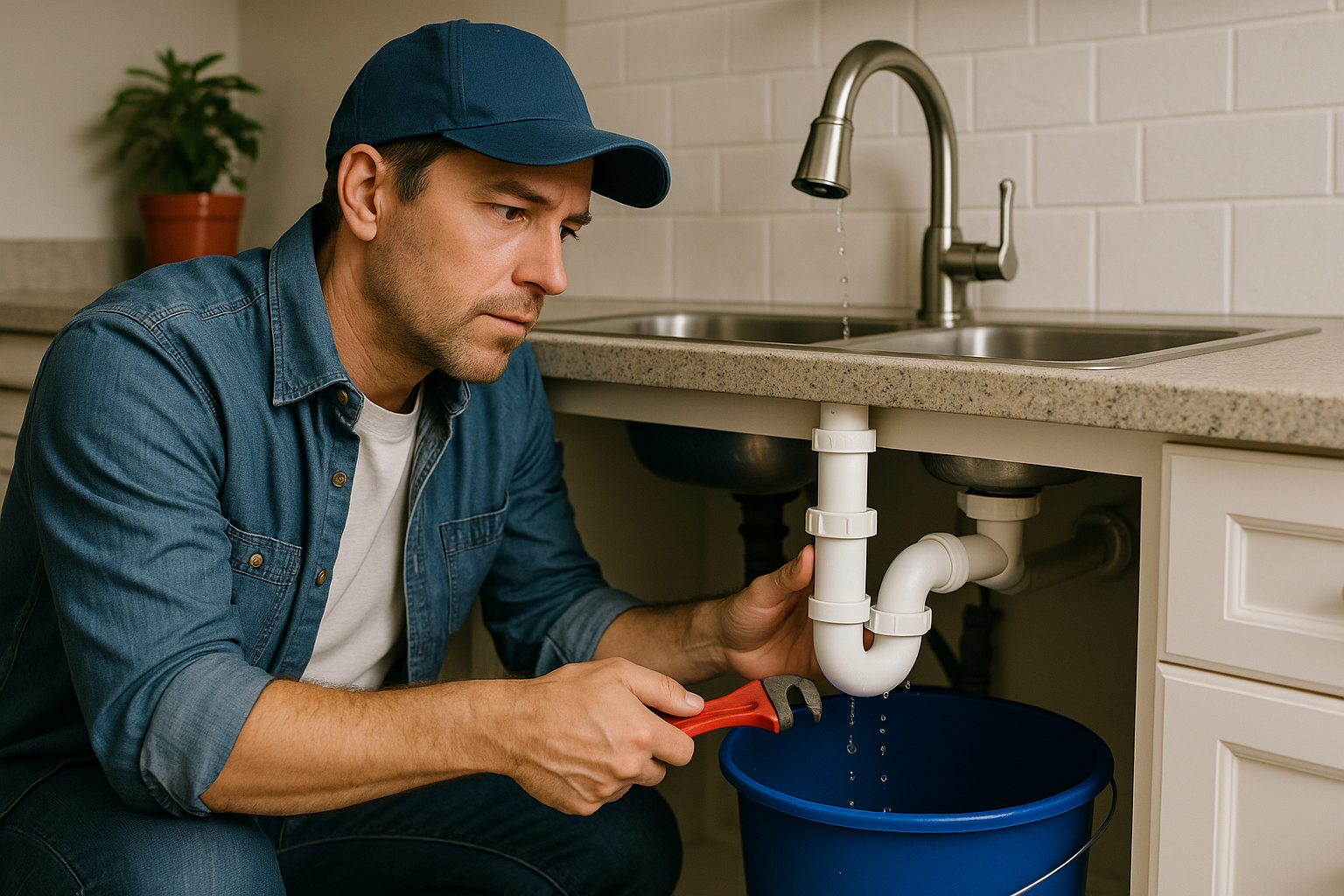
A dripping faucet may seem minor, but it can waste a surprising amount of water and increase your utility bill. Leaks are often caused by worn washers, damaged cartridges, loose connections, or corrosion inside the faucet assembly. If the leak is coming from the base of the faucet or handles, it may also indicate a faulty seal.
Repairing a faucet early can prevent water damage to the sink cabinet and help preserve the lifespan of the fixture.
3. Garbage Disposal Issues
If your kitchen has a garbage disposal, it can be a helpful tool for handling small food scraps. However, it is not designed to process everything. Fibrous vegetables, bones, grease, and starchy foods can jam or damage the unit. A humming sound without grinding usually means the disposal is stuck or has an electrical issue.
Always turn off power before troubleshooting a disposal. If resetting the unit does not solve the problem, professional help may be needed.
4. Dishwasher Drain Problems
A dishwasher that won’t drain properly can create water backups, unpleasant odors, and poor cleaning performance. Often, the issue is linked to a clogged filter, blocked drain hose, or problem with the air gap or garbage disposal connection. Since dishwashers rely on proper drainage to function efficiently, even a small blockage can cause noticeable problems.
5. Low Water Pressure
Low water pressure at the kitchen faucet can make simple tasks frustrating. It may be caused by mineral buildup in the aerator, a partially closed shutoff valve, a leak in the supply line, or an issue with the main water line. If the problem affects only one fixture, the solution is often simple. If the entire home has low pressure, a larger plumbing issue may be involved.
Preventive Maintenance Tips for Kitchen Plumbing
Good maintenance is the easiest way to avoid plumbing headaches. A few simple habits can keep your kitchen plumbing in better shape and help your fixtures last longer.
Avoid pouring grease down the drain. Grease may go down as a liquid, but it hardens inside pipes and traps debris. Instead, let it cool and dispose of it in a sealed container.
Use a drain strainer. A sink strainer catches food particles before they enter the drain. This small tool can prevent many common clogs.
Run hot water after use. Flushing the drain with hot water after washing dishes can help reduce buildup, especially when paired with proper grease disposal habits.
Clean the faucet aerator. If water flow seems weak, unscrew the aerator and rinse away sediment or mineral deposits.
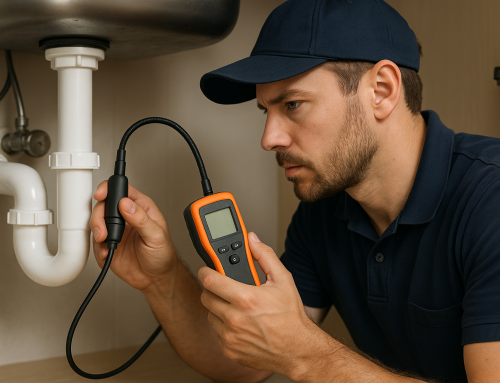
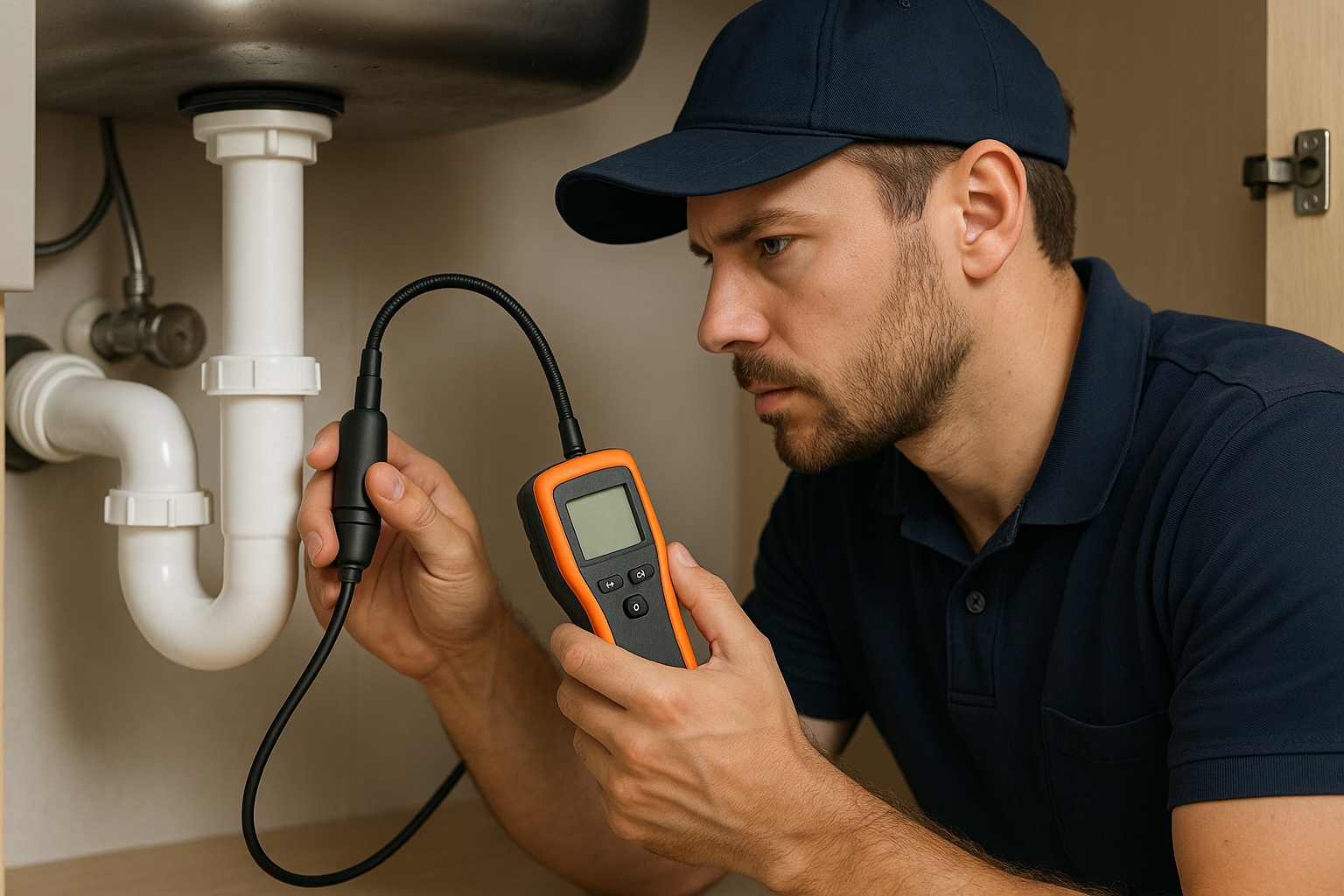
Inspect under the sink regularly. Look for moisture, corrosion, mold, or loose connections. Catching small leaks early can prevent cabinet damage and costly repairs.
Maintain the garbage disposal properly. Run cold water while the disposal is operating, and avoid overloading it with large amounts of food waste. Grinding a few ice cubes occasionally can help keep the unit cleaner.
When to Repair and When to Replace
Not every plumbing issue requires a full replacement. In many cases, a simple repair is enough. A leaking faucet may only need a new washer or cartridge, and a clogged drain may be cleared without touching the pipes.
Replacement becomes a better option when repairs are frequent, parts are outdated, or fixtures are no longer efficient. For example, an aging faucet with constant leaks may cost more to maintain than to replace. The same is true for a garbage disposal that jams often or a dishwasher connection that repeatedly causes drain issues.
If your kitchen is undergoing a remodel, it is also a good time to update plumbing components. New fixtures can improve performance, reduce water usage, and add value to your home.
Signs You Need a Professional Plumber
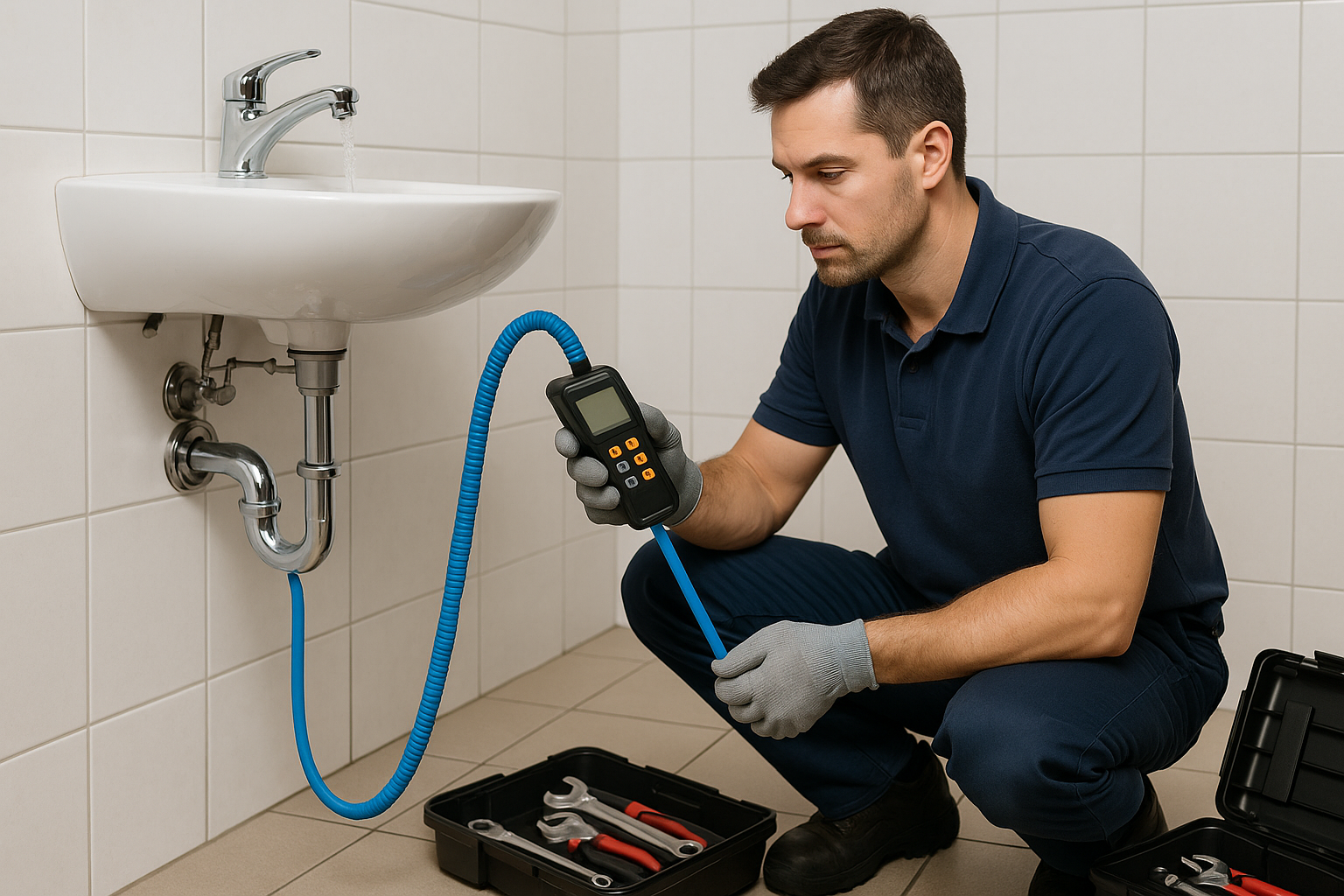
While some kitchen plumbing tasks are manageable for homeowners, others require professional expertise. Call a plumber if you notice recurring clogs, persistent leaks, water damage under the sink, sewage odors, or low water pressure throughout the house.
You should also seek help if a drain snake or plunger does not clear the blockage, if your disposal sparks or trips the breaker, or if plumbing work involves replacing supply lines, modifying drain connections, or rerouting pipes. A licensed plumber can diagnose the issue safely and make sure repairs meet code requirements.
Conclusion
Kitchen plumbing is essential to everyday life, but it often goes unnoticed until something goes wrong. By understanding the basics, watching for warning signs, and following simple maintenance habits, you can prevent many common problems and keep your kitchen running smoothly. When issues become too complex to handle on your own, calling a professional is the smartest way to protect your home and your peace of mind.