Introduction
A plumbing inspection is one of the smartest ways to protect your home from costly water damage, hidden leaks, and unexpected repairs. Many plumbing problems start small and stay out of sight until they become much more expensive to fix. A professional inspection helps catch those issues early, giving you a clear picture of your system’s condition and what may need attention soon.
Whether you are buying a new home, preparing for seasonal maintenance, or simply want peace of mind, a plumbing inspection can help you avoid surprises. It also supports better water efficiency, healthier indoor air, and a longer life for your pipes, fixtures, and appliances.
What Is a Plumbing Inspection?
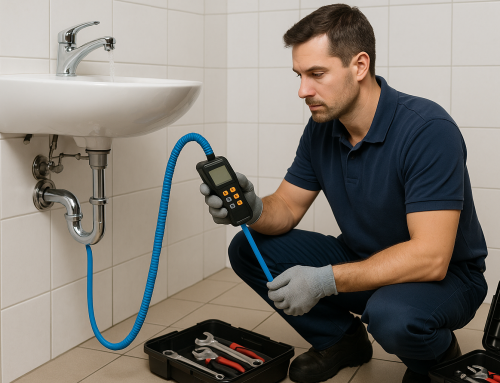
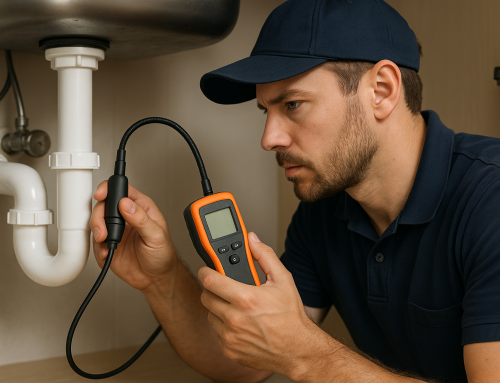
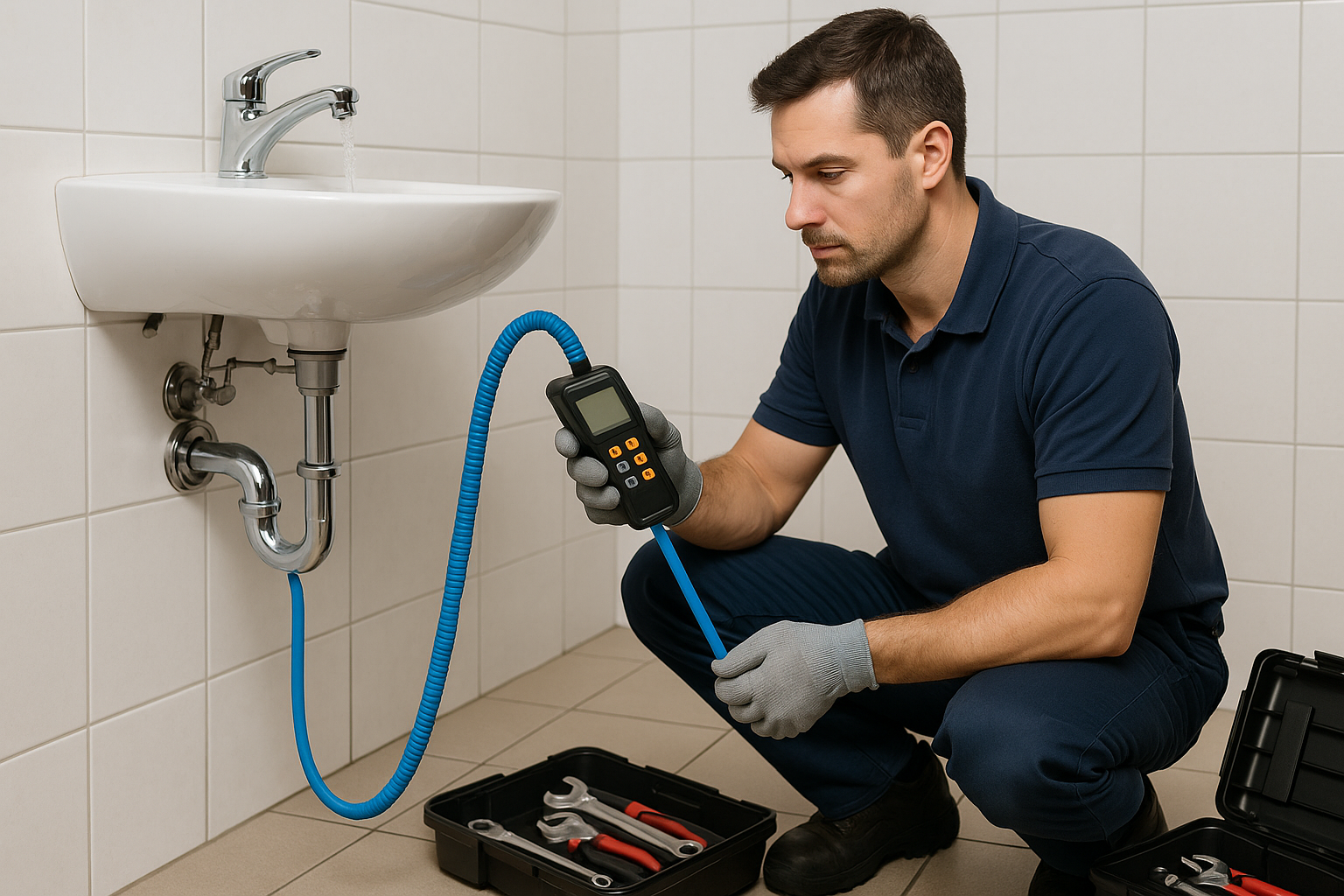
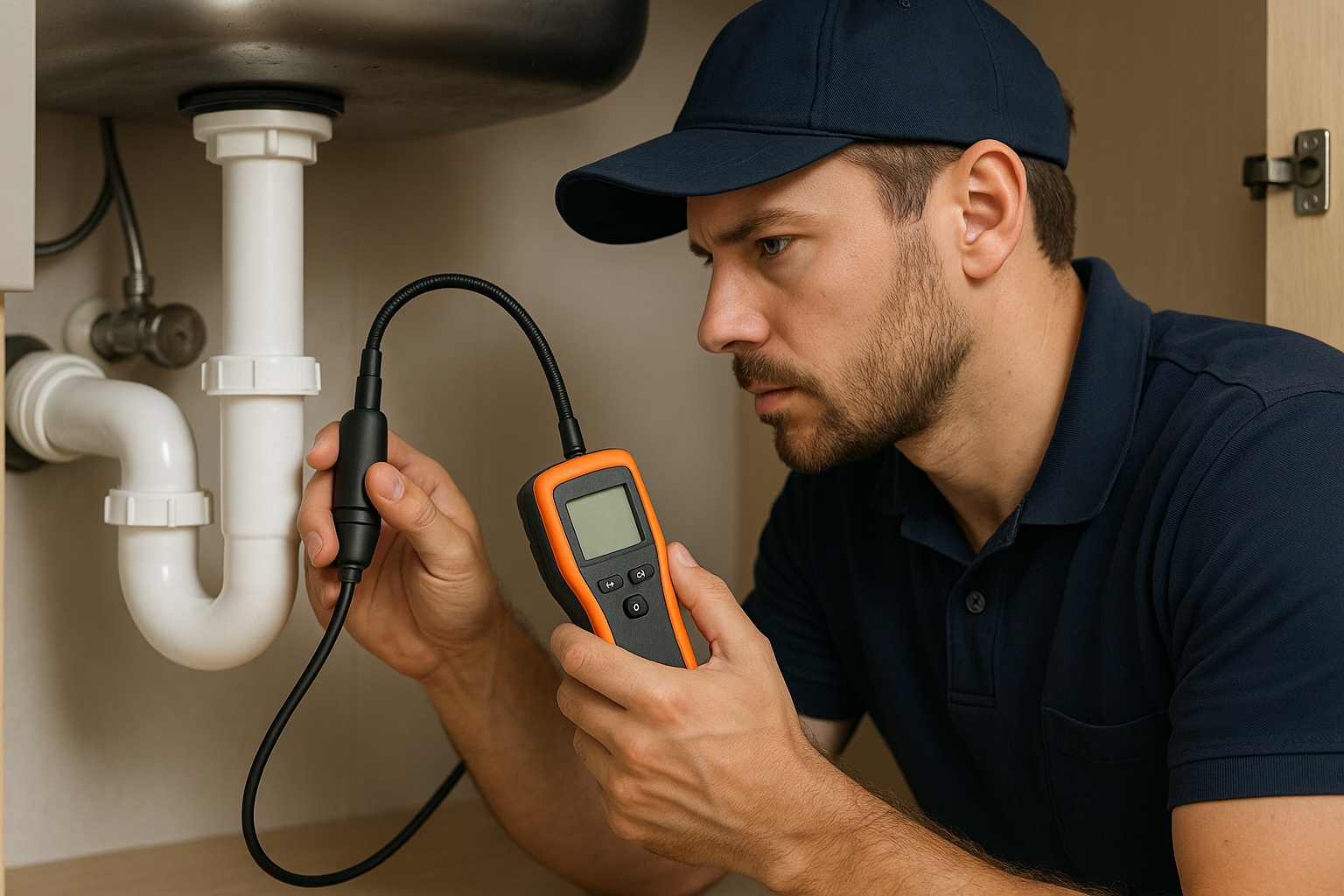
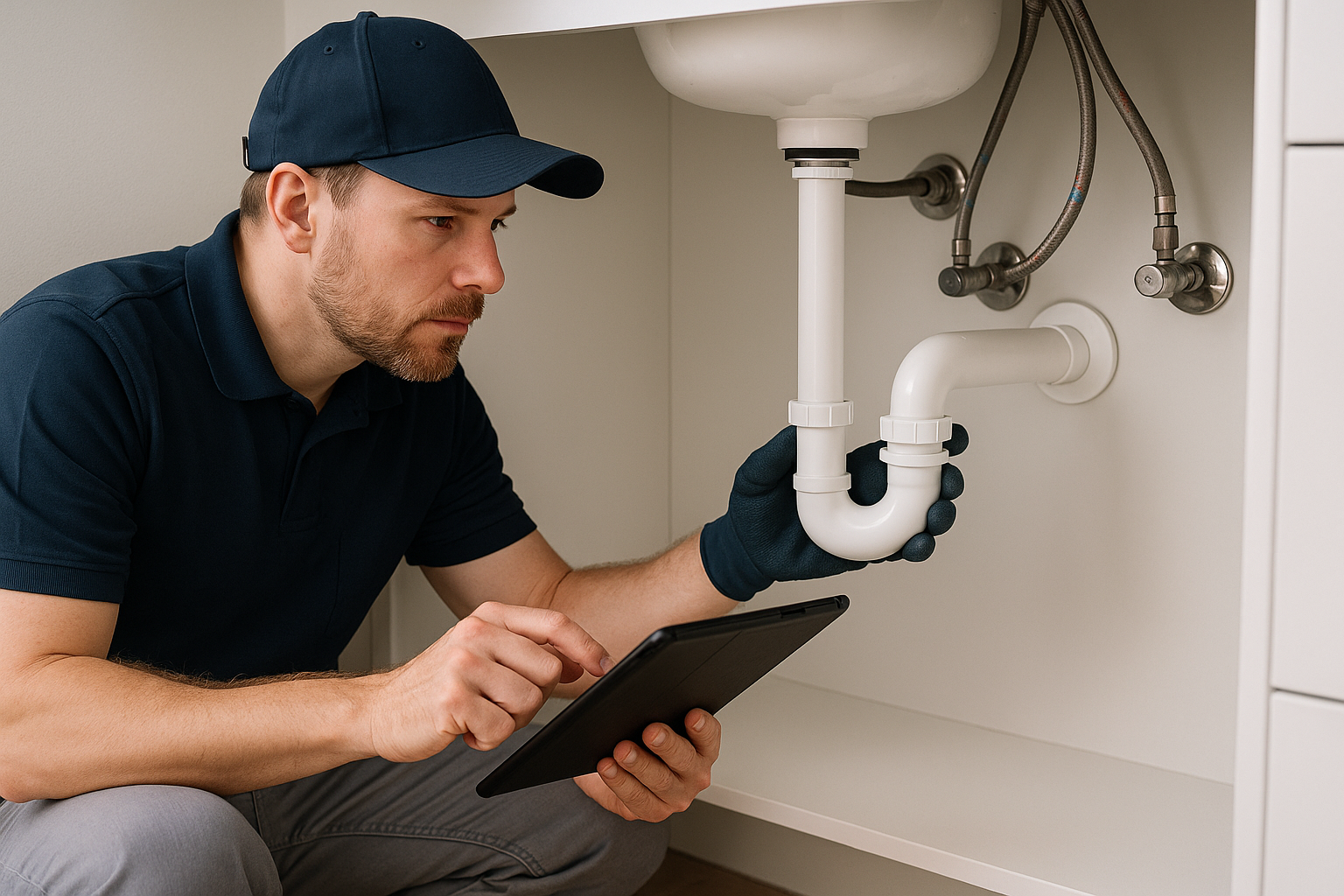
A plumbing inspection is a thorough review of a property’s plumbing system. During the visit, a plumber checks visible pipes, fixtures, drains, water heaters, shut-off valves, and other key components for signs of damage, leaks, corrosion, blockages, or poor performance.
The goal is to identify current problems and potential risks before they lead to major failures. Depending on the property and the reason for the inspection, a plumber may also test water pressure, look for drainage issues, inspect exposed piping, and evaluate the age and condition of plumbing fixtures and appliances.
Why Plumbing Inspections Matter
Prevent expensive repairs
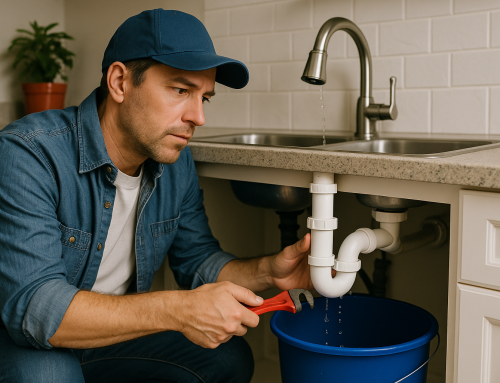
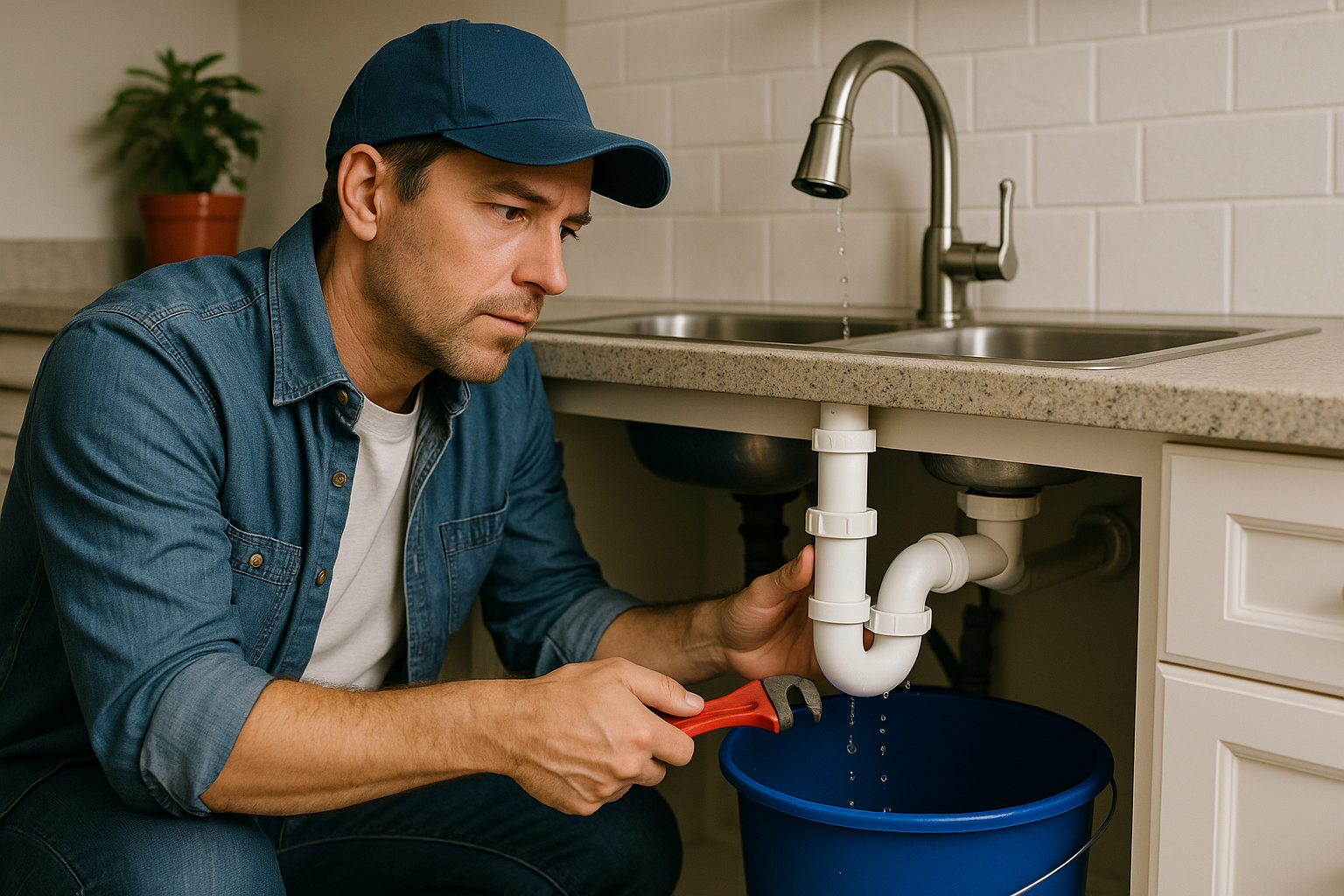
Small leaks, slow drains, and worn-out parts often go unnoticed until they cause serious damage. A routine inspection can catch these issues early, helping you avoid emergency repairs and expensive restoration work.
Protect your home from water damage
Water damage can affect flooring, drywall, cabinets, and even your home’s foundation. By spotting hidden leaks or weak connections, a plumbing inspection reduces the risk of major damage.
Improve safety and health
Some plumbing problems can lead to mold growth, sewage backups, or contamination concerns. An inspection helps identify conditions that could affect your family’s comfort and safety.
Extend the life of plumbing systems
When plumbing components are maintained properly, they tend to last longer. Regular inspections help you care for your pipes, fixtures, and appliances so they keep working efficiently.
When Should You Schedule a Plumbing Inspection?
Before buying a home
A home may look great on the surface, but the plumbing system can tell a different story. A pre-purchase inspection can reveal hidden issues such as outdated piping, poor drainage, or signs of previous leaks.
During routine maintenance
Even if everything seems to be working well, it is wise to have your plumbing inspected periodically. Regular maintenance inspections are especially helpful in older homes or properties with previous plumbing issues.
After a major plumbing repair
If you have recently repaired a leak, replaced a fixture, or dealt with a drain backup, an inspection can confirm that the system is functioning properly and that no additional problems remain.
When you notice warning signs
Low water pressure, recurring clogs, unusual noises, foul smells, discolored water, or damp spots are all reasons to schedule an inspection sooner rather than later.
What Plumbers Look for During an Inspection
Pipes and connections
The plumber checks visible pipes for corrosion, cracks, loose fittings, leaks, and signs of deterioration. They may also look for outdated materials that could be prone to failure.
Faucets, toilets, and fixtures
Fixtures are inspected for leaks, poor seals, running toilets, dripping faucets, and worn parts. These issues can waste a surprising amount of water over time.
Drains and sewer lines
A plumbing inspection often includes checking how well drains flow. If there are signs of frequent backups or slow drainage, the plumber may recommend a more detailed drain or sewer line evaluation.
Water heater
The water heater is a major part of the plumbing system. The plumber may inspect the tank or unit for corrosion, sediment buildup, temperature issues, leaks, and signs that it is nearing the end of its service life.
Water pressure and shut-off valves
Water pressure that is too high or too low can signal underlying problems. The inspection may also include shut-off valves to make sure they function properly in case of an emergency.
How to Prepare for a Plumbing Inspection
Preparing for an inspection is simple and can help the plumber work more efficiently. Clear access to sinks, toilets, water heaters, utility rooms, and visible pipe areas whenever possible. If you have noticed any issues, make a list so you can point them out during the visit.
It is also helpful to gather any information you have about past plumbing repairs, remodels, or recurring problems. The more the plumber knows about the system’s history, the better they can assess its condition.
What to Expect After the Inspection
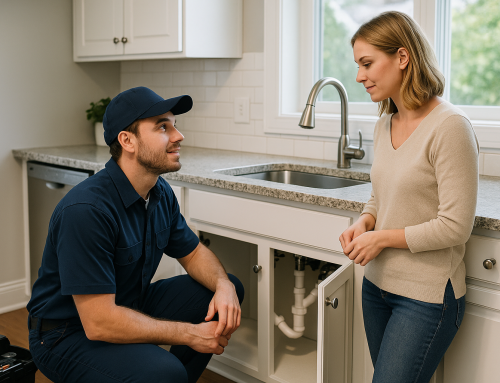
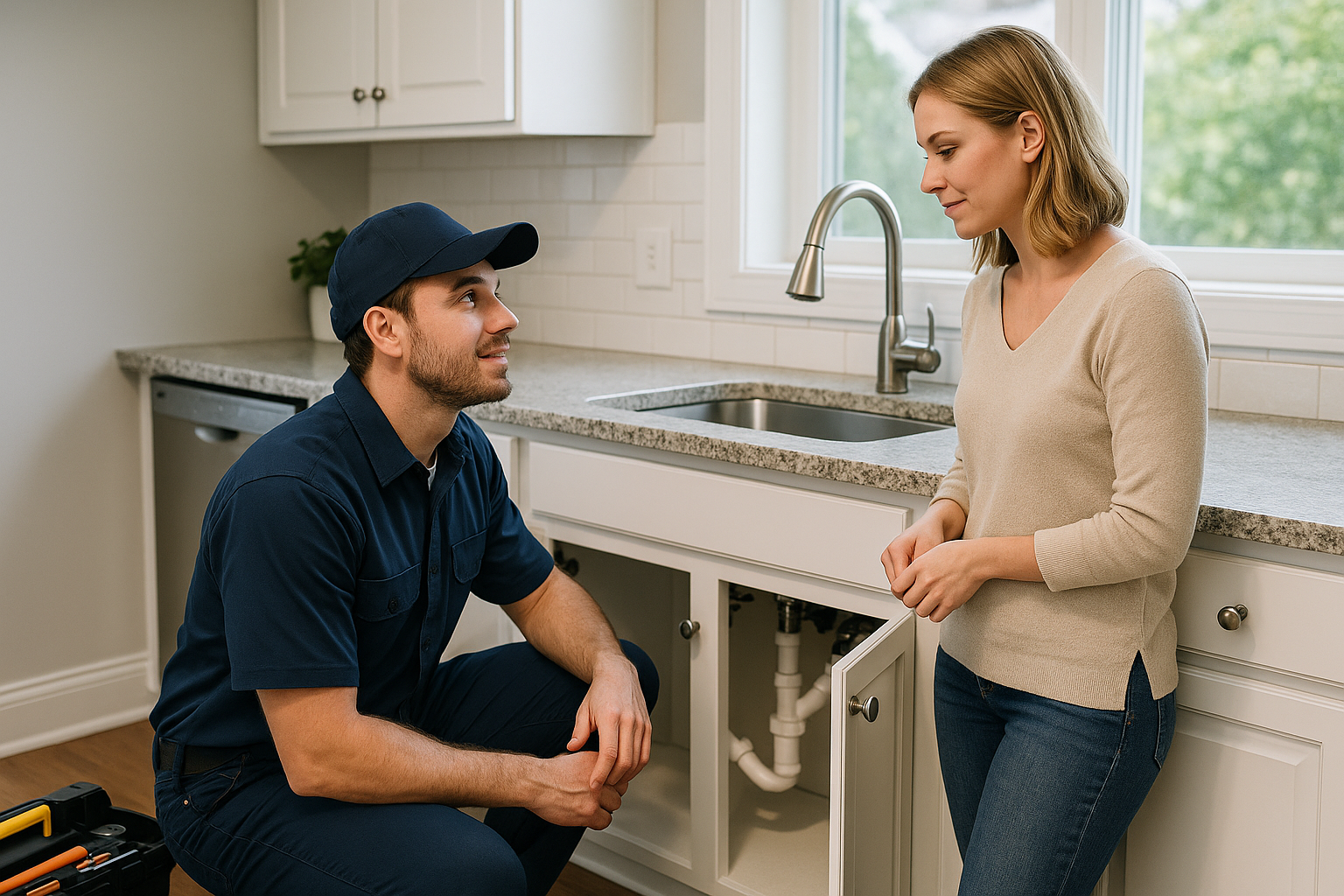
After the inspection, the plumber should explain what they found and identify any areas that need repair, replacement, or monitoring. In some cases, the result may simply be reassurance that everything is in good shape. In others, you may receive a list of recommended fixes prioritized by urgency.
This report can help you plan maintenance, budget for future upgrades, and decide whether immediate repairs are needed. If the inspection is part of a home purchase, it can also give you leverage to negotiate repairs or credits before closing.
How Often Should You Have a Plumbing Inspection?
For many homes, an annual inspection is a good rule of thumb. Older homes, homes with large families, or properties that have experienced frequent plumbing issues may benefit from more frequent checks. If you are unsure, a licensed plumber can recommend a schedule based on your home’s age, condition, and water usage.
Conclusion
A plumbing inspection is a simple step that can save you money, protect your home, and reduce stress. By catching issues early and keeping your system in good shape, you can avoid emergencies and keep everything running smoothly. If it has been a while since your last inspection, now is a great time to schedule one.