Drain Repiping: What It Is, When You Need It, and Why It Matters
Drain repiping is the process of replacing old, damaged, corroded, or poorly installed drain lines in your home or commercial property. While drains are often out of sight, they play a major role in keeping wastewater moving safely and efficiently out of your plumbing system. When drain pipes begin to fail, the effects can range from slow drains and recurring clogs to sewage backups and structural damage. Understanding when repiping is necessary can help you avoid costly repairs and protect your property long term.
What Is Drain Repiping?
Drain repiping refers to the replacement of existing drain and waste pipes with new piping materials. Unlike a simple drain cleaning or minor repair, repiping addresses the underlying condition of the plumbing system itself. This may involve replacing a single deteriorated section, several connected lines, or an entire drain network depending on the age and extent of the damage.
The goal is to restore proper flow, eliminate leaks, and improve the durability of the drainage system. In many cases, repiping is recommended when pipes have reached the end of their service life or when repeated repairs are no longer effective.
Signs You May Need Drain Repiping
Drain problems often start small, but they can become serious quickly. Some of the most common warning signs include:
- Frequent clogs in multiple drains
- Slow drainage throughout the home
- Gurgling sounds coming from pipes or fixtures
- Bad odors near sinks, tubs, or floor drains
- Recurring sewer backups
- Visible leaks, water stains, or mildew
- Corroded, cracked, or collapsed pipes
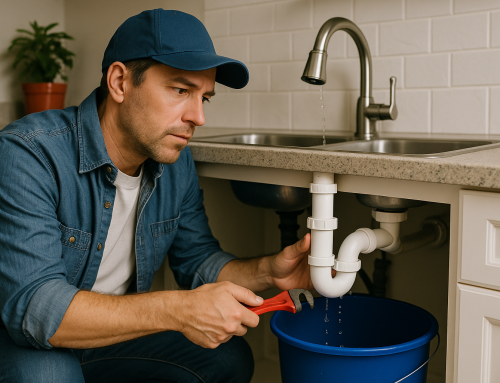
If these issues keep returning even after cleaning or small repairs, drain repiping may be the most practical solution. A professional inspection can confirm whether the problem is isolated or part of a larger system failure.
Common Causes of Drain Pipe Failure
Drain pipes can fail for many reasons, and the cause often depends on the age of the property and the materials originally used. Older homes may have cast iron, galvanized steel, clay, or Orangeburg pipes, all of which can deteriorate over time. Common causes include:
- Corrosion: Metal pipes naturally rust and weaken as they age.
- Tree root intrusion: Roots can enter tiny cracks and break pipes apart.
- Shifting soil: Ground movement can cause pipes to sag, crack, or disconnect.
- Poor installation: Incorrect slope or bad joints can lead to chronic drainage issues.
- Heavy buildup: Grease, scale, and debris can reduce pipe capacity over time.
Once damage becomes widespread, repeated patchwork repairs may only delay the inevitable. Repiping provides a more reliable long-term fix.
How Drain Repiping Works
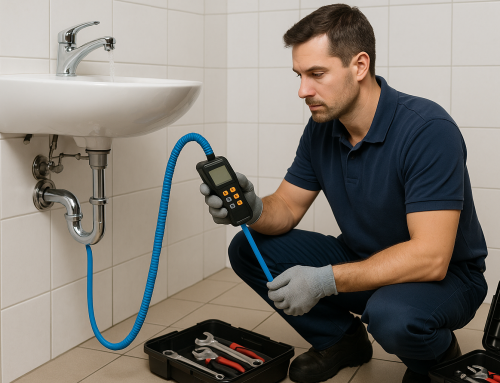
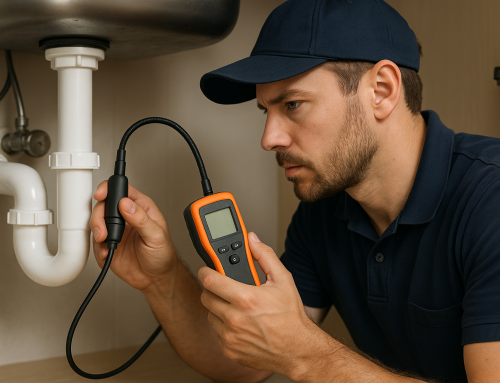
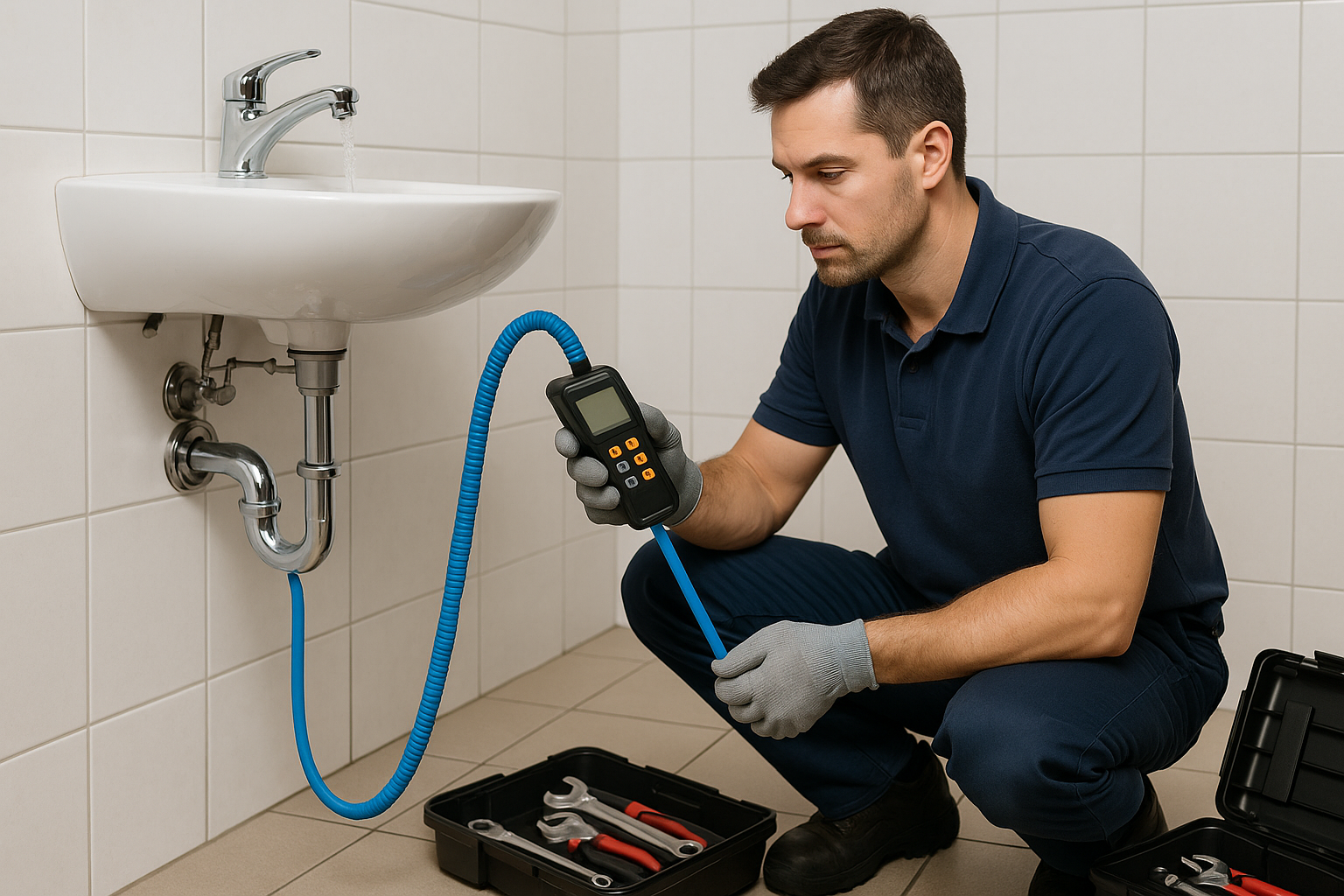
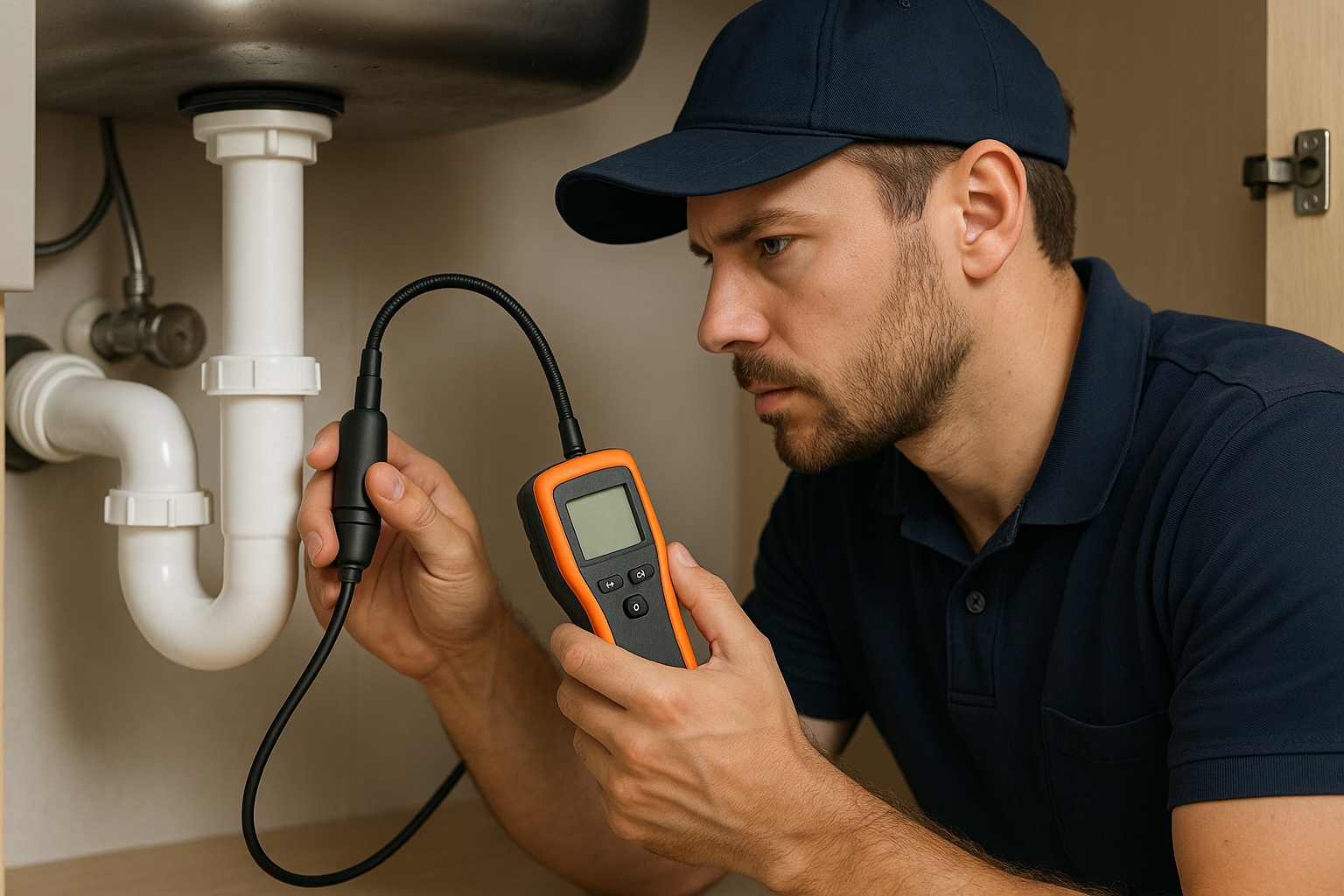
The repiping process usually begins with a detailed inspection, often using camera equipment to view the inside of the drain lines. This helps locate cracks, blockages, root intrusion, and collapsed sections. After the problem areas are identified, a plumber will determine whether partial or full repiping is needed.
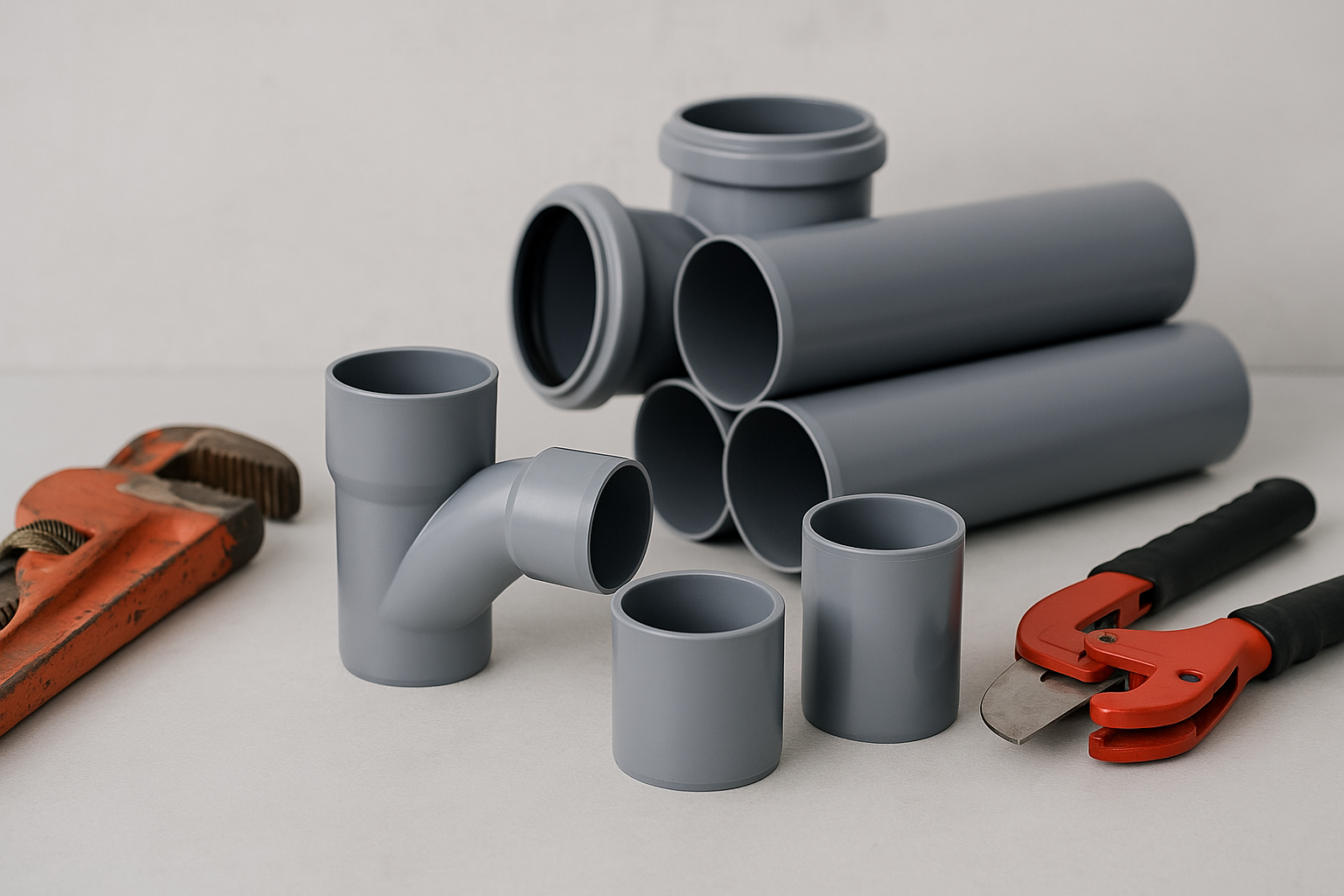
During the project, old piping is removed or bypassed and replaced with new materials such as PVC or ABS, which are durable, corrosion-resistant, and commonly used in modern plumbing systems. Depending on the layout of the property, some projects can be completed with minimal disruption, while larger jobs may require access through walls, floors, or the foundation.
After installation, the system is tested to ensure proper slope, drainage, and leak-free connections. A quality repiping job should improve flow and reduce the risk of future problems.
Benefits of Drain Repiping
Although drain repiping can be a significant investment, it often delivers lasting value. Key benefits include:
- Better drainage: New pipes improve water flow and reduce backups.
- Fewer repairs: Replacing failing lines can eliminate repeated service calls.
- Reduced water damage: New plumbing lowers the risk of leaks and hidden moisture.
- Improved sanitation: A healthier drain system helps prevent foul odors and sewage issues.
- Increased property value: Updated plumbing is attractive to buyers and inspectors.
For older homes especially, repiping can be one of the most effective upgrades for improving reliability and peace of mind.
Drain Repiping vs. Drain Repair
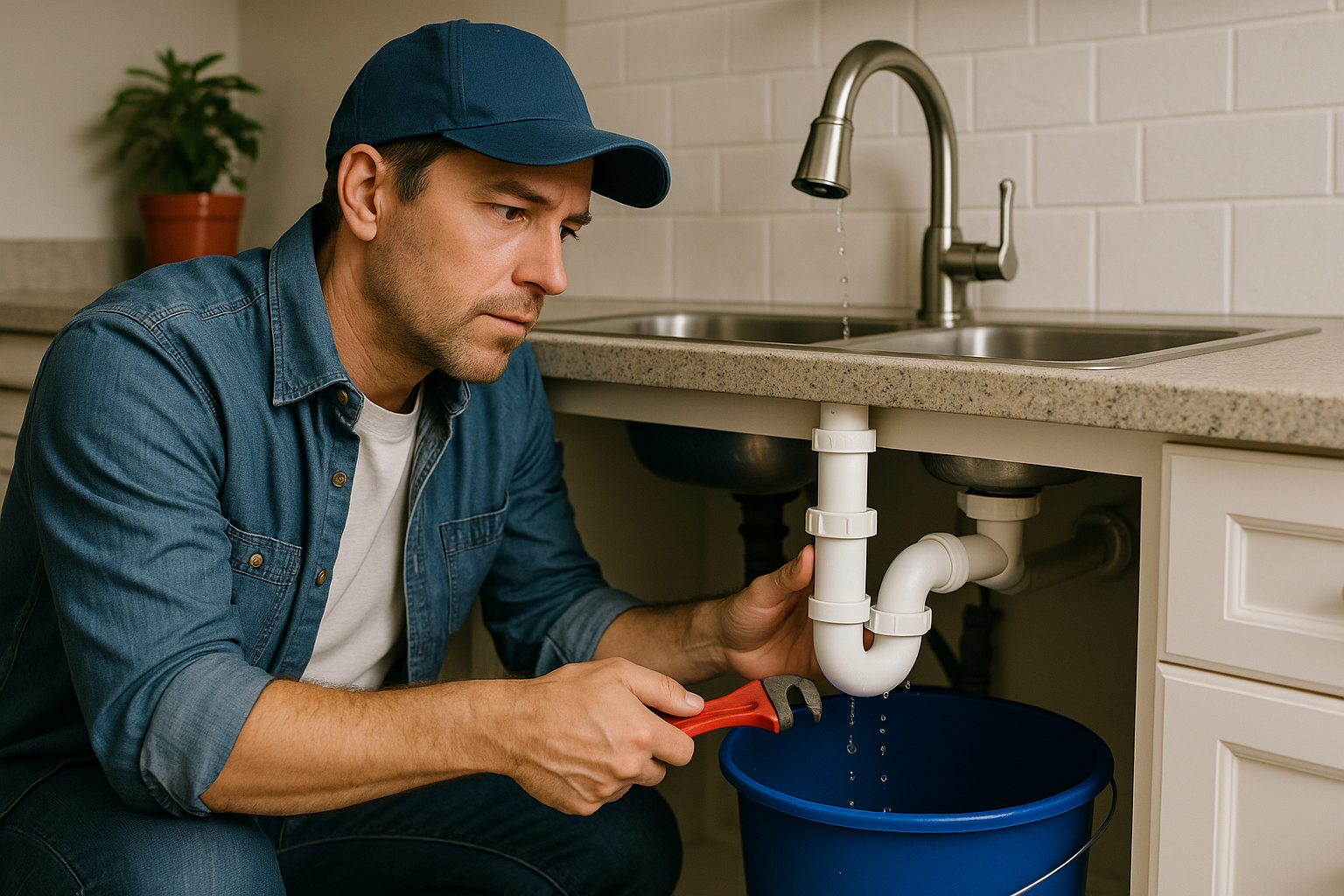
Not every drain issue requires repiping. Minor problems such as a localized clog, a loose fitting, or a small leak may be solved with repair or cleaning. Repiping becomes the better option when the system is aging, the damage is widespread, or the same issues keep returning.
As a general rule, if you are dealing with repeated blockages, multiple cracked sections, or ongoing signs of corrosion, repair alone may only offer a temporary fix. A licensed plumber can help you compare the cost of repeated repairs against the long-term value of replacement.
Choosing the Right Materials
The best piping material depends on the property, local codes, and the specific application. PVC and ABS are common choices for modern drain systems because they are lightweight, affordable, and resistant to corrosion. In some cases, cast iron may still be used where sound reduction or fire resistance is important. A qualified plumber can recommend the best material based on your system’s needs.
It is also important to make sure the new piping is installed with proper sizing and slope. Even the best materials will not perform well if the system is designed incorrectly.
How to Prepare for a Repiping Project
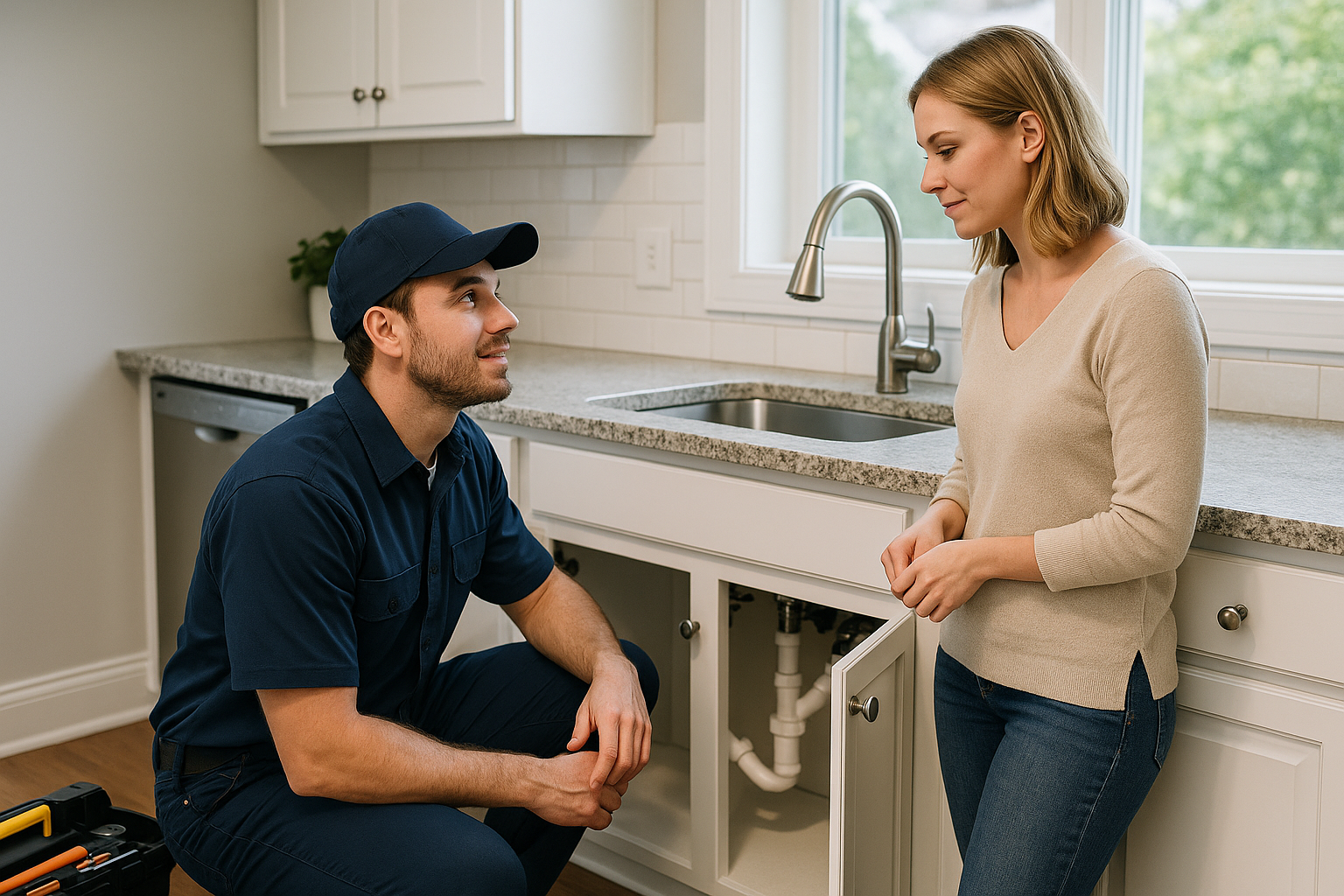
If you are planning drain repiping, a little preparation can help the project go smoothly. Clear access to affected areas, ask your plumber about the timeline, and find out whether water or drain use will be limited during the work. In some cases, you may need to arrange temporary alternatives for bathrooms or laundry use.
It is also smart to request a detailed estimate that explains the scope of work, materials, labor, and any restoration needed after the plumbing work is completed.
Conclusion
Drain repiping is a smart solution when old or damaged drain lines can no longer do their job reliably. By replacing failing pipes with durable new materials, you can improve drainage, reduce emergencies, and protect your property from costly water damage. If you are seeing repeated plumbing problems, a professional inspection can help you decide whether repiping is the right next step.