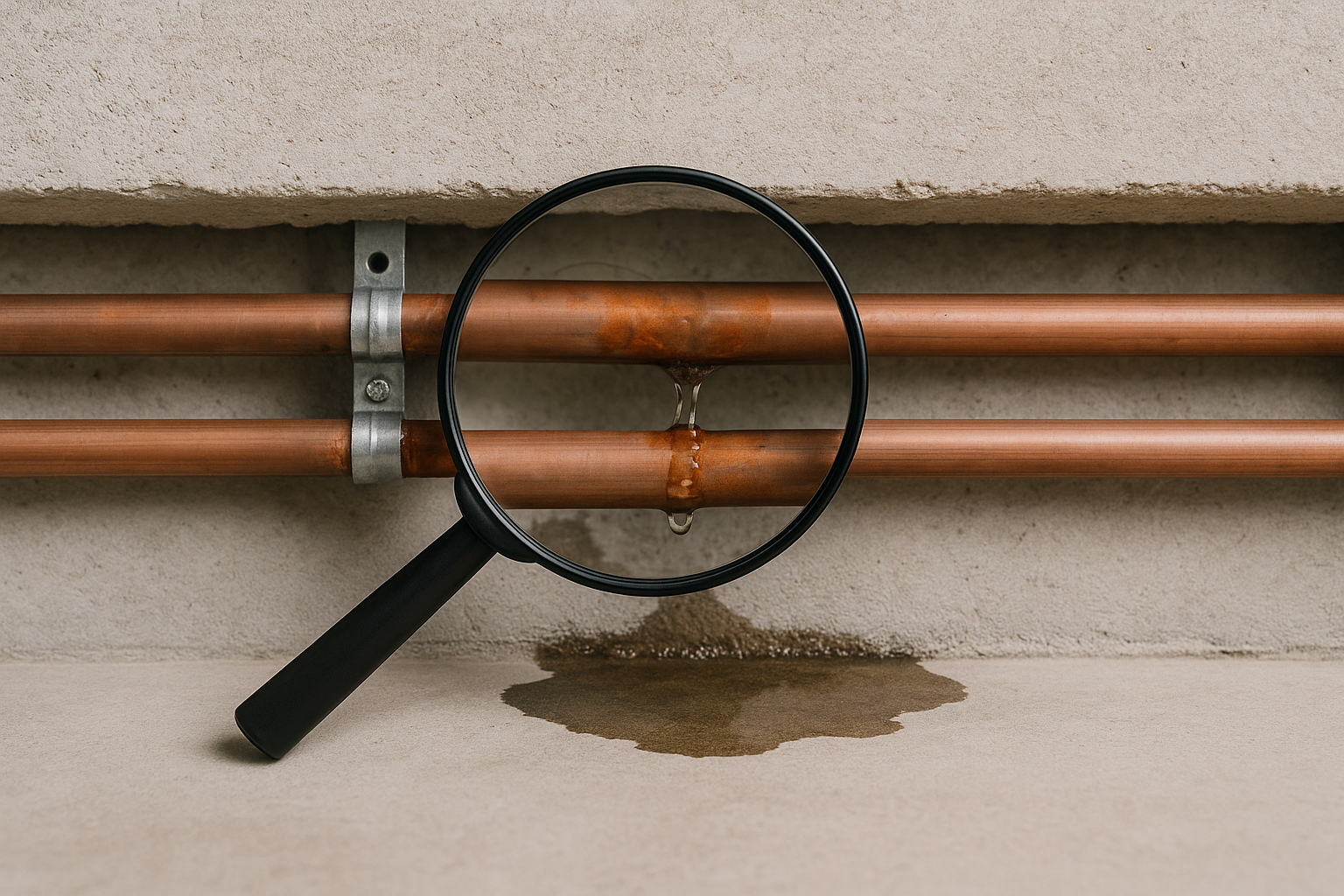
What Is a Slab Leak?
A slab leak is a leak in the water lines that run beneath your home’s concrete foundation, also called the slab. Because these pipes are hidden underground, a leak can go unnoticed for weeks or even months while water slowly escapes into the soil, foundation, or flooring above.
Slab leaks are especially concerning because they can affect your home’s structure, increase water bills, and create conditions for mold growth. The sooner a leak is detected, the easier it is to limit damage and repair the problem.
Common Signs of a Slab Leak
Slab leaks are often subtle at first, but there are several warning signs homeowners should watch for. If you notice one or more of these symptoms, it may be time to schedule a professional inspection.
Unexplained Increase in Water Bills
If your water usage has not changed but your bill keeps climbing, a hidden leak could be the reason. Even a small leak under the slab can waste a surprising amount of water over time.
Warm Spots on the Floor
When a hot water line leaks beneath the slab, you may feel warm or damp areas on the floor. This is one of the most noticeable clues, especially on tile or concrete flooring.
Sounds of Running Water
If you hear water running when no fixtures are on, that sound may be coming from a pipe under the foundation. This is often easier to hear in quiet rooms or late at night.
Cracks in Floors or Walls
As water erodes the soil beneath a slab, it can cause shifting that leads to cracks in floors, walls, or baseboards. While cracks can have other causes, they should not be ignored if paired with other leak signs.
Mildew or Musty Odors
Persistent moisture under floors can create a damp smell or lead to mold and mildew growth. If a room smells musty without an obvious source, hidden water damage may be to blame.
How Slab Leak Detection Works
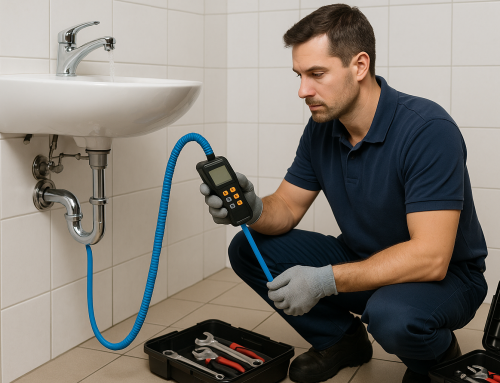
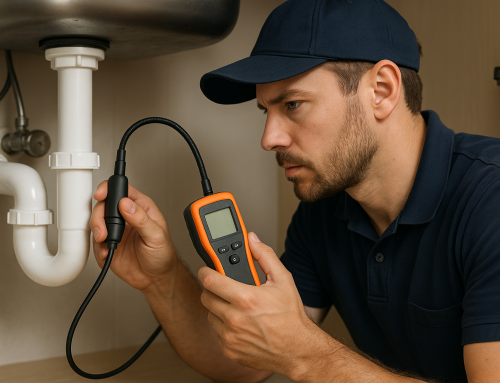
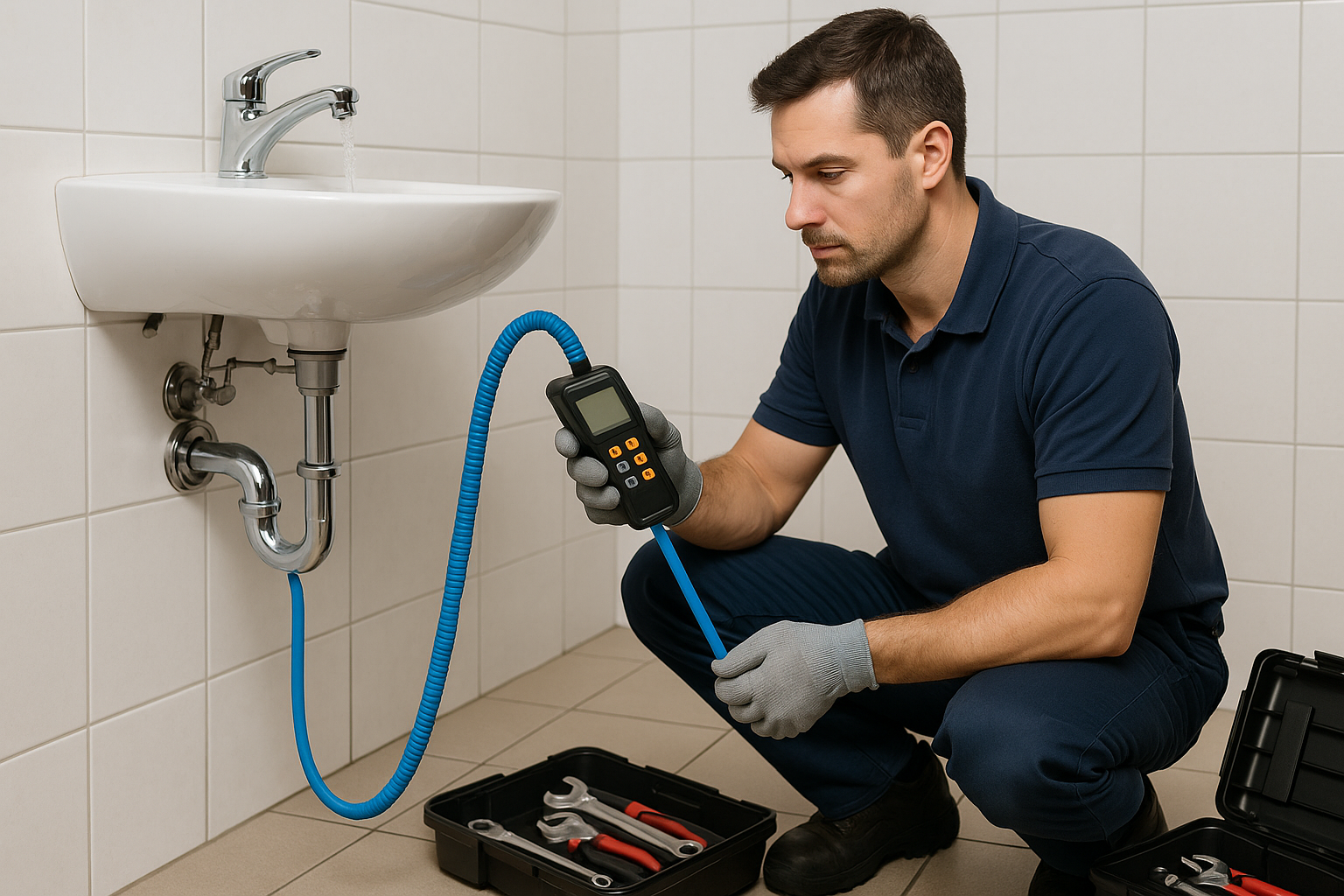
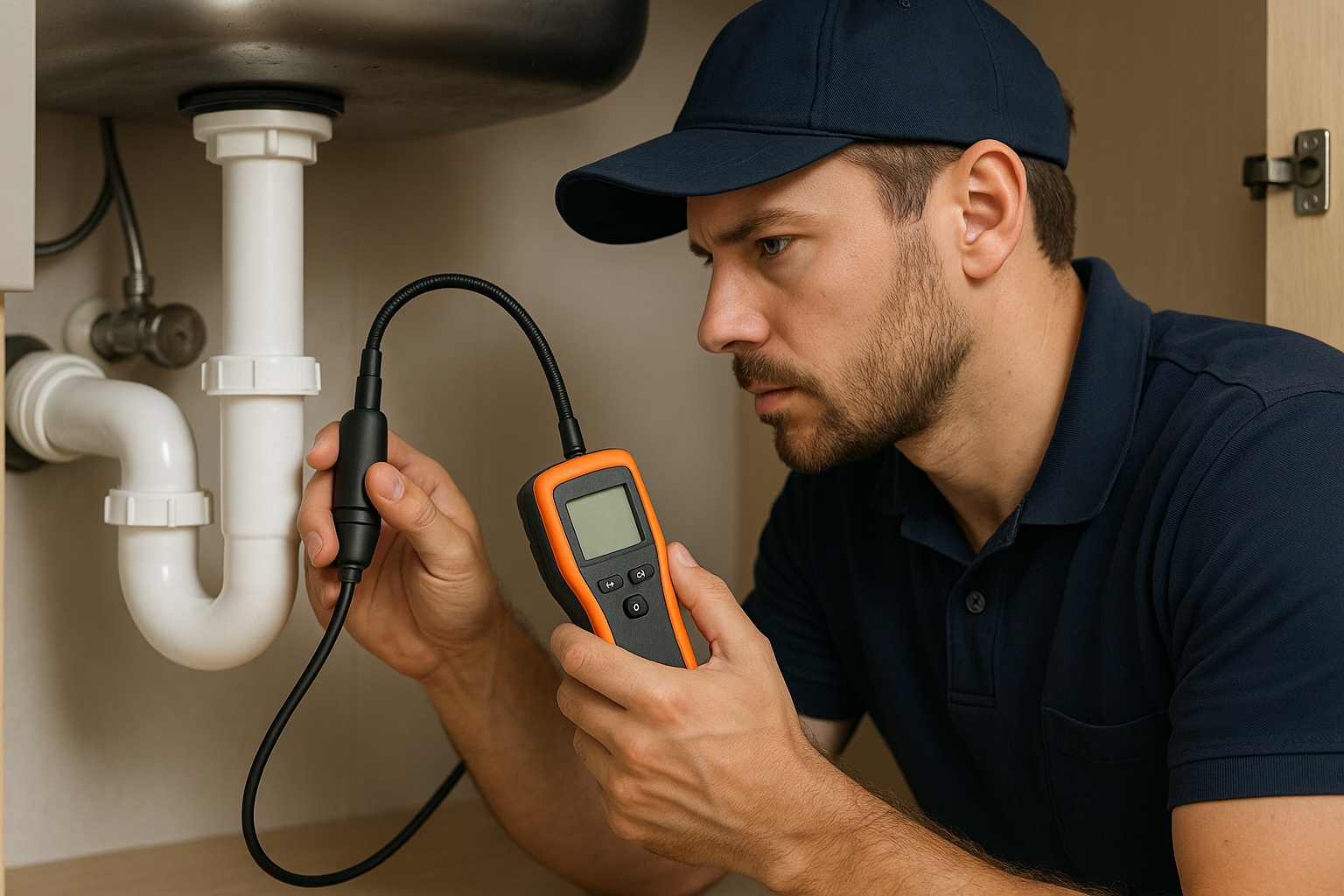
Because slab leaks are buried beneath concrete, finding them requires specialized tools and experience. Professional plumbers use non-invasive methods to pinpoint the leak without tearing up your entire floor.
Pressure Testing
One of the first steps is often a pressure test. The plumber checks the water system for drops in pressure, which can indicate a leak in the line. This helps confirm that a leak exists before more detailed locating begins.
Acoustic Listening Devices
Advanced listening equipment can detect the sound of water escaping from a pipe underground. These devices help plumbers identify the approximate location of the leak with much greater accuracy than guesswork.
Thermal Imaging
For hot water leaks, thermal cameras may reveal temperature differences in the floor. Warm areas often show up clearly, giving technicians valuable clues about where the problem is located.
Moisture Meters and Floor Inspection
Moisture meters can help detect elevated dampness in floors, walls, or nearby materials. Combined with visual inspection and leak detection tools, they help create a complete picture of the damage.
Why Fast Detection Matters
Waiting to address a slab leak can lead to much more than a high water bill. Water pooling under the foundation can weaken soil support, which may cause the slab to settle or shift. Over time, this can lead to structural issues that are far more expensive to repair than the leak itself.
Fast detection also helps reduce the risk of mold, ruined flooring, damaged drywall, and electrical concerns. In many cases, catching the leak early can mean a smaller repair area and less disruption to your home.
Can You Find a Slab Leak Yourself?
Homeowners can look for symptoms and check for obvious plumbing issues, but actually locating a slab leak is rarely a DIY job. Because the leak is hidden beneath concrete, guessing can lead to unnecessary damage and higher repair costs.
If you suspect a slab leak, turn off all water-using appliances and check your water meter. If the meter continues moving while water is not in use, that is a strong sign of a leak. From there, a licensed plumber with slab leak detection tools should take over.
What Happens After Detection?
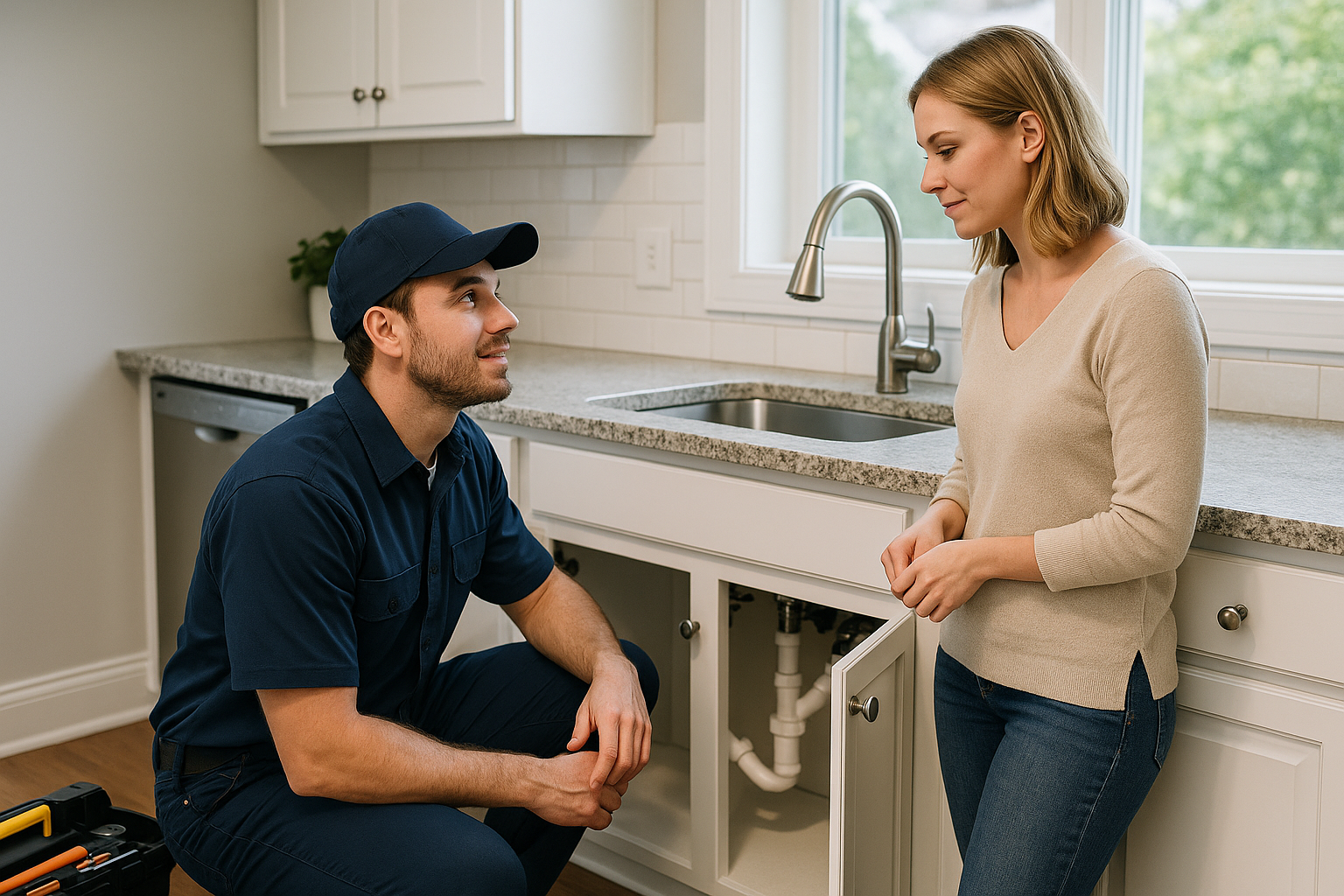
Once the leak is located, the plumber will recommend the best repair approach based on the pipe condition, leak location, and extent of the damage. Some leaks can be repaired by accessing the affected section directly, while others may require rerouting the pipe to avoid future problems.
In addition to the plumbing repair, water-damaged materials may need drying, cleaning, or replacement. Addressing both the leak and the resulting moisture is important to prevent mold and structural issues from lingering.
How to Reduce the Risk of Future Slab Leaks
While not every slab leak can be prevented, regular plumbing maintenance can reduce your risk. Have your plumbing inspected periodically, especially if your home is older or has a history of pipe problems. Water pressure should also be kept within a safe range, since excessive pressure can stress pipes over time.
Pay attention to small changes in your home. Strange sounds, sudden dampness, or rising water bills are often the earliest indicators of trouble. Acting quickly can help you avoid a major repair later.
Conclusion
Slab leak detection is all about catching hidden plumbing problems before they lead to expensive damage. By knowing the warning signs and calling a professional when something seems off, you can protect your foundation, your home, and your peace of mind.