Why Annual Plumbing Inspections Are Important
An annual plumbing inspection is one of the easiest ways to protect your home from costly water damage, unexpected repairs, and wasted water. While plumbing systems are designed to last for years, they are not maintenance-free. Pipes, fixtures, drains, water heaters, and shut-off valves all experience wear over time, and small issues can quietly develop into major problems if they are not caught early.
Regular inspections help identify leaks, corrosion, pressure problems, hidden blockages, and aging components before they become emergencies. For homeowners, this means fewer surprises, better system performance, and greater peace of mind. A proactive inspection can also improve water efficiency and extend the life of your plumbing system.
What a Plumbing Inspection Includes
A thorough plumbing inspection goes beyond a quick glance at sinks and toilets. A licensed plumber will evaluate the condition and performance of key parts of your system to make sure everything is functioning properly.
Visible Pipes and Fixtures
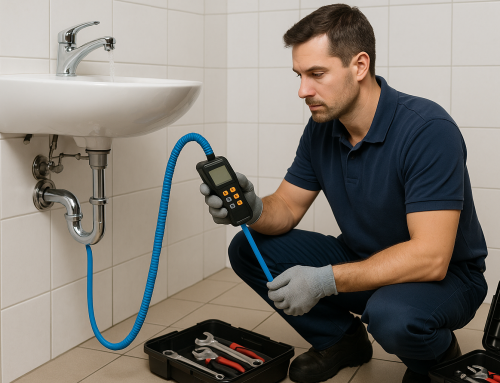
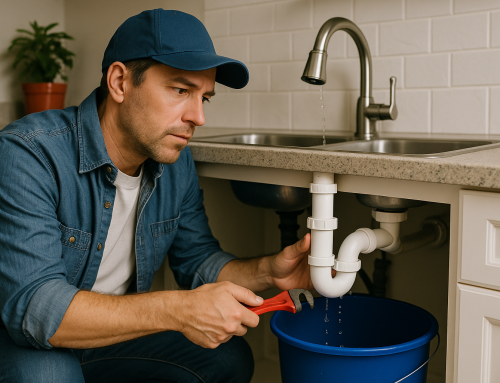
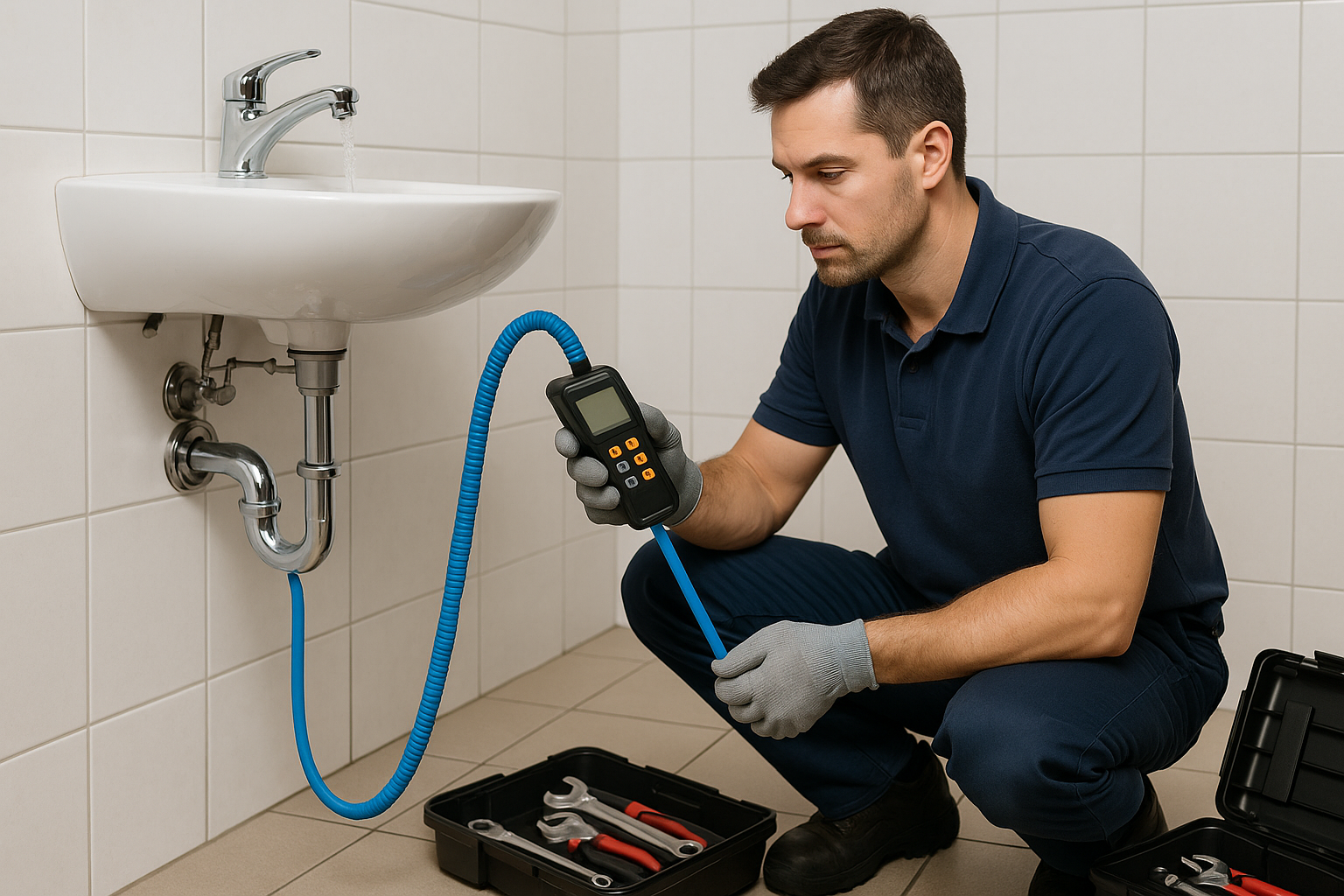
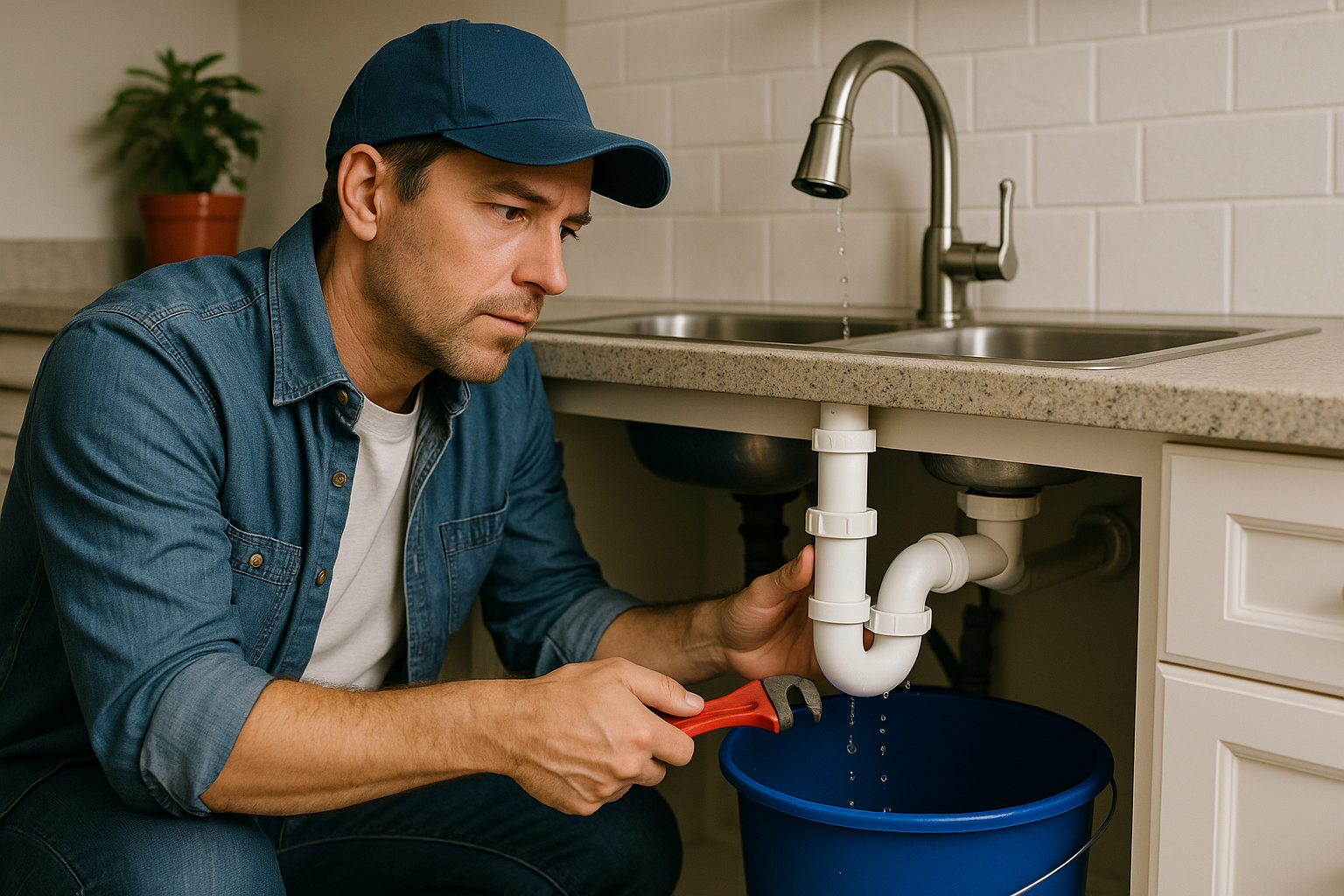
The inspection usually starts with visible pipes under sinks, behind appliances, and in basements or crawl spaces. The plumber checks for leaks, rust, mineral buildup, loose joints, and signs of corrosion. Fixtures such as faucets, showerheads, and toilets are also tested for proper operation and water efficiency.
Drains and Sewer Lines
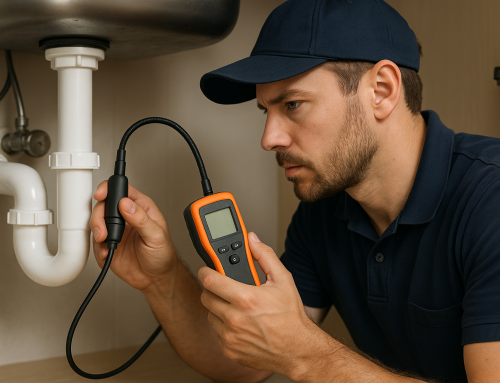
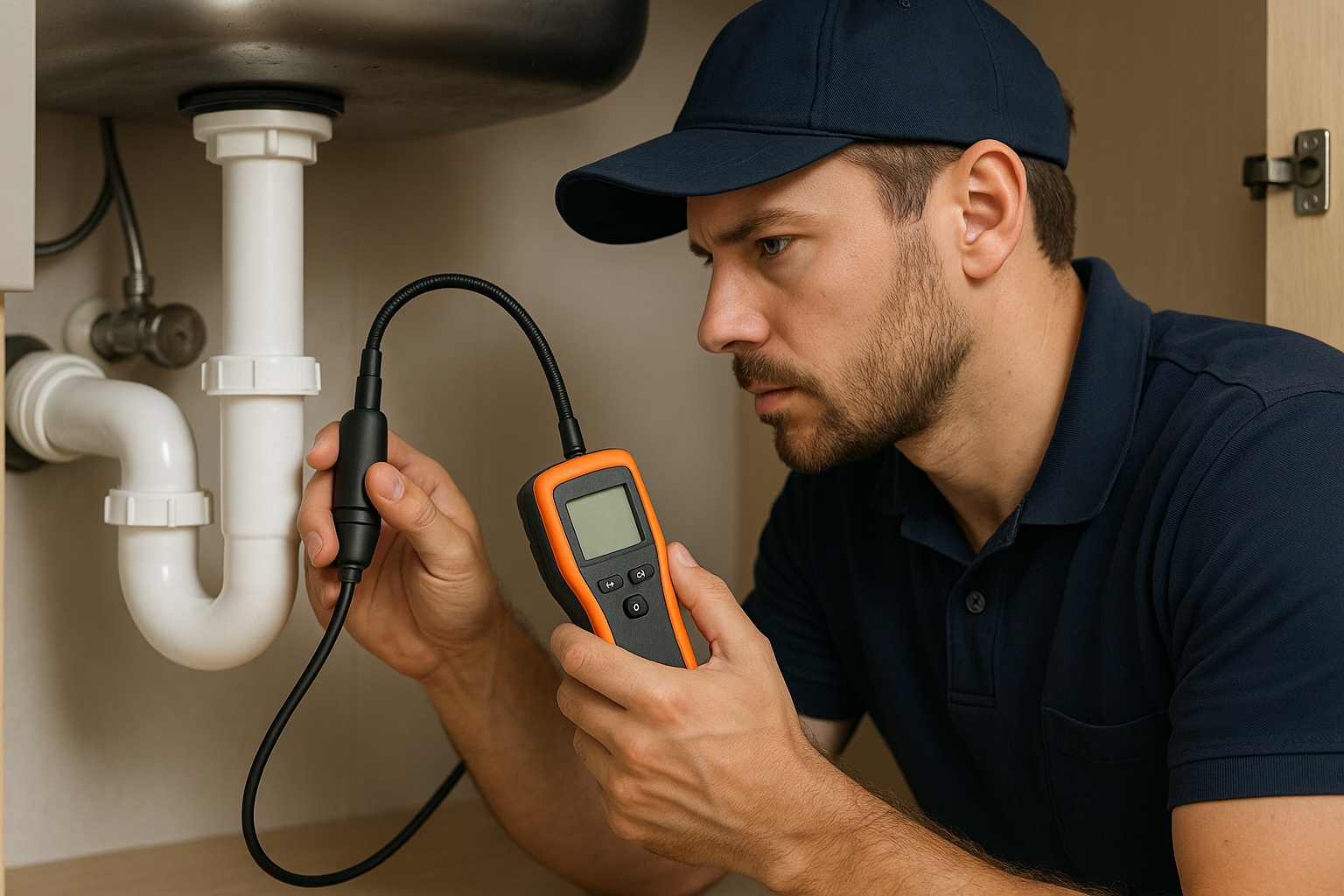
Drain performance is another important part of the process. Slow drains, recurring clogs, or foul odors can indicate a deeper issue in your plumbing or sewer line. Depending on the home’s age and condition, a plumber may recommend a camera inspection to look for cracks, root intrusion, or blockages in the main sewer line.
Water Heater
Your water heater works hard year-round, so it deserves special attention. During an annual inspection, the plumber may check for sediment buildup, corrosion, proper temperature settings, leaks, and pressure relief valve function. These checks can help the unit run more efficiently and reduce the chance of breakdowns.
Water Pressure and Shut-Off Valves
Water pressure that is too high can strain pipes and appliances, while low pressure may signal a leak or blockage. The plumber will often test pressure throughout the home and inspect shut-off valves to make sure they operate correctly in case of an emergency.
Benefits of Scheduling an Annual Inspection
The value of an annual plumbing inspection goes well beyond avoiding emergencies. It is a smart investment in your home’s comfort, safety, and long-term condition.
Prevent Costly Repairs
One of the biggest advantages is early detection. A small leak behind a wall may seem harmless at first, but over time it can lead to structural damage, mold growth, and expensive repairs. Catching problems early almost always costs less than dealing with a major plumbing failure later.
Improve Water Efficiency
Even minor leaks can waste a surprising amount of water. Dripping faucets, running toilets, and hidden pipe leaks can increase utility bills and place unnecessary strain on the system. An inspection can uncover these issues and help reduce water waste.
Extend the Life of Plumbing Components
Like any system in your home, plumbing lasts longer with proper care. Regular maintenance helps fixtures, pipes, and appliances operate more efficiently and lowers the risk of premature replacement. A well-maintained water heater or drain system can save homeowners significant money over time.
Protect Your Home from Water Damage
Water damage is one of the most expensive and disruptive problems a homeowner can face. An annual inspection helps reduce that risk by identifying weak points before they fail. This is especially important in homes with older plumbing, frequent weather changes, or previous repair history.
Signs You Should Not Wait for the Annual Checkup
Although yearly inspections are ideal, some plumbing problems require immediate attention. If you notice any of the following, it is a good idea to schedule a professional inspection sooner rather than later.
- Unexplained increases in your water bill
- Water stains on ceilings, walls, or floors
- Low water pressure in one or more fixtures
- Gurgling drains or frequent clogs
- Bad smells coming from drains or sinks
- Rust-colored water or visible corrosion
- Moisture around the water heater or under sinks
These warning signs often point to a problem that will not improve on its own. Addressing them early can prevent a much more serious repair down the road.
How Homeowners Can Prepare for an Inspection
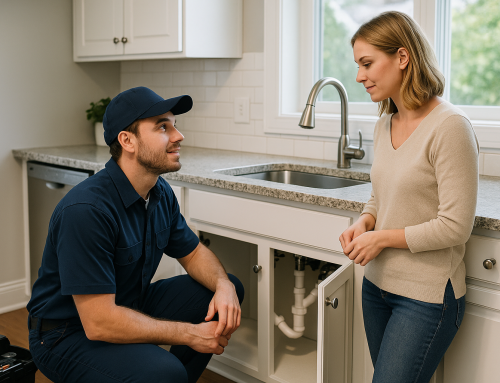
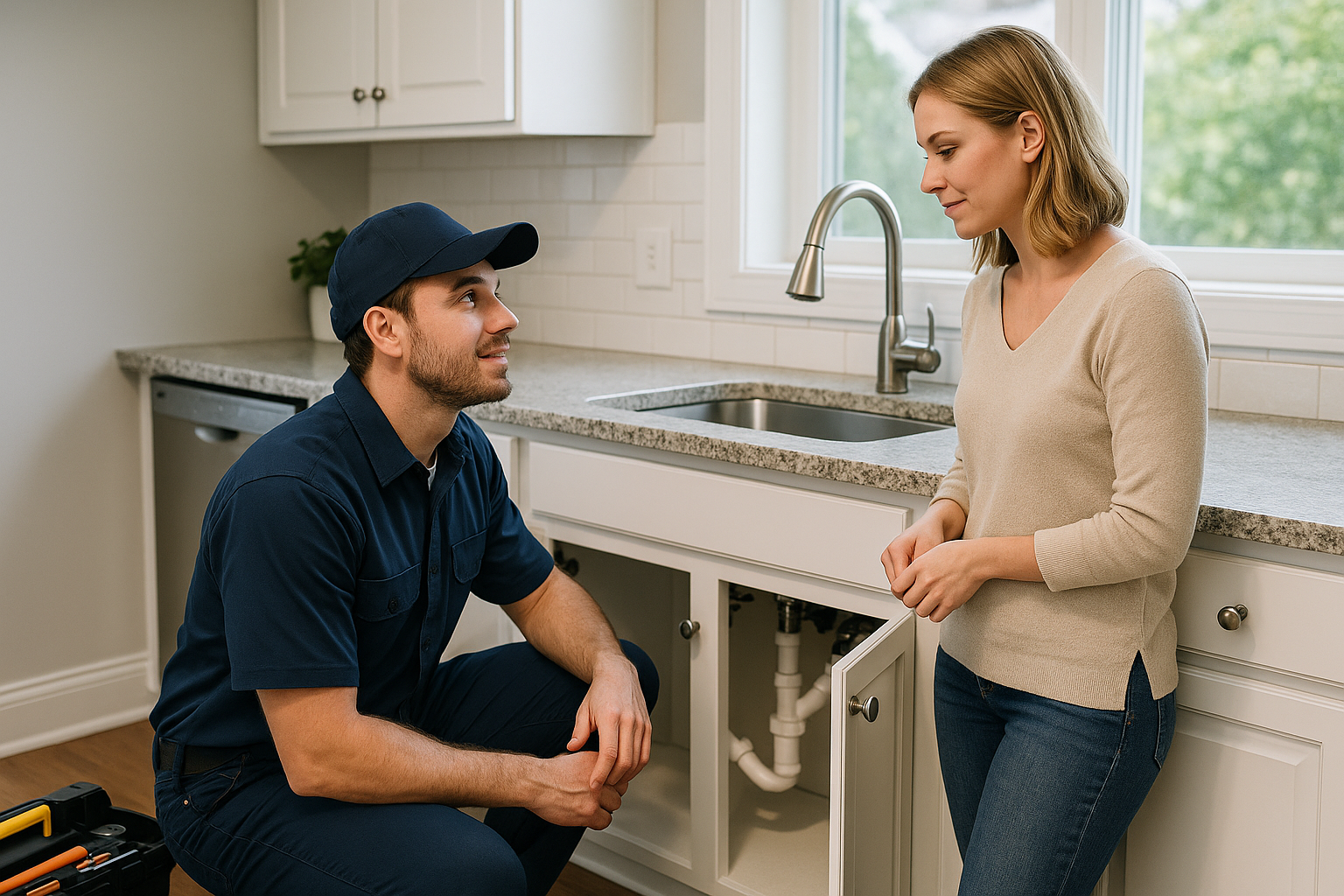
Preparing for a plumbing inspection is simple and can help the visit go more smoothly. Start by clearing access to areas where plumbing components are located, such as under sinks, near the water heater, in the basement, or around the utility room. If you have noticed any leaks, slow drains, or unusual sounds, make a note of them so you can mention them to the plumber.
It is also helpful to gather information about any recent plumbing repairs or appliance replacements. This can give the plumber a better understanding of your system and help them spot patterns or potential concerns more quickly. A little preparation can make the inspection more efficient and more valuable.
When to Schedule Your Annual Plumbing Inspection
The best time to schedule an annual plumbing inspection is before problems begin. Many homeowners choose to have it done in the spring or fall, but the exact timing matters less than making it a regular part of home maintenance. If your home is older, has had plumbing issues in the past, or includes large appliances such as a sump pump or water heater, yearly inspections are especially worthwhile.
New homeowners should also consider a plumbing inspection soon after moving in. It is a good way to learn the condition of the system and identify any hidden issues left by previous owners.
Conclusion
An annual plumbing inspection is a simple step that can save time, money, and stress. By catching small issues early, improving efficiency, and protecting your home from water damage, it helps keep your plumbing system in top condition. Whether your home is new or old, scheduling a yearly inspection is a smart habit that pays off in the long run.