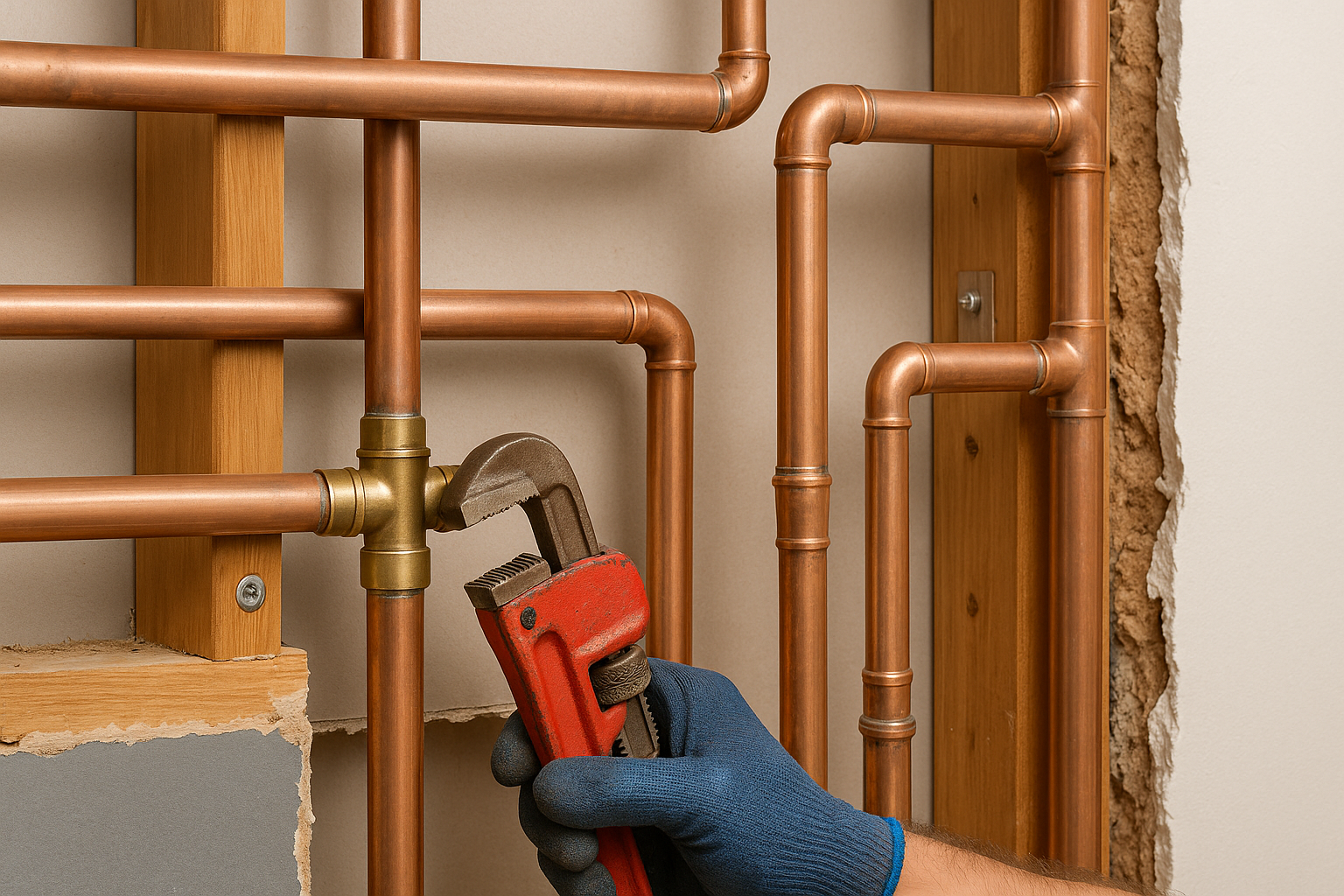
Partial repiping can be a smart, cost-effective solution when only part of your plumbing system is failing. Instead of replacing every water line in the home, a plumber targets the sections that are worn out, leaking, or made from outdated materials. For many homeowners, this approach offers a balanced way to restore water pressure, reduce leak risks, and improve long-term reliability without the expense of a full repipe.
What Is Partial Repiping?
Partial repiping is the replacement of only certain sections of a home’s plumbing system rather than the entire network of pipes. This may include specific supply lines, branches serving bathrooms or kitchens, or the most damaged areas of an aging system. It is often used when plumbing problems are localized and the rest of the system is still in acceptable condition.
Homeowners often choose partial repiping after repeated leaks, poor water flow, or visible corrosion in select areas. In some cases, a plumber may recommend replacing only the old galvanized or polybutylene lines that are most prone to failure while leaving newer pipes untouched. The goal is to solve the immediate problem efficiently while avoiding unnecessary demolition and expense.
When Is Partial Repiping a Good Option?
Partial repiping is best when plumbing issues are isolated and the remainder of the system is still serviceable. It is not the right fix for every home, but it can be ideal in certain situations.
Signs You May Need Partial Repiping
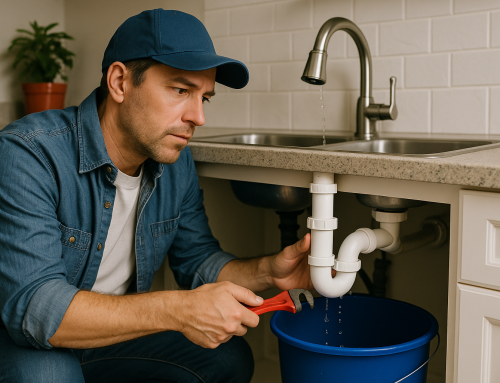
- Frequent leaks in one area of the home
- Low water pressure in a specific bathroom or fixture group
- Discolored water coming from certain faucets
- Visible corrosion or mineral buildup on exposed pipes
- Old piping material in only part of the house
- Repeated repairs on the same branch line
If these symptoms are limited to one section of plumbing, partial repiping may resolve the problem without disturbing the rest of the home’s water system. A licensed plumber can inspect the pipes and determine whether the damage is isolated enough for this approach.
Benefits of Partial Repiping
One of the biggest advantages of partial repiping is cost savings. Because fewer pipes are replaced, labor and material costs are typically lower than a full repipe. This can make it a more accessible option for homeowners who need immediate plumbing repairs but are not ready for a major renovation.
Partial repiping can also reduce disruption. A full plumbing replacement often involves opening walls, ceilings, or floors throughout the house. When only a section of pipe is replaced, the work may be completed more quickly and with less mess. In many cases, this means fewer repairs to drywall and less time living with construction in the home.
Another benefit is improved reliability in the most vulnerable parts of the system. Instead of continuing to patch old pipes, homeowners can replace the sections most likely to fail and reduce the chance of emergency leaks. This can be especially helpful in older homes where only certain lines have started to deteriorate.
Potential Drawbacks to Consider
Although partial repiping can be effective, it is not always the best long-term solution. If the rest of the plumbing system is also aging, replacing only one section may delay but not prevent future problems elsewhere. In that case, a full repipe could be more practical over time.
Matching new pipe materials to old ones can also be a challenge. Different materials may require special connectors or transitions, and poor installation can create weak points. A qualified plumber should evaluate the entire system to make sure the new and existing lines are compatible and code-compliant.
There is also the possibility of hidden issues. What looks like a localized problem may actually be part of a wider pattern of deterioration. That is why inspection is so important before committing to partial repiping. A thorough assessment helps avoid repeated repairs and surprise costs later.
How Partial Repiping Works
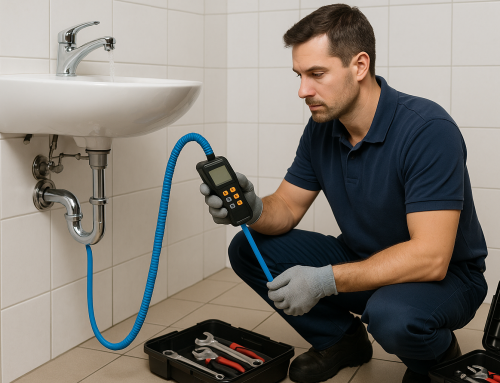
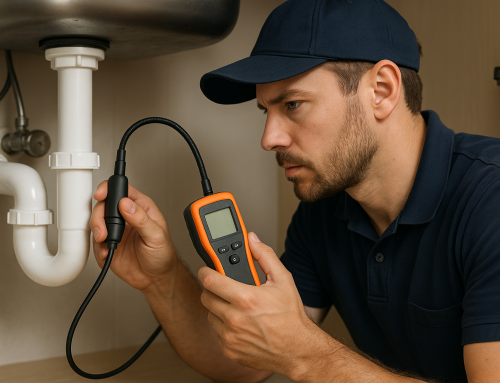
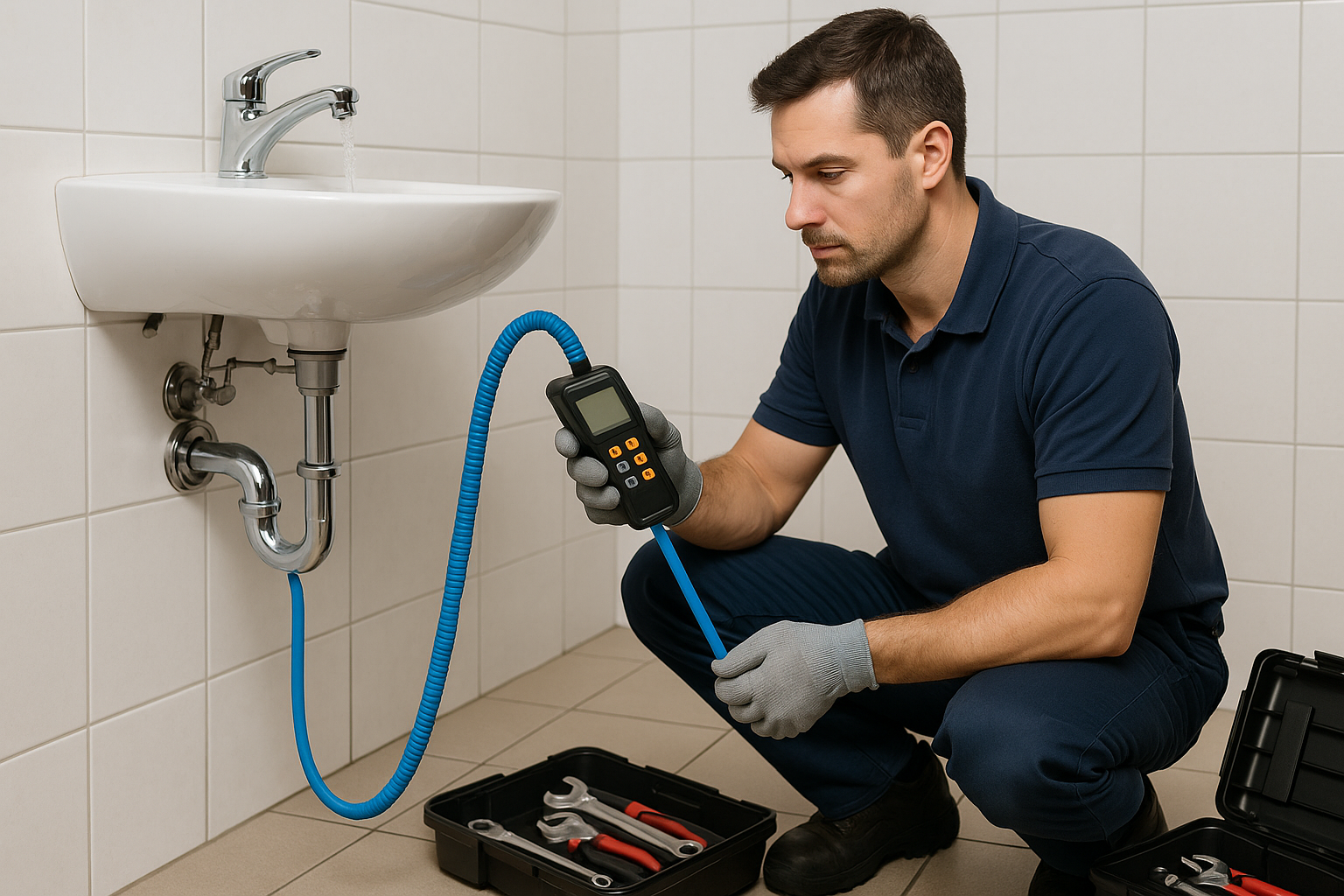
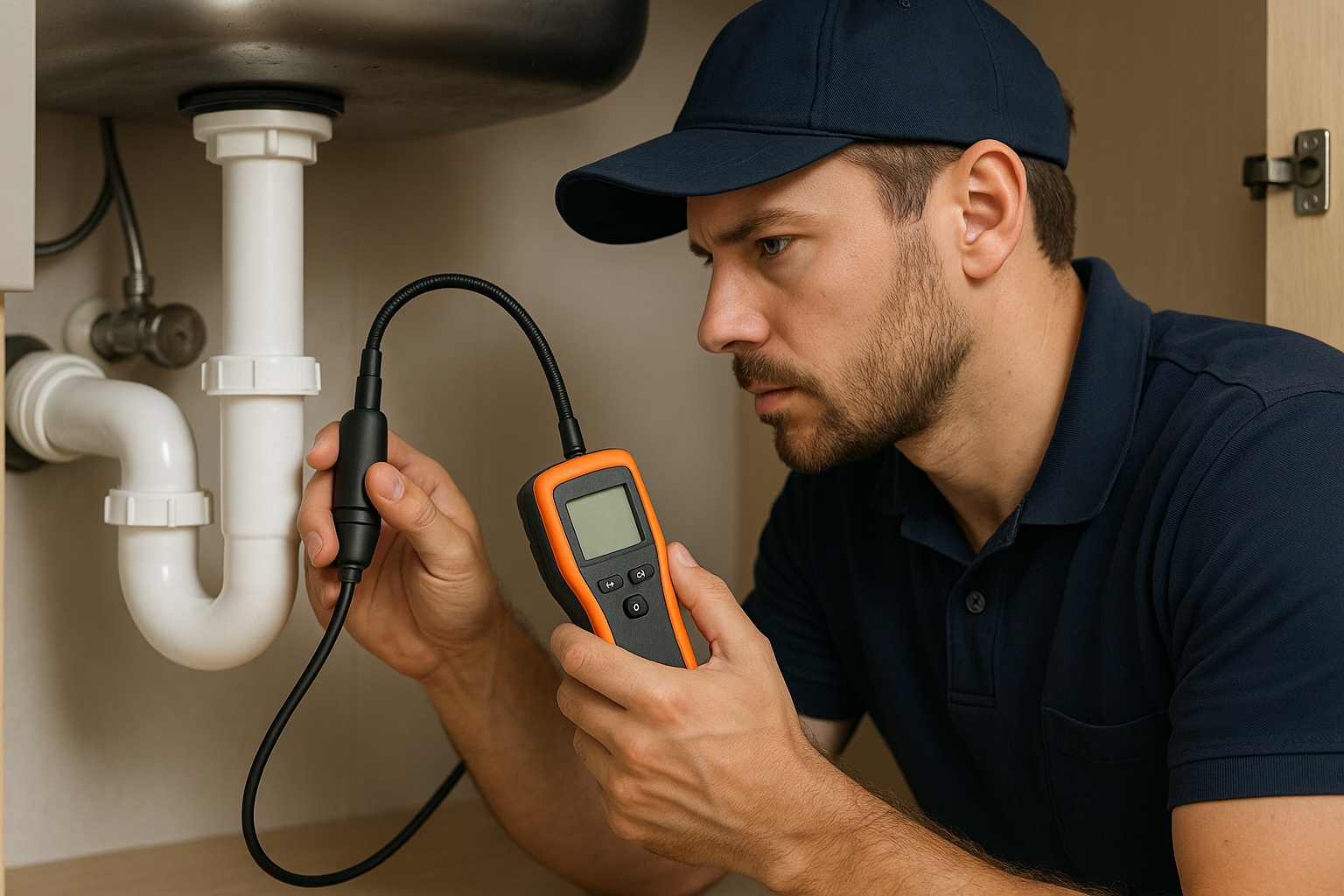
The process usually begins with a plumbing inspection. The plumber identifies the damaged sections, checks pipe material and age, and determines which lines can remain in place. From there, the plan may involve replacing a single branch line, a section of main supply piping, or the plumbing serving one floor or room.
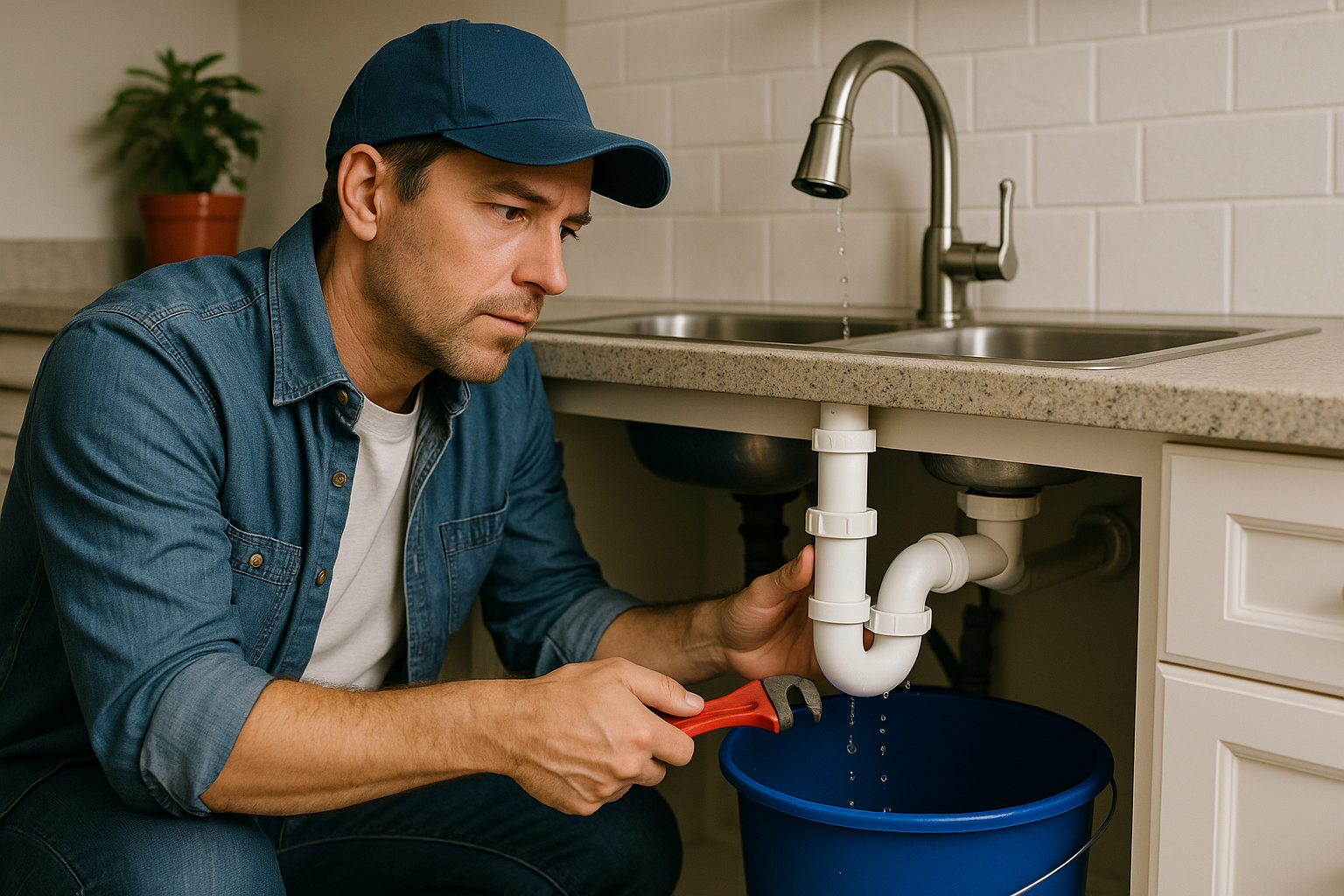
Once the scope is set, the plumber cuts out the old piping and installs new lines, often using durable modern materials such as copper or PEX. The system is then tested for pressure, leaks, and proper flow. Depending on where the work is done, minor drywall or surface repairs may be needed after installation.
Because each home is different, the timeline and complexity of partial repiping can vary widely. A small section may take just a day or two, while a larger, more involved project may require several days to complete.
Partial Repiping vs. Full Repiping
Partial repiping is generally best for homes with localized plumbing problems. Full repiping is usually recommended when the entire plumbing system is old, deteriorating, or made from unreliable material. The right choice depends on the age of the home, the extent of the damage, and your long-term plans for the property.
If you plan to stay in the home for many years, a full repipe may offer better value by addressing all hidden weaknesses at once. If the issue is contained and the rest of the system is in good shape, partial repiping can be a sensible middle ground. A trusted plumber can help compare costs, risks, and expected lifespan for both options.
How to Decide If It’s Right for Your Home
Start by asking how widespread the problem really is. If you have one leaking bathroom line or a single section of poor pressure, partial repiping may be enough. If multiple fixtures, floors, or rooms are affected, the issue may be more extensive than it first appears.
It also helps to consider the age and material of your plumbing. Homes with mixed pipe types or previous patchwork repairs may need a more detailed inspection. Ask for a clear explanation of which pipes are being replaced, why those sections were chosen, and what future issues may still exist in the system.
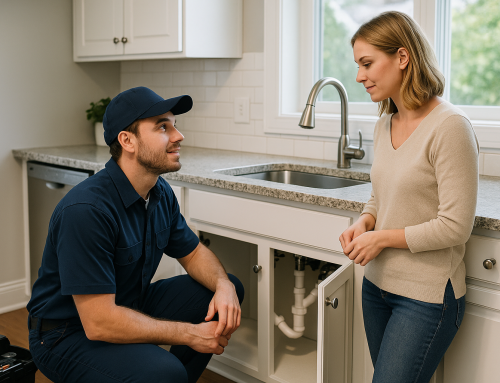
Choosing the right plumber is just as important as choosing the right scope of work. Look for someone who can inspect the system carefully, explain your options honestly, and provide a written estimate that breaks down labor, materials, and any possible restoration work.
Conclusion
Partial repiping can be an efficient way to fix targeted plumbing problems without taking on the cost and disruption of a full replacement. When the damage is limited and the rest of the system is still in good condition, it offers a practical balance of value, convenience, and peace of mind. With a professional inspection and a clear repair plan, homeowners can make a confident decision that protects both their plumbing and their budget.