What Is a Sewer Line Inspection?
A sewer line inspection is a professional evaluation of the main pipe that carries wastewater away from your home and into the municipal sewer system or a septic setup. Because this line is buried underground, problems can develop unnoticed for months or even years. A proper inspection helps identify issues such as clogs, cracks, root intrusion, corrosion, and pipe misalignment before they become expensive emergencies.
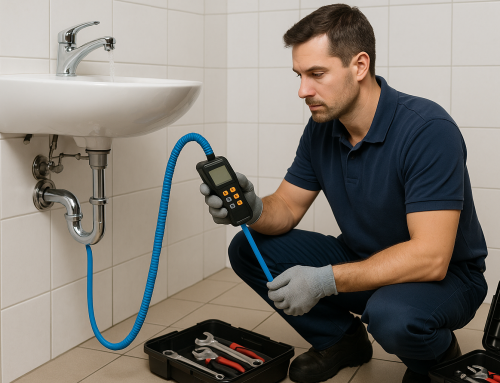
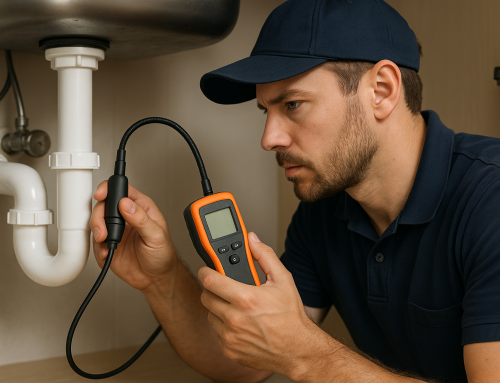
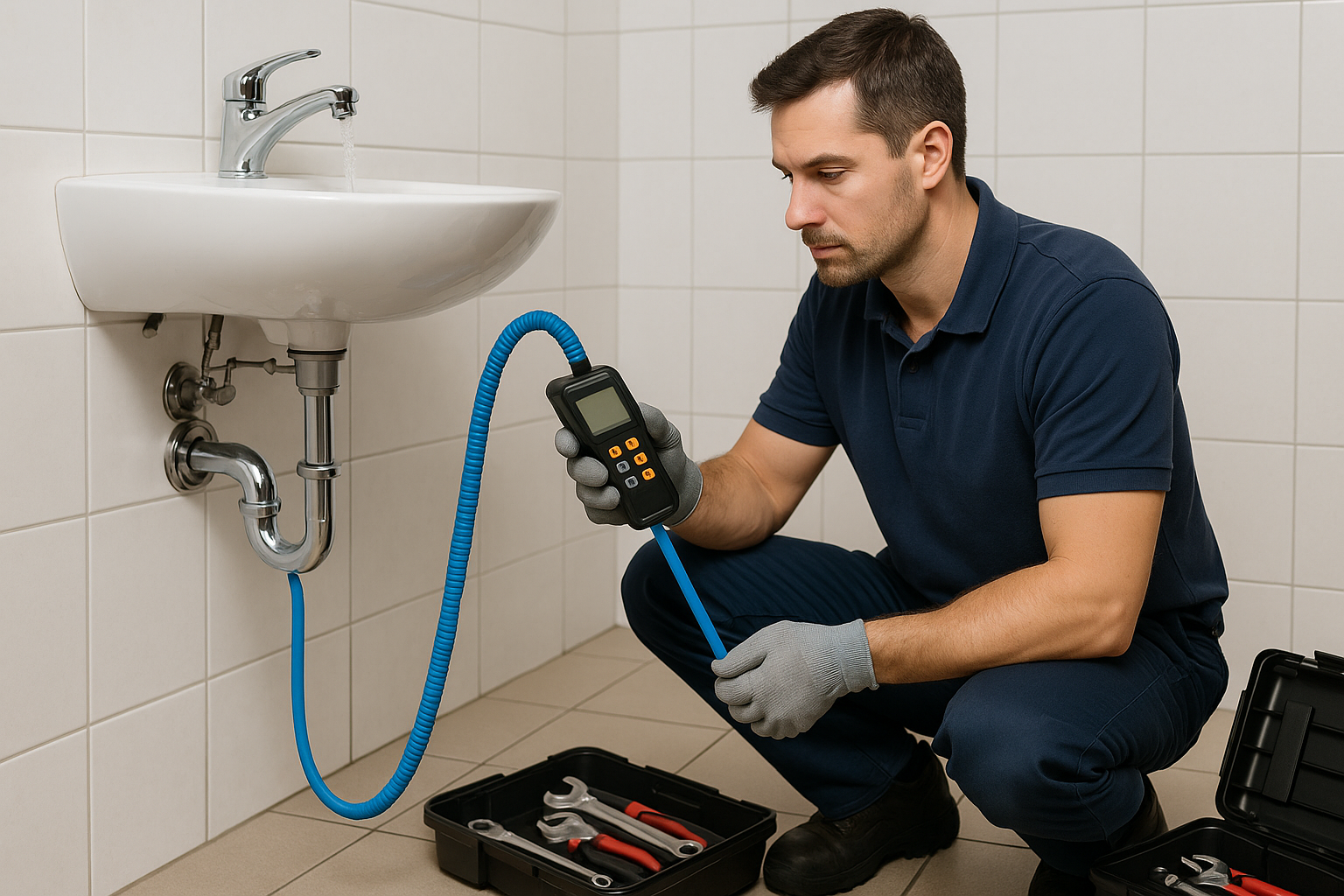
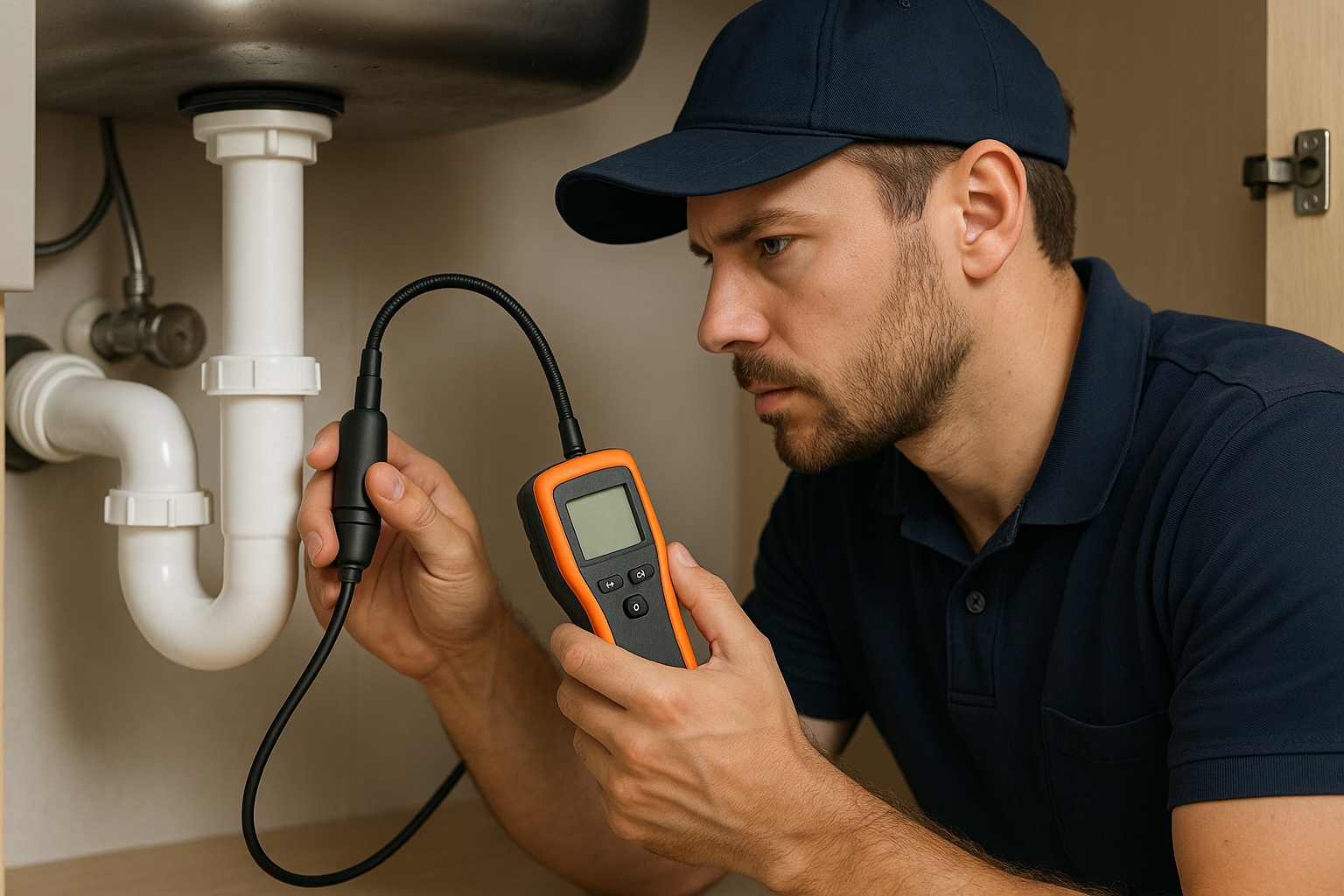
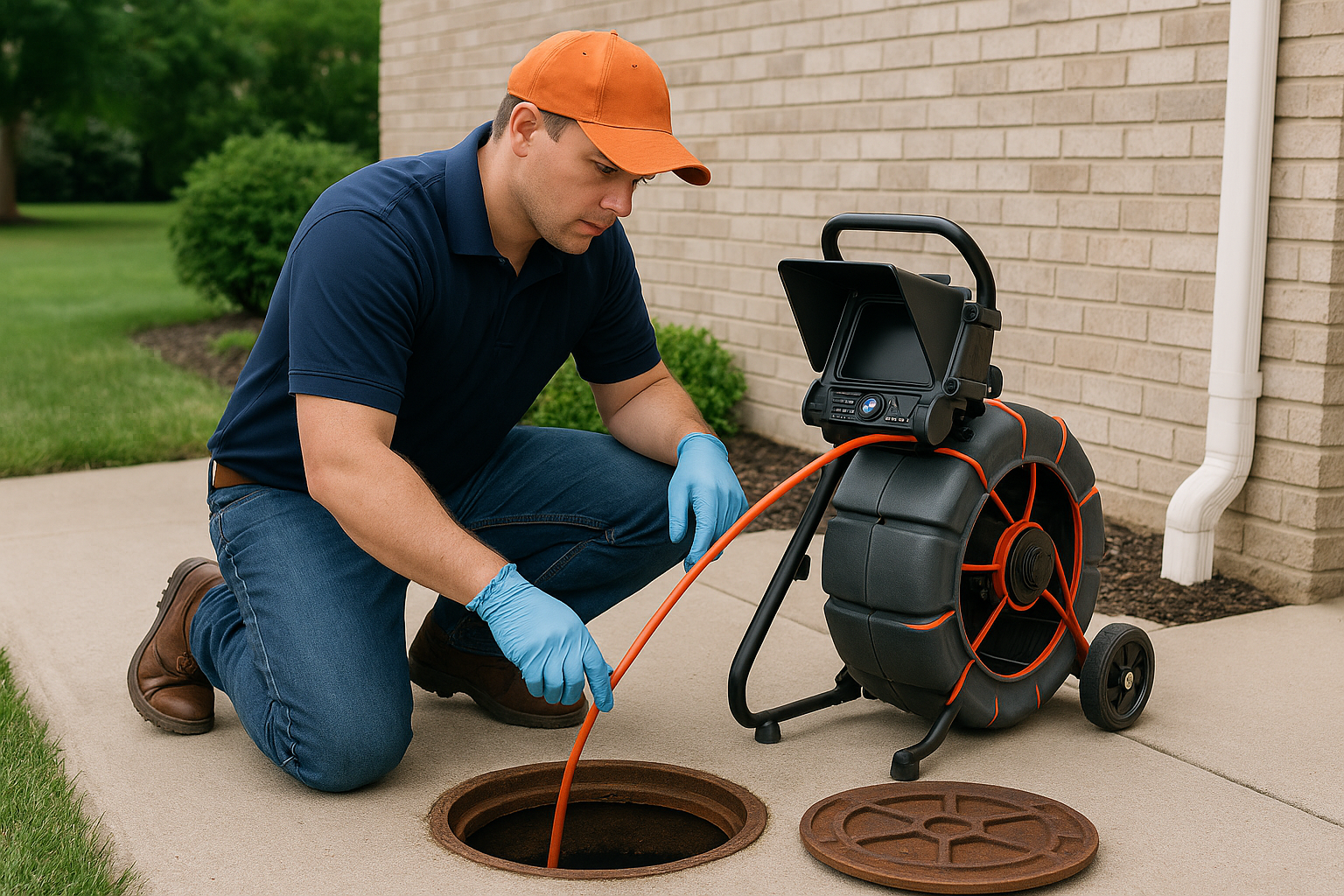
Most sewer line inspections are done with a specialized camera that is fed into the pipe through an access point. The camera sends real-time video to the technician, who can see the inside of the line and document any damage or buildup. This process is noninvasive, fast, and far more accurate than guessing based on symptoms alone.
Why Sewer Line Inspections Matter
Your sewer line plays a critical role in protecting your home’s plumbing system and overall sanitation. When it functions properly, wastewater moves away efficiently and safely. When it fails, the results can be messy, costly, and sometimes hazardous. Sewer line inspections matter because they help catch small issues early, when repairs are simpler and less disruptive.
There are several reasons homeowners schedule inspections. Some do it as part of a routine maintenance plan. Others arrange one before buying or selling a home, since sewer repairs can be expensive and are not always obvious during a standard home inspection. Inspections are also valuable after repeated drain backups, unpleasant odors, slow drains throughout the house, or unexplained soggy spots in the yard.
Early detection can save thousands of dollars. For example, a minor blockage or small root intrusion may be cleared quickly, while a collapsed line can require excavation and full replacement. An inspection gives you the information needed to make smart decisions about repair, replacement, or ongoing maintenance.
Signs You May Need a Sewer Line Inspection
Not every plumbing issue points to the sewer line, but some warning signs are worth taking seriously. If you notice more than one of the following, an inspection is a good idea.
Frequent Drain Backups
If toilets, tubs, or sinks keep backing up, especially in multiple rooms, the issue may be deeper than a simple clog. Repeated backups often suggest a blockage or obstruction in the main sewer line.
Slow Drains Throughout the Home
One slow drain usually indicates a local problem. Several slow drains at once can signal a larger issue in the main line. When wastewater struggles to exit the home, a sewer inspection can identify the cause.
Bad Odors
Persistent sewage smells inside the home or around the yard may point to a damaged or blocked sewer line. These odors should never be ignored, especially if they appear suddenly.
Soggy or Lush Spots in the Yard
Extra-green patches of grass, wet soil, or sinkholes can indicate a leaking sewer pipe underground. Wastewater escaping from the line may fertilize the surrounding area while also causing structural damage.
Gurgling Sounds
Gurgling toilets or drains often mean air is trapped in the plumbing system due to a partial blockage or venting issue. A sewer camera inspection can help determine whether the main line is involved.
How Sewer Line Inspections Are Performed
In most cases, a sewer inspection begins with locating a cleanout or another access point. The technician inserts a waterproof camera attached to a flexible cable into the pipe and slowly advances it through the system. As the camera moves, the technician watches a live feed and looks for problems such as debris, tree roots, cracks, bellies, corrosion, offset joints, or collapsed sections.
The camera may also include a built-in locator so the technician can identify the exact location and depth of a problem underground. This is especially helpful if repairs are needed, because it reduces guesswork and limits unnecessary digging.
Depending on the condition of the line, the inspection may take anywhere from 30 minutes to a couple of hours. In many cases, the technician will provide a recording or report so you can review the findings and discuss next steps.
Common Problems Found During Inspection
Sewer inspections often reveal a few recurring issues. Tree root intrusion is one of the most common. Roots naturally seek moisture and can enter pipes through tiny cracks or joints, eventually causing major blockages. Another common issue is grease buildup, which can narrow the pipe over time and trap other debris.
Older homes may have aging clay, cast iron, or Orangeburg pipes that are more likely to crack, corrode, or collapse. Shifting soil can also cause sections of the line to sag or separate. These low spots, often called bellies, allow waste and water to pool, which can lead to repeated clogs.
In some cases, the inspection reveals that the problem is not a major defect at all, but a localized blockage that can be cleared with hydro jetting or snaking. Either way, the inspection provides clarity and prevents unnecessary repairs.
Benefits of Routine Sewer Line Inspections
Routine inspections are especially valuable if your home is older, surrounded by mature trees, or has a history of plumbing issues. Regular checks can identify early signs of wear before they develop into emergencies. They also help establish a maintenance history, which can be useful if you plan to sell your home later.
Another benefit is peace of mind. Knowing the condition of your sewer line helps you budget for future repairs and avoid surprise failures. It also supports better long-term decision-making, whether that means cleaning the line, scheduling a spot repair, or planning for replacement when the system reaches the end of its life.
What to Do After the Inspection
After the inspection, review the technician’s findings carefully. If the line is in good shape, ask whether routine maintenance is recommended and how often future inspections should be scheduled. If problems are found, request a clear explanation of the severity, the likely cause, and the available repair options.
In some situations, simple cleaning may be enough. In others, a spot repair, pipe lining, or full replacement may be necessary. A trustworthy professional should explain the pros and cons of each option so you can choose the best path for your home and budget.
Conclusion
A sewer line inspection is one of the smartest ways to protect your home from hidden plumbing problems. By spotting damage early and confirming the condition of the line, you can avoid costly surprises, reduce stress, and keep wastewater flowing the way it should. If you are dealing with recurring drain issues or simply want peace of mind, scheduling an inspection is a practical first step.