Introduction
Plumbing is one of those essential systems that often goes unnoticed until something goes wrong. From delivering clean water to safely removing wastewater, a well-functioning plumbing system keeps a home or business running smoothly every day. Professional plumbing services cover far more than fixing a leaking faucet or unclogging a drain. They help protect property, improve efficiency, and prevent costly damage before it starts.
Whether you need routine maintenance, emergency repairs, or a full system installation, understanding what plumbing services include can help you make better decisions for your property. In this post, we’ll explore the most common plumbing services, when to call a plumber, and how expert care can save time, money, and stress.
What Plumbing Services Include
Plumbing services cover the installation, repair, replacement, and maintenance of water supply and drainage systems. Licensed plumbers work on a wide range of components, including pipes, fixtures, water heaters, valves, sewer lines, and more. These services are used in residential, commercial, and industrial settings, with each requiring different expertise and equipment.
At a basic level, plumbing services ensure that water flows where it should and waste leaves the property safely. But modern plumbing professionals also help improve water pressure, boost energy efficiency, and identify hidden issues that may not be obvious to property owners.
Residential Plumbing Services
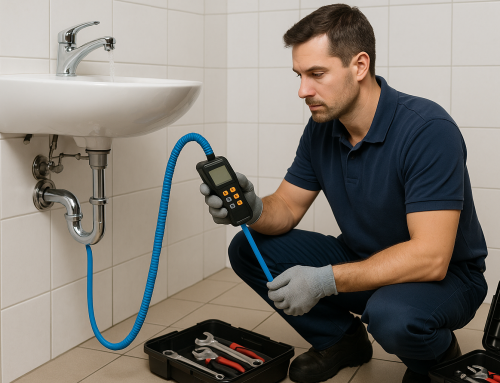
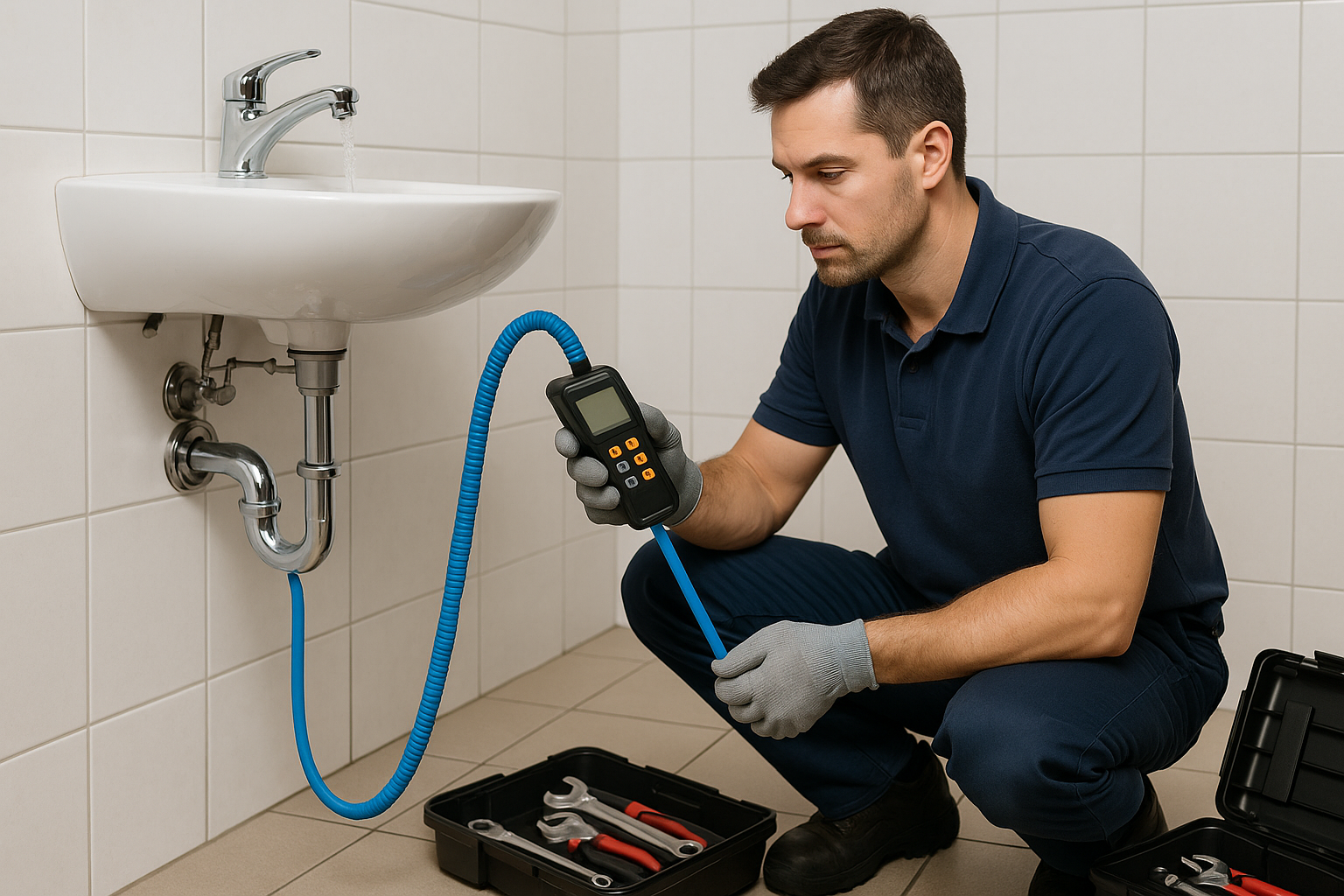
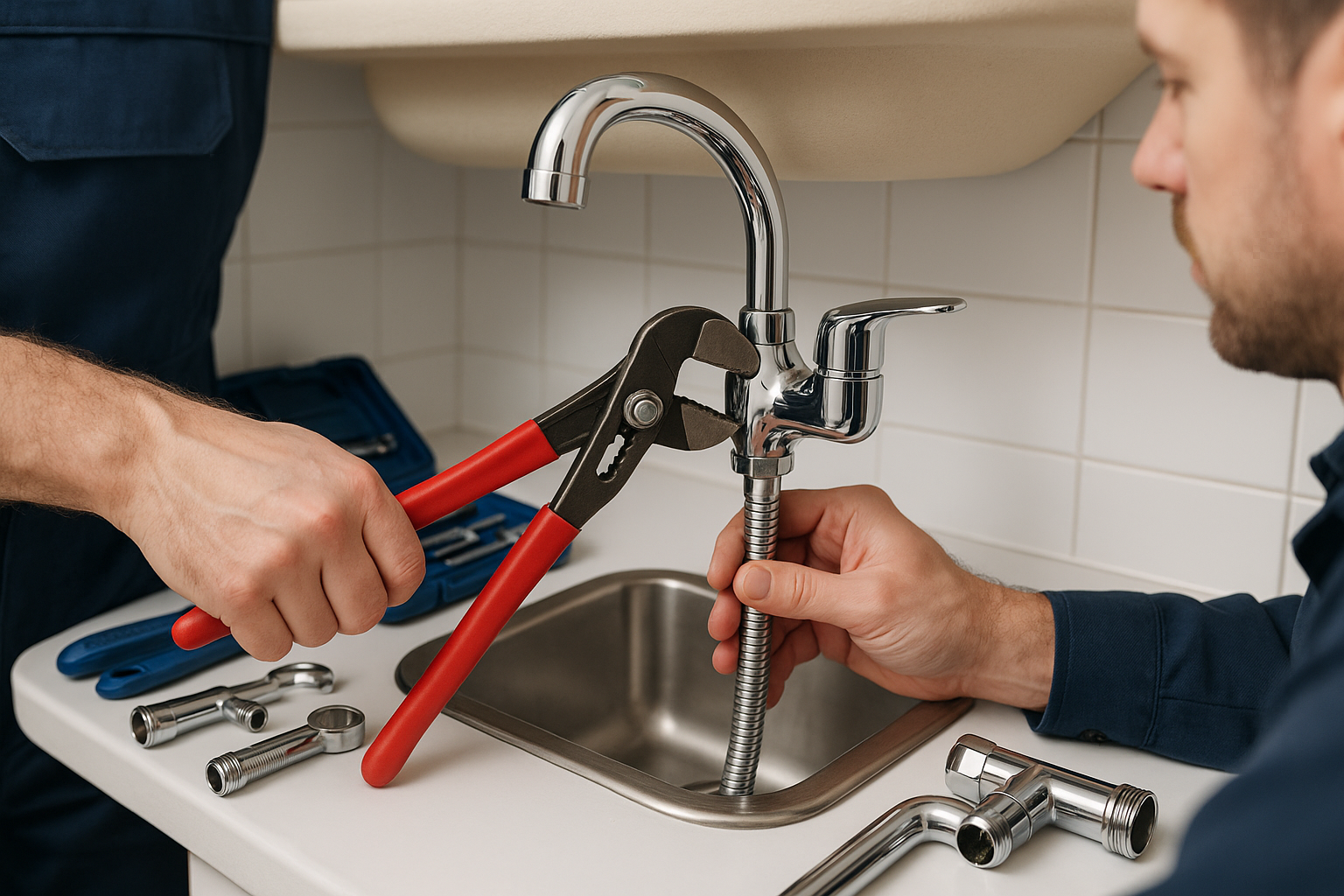
Residential plumbing focuses on homes, apartments, and other living spaces. Common services include repairing leaky faucets, replacing toilets, clearing drains, fixing broken pipes, and installing sinks, showers, and water heaters. Homeowners also rely on plumbers for seasonal maintenance and inspections to keep systems operating efficiently.
Because household plumbing is used daily, small issues can quickly become major problems if ignored. A minor drip may increase water bills, while a hidden pipe leak can damage walls, flooring, and cabinets. Regular residential plumbing services help prevent these issues and extend the lifespan of plumbing fixtures.
Commercial Plumbing Services
Commercial plumbing is designed for businesses, office buildings, restaurants, schools, and other facilities with higher usage demands. These systems often involve more complex piping, larger fixtures, and stricter compliance requirements. Commercial plumbers handle everything from routine maintenance and backflow prevention to grease trap cleaning and large-scale repairs.
Downtime can be expensive for businesses, so fast and reliable plumbing support is critical. A plumbing issue in a commercial property can affect employees, customers, and operations, making preventative service especially important.
Common Plumbing Repairs and Installations
Plumbing professionals handle a wide range of repairs and installations. Some of the most common services include:
- Drain cleaning: Removing buildup, debris, and blockages that slow drainage or cause backups.
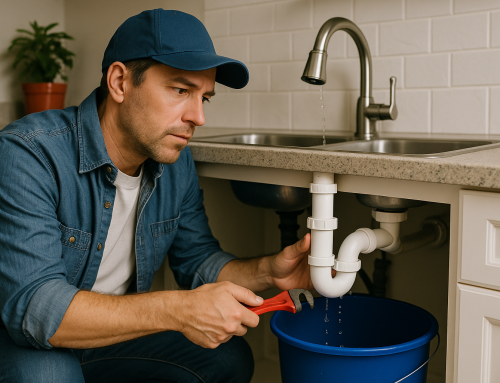
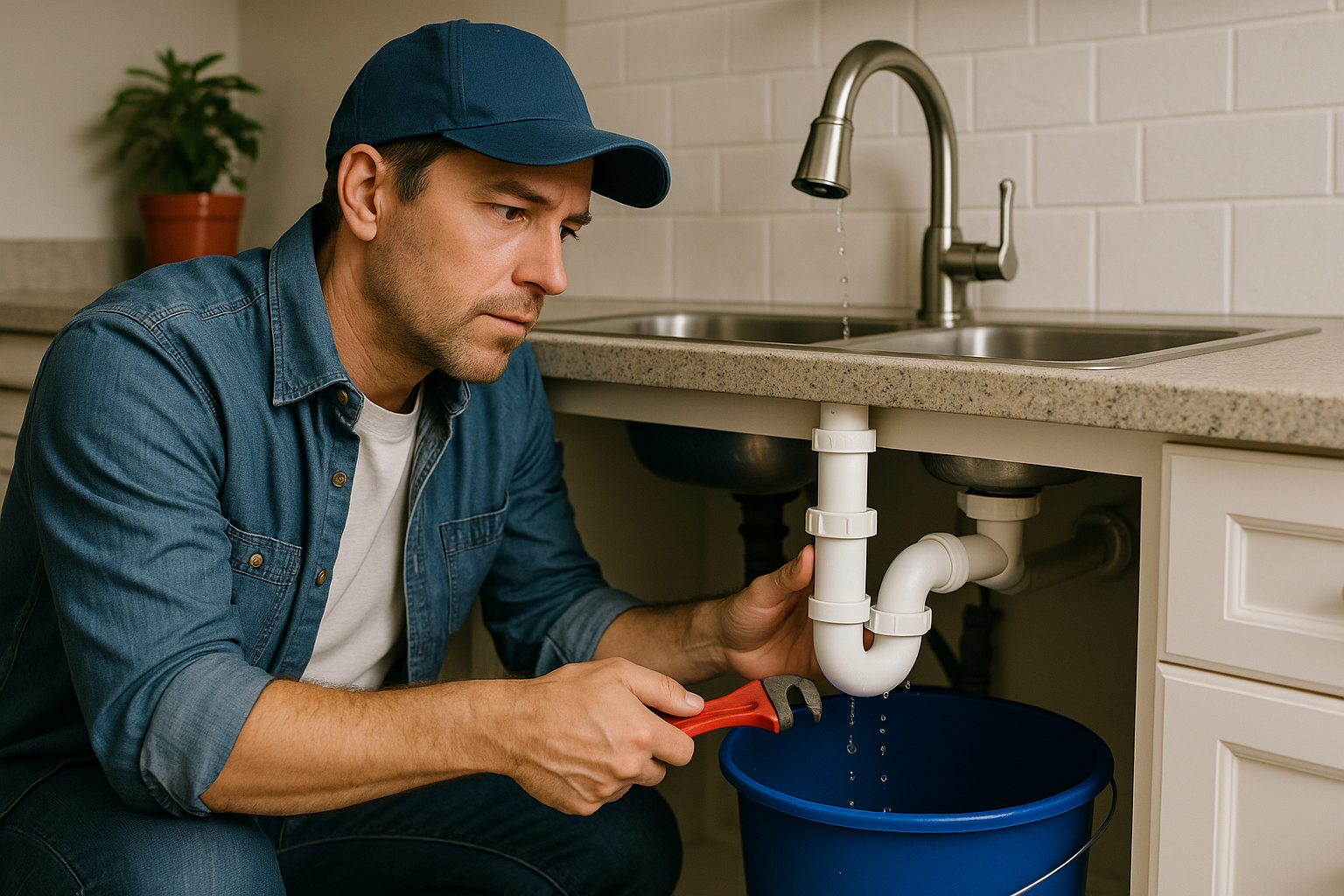
- Leak repair: Fixing dripping faucets, leaking pipes, and damaged fixtures to stop water waste and property damage.
- Pipe replacement: Replacing corroded, cracked, or outdated pipes that may fail over time.
- Water heater services: Repairing, maintaining, or installing tank and tankless water heaters.
- Fixture installation: Installing sinks, toilets, tubs, showers, and garbage disposals.
- Sewer line repair: Addressing blockages, root intrusion, or broken sewer lines.
- Toilet repair: Fixing running toilets, clogs, and flushing issues.
These services may sound simple, but each one requires the right tools and knowledge to be completed safely and correctly. Professional plumbers can also identify the root cause of a problem instead of just treating the symptoms.
Signs You Need a Plumber
Some plumbing problems are obvious, while others develop quietly over time. Knowing the warning signs can help you act before a small issue becomes an expensive repair.
Common signs you should call a plumber include:
- Slow-draining sinks, tubs, or showers
- Low water pressure throughout the property
- Frequent clogs or recurring backups
- Unusual sounds in pipes or fixtures
- Water stains on ceilings, walls, or floors
- Unexplained increases in water bills
- Bad odors coming from drains
- Hot water that runs out too quickly
If you notice any of these issues, it’s best not to delay. Early inspection and repair can prevent water damage, mold growth, and system failure.
Benefits of Professional Plumbing Services
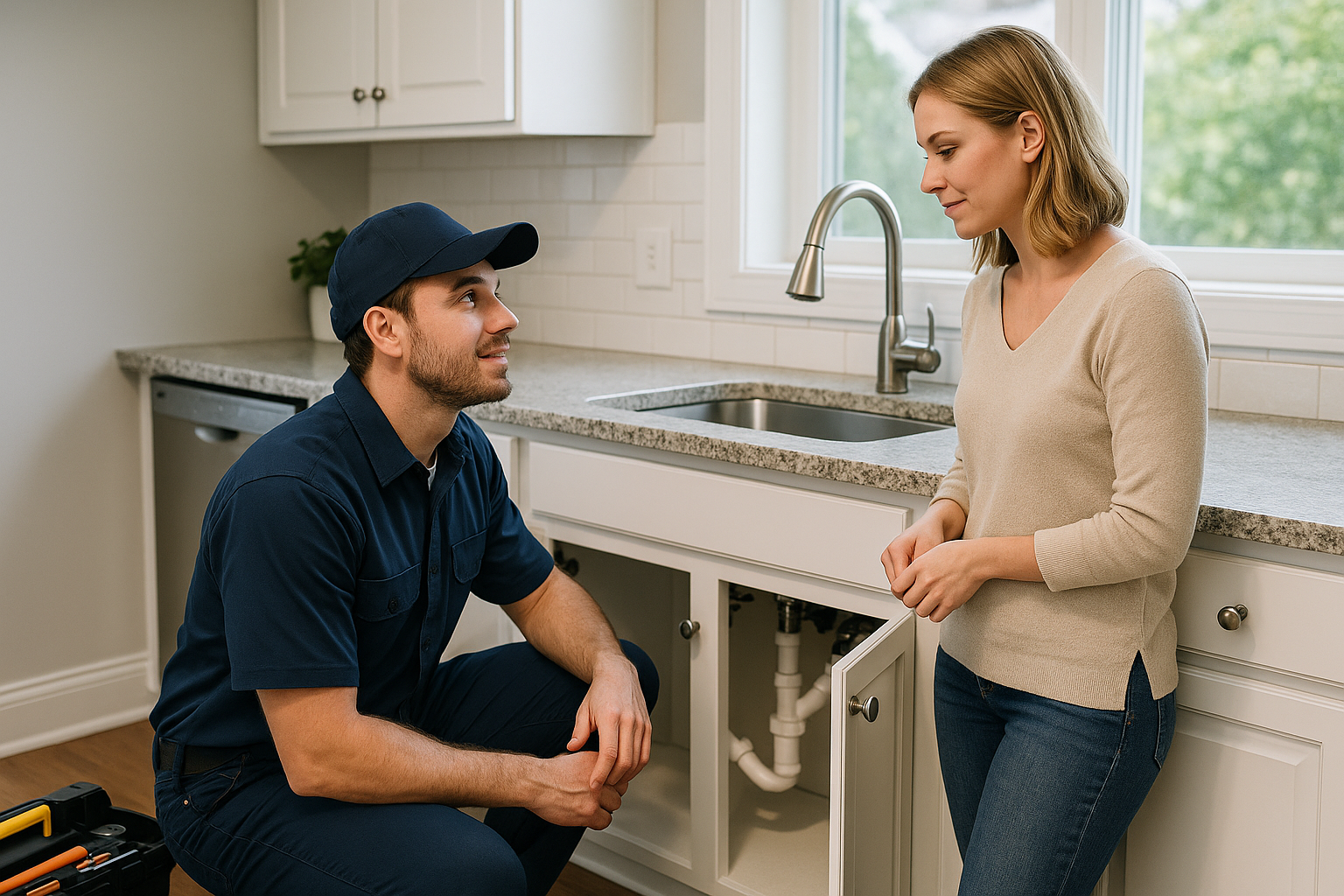
Hiring a professional plumber offers several important benefits. First, trained plumbers bring experience and diagnostic skill that can save time and reduce guesswork. They can quickly identify problems, recommend solutions, and complete repairs using industry-standard methods.
Second, professional plumbing work helps protect your property. Water damage can be costly and difficult to repair, especially when leaks go unnoticed behind walls or under flooring. A licensed plumber can address issues before they spread.
Third, professional service can improve efficiency. Repairing leaks, upgrading fixtures, and maintaining water heaters can reduce water and energy waste. In many cases, better plumbing performance also lowers utility bills.
Finally, working with a licensed provider gives peace of mind. Proper installation and repair help ensure that plumbing systems are safe, reliable, and up to code.
Preventive Maintenance for Long-Term Performance
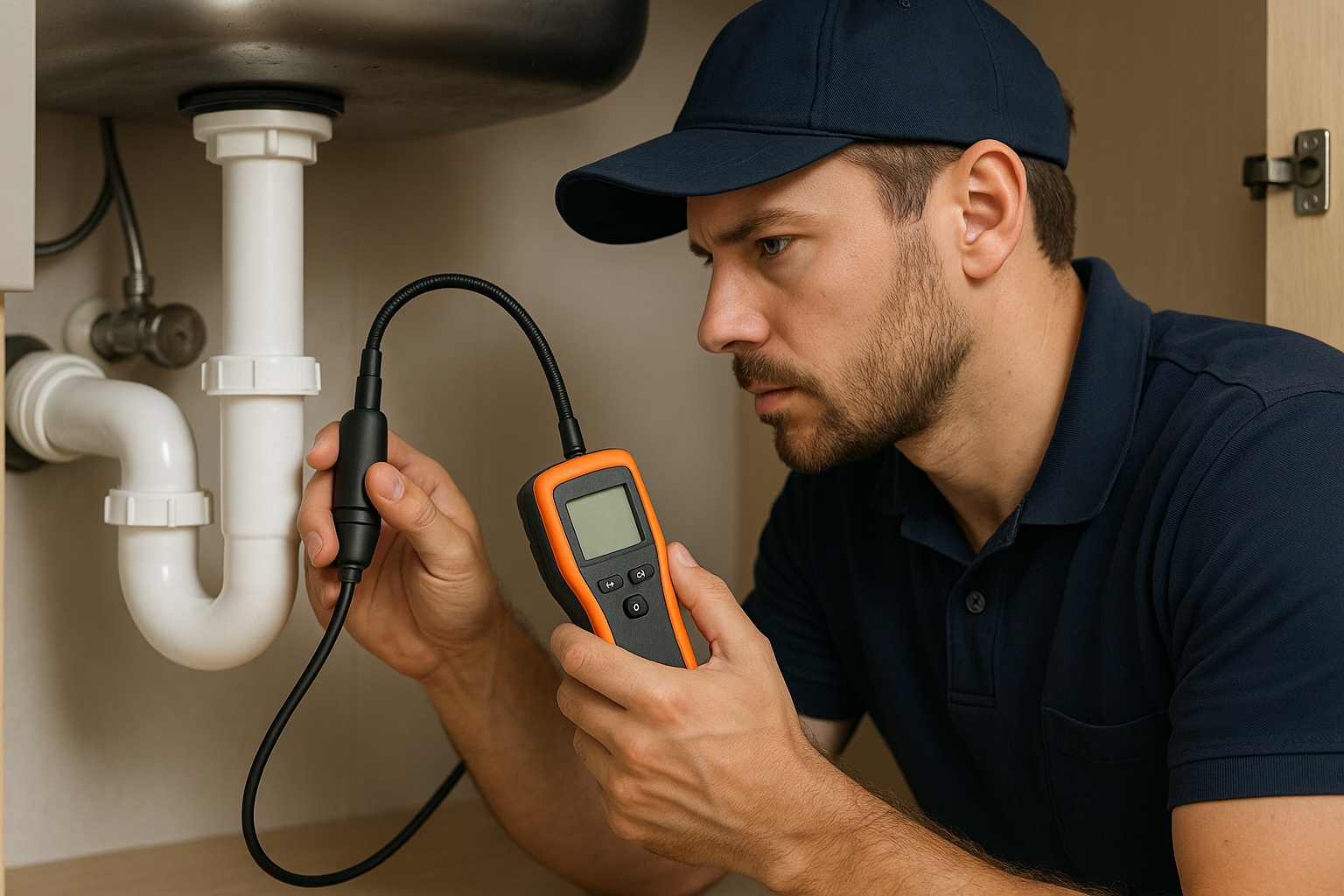
Many people only think about plumbing when something breaks, but preventive maintenance is one of the best ways to avoid emergencies. Routine inspections and upkeep can catch worn parts, minor leaks, and early signs of corrosion before they turn into major repairs.
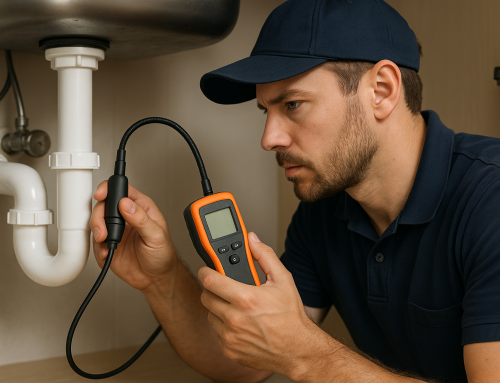
Preventive maintenance may include flushing water heaters, checking pipe joints, cleaning drains, testing water pressure, and inspecting fixtures for leaks. For commercial properties, it may also include scheduled sewer line checks and backflow testing.
Simple habits at home can also support plumbing health, such as avoiding grease down the drain, using drain screens, and not flushing non-flushable items. Combined with professional maintenance, these habits can keep your system working efficiently for years.
Conclusion
Plumbing services are a vital part of keeping any property safe, efficient, and comfortable. From small repairs to major installations, professional plumbers help maintain the systems that deliver clean water and remove waste. By recognizing the signs of plumbing trouble and scheduling regular maintenance, you can protect your property and avoid unnecessary expenses. When plumbing issues arise, expert help makes all the difference.