What Is Sewer Line Replacement?
Sewer line replacement is the process of removing a damaged, deteriorated, or collapsed sewer pipe and installing a new one. This line carries wastewater from your home to the municipal sewer system or septic setup, so when it fails, the results can be messy, expensive, and disruptive. Unlike a simple clog, a failing sewer line is a structural problem that usually gets worse over time.
In many homes, sewer lines are buried underground, which means problems often go unnoticed until warning signs become hard to ignore. A replacement may involve digging up part of your yard, driveway, or landscaping, or using trenchless methods when the pipe and site conditions allow it.
Signs You May Need Sewer Line Replacement
Some sewer issues can be repaired, but repeated backups or major pipe damage may point to replacement. Common warning signs include:
- Frequent drain clogs in multiple fixtures
- Slow drains throughout the home
- Sewage odors inside or outside
- Gurgling toilets or drains
- Wet patches, sinkholes, or unusually green grass in the yard
- Backups in tubs, showers, or floor drains
- Visible foundation or landscaping damage from shifting soil or leaks
If several of these signs show up at once, the issue may be deeper than a localized blockage. A professional inspection can determine whether the line needs cleaning, repair, or full replacement.
Common Causes of Sewer Line Damage
Sewer lines can fail for several reasons, and the cause often affects the best solution. Older homes may have cast iron, clay, or Orangeburg pipes that naturally wear down over time. Tree roots are another common culprit, especially when they enter joints or cracks searching for moisture.
Other causes include corrosion, shifting soil, ground movement, poor original installation, and damage from heavy vehicles or nearby construction. In some cases, recurring grease buildup or debris can strain an already weakened pipe until it breaks.
How the Replacement Process Works
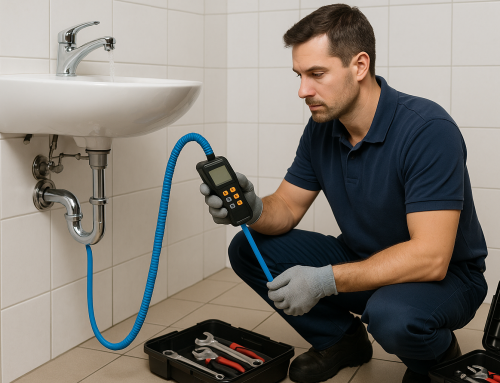
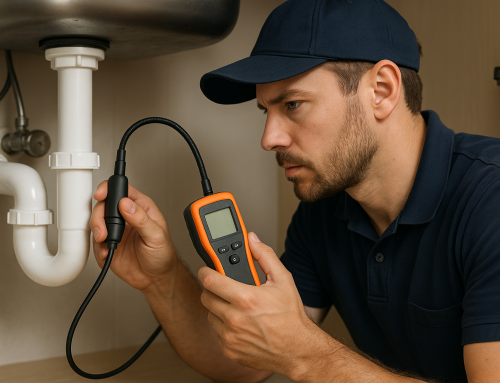
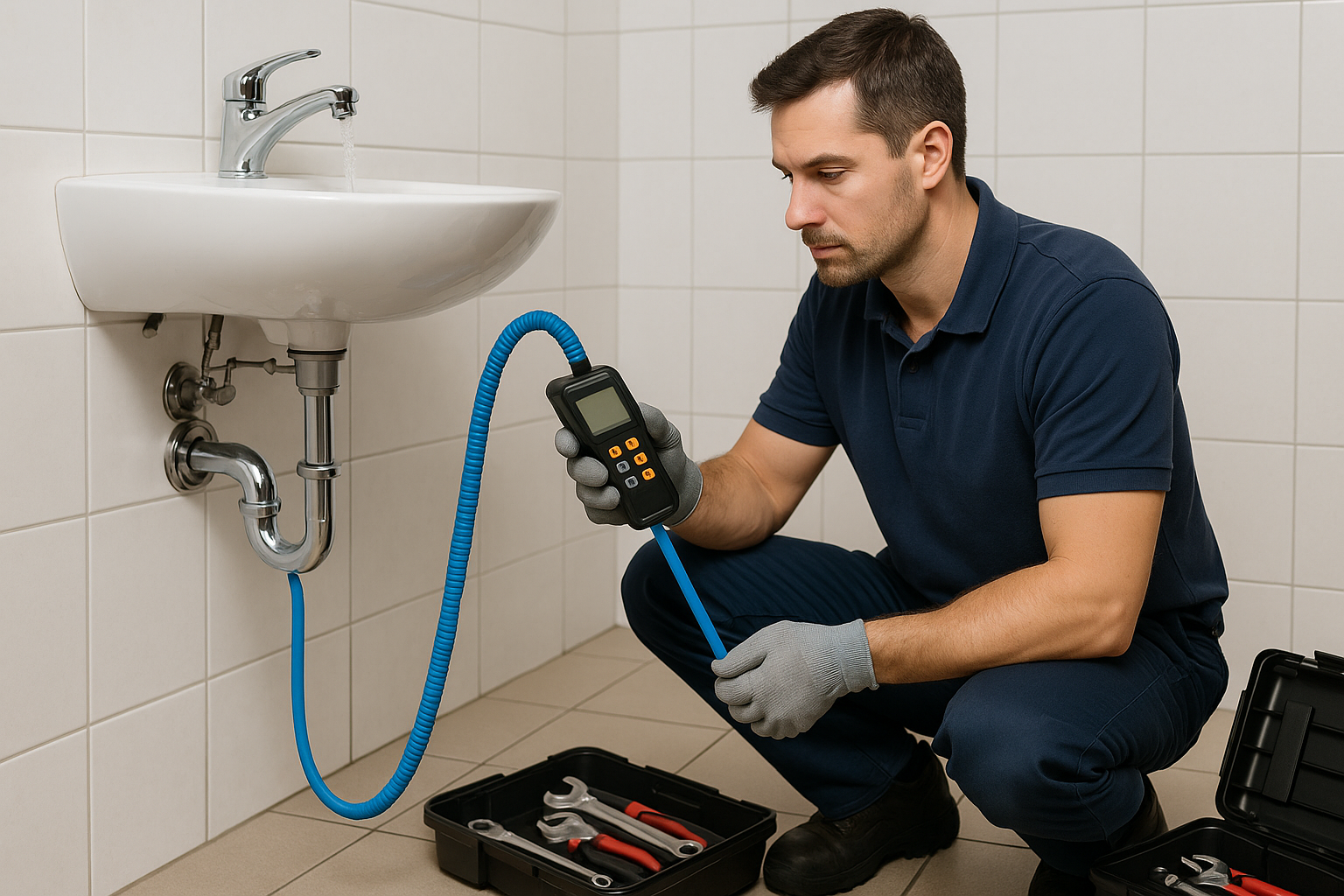
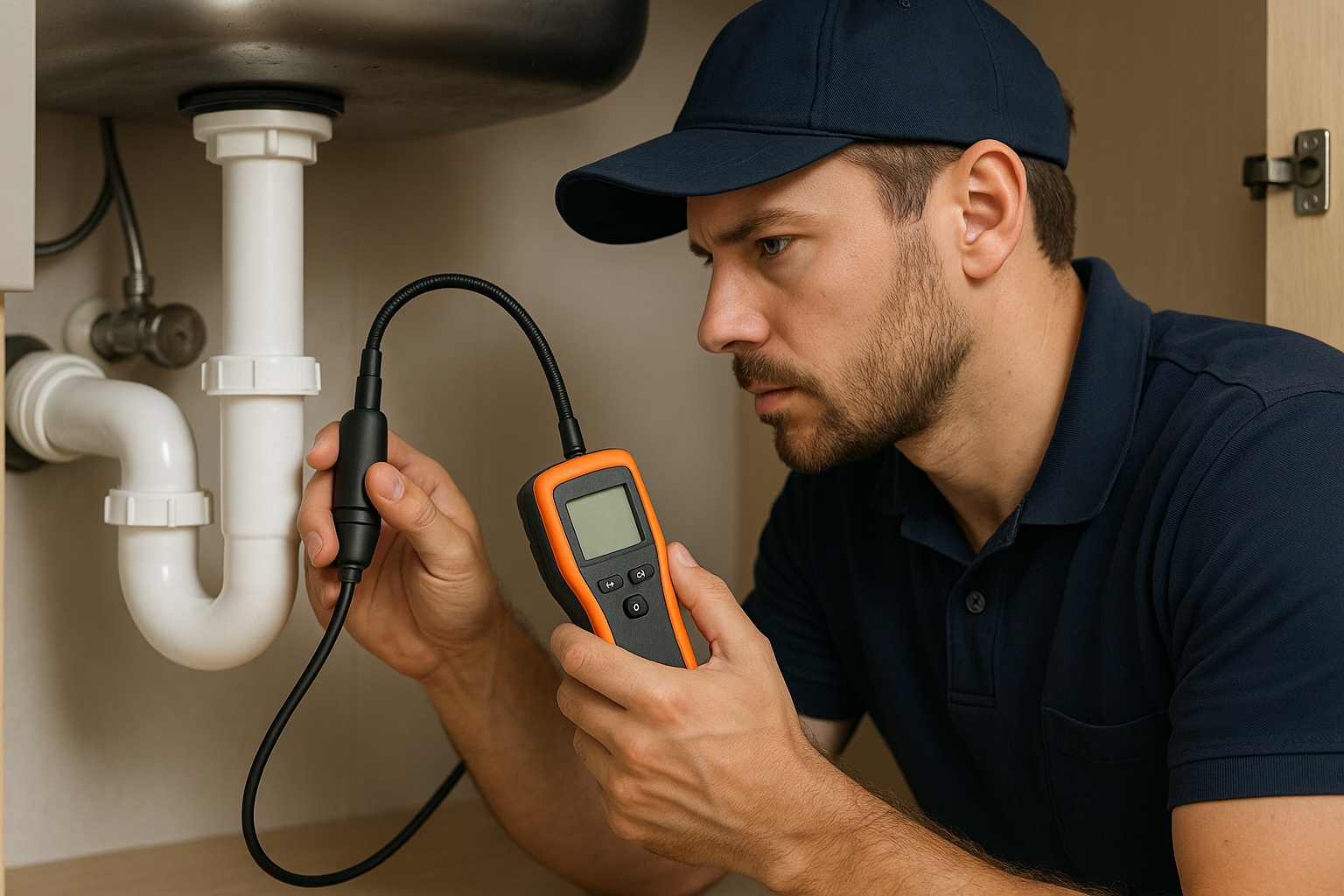
The sewer line replacement process usually begins with a camera inspection. This allows a plumber to locate the damage and evaluate the pipe’s condition. Once the problem is confirmed, the contractor will explain the replacement options and help determine whether a traditional or trenchless approach is possible.
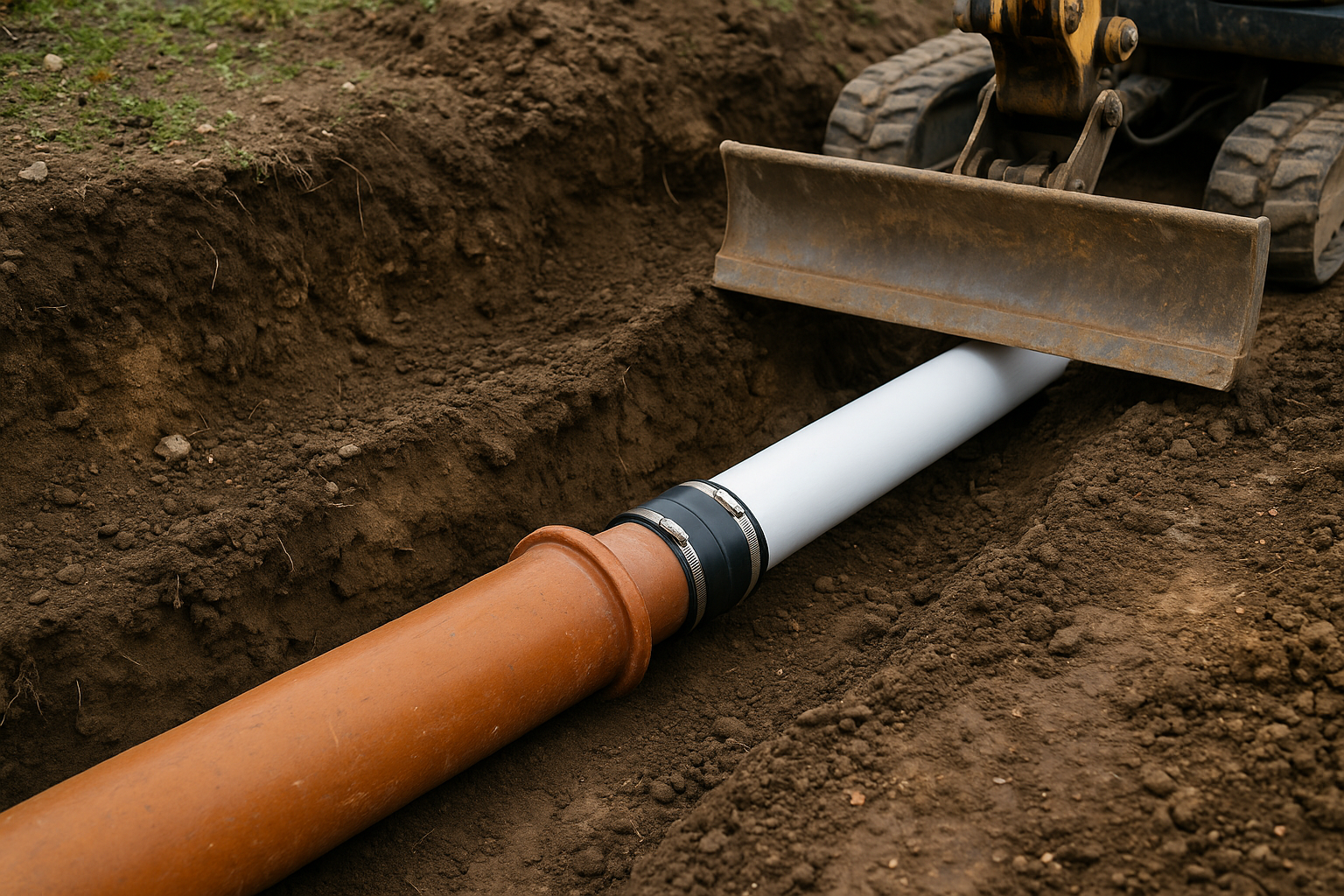
With traditional replacement, workers excavate the damaged section of pipe, remove it, and install a new line. This method is often necessary when the pipe is badly collapsed or when the route is too compromised for trenchless work. After the new pipe is installed and tested, the trench is filled in and the area is restored as much as possible.
Trenchless replacement, when appropriate, minimizes digging. Two common methods are pipe bursting and pipe lining. Pipe bursting breaks apart the old pipe while pulling a new one into place, while pipe lining creates a new interior layer inside the existing pipe. These methods can reduce disruption, but they are not suitable for every situation.
Traditional vs. Trenchless Sewer Replacement
Choosing between traditional and trenchless sewer replacement depends on the pipe’s condition, location, and the surrounding property. Traditional replacement is more invasive, but it offers full access to the pipe and is often the best choice for severe damage or collapsed lines. It may also be necessary when the sewer route needs major corrections.
Trenchless methods are attractive because they usually preserve landscaping, sidewalks, and driveways. They can also be faster in some cases. However, they may cost more upfront and are only possible if the existing line and site conditions meet certain requirements. A qualified plumbing professional can help you compare the options and choose the most practical solution.
How Much Does Sewer Line Replacement Cost?
The cost of sewer line replacement can vary widely based on several factors. These include the length of the pipe, how deep it is buried, the material used, the extent of the damage, and whether the work requires extensive excavation. Permits, local labor rates, and restoration costs can also affect the final price.
Trenchless replacement may lower cleanup and restoration expenses, but it is not always cheaper overall. Traditional replacement may have a lower equipment cost but higher costs for digging and rebuilding affected areas. Since every property is different, it is best to get a detailed estimate before work begins.
Can Sewer Line Problems Be Repaired Instead of Replaced?
Yes, in some cases. Minor cracks, localized root intrusion, or a small damaged section may be repairable. Cleaning, spot repairs, or pipe relining can sometimes extend the life of the sewer system without replacing the entire line. If the pipe is largely intact, a repair may be the most cost-effective option.
That said, repeated repairs can become more expensive over time if the pipe is aging or failing in several places. If the line has widespread corrosion, multiple breaks, or a collapsed section, replacement is usually the smarter long-term investment.
How to Prevent Future Sewer Line Problems
Once a new sewer line is installed, a few habits can help protect it. Avoid flushing wipes, grease, feminine hygiene products, and other items that can clog pipes. Be mindful of tree placement near underground lines, and consider root barriers if trees are already established nearby.
Routine maintenance also helps. Scheduling occasional inspections can catch developing issues early, especially in older homes or properties with a history of sewer trouble. If you notice slow drains or odors again, address them quickly before small issues turn into major damage.
Conclusion
Sewer line replacement is never a fun project, but it can restore proper drainage, prevent sewage backups, and protect your home from costly damage. By recognizing the warning signs early and understanding your replacement options, you can make a more informed decision and avoid bigger problems down the road.