What Is Irrigation Plumbing?
Irrigation plumbing is the network of pipes, valves, fittings, controllers, and water delivery components that move water from a source to lawns, gardens, crops, and landscaped areas. In simple terms, it is the plumbing system behind automated watering. Whether the setup supports a small backyard garden or a large commercial landscape, irrigation plumbing is what makes consistent, controlled watering possible.
A well-designed irrigation plumbing system helps distribute water where it is needed, when it is needed, and in the right amount. That makes it different from simply attaching a garden hose to a sprinkler. Proper irrigation plumbing is planned around water pressure, pipe sizing, zone layout, soil type, plant needs, and local weather conditions.
Why Irrigation Plumbing Matters
Efficient irrigation is about more than convenience. A correctly installed system can reduce water waste, protect plant health, and save time. It can also improve property value and reduce the long-term cost of landscape maintenance.
Without a proper plumbing layout, irrigation systems may suffer from uneven coverage, low pressure, leaks, or overwatering. These issues can lead to dry patches, root damage, erosion, and higher utility bills. By contrast, a well-built system delivers water evenly and reliably, helping plants thrive while using resources responsibly.
Key Benefits
- More even water distribution across the landscape
- Lower water bills through better efficiency
- Healthier lawns, plants, and garden beds
- Reduced manual watering and labor
- Better control over watering schedules and zones
Main Components of an Irrigation Plumbing System
Although systems vary in size and complexity, most irrigation plumbing setups include the same basic parts. Each component plays an important role in moving water safely and efficiently.
Water Source and Main Line
The water source may be a municipal supply, a well, a rainwater harvesting tank, or another dedicated source. The main line carries water from the source to the rest of the irrigation network. It must be properly sized to support the overall demand of the system.
Valves and Zoning
Control valves divide the landscape into zones. Each zone waters a specific area based on plant type, sun exposure, slope, and soil conditions. Zoning is one of the most important parts of irrigation plumbing because it prevents some areas from being overwatered while others are left too dry.
Pipes and Fittings
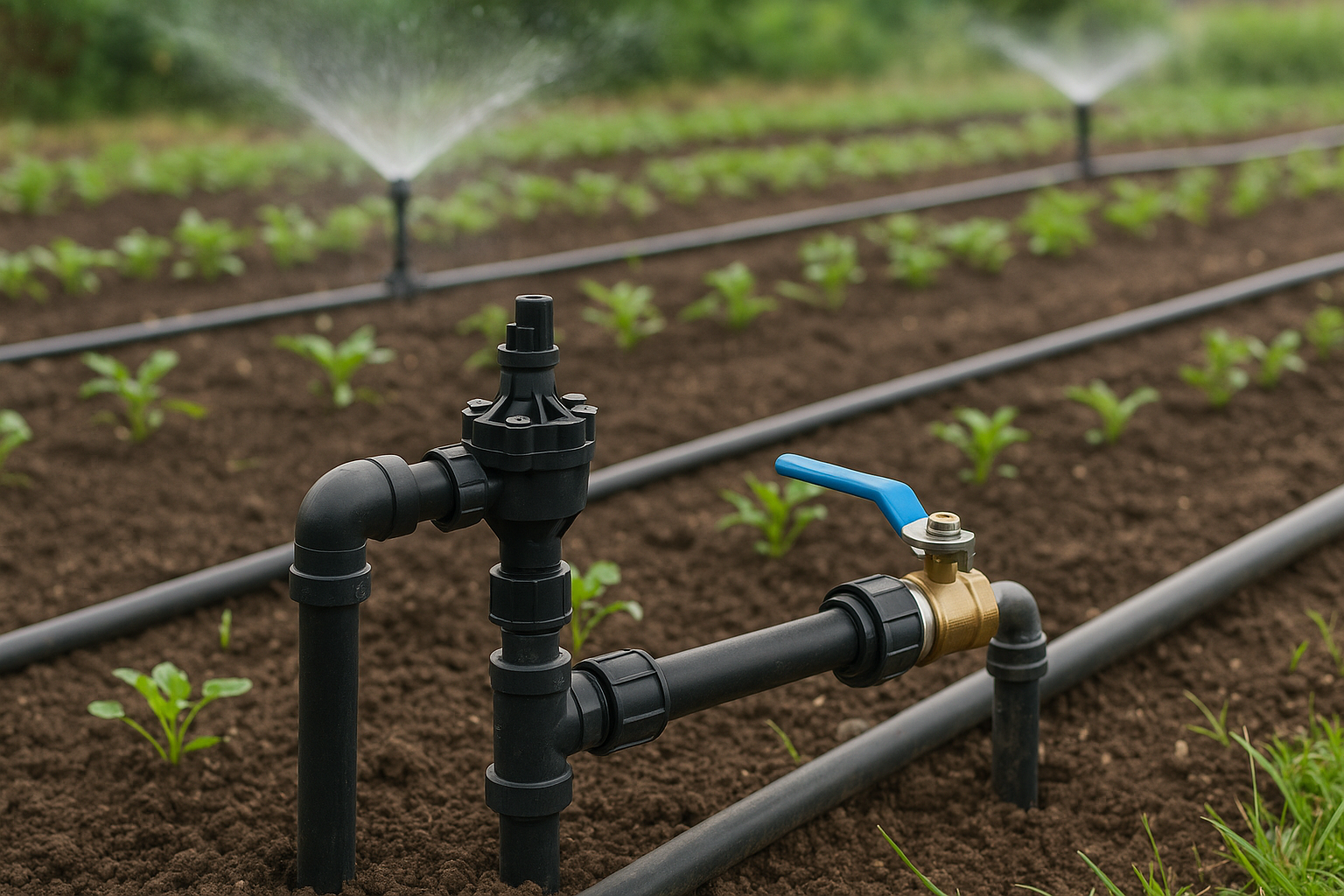
Pipes move water throughout the system, while fittings connect sections and change direction as needed. Common pipe materials include PVC, polyethylene, and sometimes copper or galvanized metal in specialized applications. The right material depends on climate, pressure, installation method, and budget.
Sprinklers, Drip Lines, and Emitters
The delivery method depends on the landscape. Sprinkler heads are often used for lawns and larger open areas. Drip irrigation is better for garden beds, shrubs, trees, and planting areas where slow, targeted watering is ideal. Emitters release water at a controlled rate, helping reduce runoff and evaporation.
Controller and Sensors
An irrigation controller automates watering schedules. More advanced systems may include rain sensors, soil moisture sensors, and smart controls that adjust watering based on weather data. These features improve efficiency and help avoid unnecessary watering after rainfall.
How Irrigation Plumbing Systems Work
Water enters the system from the source and passes through the main line to the control valves. The controller opens each valve according to a programmed schedule, allowing water to flow into a specific zone. From there, pipes deliver the water to sprinklers, drip lines, or emitters.
Pressure is an important factor throughout the process. Too much pressure can damage fittings and cause misting or runoff. Too little pressure can lead to weak spray patterns and poor coverage. That is why pressure regulation, proper pipe sizing, and careful design are essential in irrigation plumbing.
In a good system, each zone runs long enough to give plants the water they need without wasting any. The goal is not just to water the landscape, but to water it intelligently.
Common Irrigation Plumbing Materials
Choosing the right materials is critical for system performance and durability. Different parts of the system may require different materials depending on the application.
PVC Pipe
PVC is one of the most common choices for irrigation systems because it is affordable, durable, and resistant to corrosion. It is often used underground in permanent installations, especially for main lines and lateral lines.
Polyethylene Pipe
Polyethylene, or poly pipe, is flexible and easy to work with. It is often used in drip irrigation systems and areas where a more flexible installation is helpful. It can also be easier to repair or modify than rigid pipe.
Brass, Plastic, and Stainless-Steel Components
Valves, connectors, and fittings may be made from brass, plastic, or stainless steel. Brass is durable and reliable, while plastic is lightweight and affordable. Stainless steel is often used in areas where corrosion resistance is especially important.
Maintenance Tips for Irrigation Plumbing
Even the best irrigation system needs regular maintenance. Small issues can turn into major problems if they are ignored, so routine checks are well worth the effort.
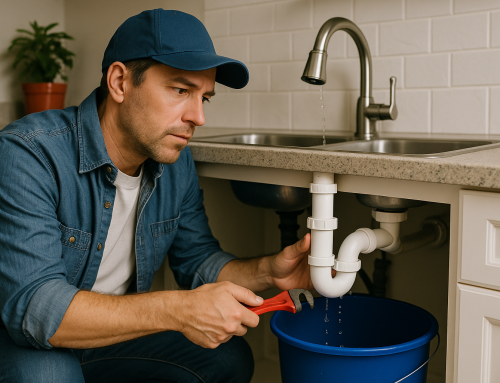
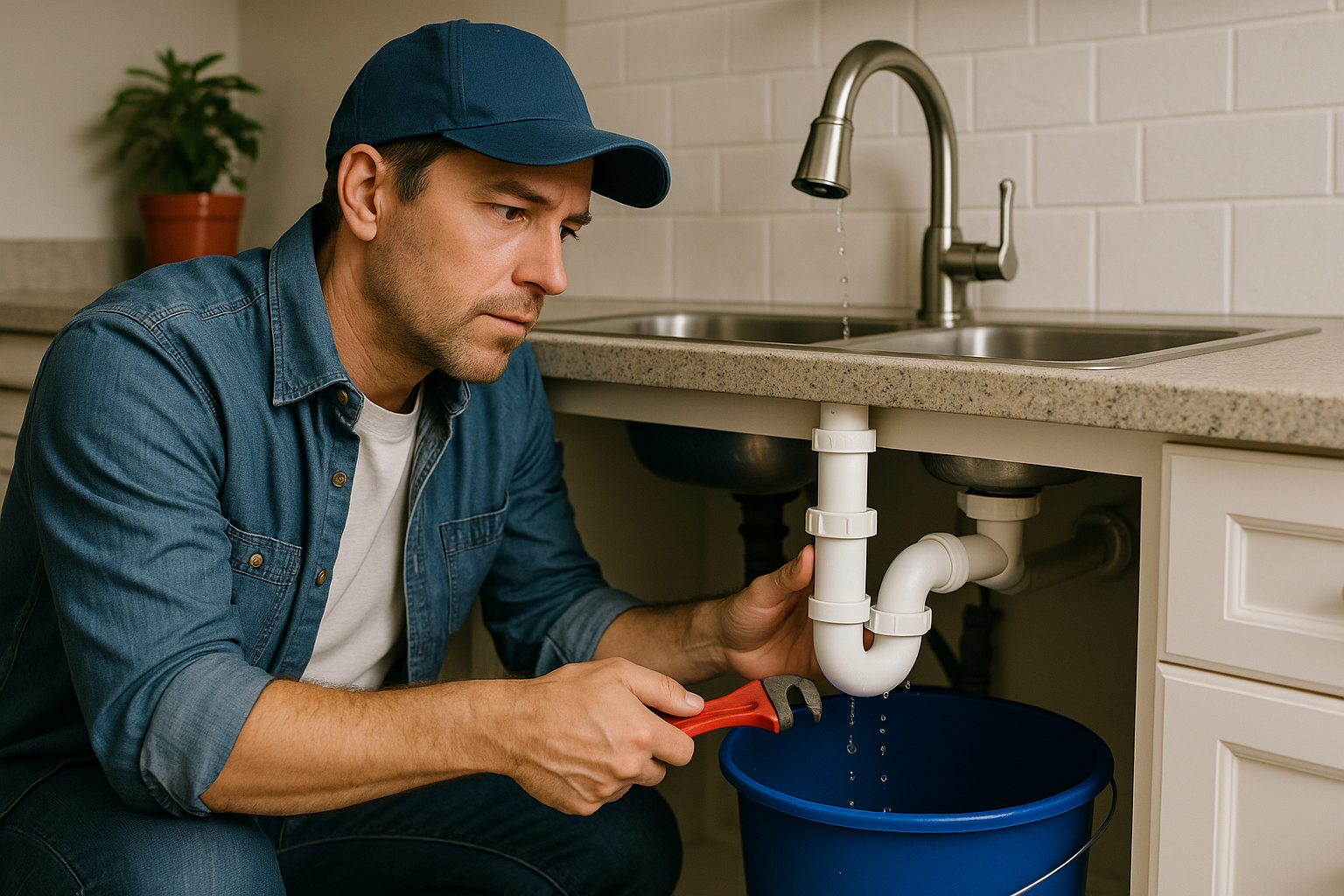
- Inspect pipes, fittings, and valves for leaks
- Clean clogged sprinkler heads and drip emitters
- Check water pressure and adjust if needed
- Test the controller and update schedules seasonally
- Look for uneven watering, pooling, or dry spots
- Winterize the system in cold climates to prevent freezing damage
It is also a good idea to walk the property while the system is running. This makes it easier to spot broken heads, overspray, missed areas, and other issues that may not be obvious when the system is off.
When to Call a Professional
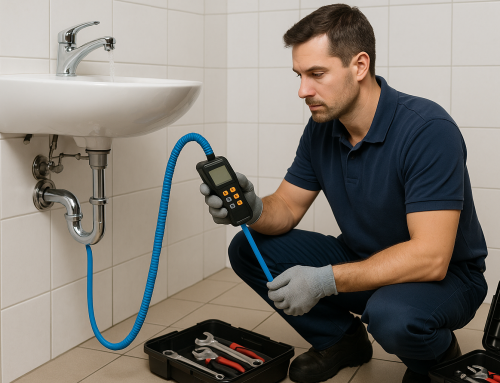
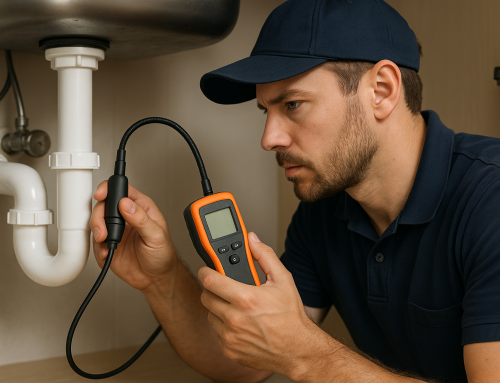
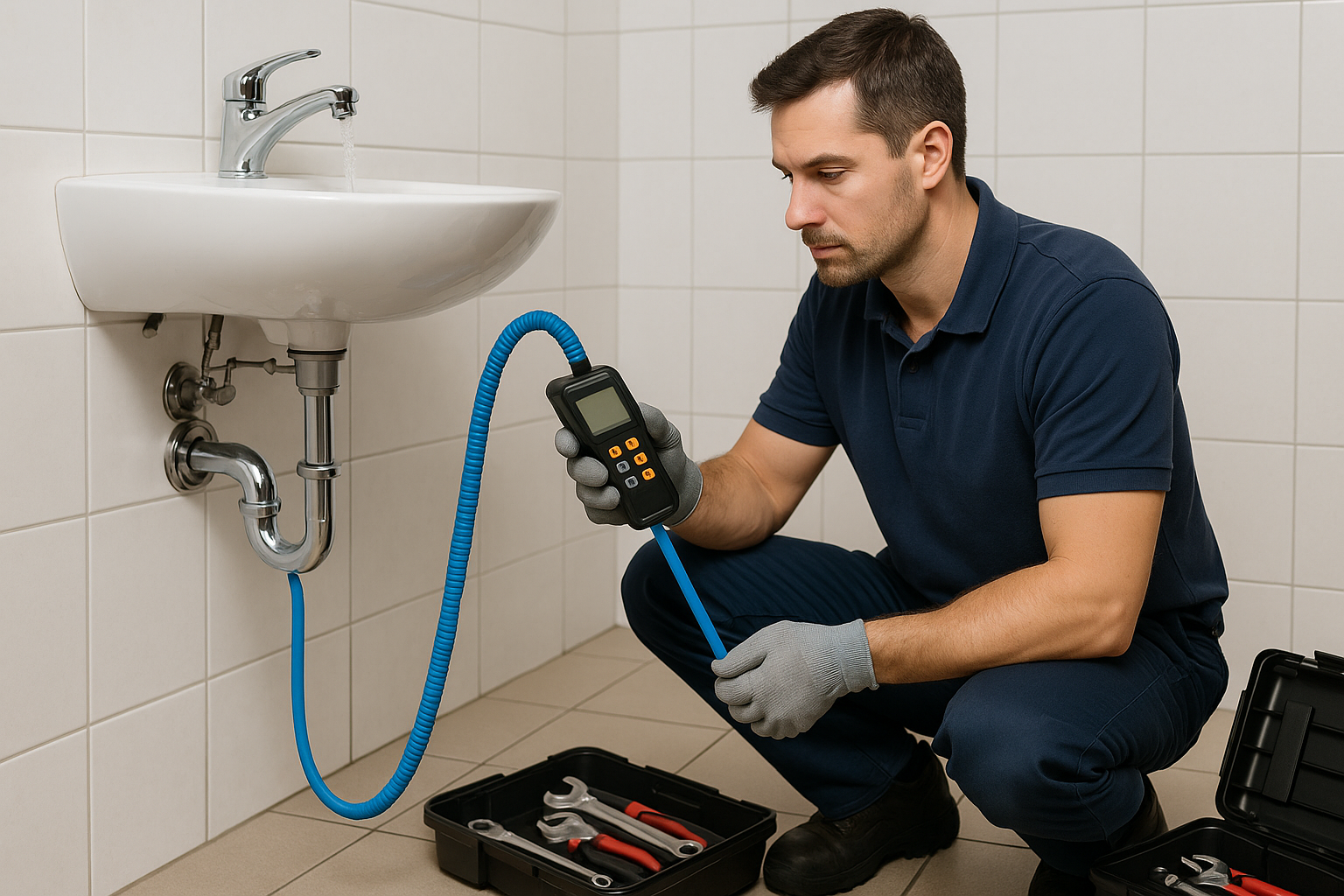
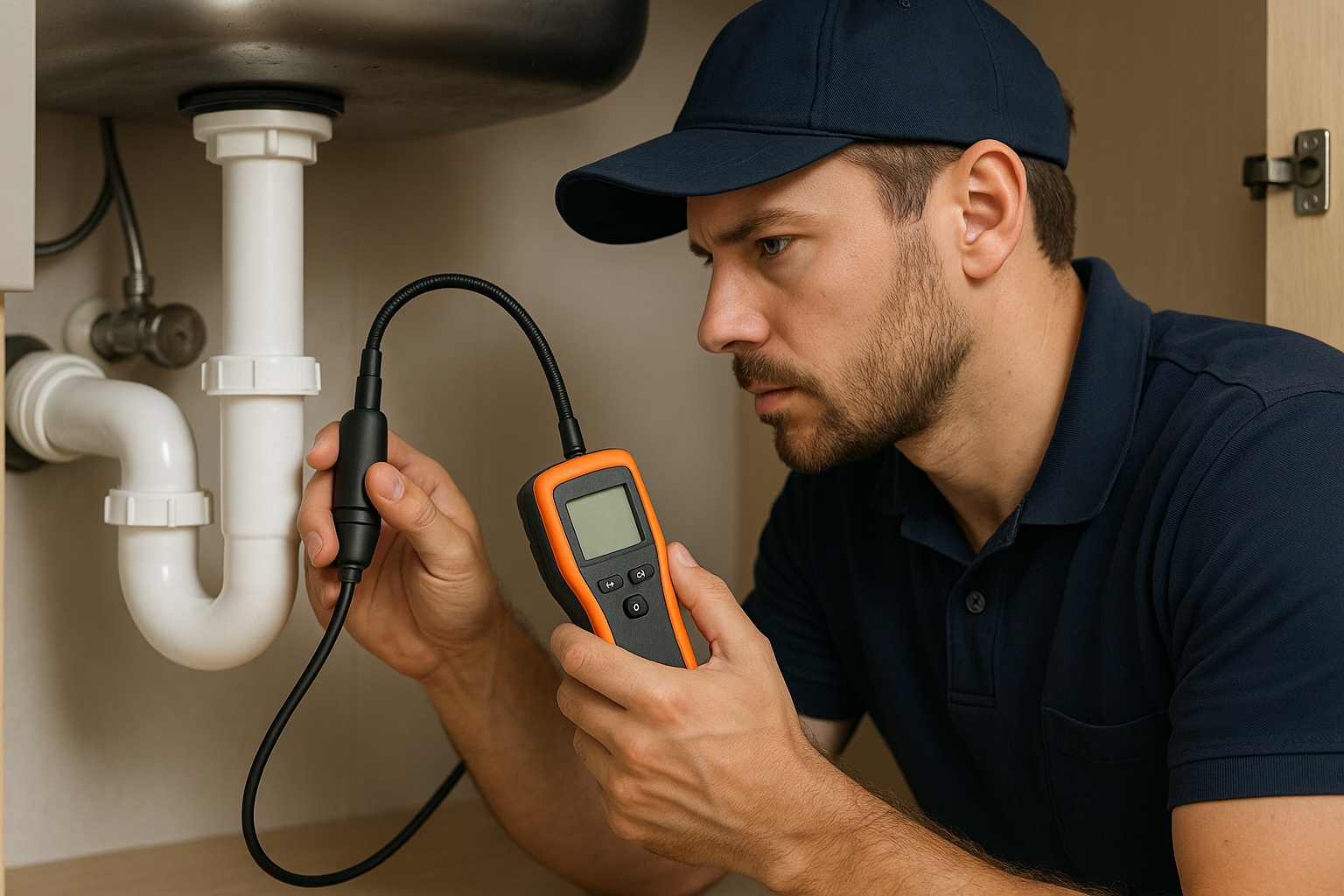
Some irrigation repairs are simple, such as replacing a sprinkler head or tightening a fitting. However, more complex problems often require professional help. A qualified irrigation plumber can diagnose pressure issues, locate underground leaks, design new zones, and make sure the system is installed to local code.
Professional support is especially useful for larger landscapes, commercial properties, or systems connected to backflow prevention devices. Backflow protection is important because it helps prevent contaminated water from flowing back into the clean water supply.
If your system has frequent leaks, poor coverage, or rising water bills, a professional inspection can save time and money in the long run.
Conclusion
Irrigation plumbing is the foundation of any dependable watering system. When the pipes, valves, controls, and delivery components are properly designed and maintained, landscapes get the water they need with less waste and less effort. Whether you are planning a new system or improving an existing one, understanding the basics of irrigation plumbing can help you make smarter decisions and achieve better results.