Garden Water Connections: What They Are and Why They Matter
Garden water connections are the points where water from your home’s supply is routed to outdoor faucets, hoses, irrigation systems, and other garden watering features. They may seem simple, but these connections play a major role in keeping your landscape healthy, efficient, and easy to maintain. A well-planned garden water connection setup can reduce waste, improve water pressure, and make watering far less of a chore.
For many homeowners, the garden is one of the most water-dependent parts of the property. Flower beds, lawn areas, vegetable patches, and container plants all need a reliable source of water. That is why understanding how garden water connections work is so useful. When the system is set up correctly, you can water more efficiently and protect your plumbing from leaks, backflow issues, and unnecessary wear.
Types of Garden Water Connections
There are several common types of garden water connections, and the right choice depends on the size of your garden, the level of automation you want, and the water demands of your plants.
Outdoor taps and hose bibs
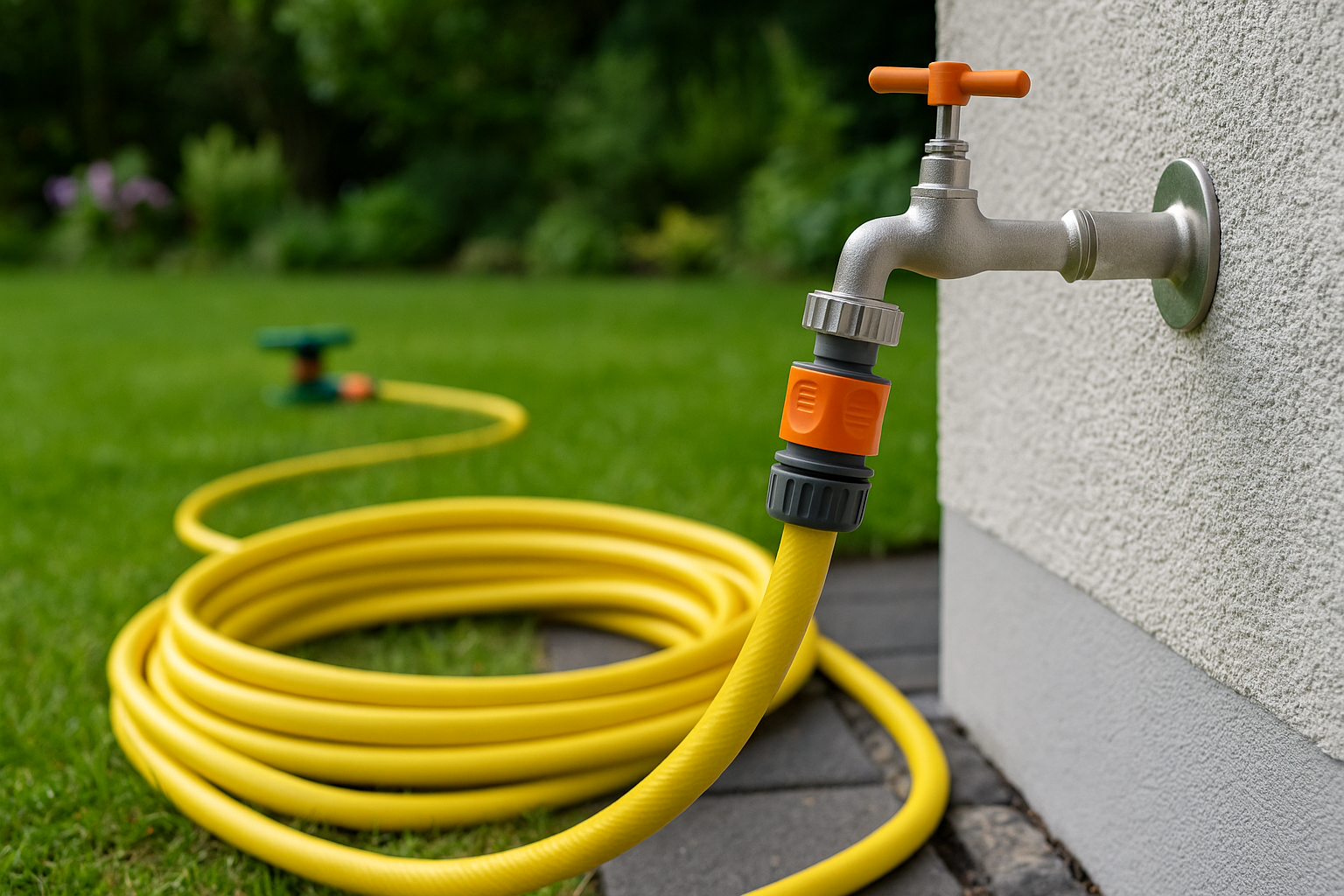
Outdoor taps, often called hose bibs, are the most basic garden water connection. They provide an easy way to attach a hose for manual watering, washing tools, or filling watering cans. These are ideal for small gardens or as a backup source for larger spaces.
Hose connectors and quick couplings
Hose connectors make it easier to attach and detach hoses, sprinklers, and accessories. Quick couplings are especially helpful if you switch between different watering tools often. They save time and reduce strain on fittings, which can help prevent leaks.
Irrigation system connections
Drip irrigation and sprinkler systems connect directly to the home water supply or a dedicated outdoor line. These systems are a great option for larger gardens or anyone who wants consistent watering with less effort. Drip systems are particularly efficient because they deliver water directly to the root zone.
Rain barrels and auxiliary water sources
Some garden setups include connections to rain barrels or other collected water sources. These systems can supplement your main water supply and reduce your overall water use. They are especially useful in areas where conserving water is a priority.
How to Install a Garden Water Connection
Installing a garden water connection can be a straightforward project for simple setups, but more advanced systems may require professional help. The right installation approach depends on whether you are adding a single tap, extending a line, or creating a full irrigation network.
Start by identifying the best location for the connection. It should be easy to reach, close to the areas you water most, and protected from damage. In colder climates, consider frost-resistant fittings and proper winterization to avoid burst pipes.
For basic hose connections, installation usually involves mounting an outdoor faucet to an existing water line and ensuring the fittings are sealed correctly. For irrigation systems, you may need pressure regulators, filters, timers, and backflow prevention devices. These components help keep water flowing at the right pressure while protecting your drinking water supply.
If you are unsure about local plumbing requirements, it is wise to consult a licensed plumber or irrigation specialist. Proper installation can prevent costly repairs later and ensure the system operates safely and efficiently.
Maintenance Tips for Reliable Water Flow
Regular maintenance keeps garden water connections working properly and helps you avoid unexpected problems during the growing season.
- Check for leaks around taps, couplings, and hose fittings.
- Inspect hoses for cracks, bulges, and worn washers.
- Clean filters and drip emitters so water can flow freely.
- Test valves and timers at the start of each season.
- Drain and shut off exposed lines before winter to prevent freezing damage.
It is also a good idea to watch your water pressure. If pressure is too high, it can damage fittings and cause bursts. If it is too low, plants may not get enough water. A pressure regulator can help stabilize the system, especially in drip irrigation setups.
Common Problems and How to Prevent Them
Like any plumbing feature, garden water connections can develop issues over time. Fortunately, many of the most common problems are preventable with a little care.
Leaks often happen when washers wear out, fittings loosen, or hoses are left under pressure for long periods. Replacing worn parts and disconnecting hoses when not in use can reduce the risk.
Backflow is another concern, especially when using fertilizers or attaching irrigation equipment. A backflow prevention device helps protect your household water from contamination.
Clogs can build up in filters, emitters, and sprinkler heads. Routine cleaning keeps the system working smoothly and ensures even watering.
Freeze damage can crack pipes and fittings in cold weather. Insulating exposed pipes, draining lines, and using frost-proof taps are smart ways to protect your setup.
Choosing the Best Garden Water Setup for Your Needs
The best garden water connection system depends on the size of your garden, your climate, and how much time you want to spend watering. If you only need to water a small flower bed or a few pots, a simple outdoor tap and hose may be enough. For larger yards or edible gardens, an irrigation system can save time and water while providing more consistent results.
Think about convenience as well as efficiency. Timers, multi-outlet hose fittings, and quick connectors can make everyday watering easier. If sustainability matters to you, look for ways to reuse rainwater or reduce runoff through drip irrigation and targeted watering methods.
It is also worth planning for the future. As your garden grows, you may want to add more beds, expand your lawn, or install additional watering zones. A flexible water connection setup makes it easier to adapt without starting over.
Conclusion
Garden water connections are a small part of your property, but they have a big impact on how well your outdoor space performs. With the right setup, you can water more efficiently, protect your plumbing, and keep your garden thriving through every season. Whether you start with a simple hose bib or invest in a full irrigation system, a reliable water connection is the foundation of a healthy, low-stress garden.