What Are Yard Water Connections?
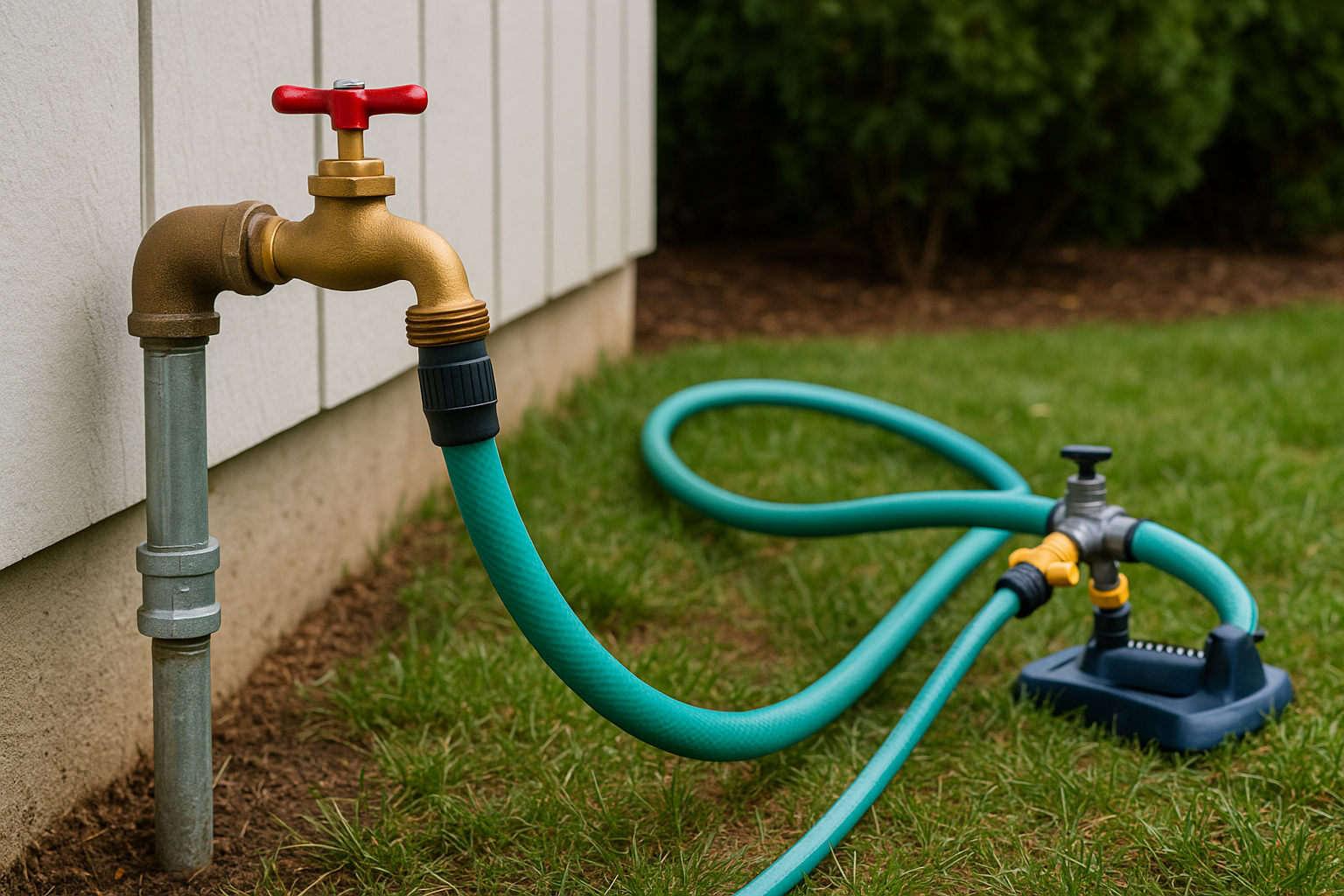
Yard water connections are the plumbing lines and fixtures that bring water to outdoor areas of a property. They may supply hose bibs, irrigation systems, garden faucets, detached garages, pools, livestock areas, or other exterior water needs. In many homes, these connections are simple and easy to overlook, but they play an important role in everyday convenience, landscaping, and property maintenance.
Because yard water connections are exposed to weather, soil movement, and seasonal changes, they need to be installed and maintained carefully. A well-designed outdoor water system can help prevent leaks, protect against freezing, and ensure reliable water flow wherever it is needed outside the home.
Common Types of Yard Water Connections
Outdoor Hose Bibs
Hose bibs are among the most common yard water connections. These wall-mounted spigots provide an easy way to connect a garden hose for watering plants, washing vehicles, or cleaning patios and driveways. Frost-free hose bibs are especially useful in colder climates because they help reduce the risk of freezing and bursting pipes.
Irrigation System Connections
Many yards include sprinkler or drip irrigation systems that depend on a dedicated water connection. These systems are designed to distribute water efficiently to lawns, flower beds, shrubs, and trees. In some cases, the irrigation line includes a backflow prevention device to help protect the home’s drinking water supply.
Utility and Service Lines
Some properties have yard water connections that support additional outdoor features such as outdoor kitchens, fountains, sheds, or separate utility buildings. These lines may be buried underground and routed to specific points on the property. Proper planning is important so the water supply remains accessible, safe, and compliant with local codes.
Why Yard Water Connections Matter
Outdoor water access makes property care much easier. From keeping grass green to cleaning outdoor surfaces, yard water connections support a wide range of household tasks. They also add value by making landscaping and irrigation more manageable.
In addition to convenience, a properly installed yard water connection can help improve water efficiency. Modern fixtures and systems can reduce waste by delivering water only where it is needed. This is especially important for homeowners who want to maintain a beautiful yard while keeping utility costs under control.
Installation Considerations
Location and Accessibility
When planning a yard water connection, location is one of the most important factors. The outlet should be placed where it can be reached easily, but also where it will be protected from accidental damage. For example, a hose bib near a garden or driveway can be useful, while irrigation connections should be positioned to minimize trenching and water loss.
Freeze Protection
In areas with cold winters, freeze protection should be a top priority. Water left inside exposed pipes can freeze, expand, and cause serious damage. Frost-free hose bibs, insulated pipe routing, and seasonal shutoff valves are all helpful ways to reduce this risk. Homeowners should also know how to drain outdoor lines before freezing temperatures arrive.
Backflow Prevention
Whenever outdoor water systems are connected to a home’s plumbing, backflow prevention is essential. This protects drinking water from contamination if pressure changes occur in the system. Depending on the setup, a plumber may install a vacuum breaker, check valve, or another approved device to keep water safe.
Pipe Materials and Durability
Outdoor water lines must withstand temperature changes, soil pressure, and occasional movement. Common materials include copper, PEX, PVC, and polyethylene, depending on the application and local building codes. Choosing the right material can improve durability and reduce the likelihood of future repairs.
Signs of Problems With Yard Water Connections
Like any part of a plumbing system, yard water connections can develop issues over time. Some of the most common warning signs include low water pressure, visible leaks, wet patches in the yard, unexplained spikes in water bills, or difficulty shutting off the outdoor valve.
If a hose bib drips after being turned off, the washer or internal valve may be worn out. If an irrigation zone stops working properly, the issue could be a broken pipe, clogged emitter, damaged valve, or controller problem. Yard leaks can be especially difficult to detect because they may occur underground, making timely inspection important.
Maintenance Tips for Homeowners
Inspect Regularly
Check outdoor faucets, exposed pipes, and sprinkler heads at least a few times each year. Look for cracks, corrosion, loose fittings, or signs of leaking. Early detection can prevent more expensive damage later.
Winterize Before Cold Weather
Before temperatures drop, disconnect hoses, drain outdoor lines, and shut off any seasonal water supplies. This simple routine helps protect yard water connections from freeze damage and keeps the system ready for spring use.
Use Water Efficiently
Efficient watering practices can reduce strain on your outdoor plumbing. Water early in the morning, use drip irrigation where possible, and adjust sprinkler schedules based on weather conditions. These habits conserve water and support healthier plants.
Schedule Professional Service When Needed
Some repairs are straightforward, but underground leaks, broken irrigation lines, and backflow issues usually require professional attention. A licensed plumber or irrigation specialist can diagnose problems accurately and help ensure the system meets local requirements.
When to Upgrade Yard Water Connections
It may be time to upgrade if your outdoor plumbing is outdated, inefficient, or prone to frequent repairs. Older hose bibs, corroded pipes, and poorly designed irrigation lines can waste water and create maintenance headaches. Upgrades such as frost-free fixtures, smart irrigation controls, and modern shutoff valves can improve performance and reliability.
Homeowners planning landscaping projects or outdoor additions should also review their water connections before starting work. Adding a new garden bed, shed, or patio may require additional access points or rerouting existing lines to better match the layout of the yard.
Conclusion
Yard water connections may be out of sight, but they are essential for keeping outdoor spaces functional and easy to maintain. With the right installation, regular care, and timely repairs, these systems can deliver dependable water service for years. Whether you are watering a garden, running an irrigation system, or upgrading outdoor plumbing, taking care of your yard water connections is a smart investment in your home.