Fixture Installation: A Practical Guide for a Safer, Better-Finished Home
Fixture installation may sound like a simple finishing touch, but it plays a big role in how comfortable, functional, and polished your home feels. Whether you are updating a bathroom, replacing a kitchen faucet, or adding a new light fixture, proper installation helps ensure safety, efficiency, and long-lasting performance. Done correctly, fixtures can improve daily routines and add value to your space. Done poorly, they can lead to leaks, loose fittings, electrical issues, and frustrating repairs.
This guide walks through what fixture installation involves, the most common types of fixtures, when to call a professional, and how to prepare for a smooth project. If you are planning an upgrade, understanding the basics can help you make better choices from start to finish.
What Fixture Installation Includes
Fixture installation refers to setting up and securing items that connect to your home’s plumbing, electrical, or structural systems. These may include sinks, toilets, faucets, showers, lighting, ceiling fans, shelves, cabinets, and even wall-mounted hardware. In many cases, installation is more than just attaching a new item. It may involve checking compatibility, shutting off utilities, removing old components, sealing connections, testing operation, and making sure everything meets local code requirements.
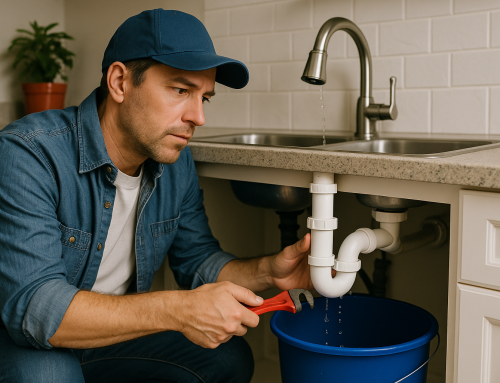
Because fixtures often interact with critical systems, careful installation matters. A bathroom sink that is not sealed properly can leak into cabinetry. A light fixture that is not wired correctly can create a fire hazard. Even a small error can turn a simple upgrade into a costly repair. That is why planning and attention to detail are so important.
Common Types of Fixture Installation
Fixture installation projects vary depending on the room and the system involved. Some are straightforward, while others require specialized knowledge or tools.
Plumbing Fixtures
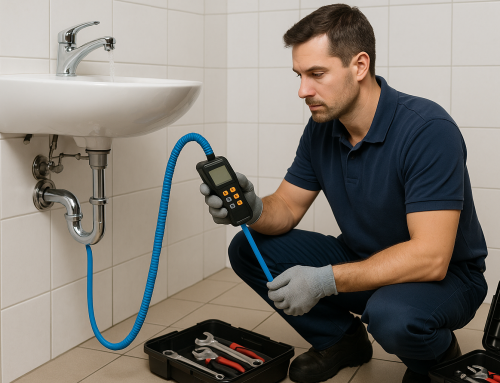
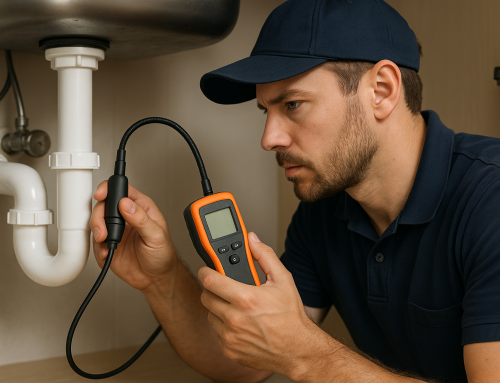
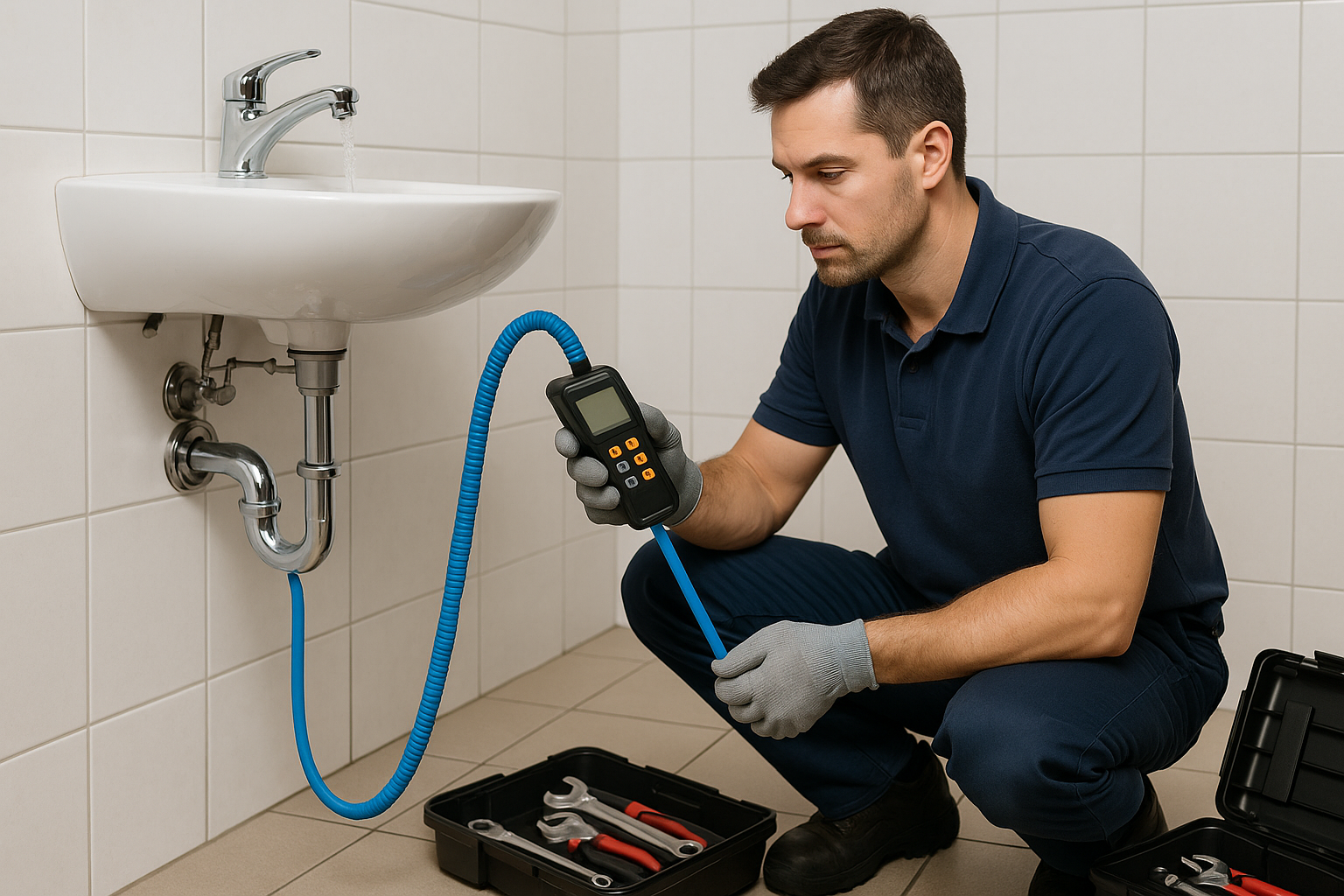
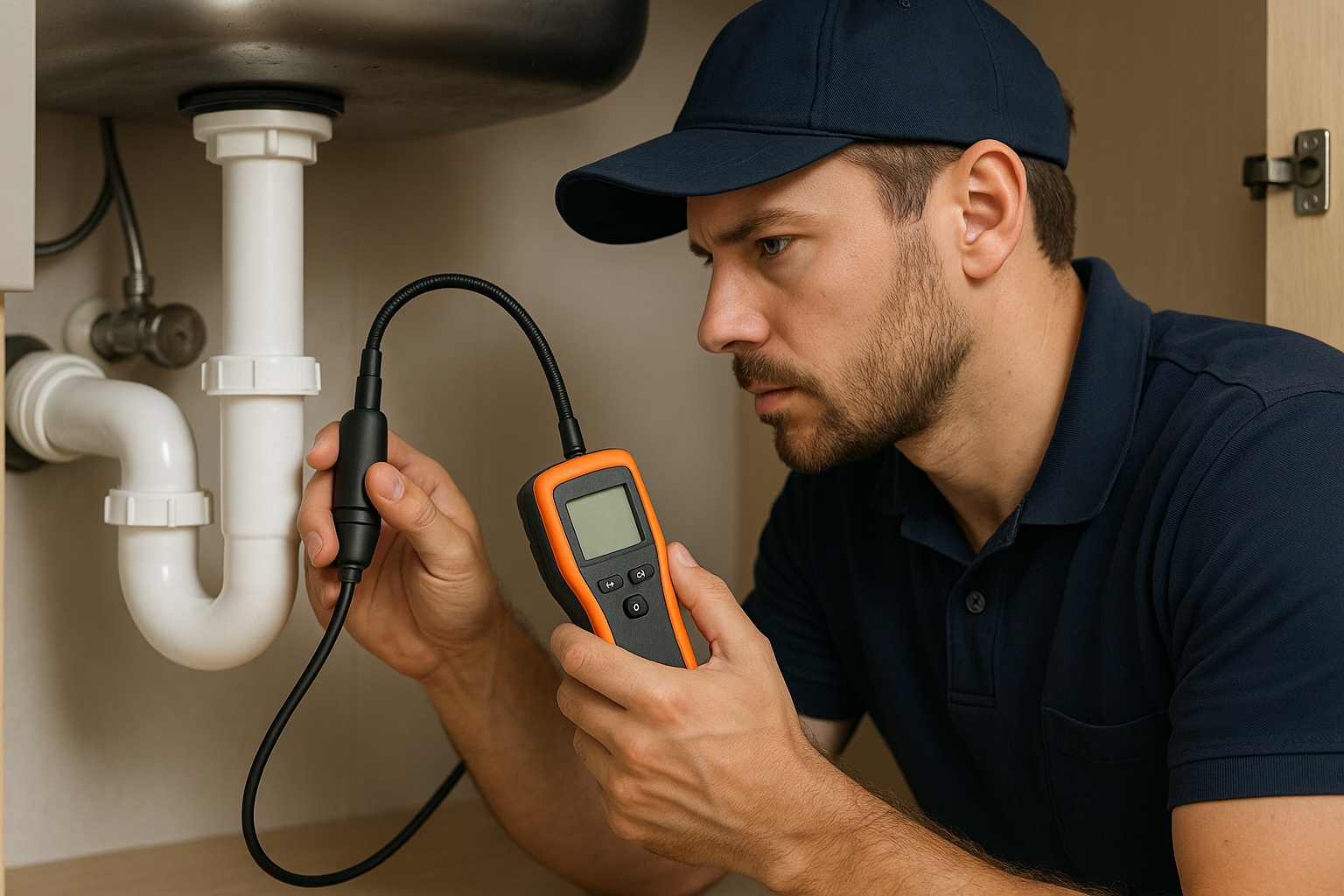
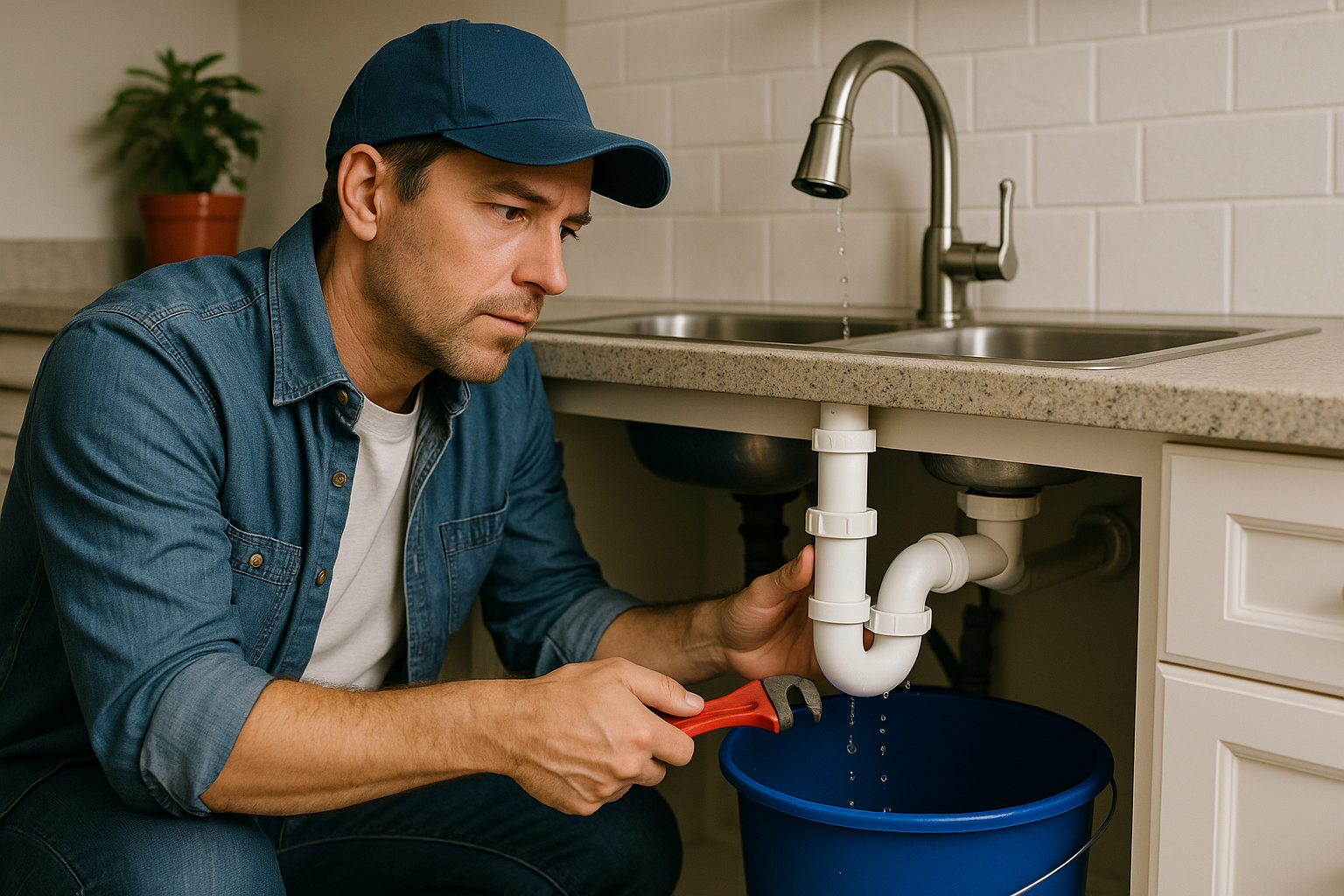
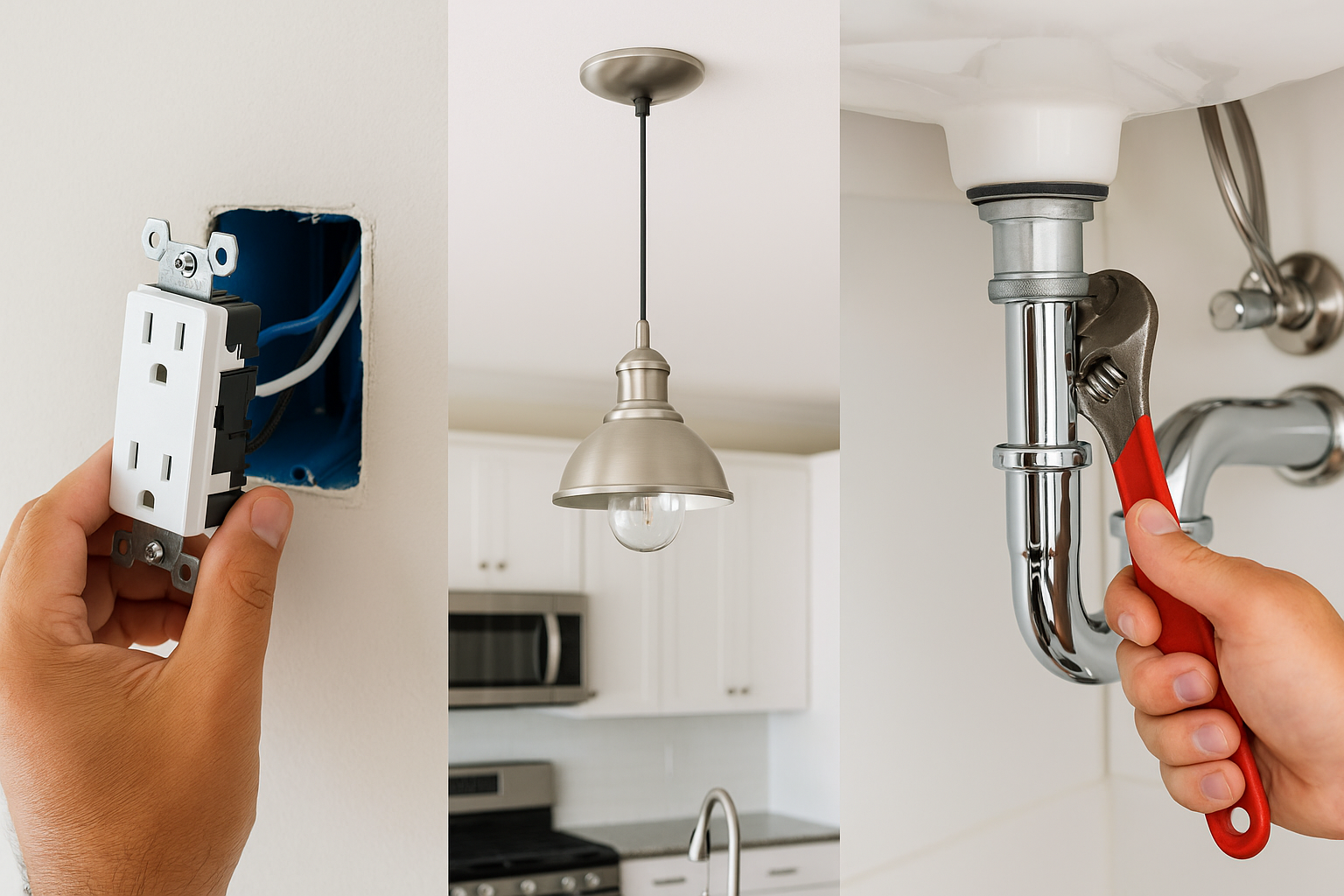
Plumbing fixtures include sinks, faucets, toilets, bathtubs, showers, garbage disposals, and dishwashers. These installations often involve water supply lines, drain connections, seals, and mounting hardware. Even a small leak can cause water damage over time, so precision is essential.
Lighting Fixtures
Lighting fixture installation covers ceiling lights, pendant lights, sconces, chandeliers, and recessed lighting. Since these involve electrical wiring, safety is critical. Proper installation ensures the fixture is securely mounted, correctly wired, and able to support the bulb type and wattage it was designed for.
Cabinet and Hardware Fixtures
Cabinet pulls, knobs, shelves, towel bars, mirrors, and grab bars also fall under fixture installation. These may seem minor, but spacing, level placement, and secure anchoring make a major difference in appearance and usability. In bathrooms and kitchens especially, well-installed hardware helps create a clean and functional layout.
Specialty Fixtures
Some fixtures require extra attention, such as ceiling fans, wall-mounted TVs, or accessibility accessories. These projects may involve electrical support, weight-bearing considerations, or exact placement requirements. Choosing the right mounting method and hardware is key to long-term stability.
Why Professional Installation Matters
While some homeowners feel comfortable handling basic fixture swaps, professional installation offers several advantages. A qualified installer can identify hidden issues, use the correct tools, and follow safety standards. They can also help avoid expensive mistakes, especially when plumbing or electrical work is involved.
Professional fixture installation is especially valuable if your project includes older wiring, uneven surfaces, unknown plumbing conditions, or custom fixtures. A technician can make sure everything is compatible before work begins, reducing the chance of delays or rework. In addition, many products require installation to maintain warranty coverage, so hiring an experienced installer can protect your investment.
How to Prepare for Fixture Installation
Good preparation helps the installation go smoothly and can reduce labor time. Before the project starts, take a few simple steps:
- Confirm the fixture size, style, and compatibility with your existing setup.
- Measure the installation area carefully.
- Clear the workspace and remove fragile items nearby.
- Shut off water or power if instructed to do so by your installer.
- Ask whether any additional parts, seals, or adapters are needed.
If you are replacing an older fixture, inspect the surrounding area for damage. Water stains, loose drywall, rusted brackets, or outdated wiring may need attention before the new fixture is installed. Addressing those issues early can prevent problems later.
Signs You Need a Replacement or Upgrade
Not every fixture needs to be replaced right away, but certain signs indicate it may be time for an upgrade. In plumbing fixtures, look for leaks, corrosion, poor water pressure, or visible wear. In lighting fixtures, flickering, buzzing, discoloration, or loose mounting can signal trouble. For mounted hardware, wobbling, stripped screws, and damage to surrounding surfaces often mean the fixture is no longer secure.
Upgrading fixtures can also improve energy efficiency, water conservation, and overall style. A modern faucet, LED light, or more durable hardware can make a surprising difference in both appearance and performance.
What to Expect During Installation
Although every project is different, fixture installation usually follows a similar process. The installer first reviews the space and confirms the fixture is ready for setup. Next, they remove the old fixture if needed, inspect the connection points, and make any necessary adjustments. Then they mount, connect, seal, and test the new fixture.
Testing is one of the most important steps. A faucet should run without leaks. A light should switch on reliably. A mounted fixture should feel stable and secure. Before the job is complete, the installer should clean the workspace and confirm that the fixture is functioning as expected.
Choosing the Right Fixture for Your Space
The best fixture is not always the most expensive one. It is the one that fits your space, matches your needs, and works with your existing system. Consider size, finish, durability, maintenance, and style. In busy areas like kitchens and bathrooms, materials that resist moisture and wear are especially useful. For lighting, think about brightness, color temperature, and energy efficiency. For hardware and mounted fixtures, make sure the design works well with the wall material and room layout.
If you are unsure which fixture is right for your home, a professional installer or contractor can help you compare options before you buy. That small step can save time and frustration later.
Conclusion
Fixture installation may be a finishing step, but it has a major impact on comfort, safety, and style. With the right preparation and careful installation, your new fixtures can improve daily use and last for years. Whether you are updating one room or several, taking the time to do the job properly is always worth it.