Moisture is one of the most common and costly problems a property can face. It can hide behind walls, under floors, in ceilings, and around windows long before visible damage appears. A thorough moisture inspection helps identify leaks, condensation, drainage issues, and humidity problems early, before they lead to mold growth, structural damage, or expensive repairs.
What Is Moisture Inspection?
Moisture inspection is the process of checking a building for signs of unwanted water intrusion or excess humidity. It is used in homes, commercial buildings, and industrial spaces to find problem areas and determine the source of moisture. The goal is not just to spot visible damage, but to detect hidden conditions that could cause bigger issues over time.
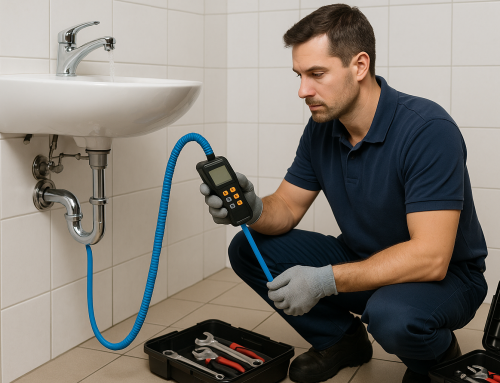
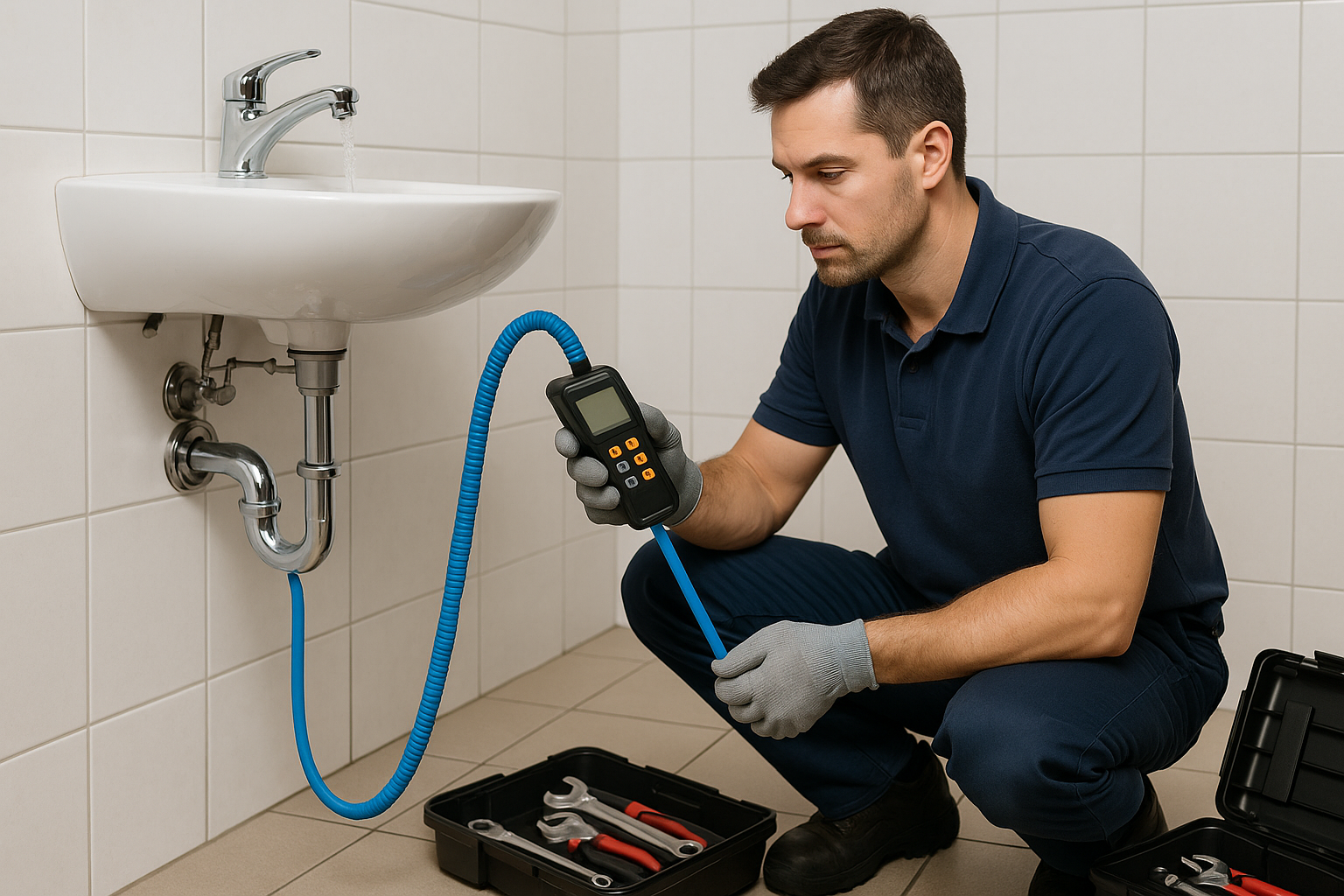
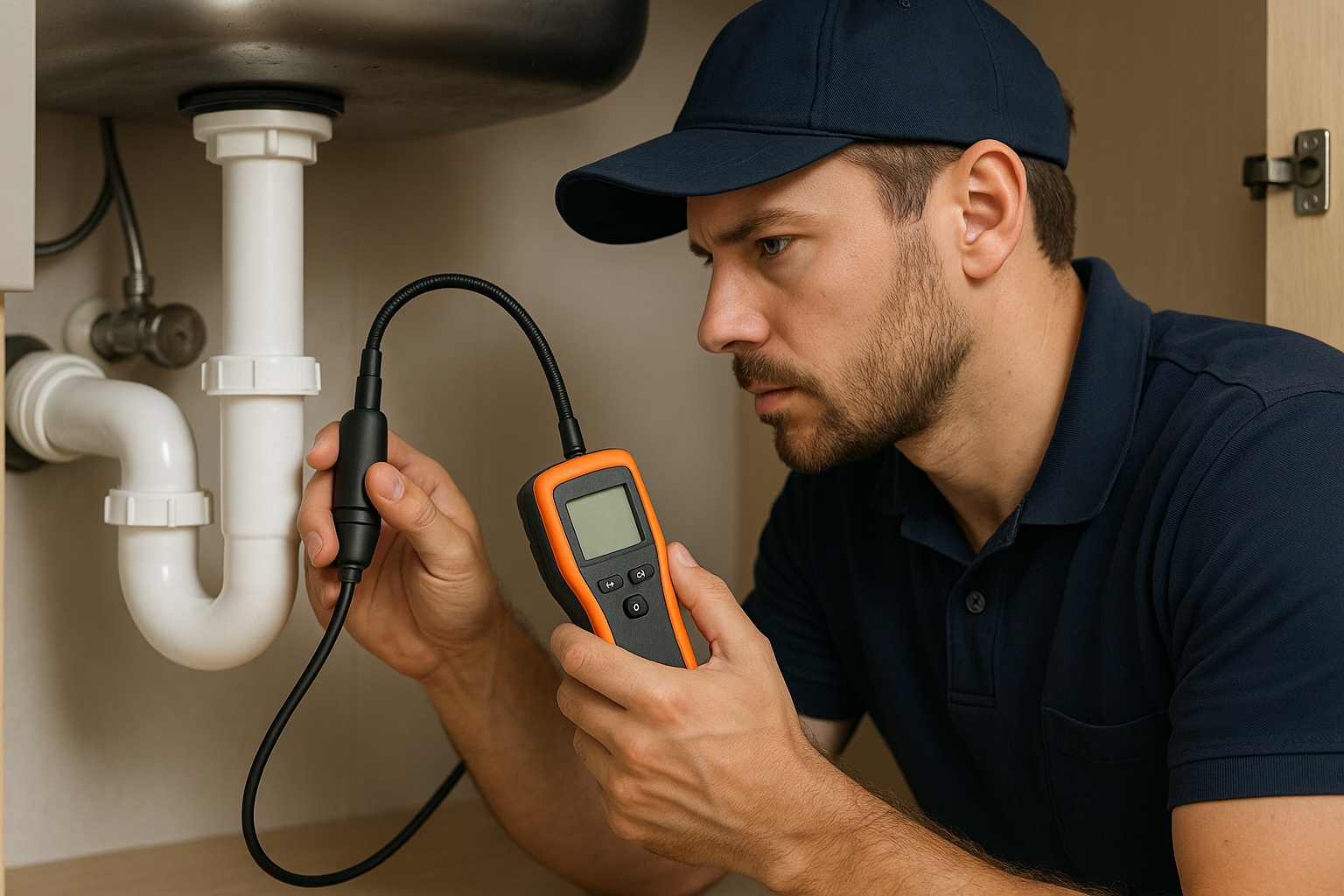
A proper inspection may involve visual assessment, moisture meters, thermal imaging, and sometimes more advanced diagnostic tools. These methods help pinpoint where water is entering, how far it has spread, and whether materials have been affected.
Why Moisture Inspection Is Important
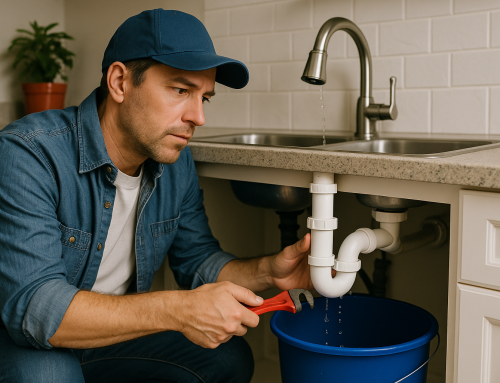
Moisture problems rarely stay small. A minor leak under a sink or a small roof issue can quietly damage drywall, insulation, framing, and flooring. Over time, trapped moisture can weaken building materials and create an ideal environment for mold and mildew.
For homeowners, moisture inspection can protect the health of occupants and preserve the value of the property. For commercial property owners, it can reduce downtime, prevent inventory loss, and avoid expensive remediation. In both cases, early detection is key.
Common Risks of Unchecked Moisture
- Mold and mildew growth
- Wood rot and corrosion
- Peeling paint and damaged finishes
- Musty odors and poor indoor air quality
- Structural weakening over time
- Higher repair and restoration costs
Signs You May Need a Moisture Inspection
Some moisture issues are obvious, while others are easy to miss. If you notice any of the following, it may be time to schedule an inspection:
- Discolored walls or ceilings
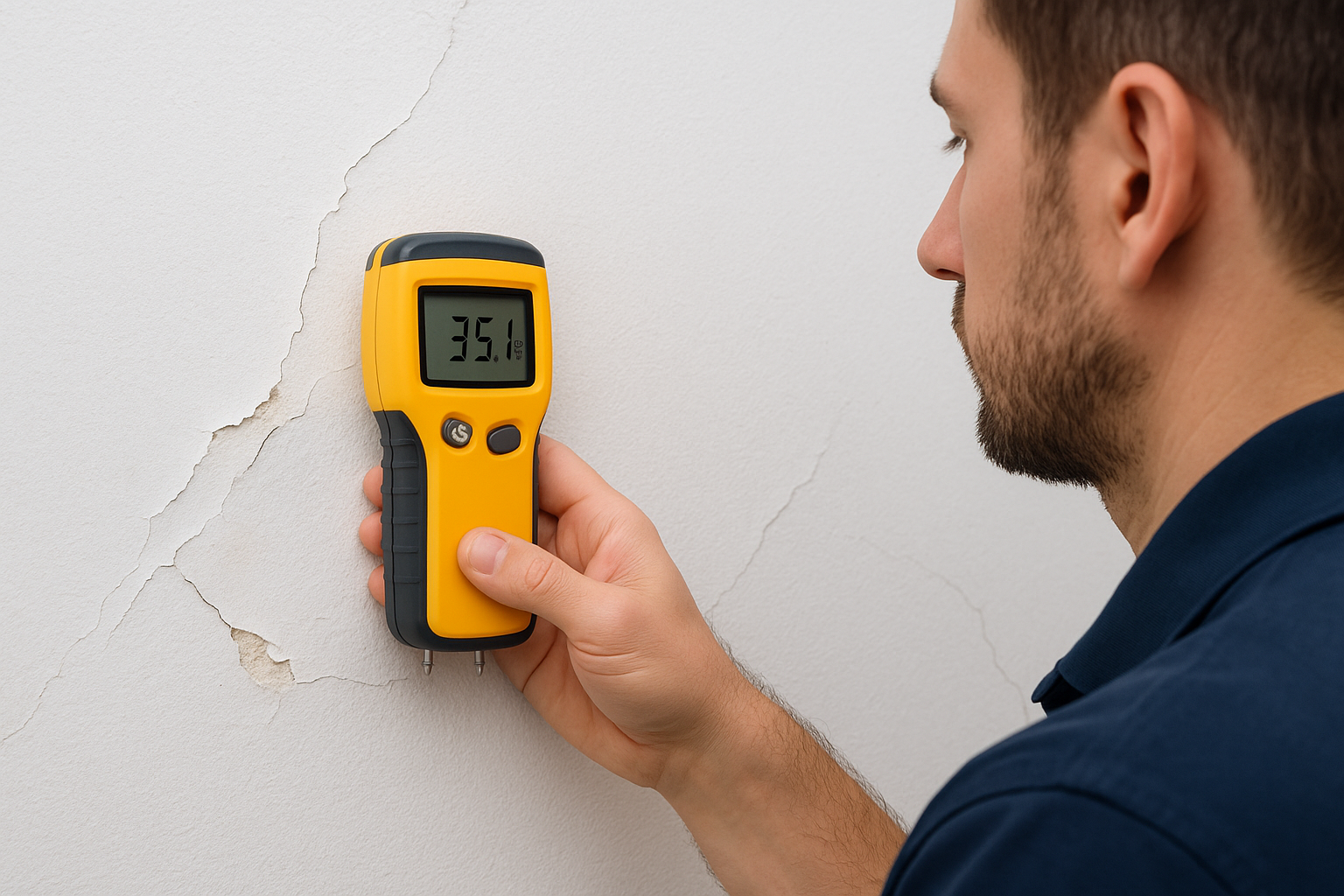
- Bubbling paint or warped drywall
- Musty or damp odors
- Visible mold or mildew
- Condensation on windows or pipes
- Soft, swollen, or sagging flooring
- Unexplained increases in humidity indoors
Even if no visible damage is present, recurring problems like window leaks, basement dampness, or bathroom humidity can signal hidden moisture concerns.
How a Moisture Inspection Works
A moisture inspection usually begins with a visual walkthrough of the property. The inspector looks for evidence of water intrusion, staining, deterioration, and areas where moisture tends to collect. This often includes basements, attics, crawl spaces, bathrooms, kitchens, and around doors and windows.
After the visual check, tools are used to measure moisture levels and identify hidden problem spots. Depending on the situation, the inspection may include:
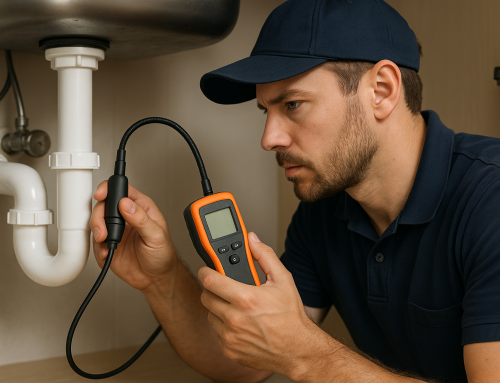
- Moisture meters: These detect elevated moisture in wood, drywall, and other materials.
- Thermal imaging: Infrared cameras can reveal temperature differences that suggest hidden water intrusion.
- Humidity readings: Indoor air conditions are checked to assess whether excess moisture is part of the problem.
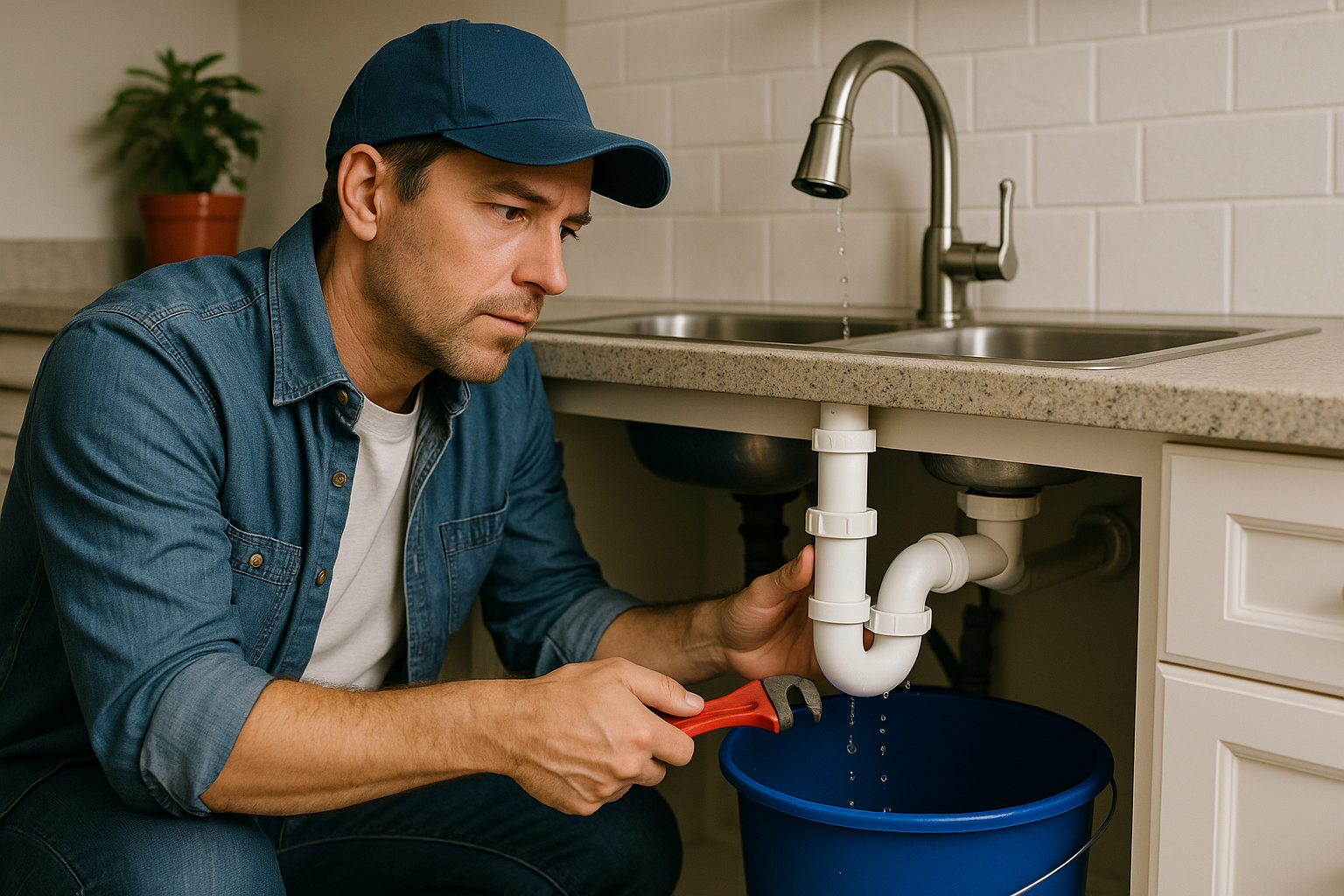
- Leak tracing: Plumbing, roofing, and exterior details may be examined to find the source.
In some cases, inspectors may also check ventilation systems, grading around the property, gutters, downspouts, and drainage patterns to understand why moisture is entering or accumulating.
Areas Commonly Checked During an Inspection
Moisture problems often begin in specific parts of a building. Some of the most commonly inspected areas include:
- Bathrooms: Showers, tubs, sinks, tile grout, and ventilation fans
- Kitchens: Under sinks, around dishwashers, and near refrigerators with water lines
- Basements and crawl spaces: Foundation walls, floor slabs, and plumbing penetrations
- Attics: Roof leaks, insulation issues, and poor ventilation
- Windows and doors: Failed seals, flashing problems, and condensation buildup
- Exterior walls: Cracks, gaps, and drainage issues
By focusing on these vulnerable areas, inspectors can often find the source of the problem more efficiently.
What Happens After Moisture Is Found?
If moisture is detected, the next step is determining the cause and extent of the damage. This may involve repairing leaks, improving ventilation, sealing exterior openings, or correcting drainage problems. In some cases, damaged materials may need to be removed and replaced.
It is also important to dry the affected area properly. Simply covering up the damage will not solve the problem. If water has penetrated behind walls or under flooring, professional drying and remediation may be necessary to prevent mold growth and long-term deterioration.
A detailed inspection report can help property owners decide whether repairs are urgent, what materials are affected, and which professionals should be contacted next.
How Often Should Moisture Inspections Be Done?
The right schedule depends on the property and its risk factors. Homes with basements, older plumbing, flat roofs, or past water damage may benefit from more frequent inspections. Commercial properties may also need routine moisture checks as part of preventive maintenance.
In general, it is smart to schedule a moisture inspection:
- After a roof leak, flood, or plumbing failure
- When buying or selling a property
- If you notice dampness, odors, or visible damage
- During seasonal maintenance in moisture-prone climates
- Before mold remediation or major renovations
Regular inspections can catch small issues before they become costly emergencies.
Benefits of Professional Moisture Inspection
While some visible signs of moisture can be spotted by property owners, a professional inspection offers a deeper level of accuracy. Trained inspectors know where to look, how to interpret readings, and how to distinguish between surface dampness and hidden intrusion.
Professional moisture inspections can save money by identifying the true source of a problem instead of just treating symptoms. They also provide documentation that can be useful for insurance claims, real estate transactions, and repair planning.
Conclusion
Moisture inspection is a smart, proactive step in protecting any property. By finding hidden leaks, excess humidity, and water damage early, you can prevent mold, preserve structural integrity, and avoid expensive repairs. Whether you are maintaining a home or managing a commercial space, regular moisture checks offer peace of mind and long-term value.