Drain cleaning is one of those home maintenance tasks that is easy to ignore until water starts backing up, odors appear, or a sink drains painfully slow. The good news is that most drain problems can be prevented or handled early with the right habits and a little routine care. Whether you are dealing with a kitchen sink, bathroom shower, or laundry drain, understanding how drains clog and how to clean them properly can help protect your plumbing system and avoid costly repairs.
What Causes Drains to Clog?
Clogs usually build up over time, and the cause depends on the location of the drain. In kitchens, grease, soap residue, food scraps, and coffee grounds are common culprits. In bathrooms, hair, toothpaste, soap scum, and hygiene products often create stubborn blockages. Laundry drains may collect lint and detergent buildup, while outdoor drains can fill with leaves, dirt, and debris.
Small amounts of buildup may seem harmless at first, but they gradually narrow the pipe opening. Eventually, water moves more slowly, unpleasant smells develop, and a full blockage can follow. Knowing the source of the clog is the first step toward choosing the right cleaning method.
Signs You Need Drain Cleaning
Many drain issues give warning signs before a complete backup happens. If you notice any of the following, it may be time to clean your drains:
- Water draining slowly from sinks, tubs, or showers
- Gurgling sounds coming from pipes
- Unpleasant odors near drains
- Water pooling around floor drains
- Frequent clogs in the same fixture
Addressing these symptoms early can save time, reduce frustration, and help you avoid emergency plumbing repairs. If several drains are acting up at once, the issue may be deeper in the main line rather than just one fixture.
Safe and Effective Drain Cleaning Methods
There are several ways to clean a drain, ranging from simple DIY methods to professional equipment. The best option depends on the severity of the clog and the type of plumbing system you have.
Hot Water Flushing
For minor buildup, flushing the drain with hot water can help loosen grease and soap residue. This method works best as a preventative measure, especially in kitchen sinks. Avoid using boiling water on fragile pipes, and always use caution to prevent burns.
Baking Soda and Vinegar
A mixture of baking soda and vinegar is a popular natural cleaning option. Pour a small amount of baking soda into the drain, followed by vinegar, then let it sit before flushing with warm water. While this method may help with light buildup and odors, it is not a fix for severe clogs.
Plunger Use
A plunger can be effective for clearing simple blockages in sinks, tubs, and toilets. Make sure there is enough water to cover the cup of the plunger, then create a tight seal and use firm, steady pressure. A few strong plunges may dislodge the clog and restore proper flow.
Drain Snake or Auger
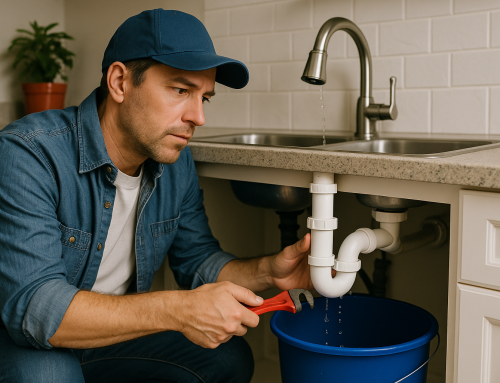
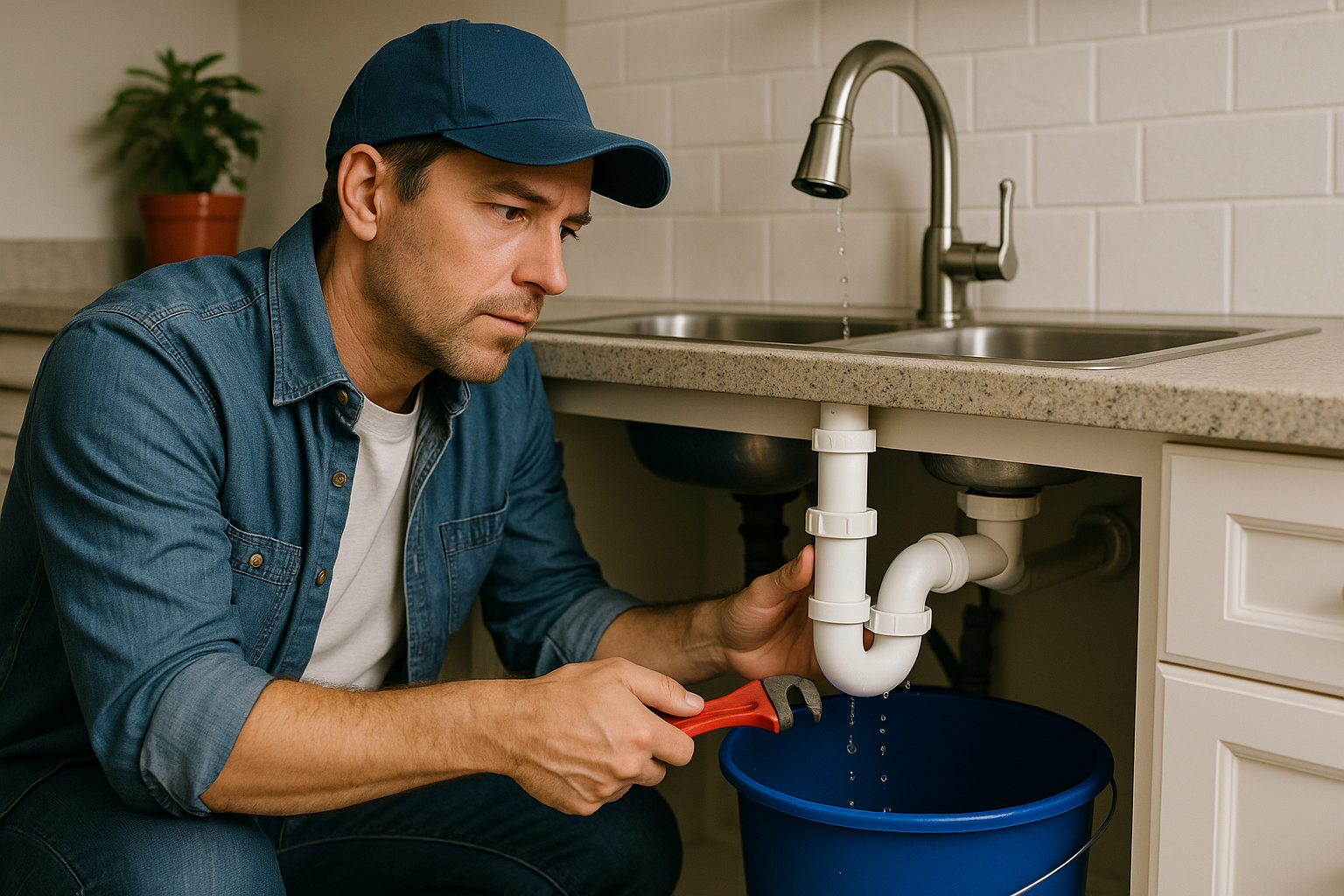
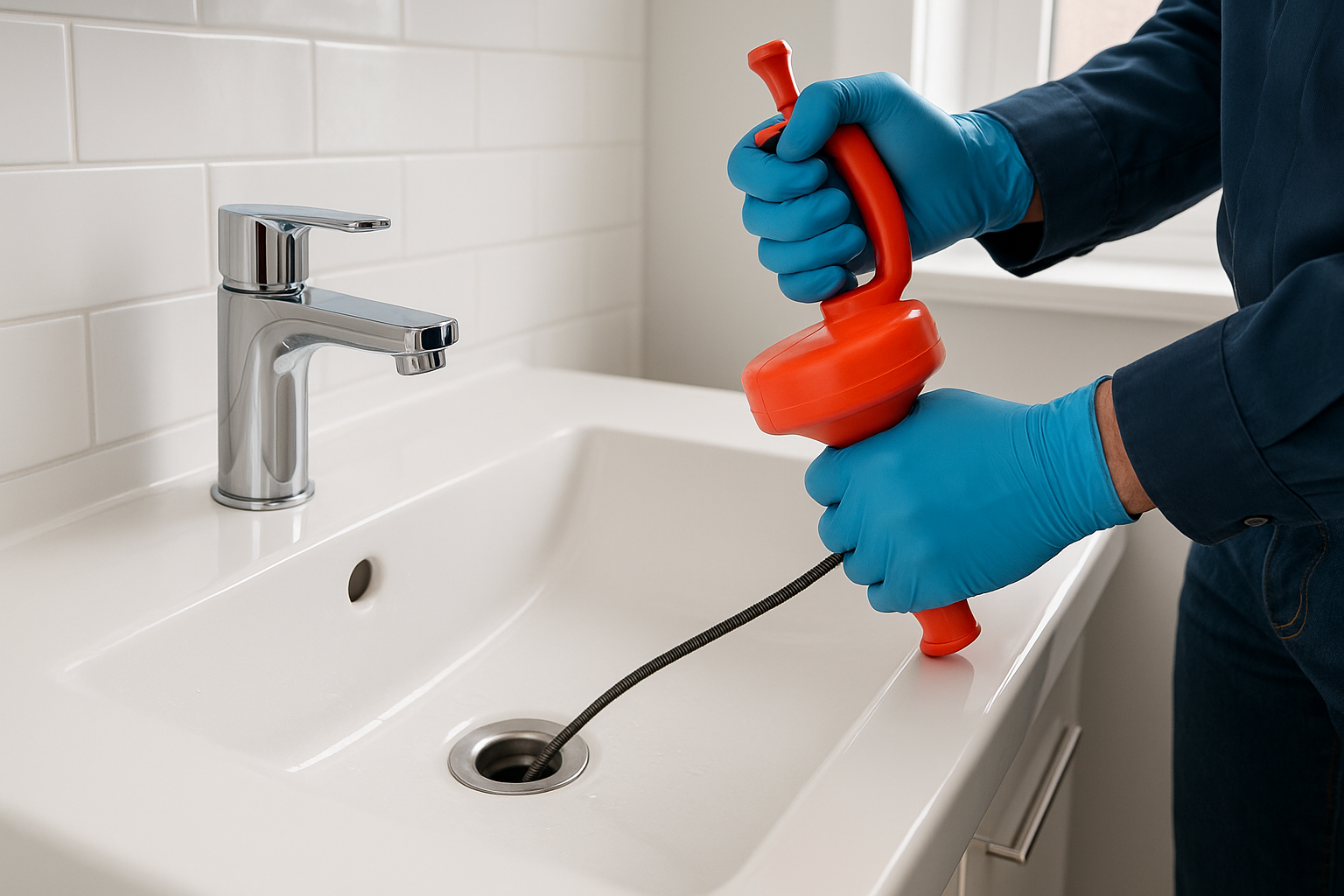
For hair clogs and deeper blockages, a drain snake or hand auger can reach further into the pipe. This tool can break up or pull out trapped debris that chemical cleaners often cannot remove. If used carefully, it is one of the most useful tools for home drain cleaning.
Professional Drain Cleaning
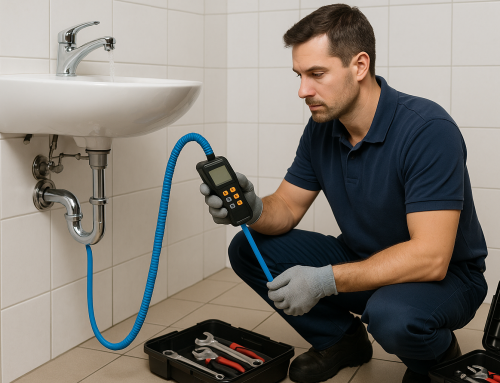
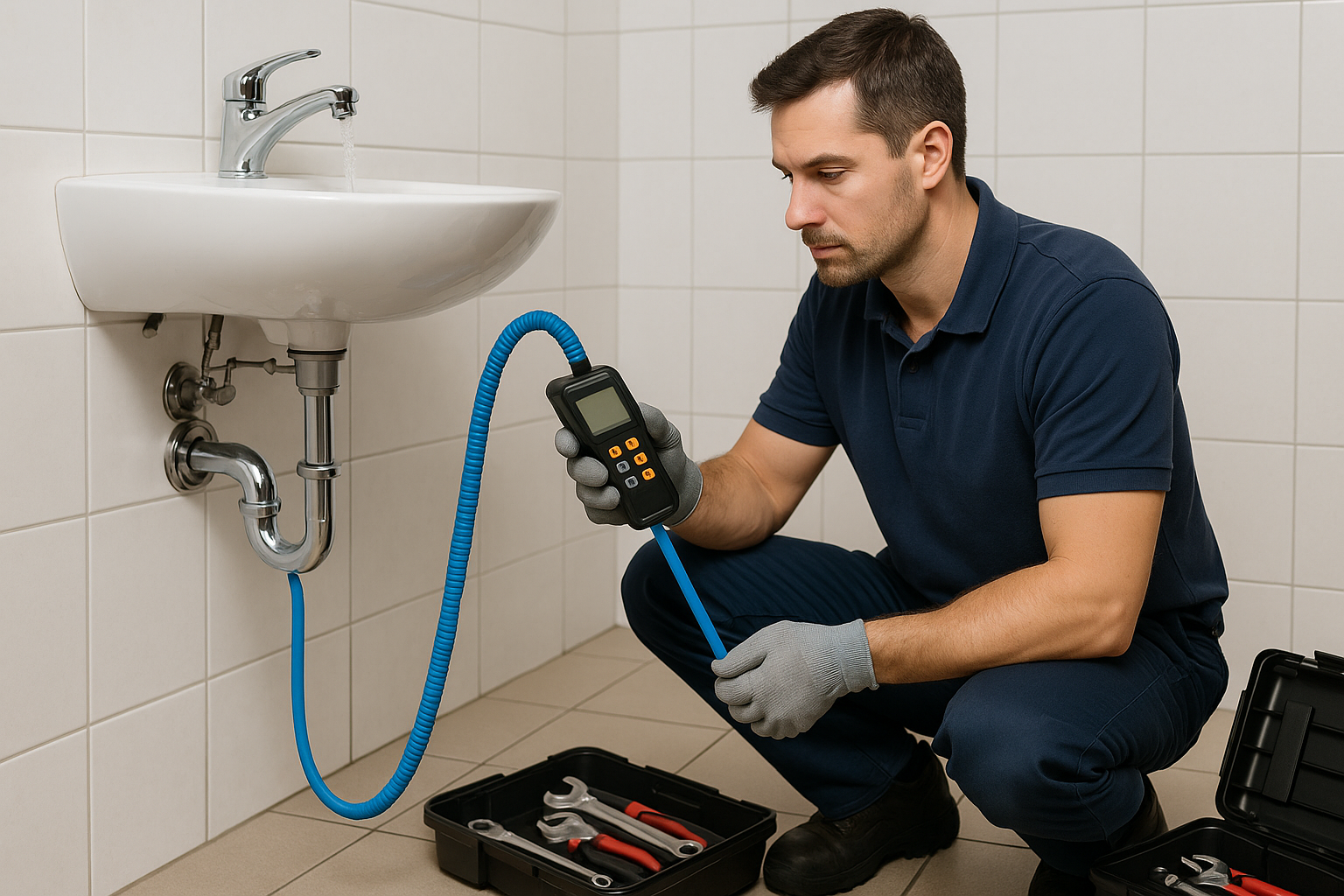
When clogs keep returning or water backs up in multiple fixtures, professional drain cleaning may be the best solution. Plumbers use specialized equipment such as drain cameras, motorized augers, and hydro jetting to remove buildup and inspect the condition of the pipes. This can be especially helpful for older plumbing systems or recurring main line issues.
What to Avoid When Cleaning Drains
It may be tempting to reach for quick fixes, but not every method is safe or effective. Chemical drain cleaners, for example, can damage pipes, create dangerous fumes, and harm septic systems if used too often. They may also fail to remove the actual cause of the blockage, which means the clog could return soon after.
It is also important not to force tools too aggressively into pipes, since this can scratch or damage plumbing components. If you are unsure about a clog or the drain is completely blocked, it is better to stop and seek help before making the problem worse.
How to Prevent Future Clogs
Prevention is the easiest and most affordable part of drain care. A few simple habits can keep your drains moving freely and reduce the need for frequent cleanings:
- Use drain strainers in sinks and showers to catch debris
- Avoid pouring grease, oil, or fat down the kitchen drain
- Wipe food scraps from dishes before washing
- Run hot water after using the kitchen sink
- Clean shower drains regularly to remove hair and soap buildup
- Only flush toilet paper and approved waste
Routine maintenance is especially important in homes with older plumbing, hard water, or large households where drains are used heavily. A little prevention now can help you avoid bigger plumbing problems later.
When to Call a Plumber
Some drain problems are beyond basic DIY cleaning. If your drain clogs repeatedly, multiple fixtures are slow at the same time, or water is backing up into sinks, tubs, or floor drains, a professional should inspect the system. These signs may point to a blockage in the main sewer line, pipe damage, or another hidden issue that needs expert attention.
Calling a plumber early can prevent water damage, improve drainage, and help ensure the problem is solved correctly the first time. Professional drain cleaning is often worth it when the issue is recurring or severe.
Conclusion
Drain cleaning is an important part of maintaining a healthy plumbing system. By recognizing early warning signs, using safe cleaning methods, and following smart prevention habits, you can keep water flowing smoothly and reduce the chance of major blockages. And when a clog is too stubborn to handle on your own, professional help can restore your drains quickly and safely.