Understanding Pipe Leak Repair
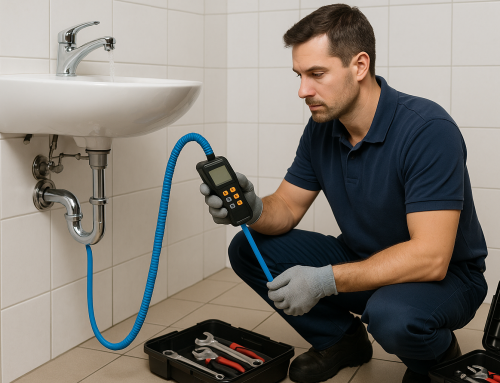
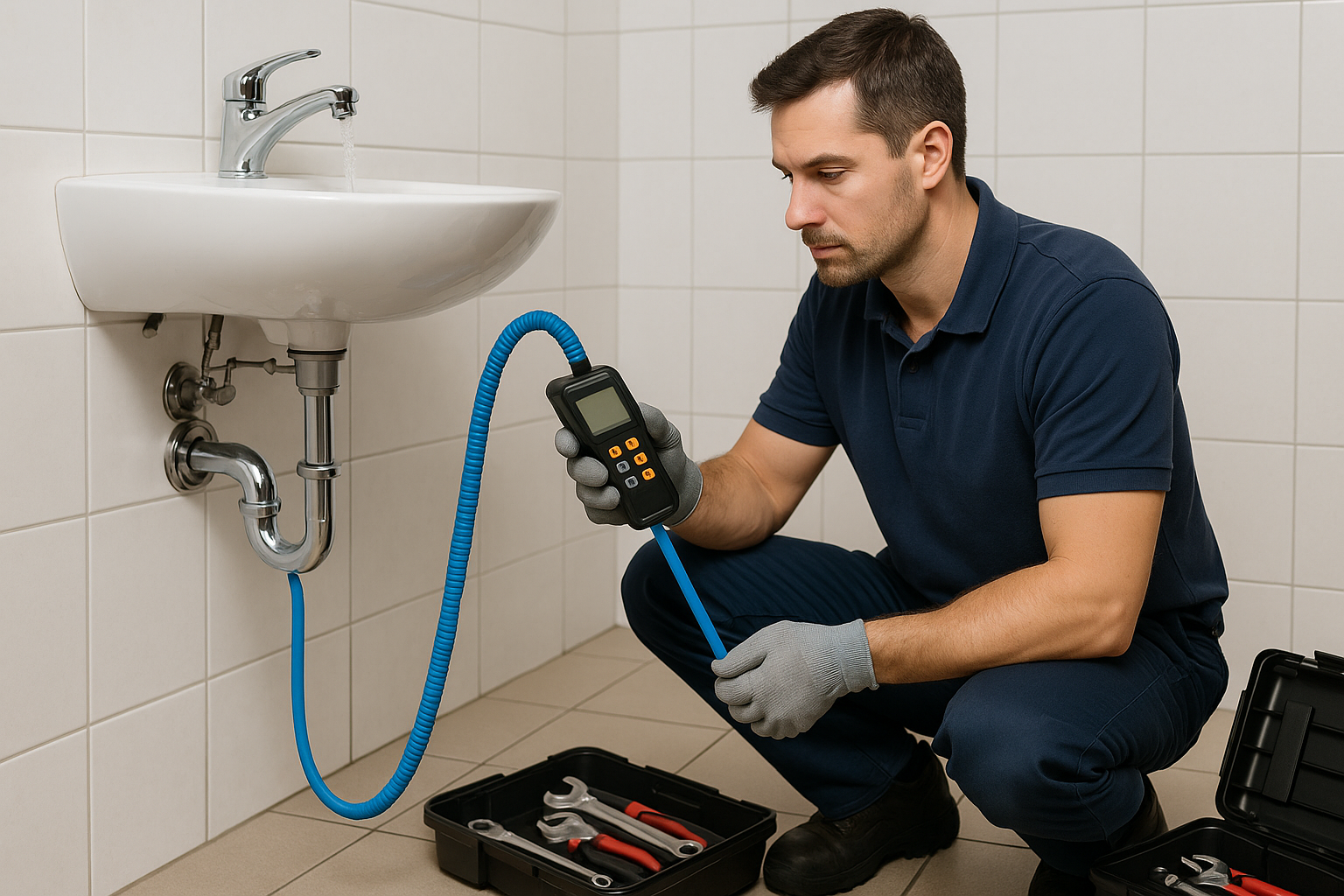
Pipe leak repair is one of those home maintenance tasks that can feel minor at first, but it can quickly become a major issue if ignored. Even a small leak can waste water, raise utility bills, damage walls and floors, and create the perfect environment for mold growth. The good news is that many leaks can be addressed quickly when caught early.
Whether you are dealing with a dripping joint under the sink, a cracked copper pipe, or a hidden leak inside a wall, understanding the basics of pipe leak repair can help you respond with confidence. The right repair depends on the pipe material, the size of the leak, and how accessible the damaged area is.
Common Signs of a Pipe Leak
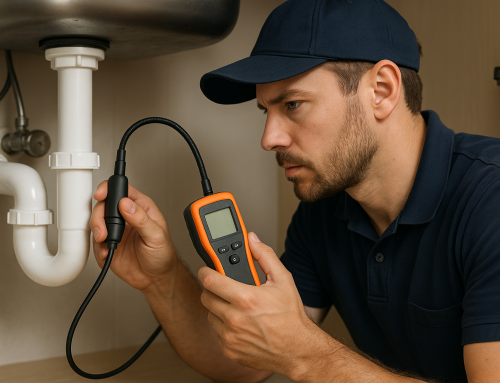
Not every pipe leak is obvious. Some leaks are visible right away, while others stay hidden for weeks or months. Knowing the warning signs can save you from expensive damage later.
- Unexplained increase in water bills: A sudden jump in usage may point to a leak.
- Damp spots or water stains: Look for discoloration on ceilings, walls, or floors.
- Musty odors: Persistent mildew smells can indicate hidden moisture.
- Reduced water pressure: A leak in the plumbing system can affect pressure at faucets and showers.
- Sound of running water: If water seems to be moving when fixtures are off, there may be a leak somewhere in the line.
- Visible corrosion or rust: Older pipes may show signs of wear before they fail completely.
If you notice one or more of these issues, it is worth investigating right away. Catching the problem early can make pipe leak repair much simpler and less expensive.
What Causes Pipe Leaks?
Pipe leaks can happen for many reasons, and the cause often determines the best repair method. In some cases, the issue is related to age and wear. In others, it may be due to pressure, freezing, or installation problems.
- Corrosion: Metal pipes can deteriorate over time, especially in areas with hard water or older plumbing.
- High water pressure: Excessive pressure can strain joints and pipe walls.
- Freezing temperatures: Water expands when it freezes, which can crack pipes.
- Loose fittings: Connections may loosen due to vibration or aging seals.
- Physical damage: Pipes can be punctured during renovations or damaged by shifting foundations.
- Poor installation: Weak joints or incorrect materials can lead to early failure.
Understanding the source of the leak is essential because a patch may stop the water temporarily, but it will not solve the underlying problem if the pipe is badly damaged or corroded.
How to Perform Basic Pipe Leak Repair
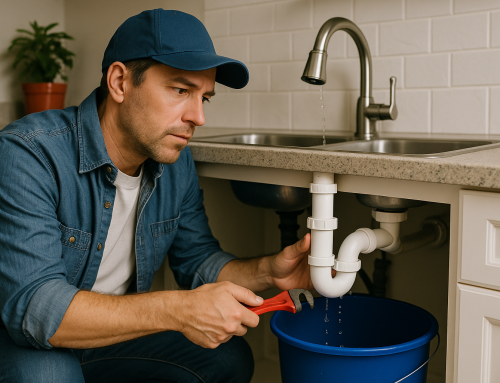
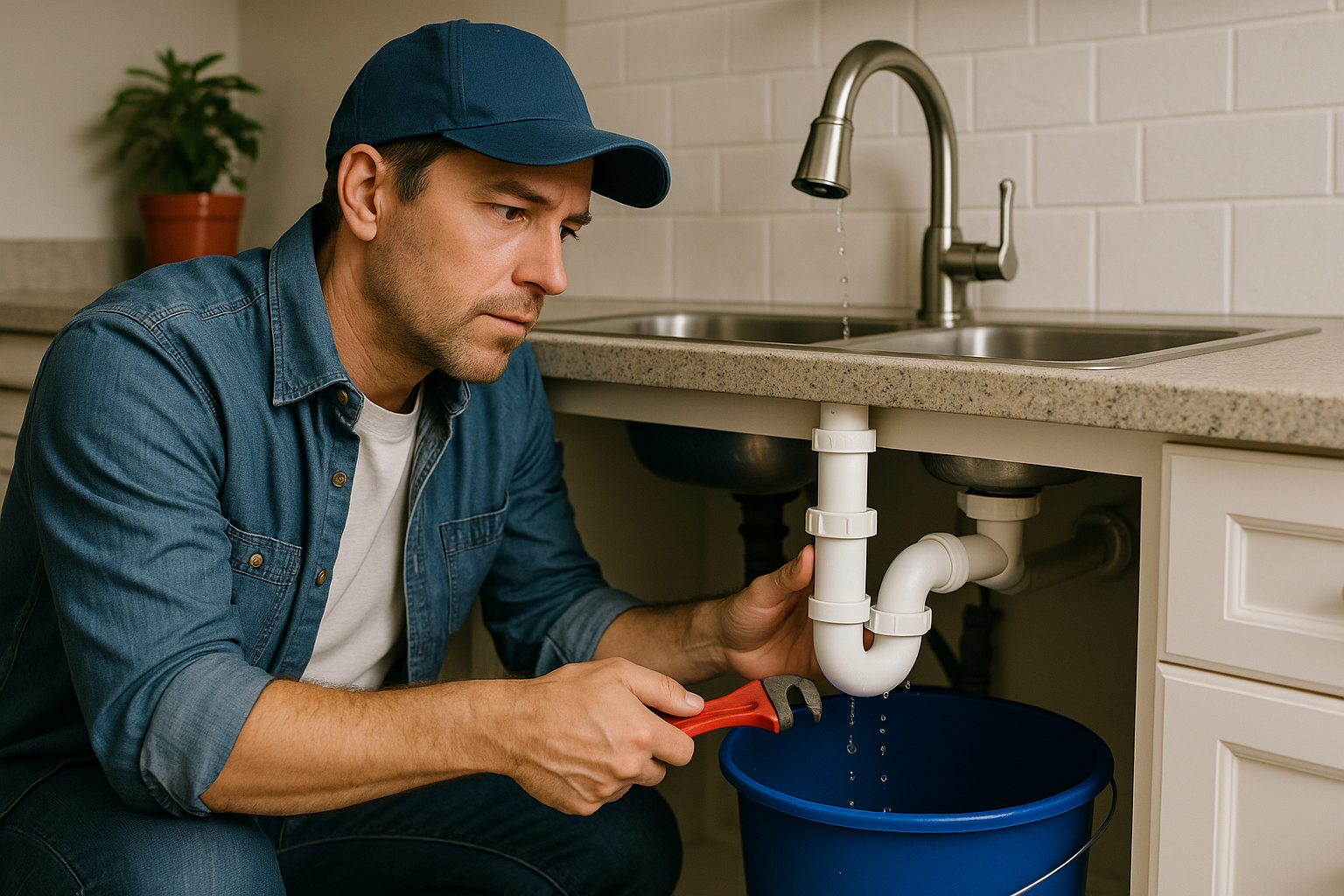
Some small leaks can be repaired by a capable homeowner, especially if the pipe is easy to access. Before starting any repair, always shut off the water supply to the affected area. If possible, drain the line to reduce pressure and prevent additional water from escaping.
1. Tighten loose fittings
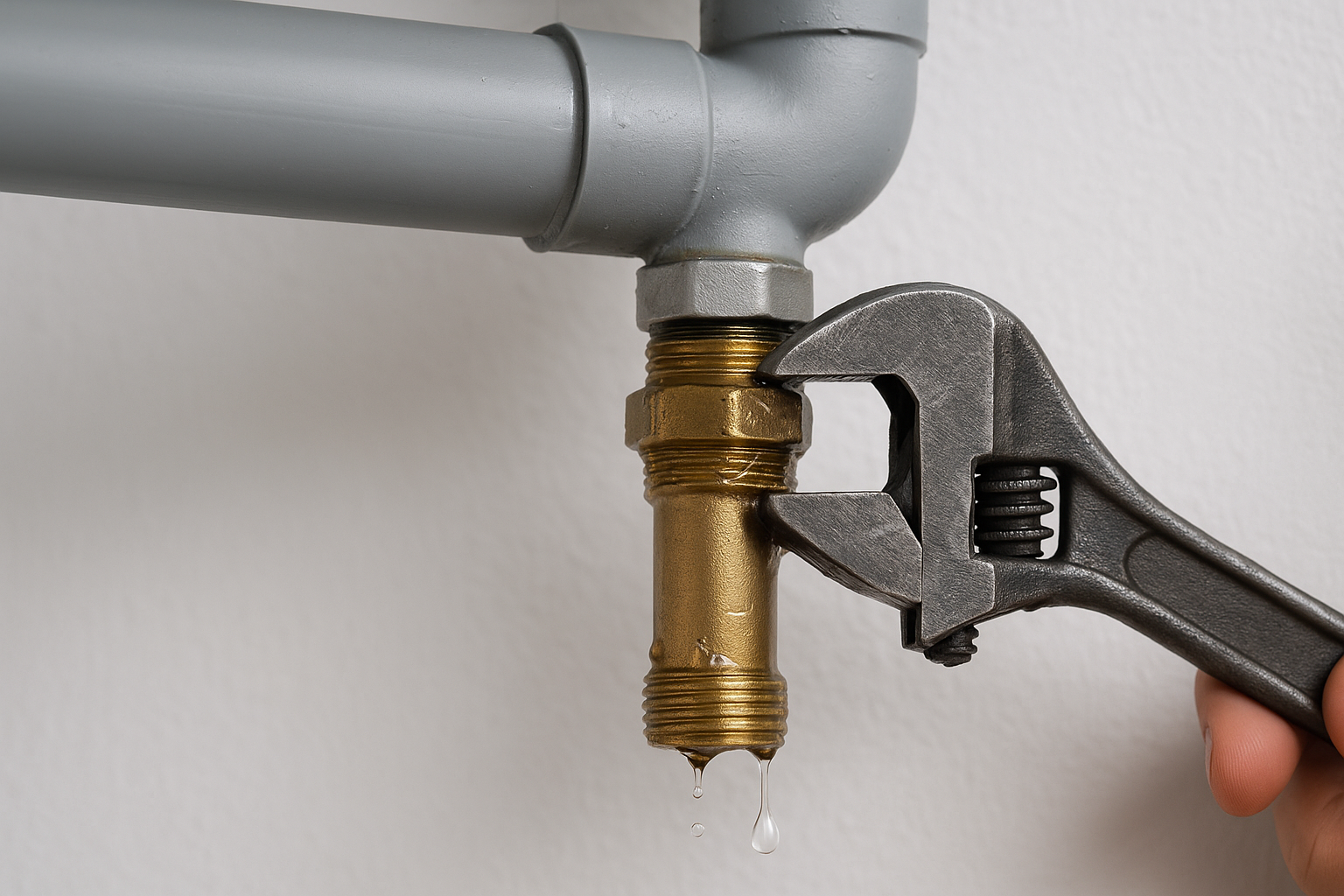
If the leak is coming from a threaded connection or compression fitting, tightening the joint may solve the problem. Use a wrench carefully to avoid over-tightening, which can crack fittings or strip threads.
2. Replace worn washers or seals
Many leaks at faucets, shut-off valves, and appliance connections are caused by worn rubber washers or damaged seals. Replacing these parts is often a quick and inexpensive fix.
3. Apply pipe repair tape or epoxy
Temporary solutions like pipe repair tape, epoxy putty, or a pipe clamp can help stop minor leaks until a permanent repair is made. These products are especially useful in emergencies, but they are usually not the final solution for a damaged pipe.
4. Cut and replace the damaged section
If a section of pipe is cracked or corroded, the best repair may be to cut out the damaged portion and install a new piece. This method is common for copper, PVC, and PEX piping, but it requires the right tools and materials to ensure a secure seal.
5. Test the repair
Once the repair is complete, restore water slowly and check the area for leaks. Monitor the spot for several minutes to make sure the fix holds under pressure.
When to Call a Professional Plumber
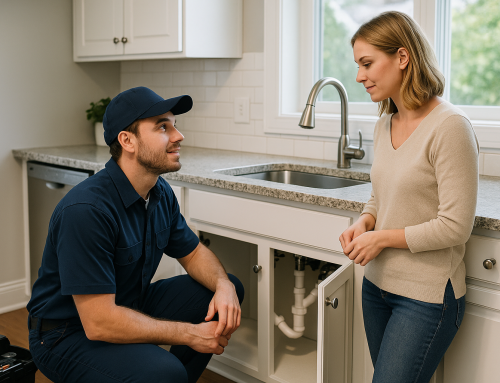
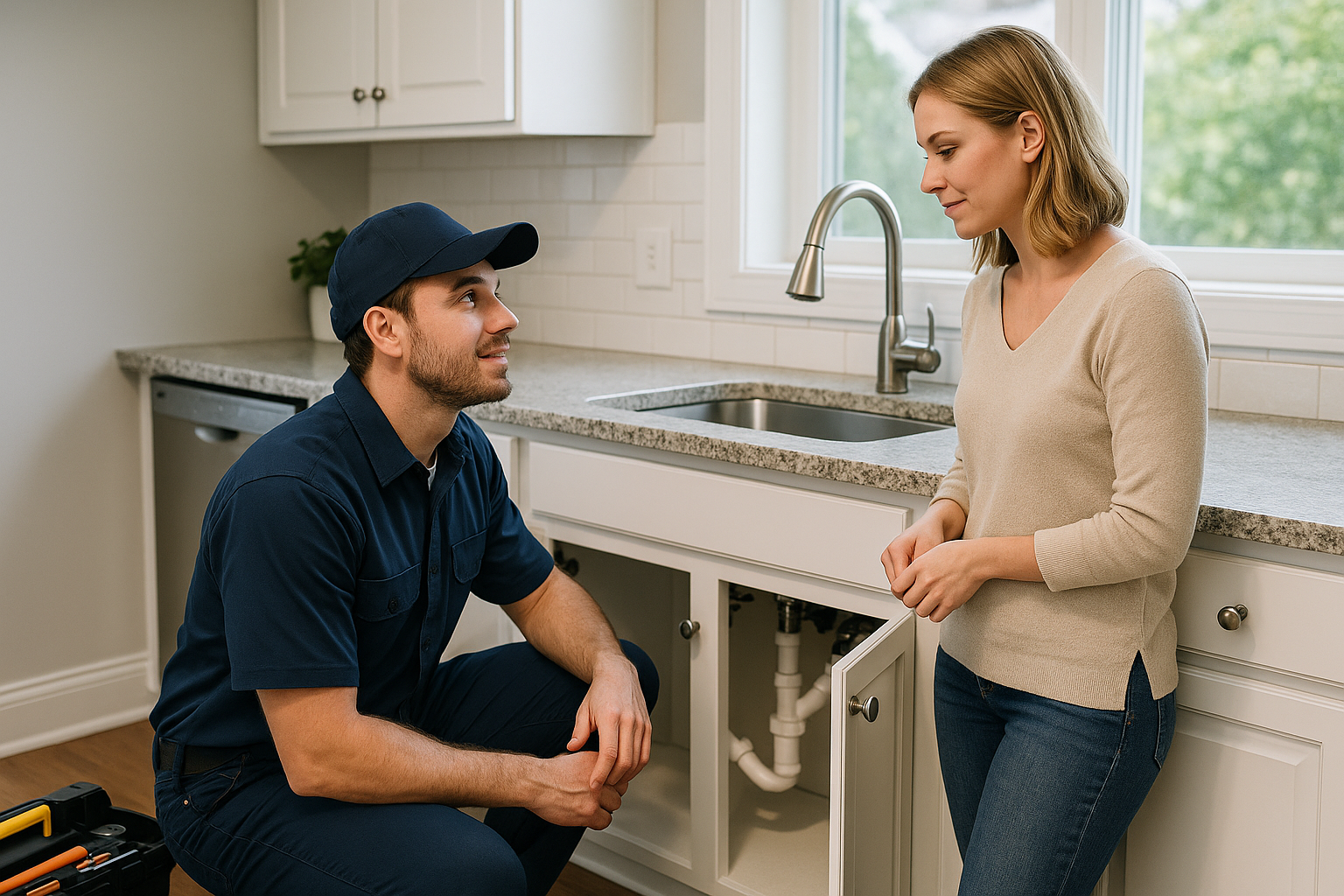
Not every pipe leak repair should be a do-it-yourself project. In fact, calling a licensed plumber is often the smartest choice when the leak is hidden, extensive, or linked to aging plumbing throughout the home.
Professional help is recommended if:
- The leak is inside a wall, ceiling, or slab foundation.
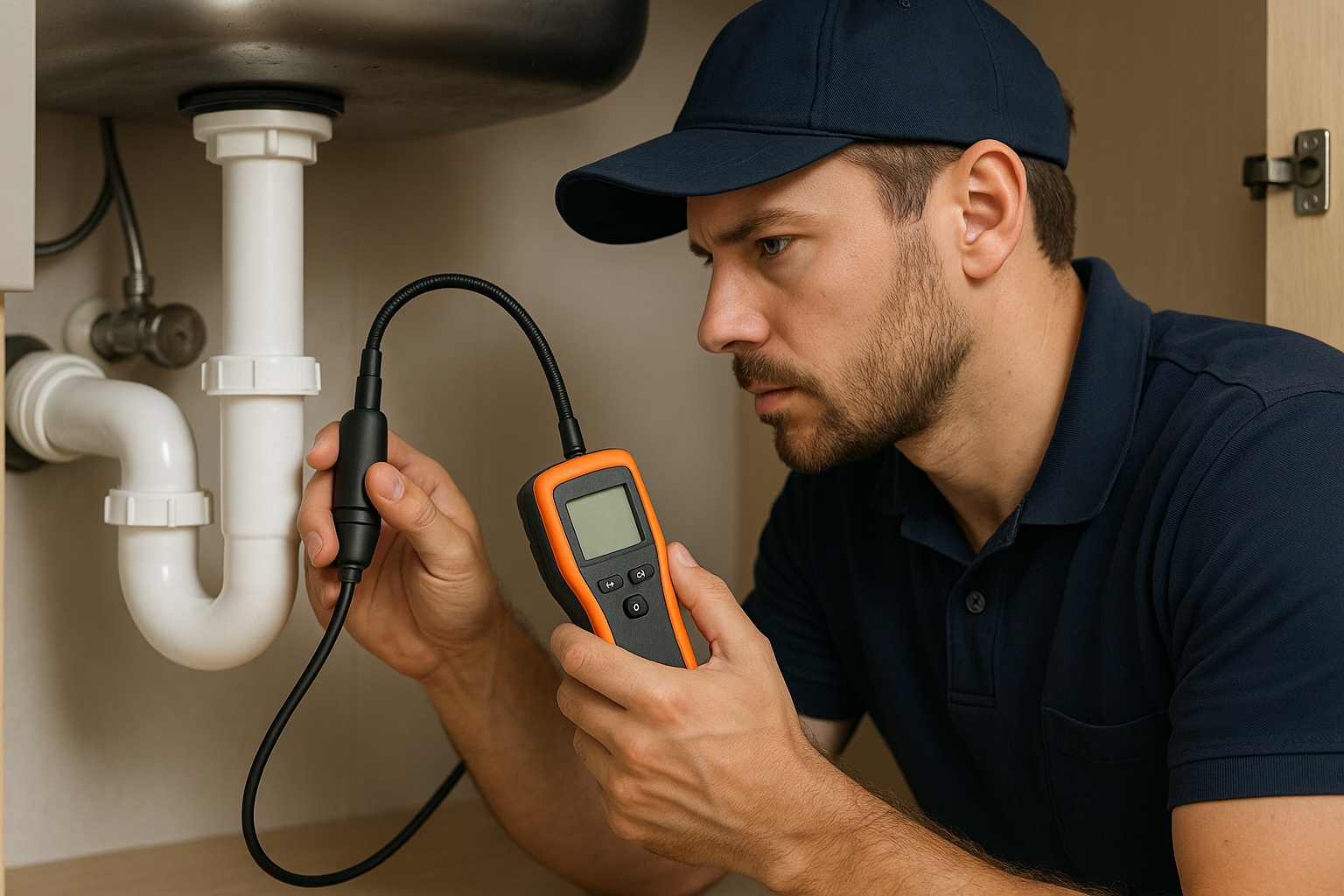
- You cannot locate the source of the leak.
- The pipe is severely corroded or damaged in multiple places.
- The leak involves gas lines or main water lines.
- You need permits or code-compliant replacement work.
A plumber can also inspect the surrounding plumbing system to determine whether the leak is part of a larger issue. In some cases, repairing one section is only a short-term solution if the rest of the piping is near the end of its life.
How to Prevent Future Pipe Leaks
Preventing leaks is always easier than dealing with water damage after the fact. A few simple maintenance habits can greatly reduce the risk of future problems.
- Insulate exposed pipes: This helps prevent freezing in cold weather.
- Monitor water pressure: Keep pressure at a safe level to reduce stress on plumbing.
- Inspect under sinks and around appliances: Check regularly for moisture, corrosion, or dripping.
- Replace aging plumbing: Older pipes may need proactive replacement before they fail.
- Schedule routine inspections: A plumber can catch small issues before they become emergencies.
Good maintenance not only protects your plumbing system but also helps preserve the value and comfort of your home.
Conclusion
Pipe leak repair is best handled quickly, whether the fix is simple or requires professional attention. By learning the warning signs, understanding the cause, and taking prompt action, you can prevent small leaks from turning into major repairs. A little attention now can save a lot of time, money, and stress later.