Water Line Repair: What Homeowners Need to Know
A damaged water line can quickly turn into a major household problem. From low water pressure to soggy patches in the yard, the warning signs are often easy to miss at first. Understanding how water line repair works can help you act quickly, reduce damage, and protect your home’s plumbing system.
What Is a Water Line?
Your water line is the pipe that brings fresh water from the municipal supply or a private well into your home. It is one of the most important parts of your plumbing system because nearly every fixture depends on it. When this line develops a leak, crack, or blockage, the effects can show up throughout the entire home.
Water lines are usually buried underground, which makes problems harder to detect. Because of that, even small issues can grow into costly repairs if they are not addressed promptly.
Common Signs You May Need Water Line Repair
Low Water Pressure
If your sinks, showers, or appliances are suddenly delivering weaker water flow, a damaged water line could be the cause. Leaks or partial blockages can reduce pressure throughout the house.
Unexplained Increase in Water Bills
A hidden leak often wastes a significant amount of water before it becomes visible. If your bill rises without any change in usage, it is worth investigating the main water line.
Wet Spots in the Yard
Pooling water, unusually green patches of grass, or muddy areas in your yard may indicate an underground leak. These signs are especially important if it has not rained recently.
Discolored Water
Rusty, cloudy, or dirty water can be a sign that your water line is corroded or damaged. While discoloration can sometimes come from household plumbing, it should not be ignored.
Strange Noises
Banging, hissing, or gurgling sounds may point to air in the line or water escaping through a crack. Unusual plumbing noises should be checked by a professional.
What Causes Water Line Damage?
Several factors can lead to water line problems. Age is one of the biggest causes, especially in older homes with outdated pipe materials. Corrosion, shifting soil, tree root intrusion, freezing temperatures, and excessive water pressure can also damage the line.
In some cases, construction work or ground movement nearby can put stress on buried pipes. Even small shifts in the soil over time can create cracks or loose joints.
How Water Line Repair Is Diagnosed
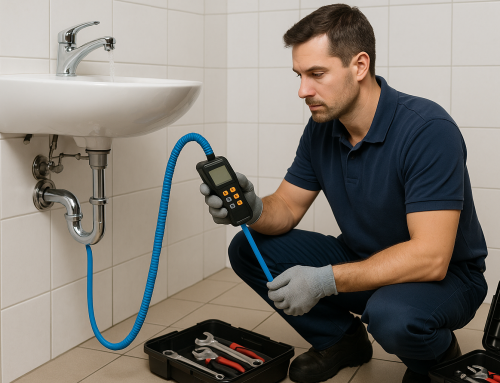
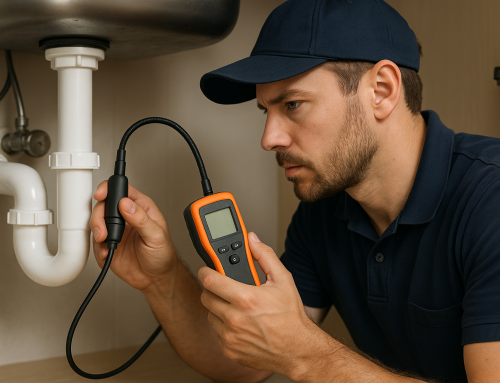
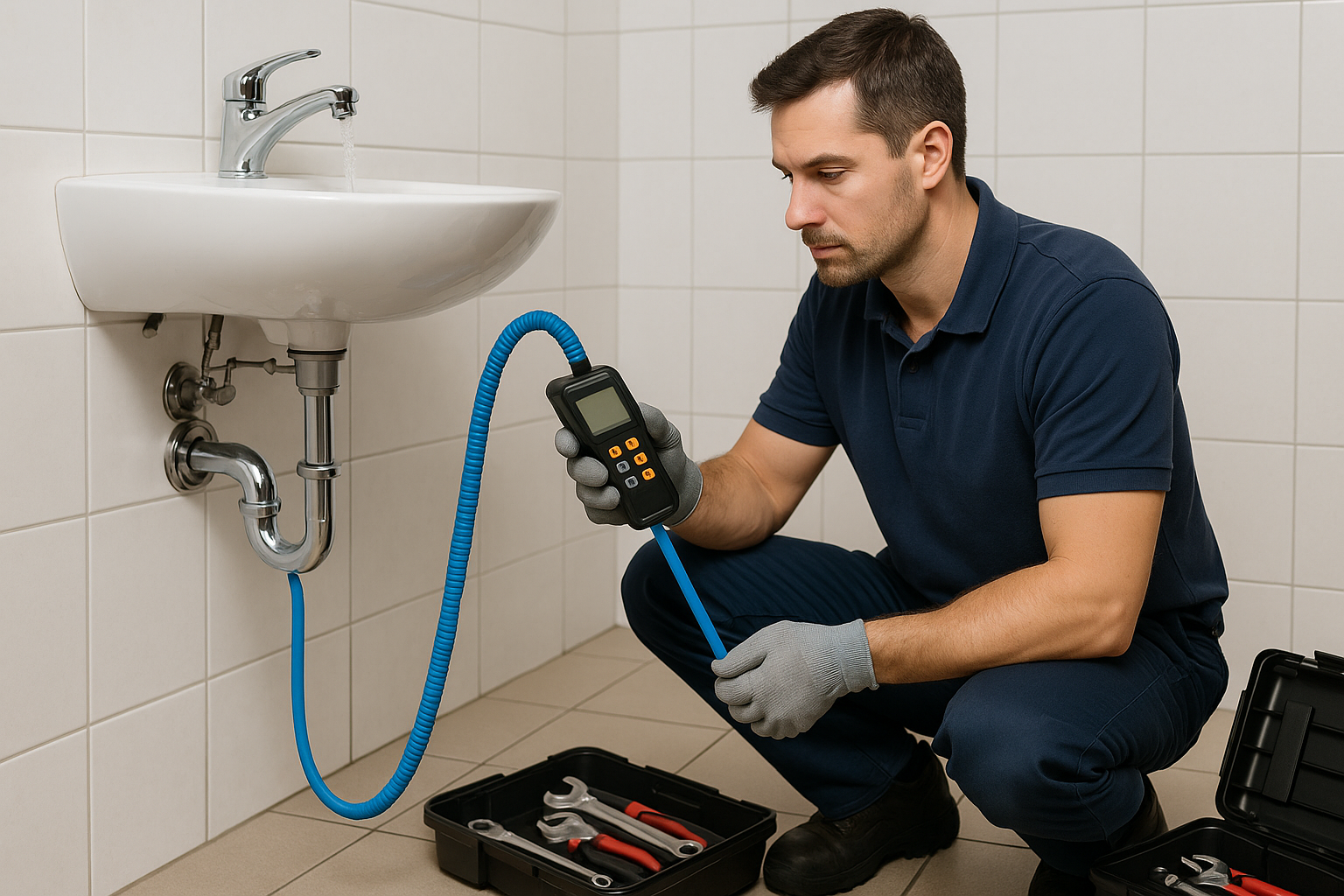
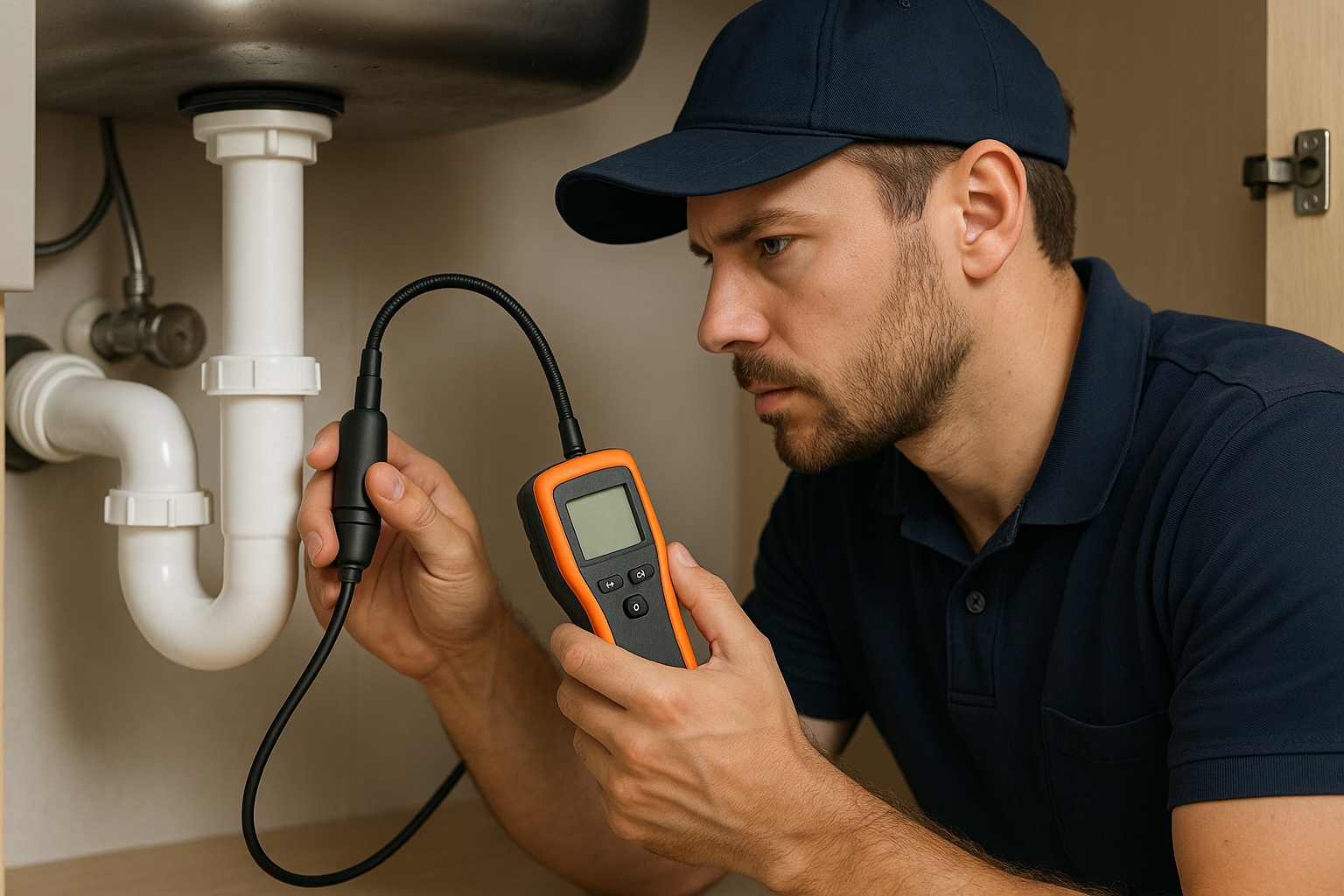
Before any repair begins, a plumber will usually inspect the system and determine the source of the issue. Because the main water line is underground, diagnosis often involves specialized tools such as pressure testing, leak detection equipment, or video inspection when applicable.
The goal is to locate the exact problem without unnecessary digging. Accurate diagnosis helps reduce repair time, saves money, and limits disruption to your property.
Water Line Repair Options
Spot Repair
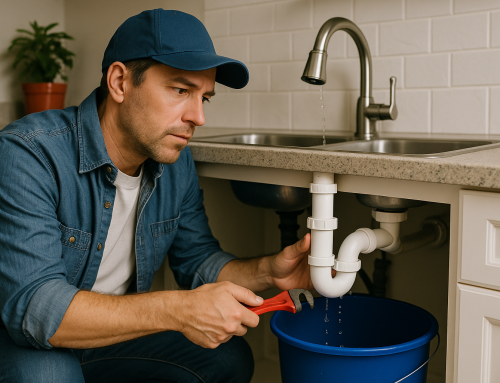
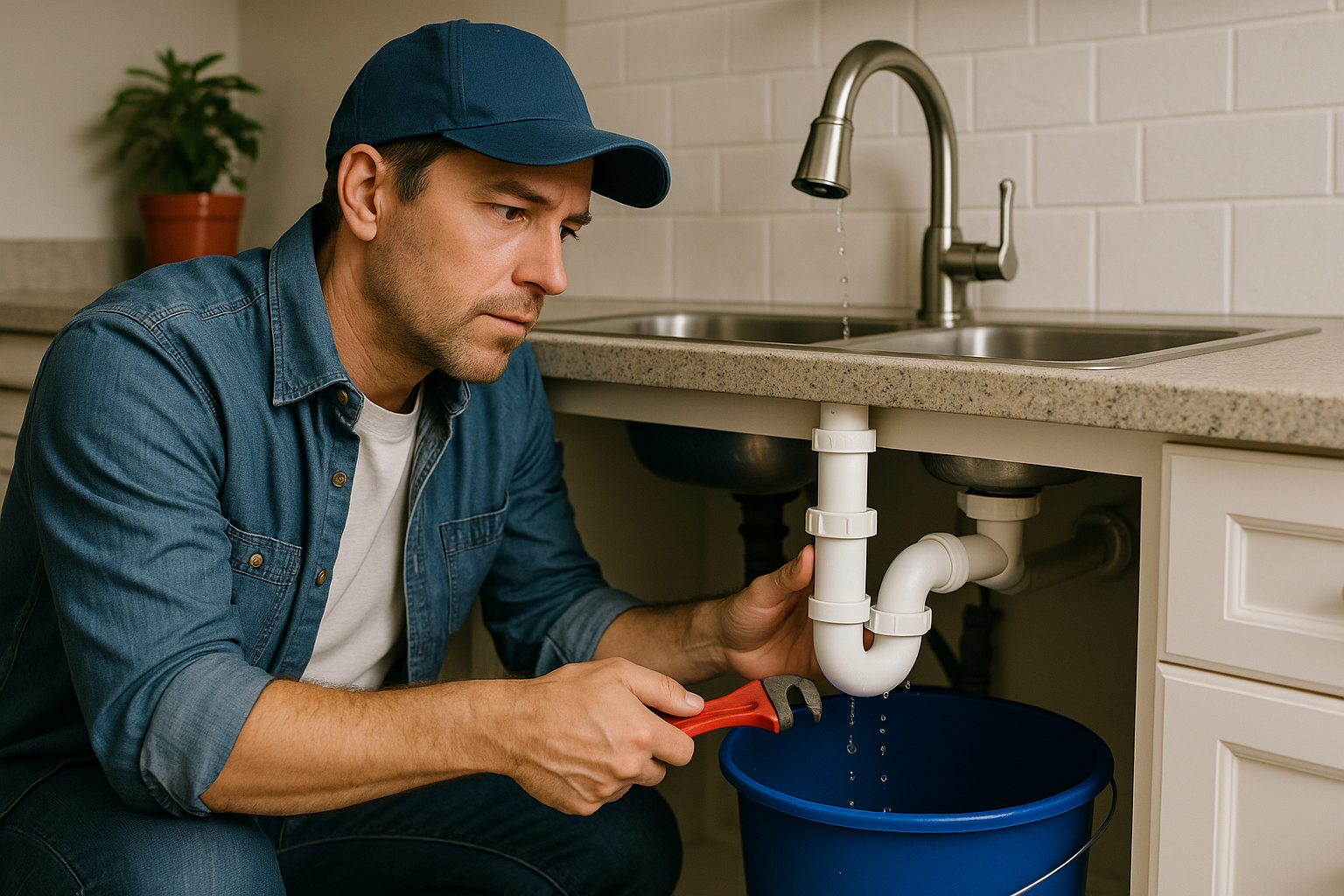
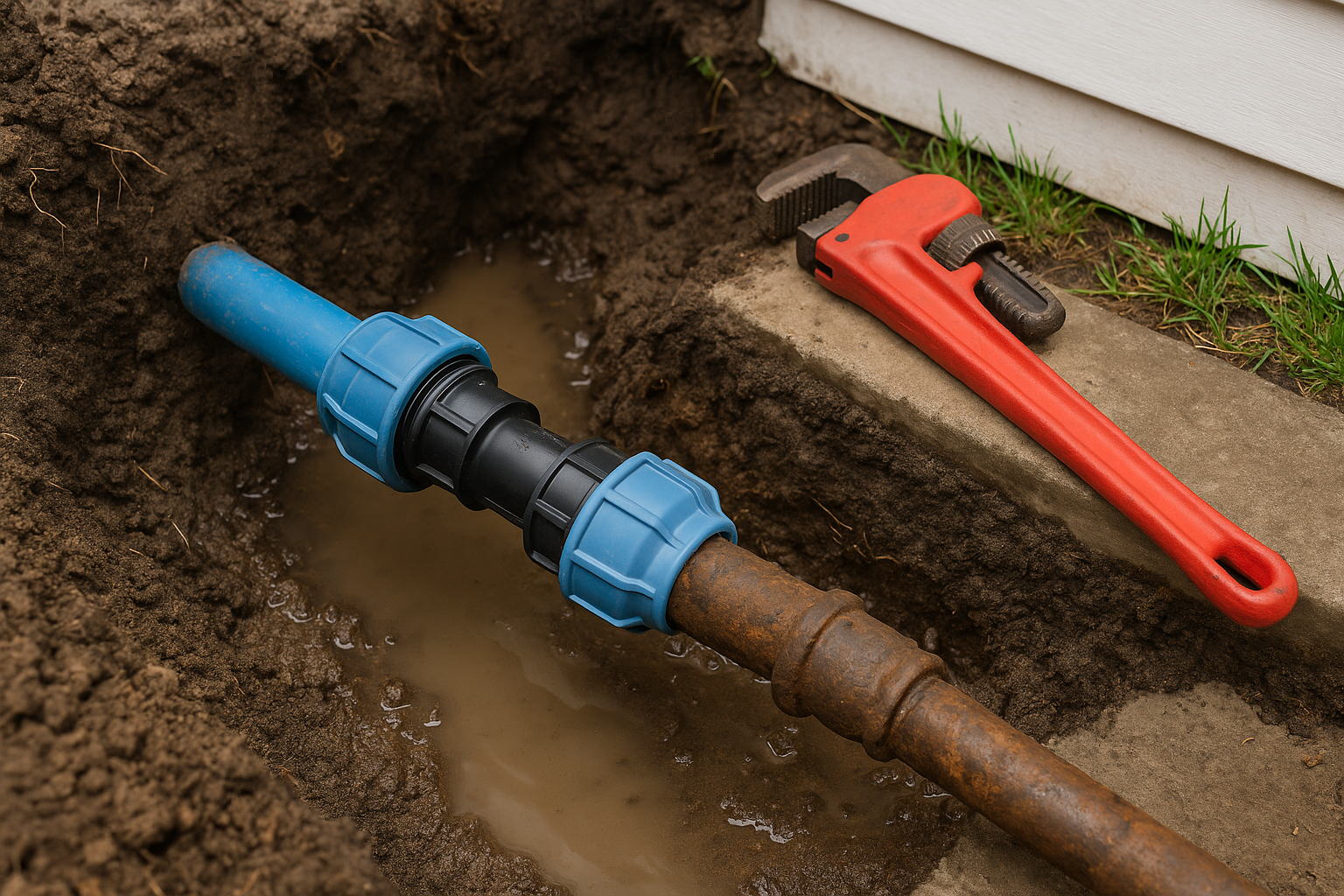
If the damage is limited to one small section, a plumber may be able to repair only the affected area. This can be a cost-effective solution when the rest of the line is in good condition.
Pipe Section Replacement
For pipes with localized damage, replacing a section of the line may be the best option. This approach is often used when a crack, corrosion spot, or root intrusion is contained in one area.
Full Water Line Replacement
If the pipe is old, heavily corroded, or has repeated failures, a full replacement may be more practical than repeated repairs. Although it costs more upfront, replacement can provide long-term peace of mind and fewer future emergencies.
Trenchless Repair Methods
In some situations, trenchless technology can repair or replace water lines with minimal digging. This method may help preserve landscaping, driveways, and walkways while still resolving the problem efficiently.
Why Professional Repair Matters
Water line repair is not a job for guesswork. Because the line is tied to your home’s main water supply, improper repairs can lead to bigger leaks, contamination concerns, or ongoing pressure problems. A licensed plumber has the experience and equipment to identify the issue correctly and complete the repair safely.
Professional service can also help you understand whether repair or replacement is the smarter long-term choice. In many cases, what looks like a small leak may actually be a sign of a larger system failure.
How to Reduce the Risk of Future Problems
While not every water line issue can be prevented, regular maintenance can lower your risk. Keep an eye on water pressure, watch for changes in your bill, and schedule plumbing inspections if your home has older pipes. It also helps to plant trees away from buried utility lines and protect exposed pipes from freezing temperatures.
If you notice recurring issues, do not wait for a major break. Early repair is usually less expensive and far less disruptive than waiting for a full emergency.
Conclusion
Water line repair is an important service that protects your home, your plumbing system, and your peace of mind. By recognizing the signs of trouble early and calling a professional when needed, you can prevent small issues from becoming major damage. If you suspect a problem with your water line, prompt attention is the best way to keep your water flowing reliably.