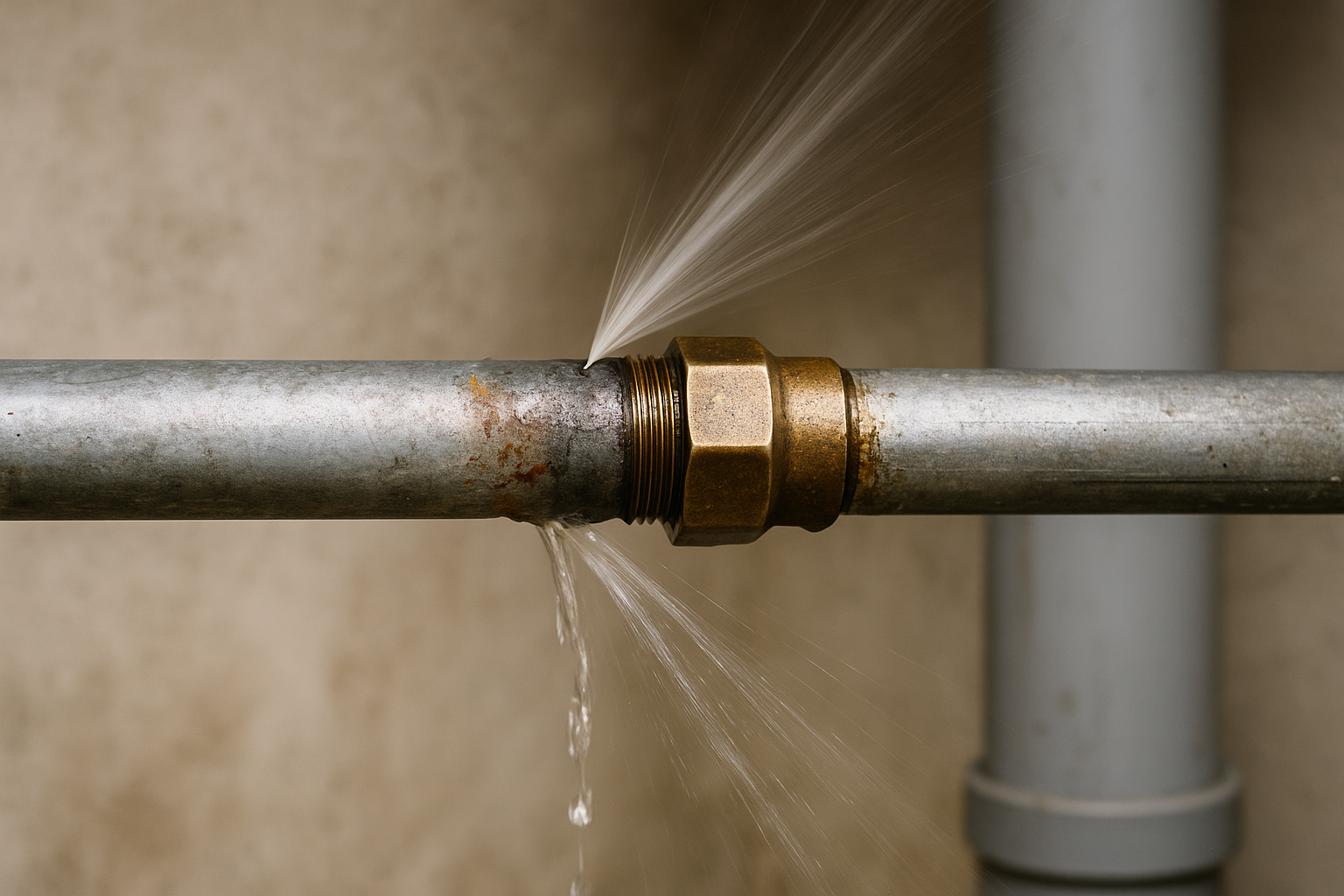
A burst pipe can turn an ordinary day into a stressful emergency. Water can spread quickly, damaging floors, walls, furniture, and even electrical systems in a matter of minutes. Whether the pipe burst from freezing temperatures, corrosion, age, or excessive pressure, acting fast is the key to limiting damage and getting your plumbing back under control.
This guide explains how to handle a burst pipe, what burst pipe repair usually involves, and how to reduce the chances of it happening again.
What Causes a Pipe to Burst?
Understanding the cause of a burst pipe can help you prevent future problems. Pipes rarely fail without warning. In many cases, small issues build up over time until the pipe finally gives way.
Common reasons pipes burst
- Freezing temperatures: Water expands when it freezes, creating pressure inside the pipe.
- Corrosion: Older metal pipes may weaken over time and become vulnerable to cracks and leaks.
- High water pressure: Excessive pressure can strain joints and pipe walls.
- Physical damage: Impact from remodeling, digging, or shifting building materials can rupture a pipe.
- Tree root intrusion: Roots can break into underground lines and cause serious plumbing failures.
If your home has aging plumbing or you’ve noticed low water pressure, discoloration, or recurring leaks, it may be time for an inspection before a burst occurs.
Signs You May Have a Burst Pipe
Some burst pipes are obvious, while others stay hidden behind walls, under floors, or in ceilings. Recognizing the warning signs early can save you from more costly repairs.
Look out for these warning signs
- A sudden drop in water pressure
- Water stains on ceilings, walls, or floors
- Unexplained puddles or damp spots
- Mold or mildew odors
- Unusual sounds like dripping, banging, or hissing
- Unexpected spikes in your water bill
If you notice any of these signs, don’t wait. A small leak can become a major burst pipe emergency very quickly.
What to Do Immediately After a Pipe Bursts
The first few minutes after discovering a burst pipe are the most important. Quick action can help prevent extensive water damage and reduce repair costs.
Step 1: Shut off the water supply
Find your main water shut-off valve and turn it off right away. This will stop more water from entering the damaged pipe.
Step 2: Turn off electricity if needed
If water is near outlets, appliances, or wiring, shut off power to the affected area if it can be done safely. Water and electricity are a dangerous combination.
Step 3: Drain remaining water
Open faucets and flush toilets to relieve pressure in the system and drain any remaining water from the pipes.
Step 4: Move valuables and clean up water
Remove furniture, electronics, rugs, and personal items from the affected area. Use towels, buckets, or a wet/dry vacuum to begin soaking up standing water.
Step 5: Call a licensed plumber
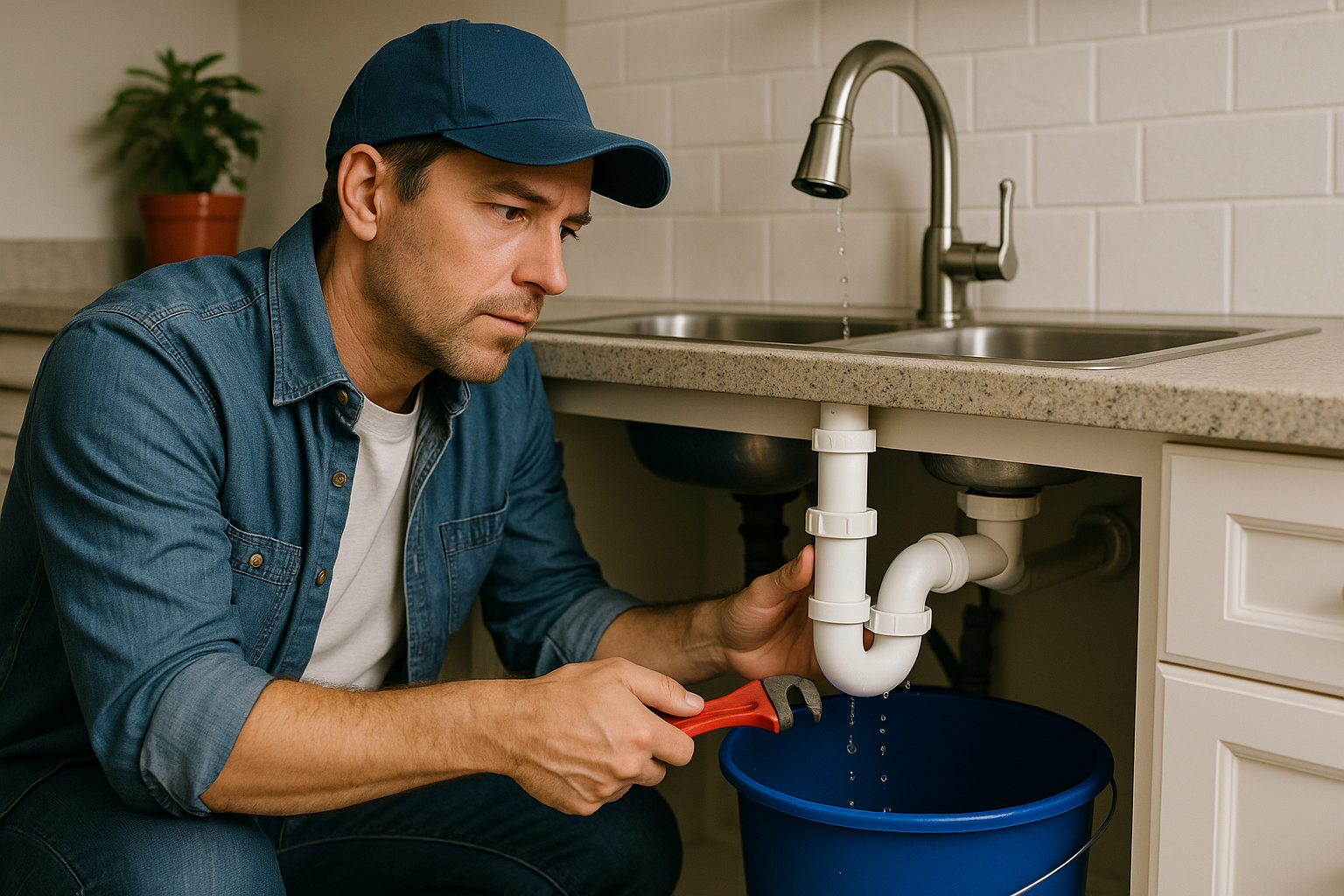
Burst pipe repair should be handled by a qualified professional. A plumber can identify the damaged section, repair or replace it, and check for additional plumbing issues.
How Burst Pipe Repair Works
Repairing a burst pipe depends on the location of the damage, the type of pipe, and the extent of the problem. A plumber may use a simple patch for a minor crack, or they may need to replace a full section of pipe.
Typical repair process
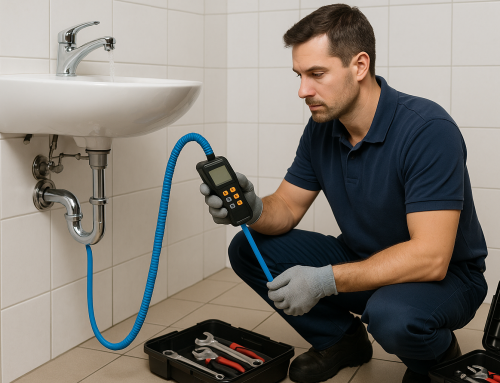
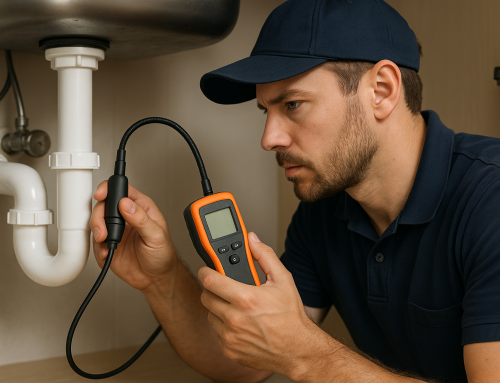
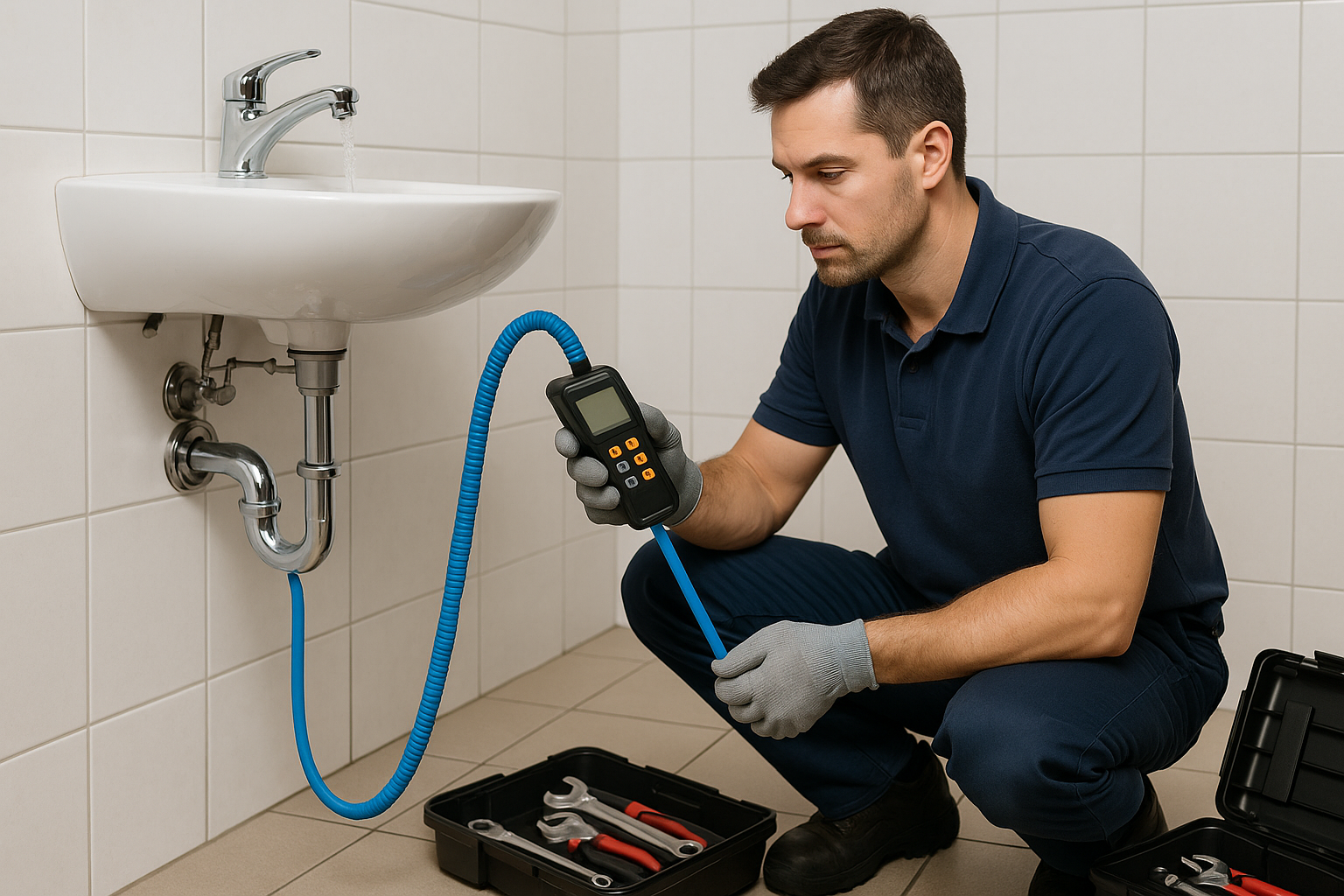
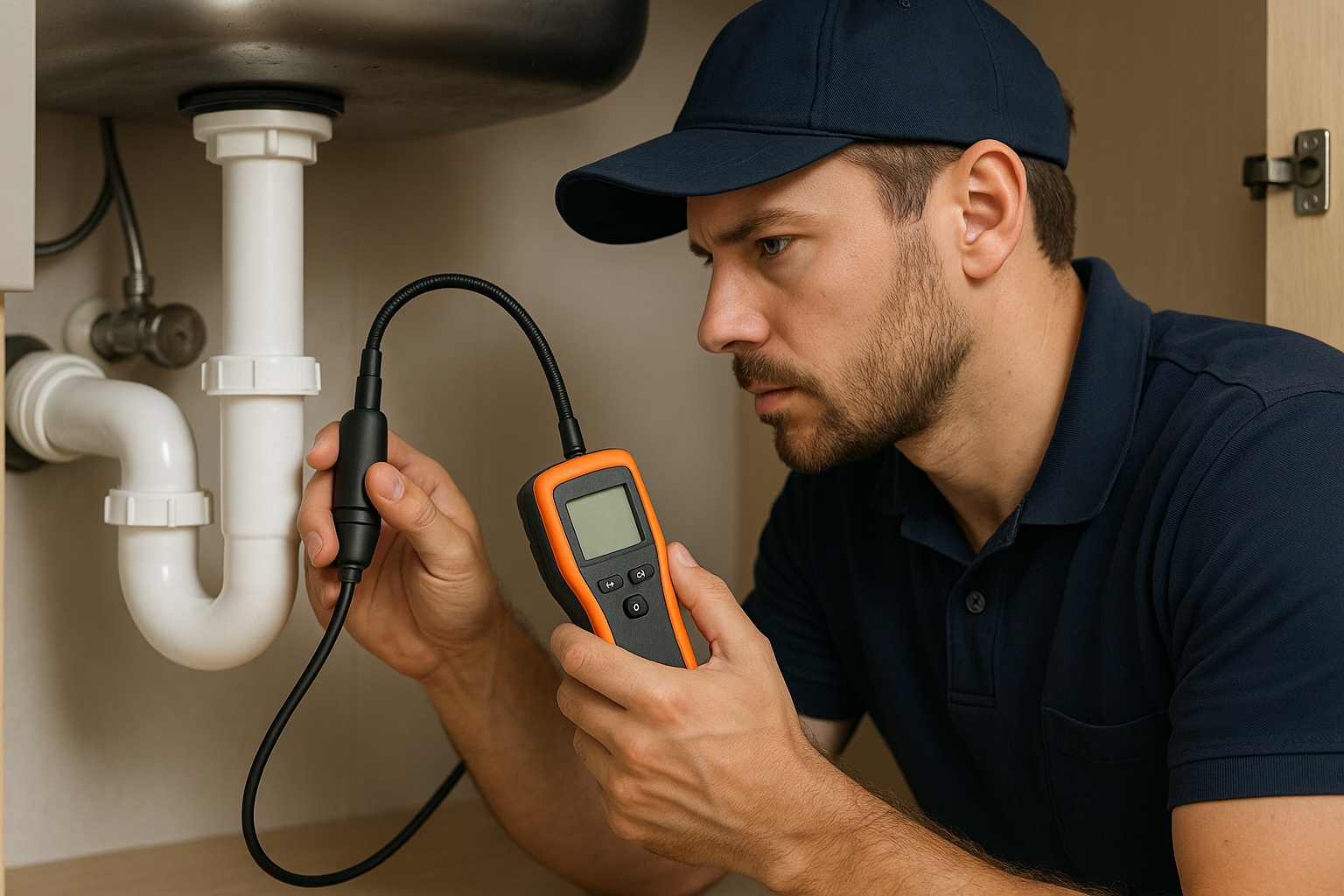
- Inspection: The plumber locates the burst and determines the cause.
- Water shutoff and draining: The affected line is isolated and emptied.
- Pipe repair or replacement: The damaged portion is cut out and replaced, or the line is sealed if appropriate.
- System testing: The plumber restores water and checks for leaks, pressure issues, and proper flow.
- Damage assessment: If needed, they may recommend drying, mold prevention, or additional restoration work.
In some cases, a burst pipe may require opening walls or ceilings to access hidden plumbing. While that can sound inconvenient, it’s often the only way to make a lasting repair.
How Much Does Burst Pipe Repair Cost?
The cost of burst pipe repair varies widely depending on the severity of the damage, the pipe location, and whether restoration work is needed afterward. A small accessible repair may be relatively affordable, while a hidden burst behind drywall can be much more expensive.
Factors that affect price
- Type of pipe material
- Location of the burst
- How much pipe needs to be replaced
- Emergency or after-hours service fees
- Water damage restoration costs
- Mold remediation or structural repairs
While it’s tempting to delay repairs to save money, waiting often leads to larger expenses. Water damage can spread beyond the original pipe failure and create problems with flooring, insulation, and drywall.
Can You Fix a Burst Pipe Yourself?
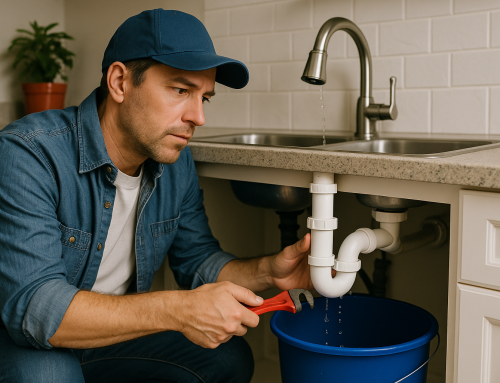
Some homeowners can make a temporary stopgap fix, such as wrapping the pipe or using a repair clamp, but these are only short-term solutions. They may reduce leaking until a plumber arrives, but they are not a permanent fix.
DIY burst pipe repair is generally not recommended unless you have plumbing experience and the problem is minor and accessible. In most cases, a professional repair is safer, more reliable, and less likely to fail later.
How to Prevent Burst Pipes in the Future
Prevention is the best way to avoid a plumbing emergency. A few maintenance habits can go a long way toward protecting your home.
Prevention tips
- Insulate exposed pipes in basements, attics, garages, and crawl spaces
- Keep your home heated during cold weather
- Let faucets drip slightly during extreme freezes
- Check for signs of corrosion or small leaks
- Monitor water pressure and have it tested if it seems too high
- Schedule routine plumbing inspections
Homeowners in colder climates should also winterize outdoor faucets, disconnect garden hoses, and seal drafts near plumbing lines.
When to Call for Emergency Help
Not every plumbing issue requires emergency service, but a burst pipe often does. Call for immediate help if water is actively flowing, the damage is spreading, or the pipe is located near electrical systems. Fast response can make a big difference in the amount of cleanup and restoration required.
Conclusion
Burst pipe repair is one of those problems that demands fast action and professional attention. By shutting off the water, limiting damage, and calling a plumber promptly, you can protect your home and avoid bigger repairs down the road. A little prevention now can also help you steer clear of another plumbing emergency later.