What Is a Sewer Backup?
A sewer backup happens when wastewater cannot flow properly through the sewer line and starts moving back into your home through drains, toilets, or tubs. Unlike a simple clog, a backup can affect multiple fixtures at once and may quickly become a serious sanitation issue. Because sewage contains harmful bacteria and contaminants, it should always be treated as an urgent problem.
Backups can happen in a single home, a section of a neighborhood, or even an entire street if the municipal sewer system is overwhelmed. In some cases, the issue is caused by a blockage on your property; in others, the problem begins beyond your control in the city sewer line.
Common Causes of Sewer Backups
Tree Root Intrusion
Roots naturally seek moisture and can force their way into small cracks or joints in sewer pipes. Over time, they expand and trap debris, causing severe blockages and pipe damage.
Grease, Waste, and Debris Buildup
Flushing wipes, paper towels, feminine hygiene products, and other non-flushable items can restrict flow. In kitchen lines, grease and food particles can harden inside pipes and create stubborn clogs that eventually lead to a backup.
Broken, Sagging, or Collapsed Sewer Lines
Older pipes can crack, shift, or deteriorate due to age, soil movement, or corrosion. A sagging section of pipe can collect waste and water, while a collapsed line may completely block drainage.
Heavy Rainfall or Municipal Overload
During storms, excess water can overwhelm the public sewer system. If the city line is backed up or if stormwater infiltrates the system, wastewater may be forced back into homes.
Signs You May Need Sewer Backup Repair
Early warning signs often show up in more than one place. Slow drains throughout the house, gurgling toilets, foul odors coming from drains, or water backing up in a shower when a toilet is flushed all point to a possible sewer problem. You may also notice wet patches in the yard, especially near the sewer line, or sewage odors near the basement or foundation.
If multiple fixtures are affected at the same time, the issue is likely deeper than a standard drain clog. That is the moment to stop using water and contact a professional right away.
Why Sewer Backups Require Immediate Attention
Sewer backups are not just inconvenient; they can create major health and property risks. Wastewater can damage flooring, drywall, furniture, and structural materials in a very short time. The longer sewage sits, the greater the chance of mold growth and lingering odors.
There is also a serious safety concern. Sewage exposure can spread bacteria and pathogens that may cause illness. For this reason, a sewer backup should be handled as a cleanup and repair emergency, not a routine plumbing annoyance.
How Professionals Repair a Sewer Backup
Inspection and Diagnosis
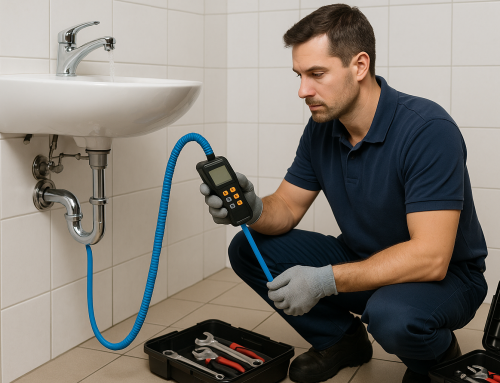
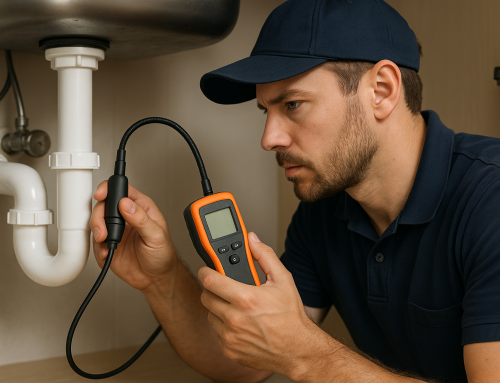
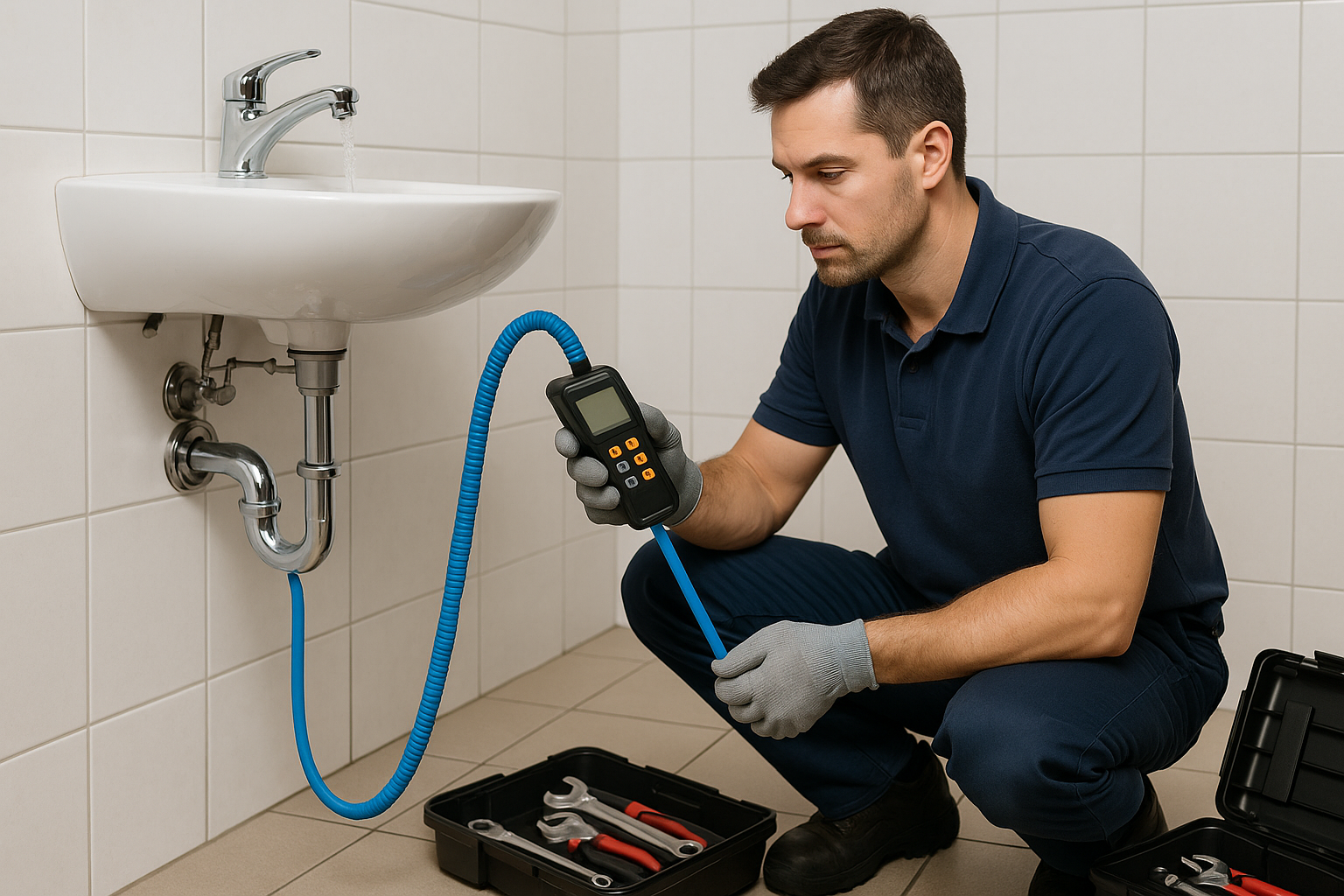
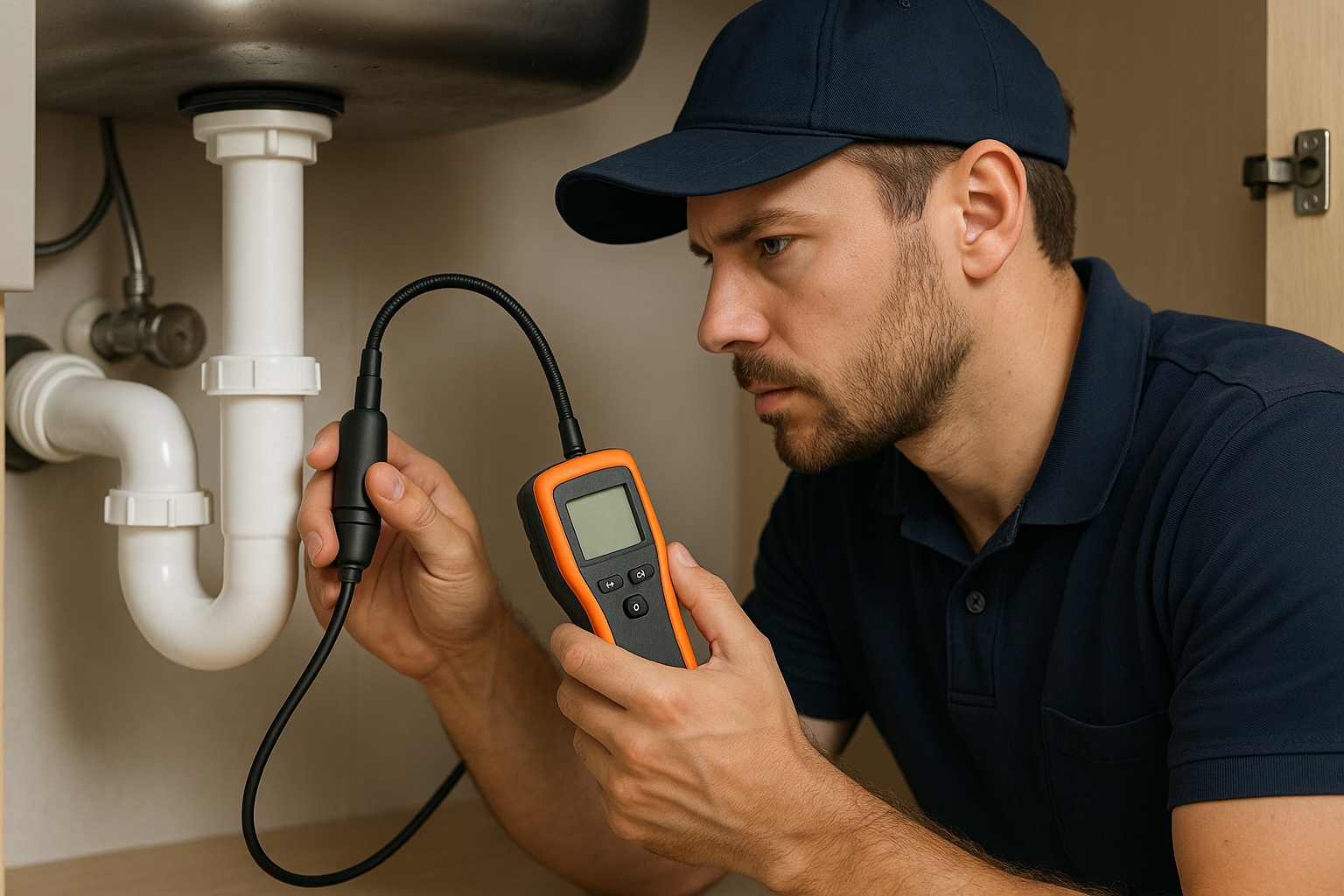
The first step is identifying the source of the problem. A plumber may use a sewer camera inspection to look inside the line and determine whether the issue is caused by roots, buildup, a break, or a collapsed section. This helps avoid guesswork and ensures the repair method matches the problem.
Clearing the Blockage
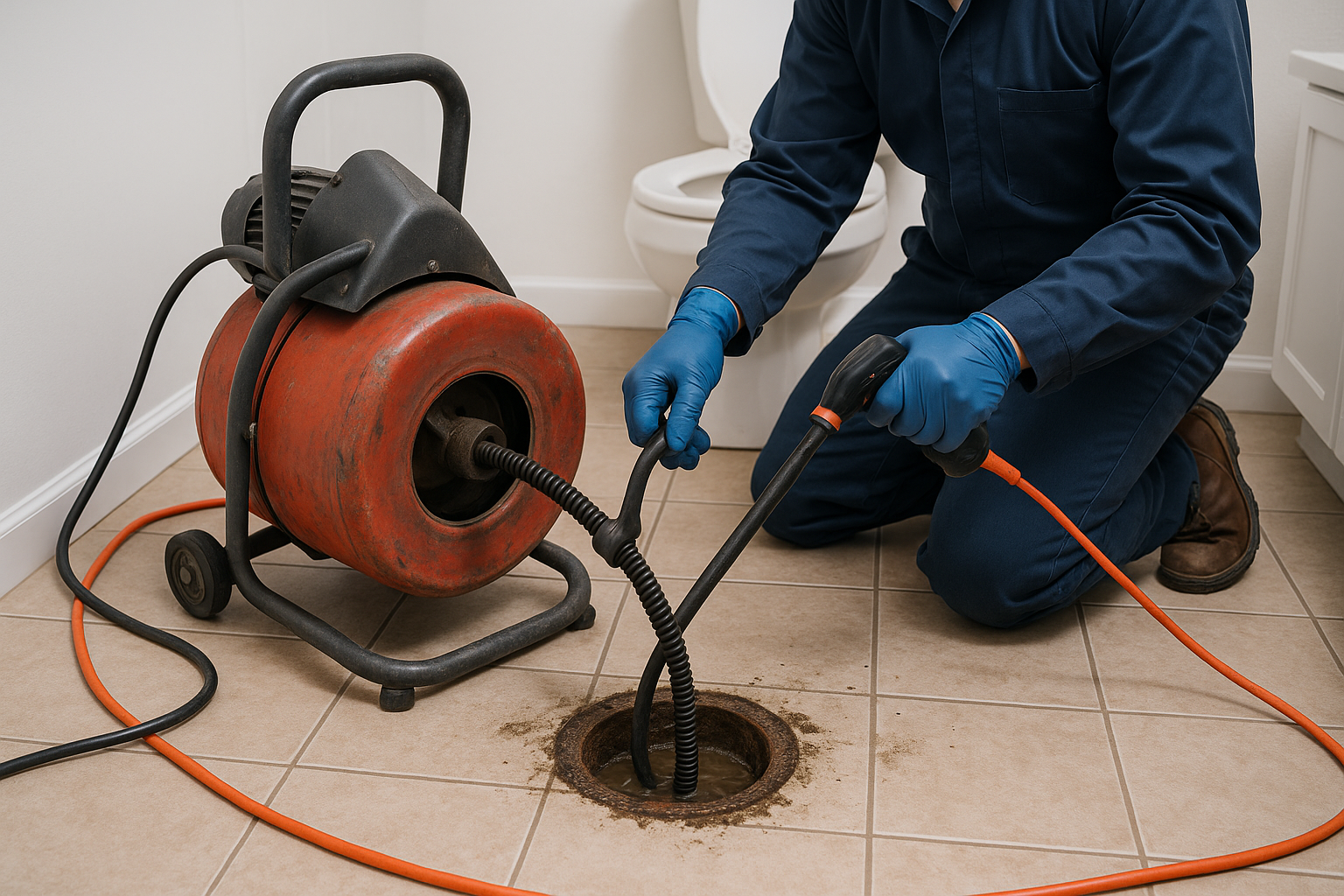
If the line is clogged, professionals may use augers, hydro jetting, or other specialized equipment to remove the obstruction. Hydro jetting is especially effective for grease, sludge, and root-related buildup because it uses highly pressurized water to clean the pipe walls.
Repairing or Replacing Damaged Pipe
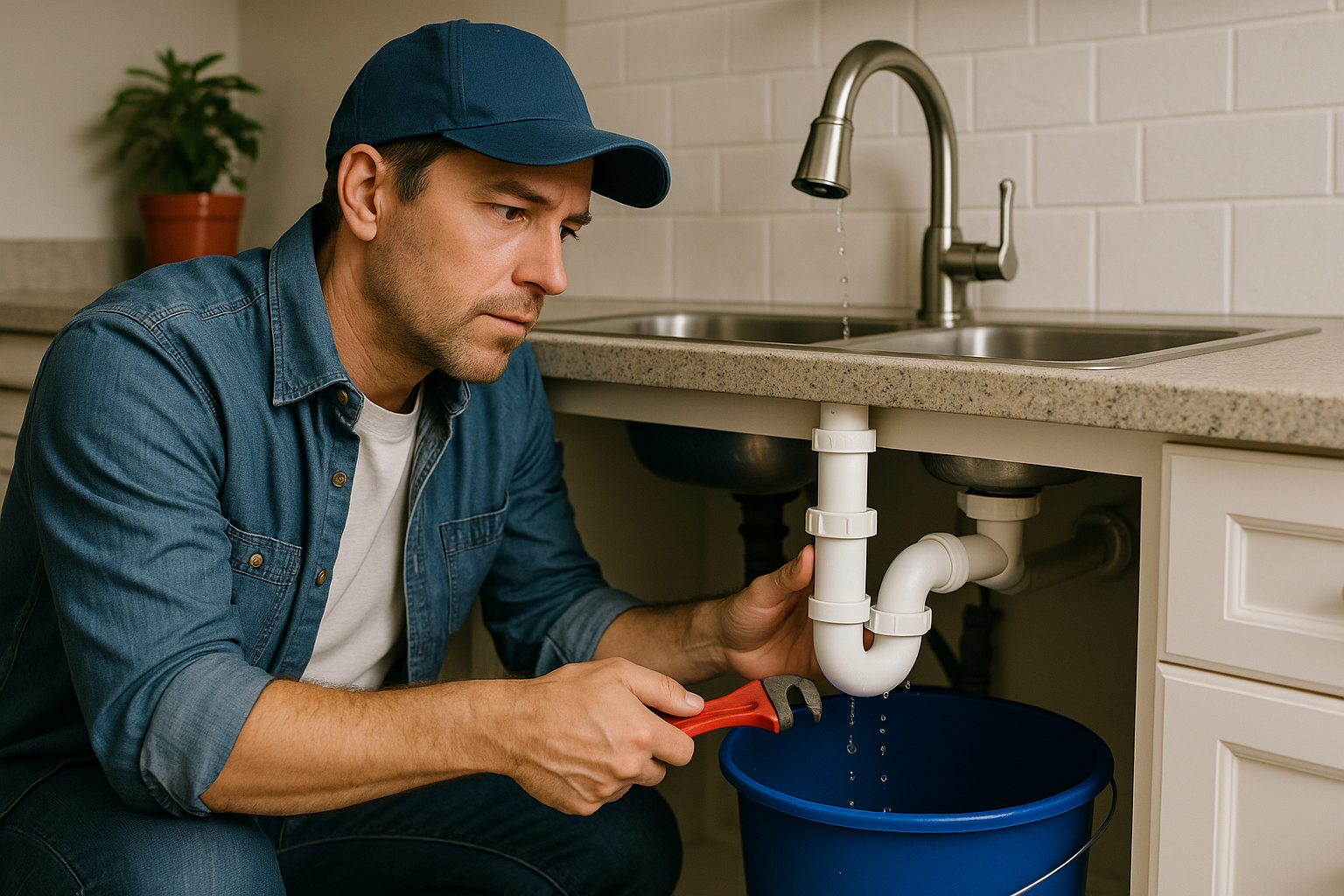
When a line is cracked, broken, or collapsed, cleaning alone will not solve the issue. Depending on the damage, the plumber may recommend pipe repair, sectional replacement, or full sewer line replacement. In some cases, trenchless repair methods can reduce excavation and restore the line more efficiently.
Cleanup and Sanitization
After the sewer problem is fixed, affected areas should be cleaned and disinfected thoroughly. Professional remediation may be needed to remove contaminated materials, dry the space, and prevent mold. Proper cleanup is essential for restoring a safe living environment.
Can You Prevent Future Sewer Backups?
While not every backup can be avoided, regular maintenance goes a long way. Schedule periodic sewer inspections, especially if your home is older or surrounded by mature trees. Be careful about what goes down your drains, and avoid flushing anything other than toilet paper and human waste.
Installing a backwater prevention valve may also help reduce the risk of sewage flowing back into your home during certain municipal overload situations. Homeowners in areas prone to flooding or recurring backups may benefit from this added layer of protection.
It is also smart to watch for recurring slow drains, strange odors, or repeated clogs. These are often early signs of a larger sewer issue that should be addressed before a full backup occurs.
When to Call a Professional
Call a licensed plumber or sewer repair specialist as soon as you notice sewage backing up into any fixture, multiple drains acting up at once, or strong sewer odors in the home. If the backup involves contaminated water, avoid using the affected area and keep children and pets away until the problem is resolved.
A professional has the tools to locate the source, clean the line safely, and determine whether the sewer pipe needs repair or replacement. Trying to fix a major sewer issue without the right equipment can make the damage worse.
Conclusion
Sewer backup repair is one of those plumbing jobs that should never be delayed. Fast action can limit damage, protect your health, and help you avoid more expensive repairs later. If you notice warning signs, get the line inspected and repaired as soon as possible so your home stays safe, clean, and functional.