A clogged sewer line is more than a plumbing inconvenience—it can quickly become a messy, expensive, and stressful problem. When wastewater cannot move freely through the main line, you may notice slow drains, gurgling toilets, foul odors, or even sewage backing up into your home. The good news is that understanding the warning signs, common causes, and best unclogging methods can help you act fast and protect your property.
What Is a Sewer Line Clog?
Your sewer line is the main pipe that carries wastewater from your home to the municipal sewer system or septic tank. Unlike a clogged sink or shower drain, a sewer line blockage affects multiple fixtures at once. Because everything drains through this one line, a clog here can disrupt the entire plumbing system.
Sewer line clogs are often caused by buildup that develops over time. Grease, soap residue, hair, food waste, and non-flushable items can collect inside the pipe. In other cases, tree roots, pipe damage, or a sagging line can restrict flow and trap debris.
Common Signs of a Clogged Sewer Line
Recognizing the early signs of a sewer blockage can help you avoid a full backup. Watch for these warning signals:
- Multiple drains draining slowly at the same time
- Gurgling sounds from toilets, tubs, or sinks
- Foul sewer odors inside or outside the home
- Water backing up into tubs, showers, or floor drains
- Toilets that bubble or flush weakly
- Wet patches or unusually green spots in the yard
If more than one fixture is affected, the problem is likely deeper in the main sewer line rather than in a single drain.
What Causes Sewer Line Blockages?
Grease and Debris Buildup
One of the most common causes of sewer line clogs is the gradual accumulation of grease, food particles, and soap scum. Grease may seem harmless when poured down the sink, but it cools and hardens inside pipes, narrowing the flow path and catching other debris.
Tree Root Intrusion
Tree roots naturally seek out moisture, and even a tiny crack in a sewer pipe can attract them. Once inside, roots expand and create a dense blockage. Over time, they can also damage the pipe, making the issue worse.
Flushed Non-Flushable Items
Wipes labeled “flushable,” paper towels, feminine hygiene products, cotton swabs, and other materials do not break down like toilet paper. These items can snag in the line and combine with other debris to form a stubborn clog.
Pipe Damage or Sagging
Older sewer lines may crack, corrode, collapse, or shift due to soil movement. A low spot in the line, often called a belly, can collect waste and increase the chance of recurring blockages.
How Sewer Line Unclogging Works
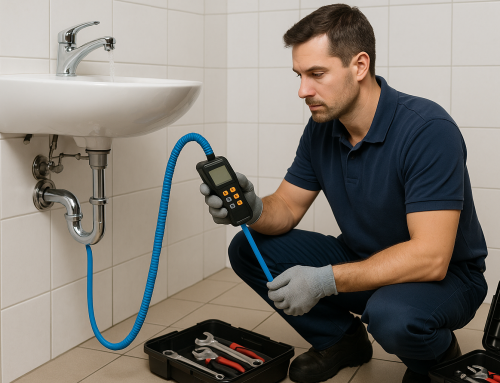
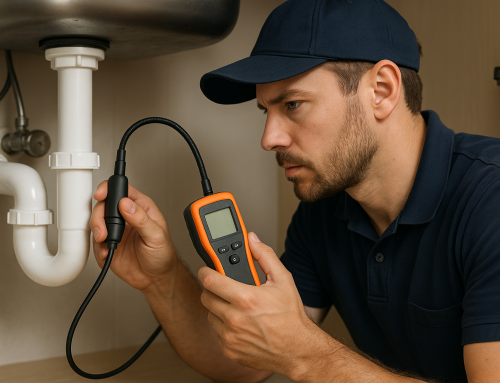
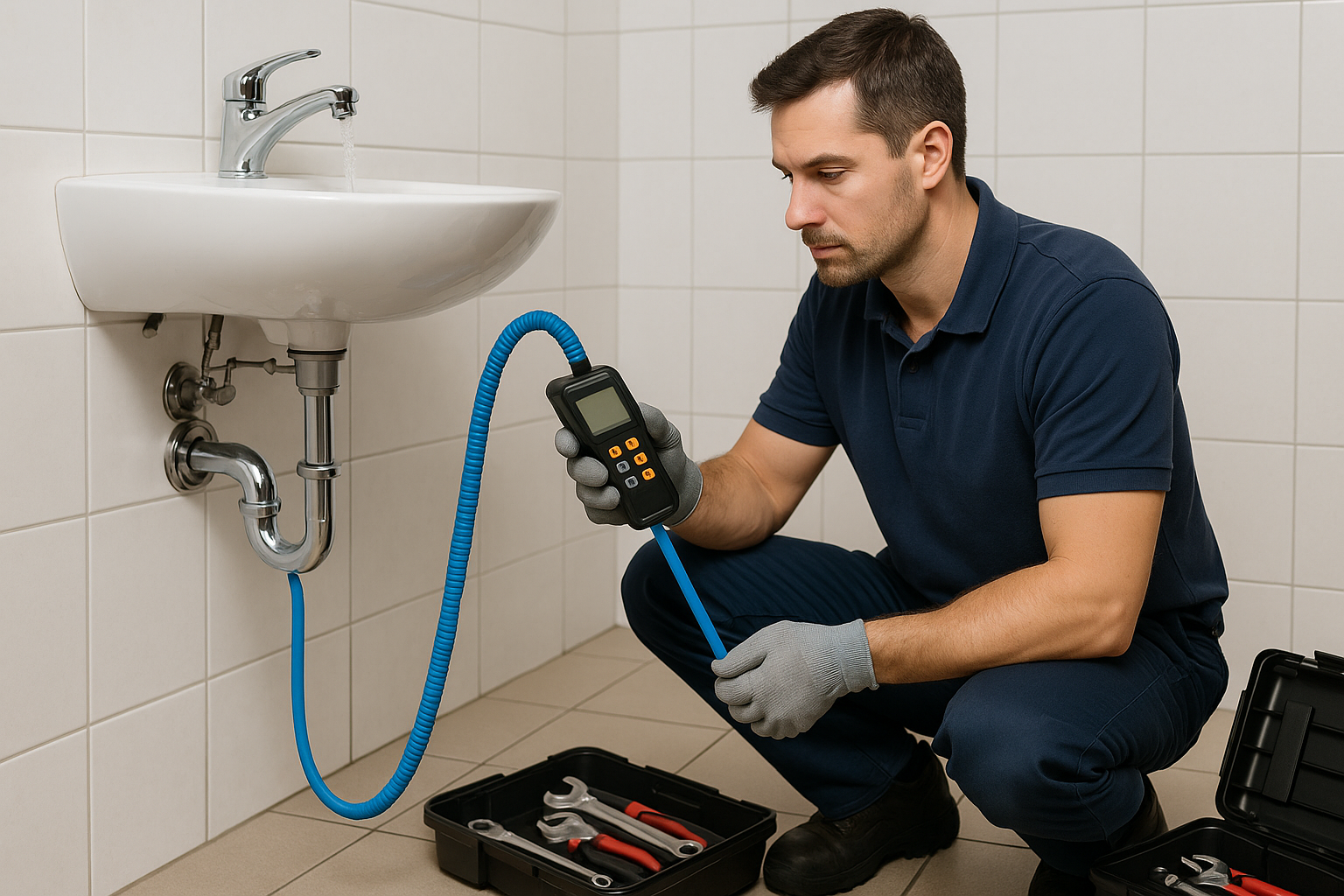
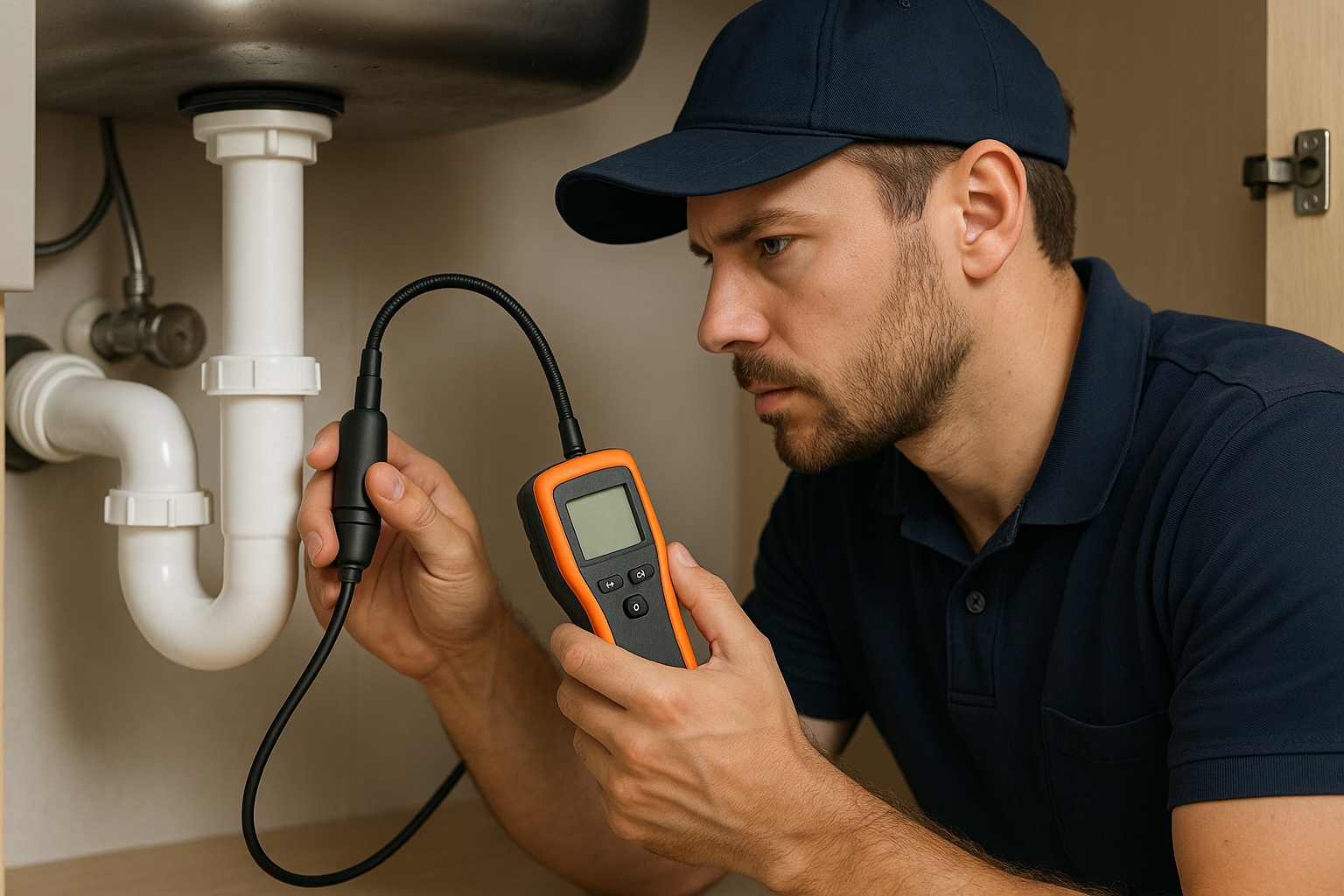
Unclogging a sewer line starts with identifying the location and cause of the blockage. A plumber may begin by inspecting the drains, checking the cleanout, or using a camera to see inside the pipe. Once the source is confirmed, the right clearing method can be chosen.
In many cases, professional unclogging involves one of the following approaches:
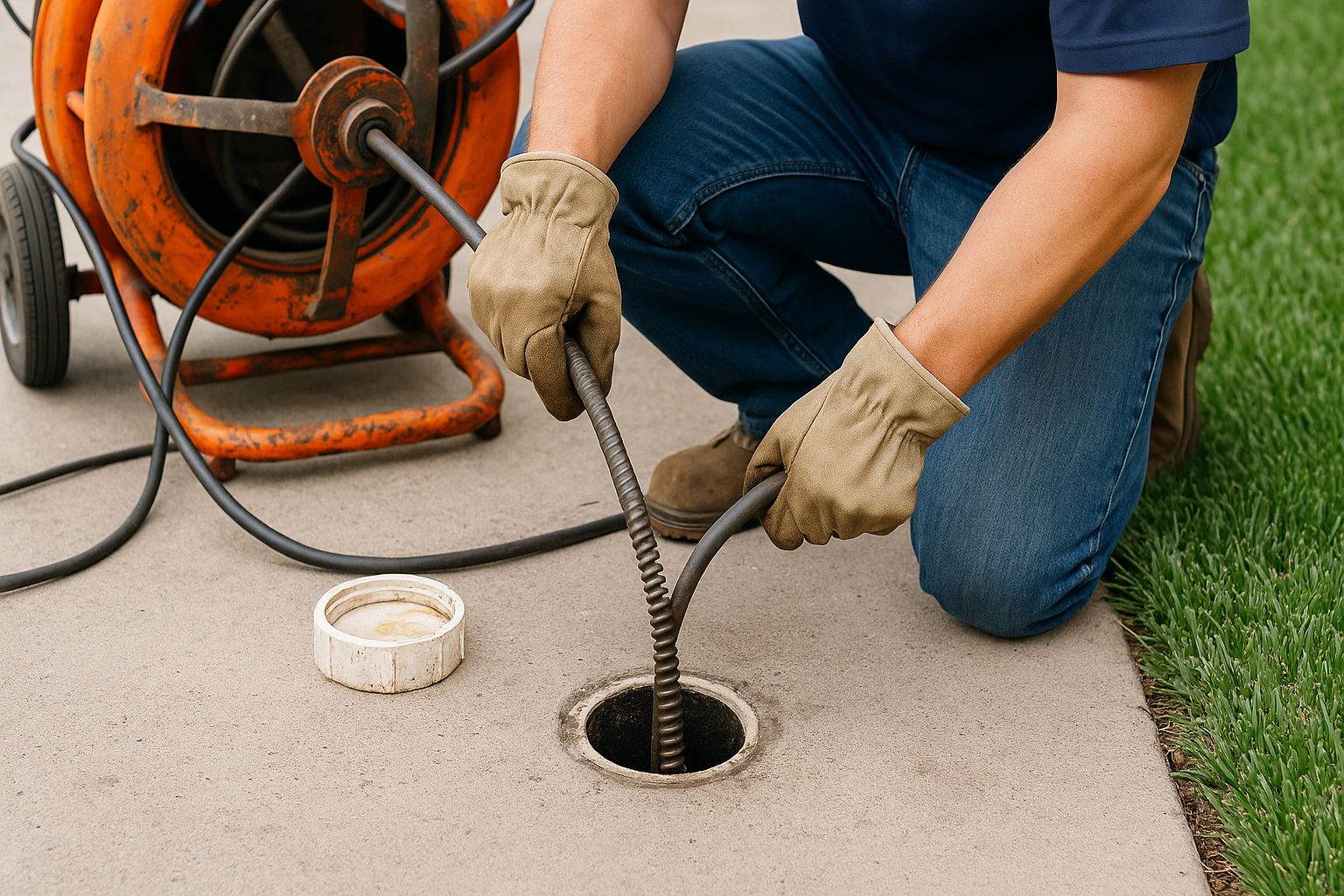
- Drain snaking: A flexible auger is used to break apart or pull out the blockage.
- Hydro jetting: High-pressure water clears grease, sludge, and buildup from the inside of the pipe.
- Root cutting: Specialized tools remove tree roots from the sewer line.
- Pipe repair or replacement: If the line is damaged, clearing the clog may only be a temporary fix unless the underlying issue is addressed.
The best method depends on the condition of the pipe and the severity of the obstruction.
Can You Unclog a Sewer Line Yourself?
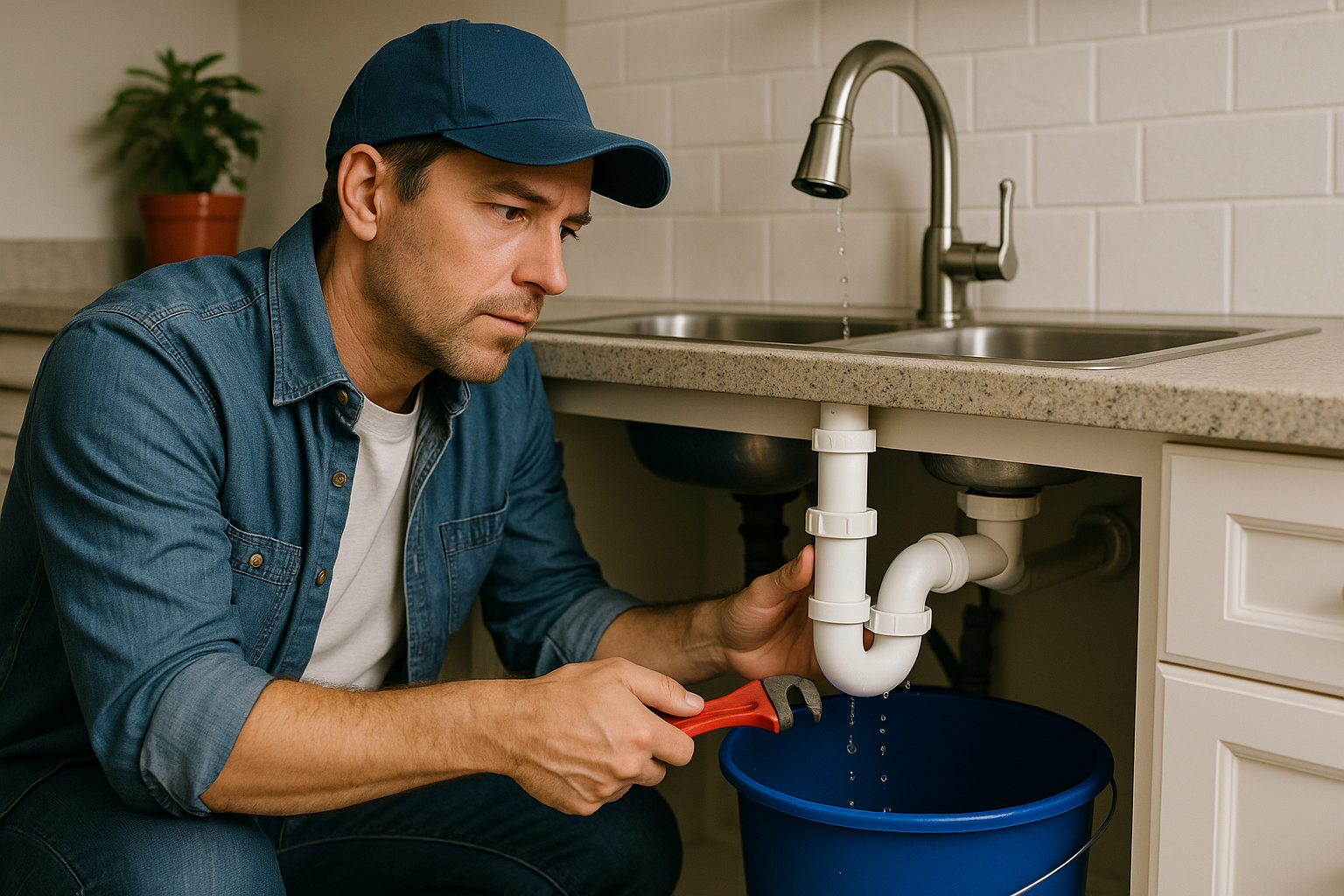
Some minor drain issues can be handled with a plunger or household drain cleaner, but sewer line clogs are usually not a safe DIY project. Because the blockage affects the main waste line, using the wrong tool or chemical can make the problem worse. Harsh drain cleaners may damage pipes, and improper snaking can cause injury or push the clog deeper.
If you notice a backup involving several drains, raw sewage, or a suspected root problem, it is best to call a licensed plumber. Sewer lines often require specialized equipment and experience to unclog safely and thoroughly.
How to Prevent Future Sewer Line Clogs
Once your sewer line is clear, a few simple habits can reduce the risk of another blockage:
- Never pour grease, oil, or fat down the drain
- Flush only toilet paper and human waste
- Avoid using “flushable” wipes
- Install drain screens to catch hair and debris
- Have your sewer line inspected periodically, especially if your home has older pipes or large trees nearby
- Fix slow drains early before buildup becomes severe
Routine maintenance can extend the life of your sewer system and help you avoid emergency repairs.
When to Call a Professional
You should contact a plumber right away if sewage is backing up into your home, if the clog keeps returning, or if you suspect damaged pipes or root intrusion. A professional can diagnose the issue accurately and recommend the most effective solution. Acting quickly can minimize water damage, health hazards, and costly repairs.
Conclusion
Sewer line unclogging is a job that often requires fast action and the right tools. By learning the warning signs, understanding common causes, and practicing good prevention habits, you can protect your home from major plumbing problems. If you suspect a sewer line blockage, don’t wait—getting help early can save time, money, and stress.