Understanding Clogged Drain Repair
A clogged drain can start as a minor nuisance and quickly turn into a major plumbing headache. Whether it’s a slow kitchen sink, a backed-up shower, or a bathroom drain that won’t empty at all, prompt clogged drain repair helps prevent water damage, foul odors, and costly plumbing issues. The good news is that many drain clogs can be resolved quickly once you understand what is causing the blockage and how to address it safely.
Drain clogs happen when debris collects inside the pipes and restricts water flow. In some cases, the problem is limited to a single fixture. In others, it may indicate a deeper issue in the main drain line. Knowing the difference can help you decide whether a simple DIY fix will do the job or if it’s time to call a professional plumber.
Common Causes of Clogged Drains
Drain blockages can form in any part of your plumbing system, and different rooms tend to have different causes. In the kitchen, grease, food particles, soap residue, and coffee grounds are common offenders. In bathrooms, hair, toothpaste buildup, soap scum, and sanitary products often create stubborn clogs. Outdoor drains can become blocked by leaves, dirt, roots, and other debris.
Another common cause is buildup over time. Even small amounts of residue can collect inside pipes and narrow the opening until water drains slowly or stops altogether. Older pipes may also be more vulnerable to corrosion or mineral deposits, which can make clogs happen more often. In some cases, a damaged or misaligned pipe can trap debris and create recurring blockages.
Signs You Need Drain Repair
Not every drain issue is obvious right away. A clog often develops gradually, so catching the warning signs early can save you time and trouble. Slow drainage is usually the first clue. You may also notice gurgling sounds when water goes down the drain, unpleasant odors coming from the sink or shower, or water backing up into the fixture.
If more than one drain in your home is acting up at the same time, the problem may be more serious than a simple fixture clog. Multiple slow drains can point to a blockage in the main line, which often requires professional drain repair. Frequent clogs in the same location may also suggest an underlying issue that should be inspected.
DIY Methods for Clogged Drain Repair
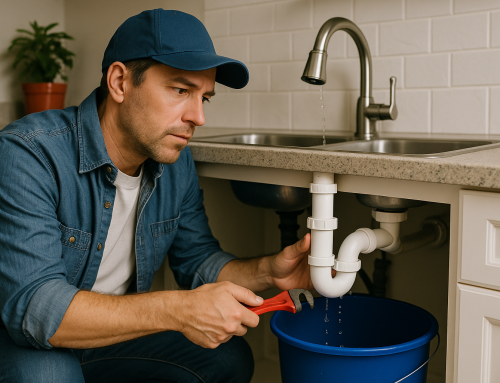
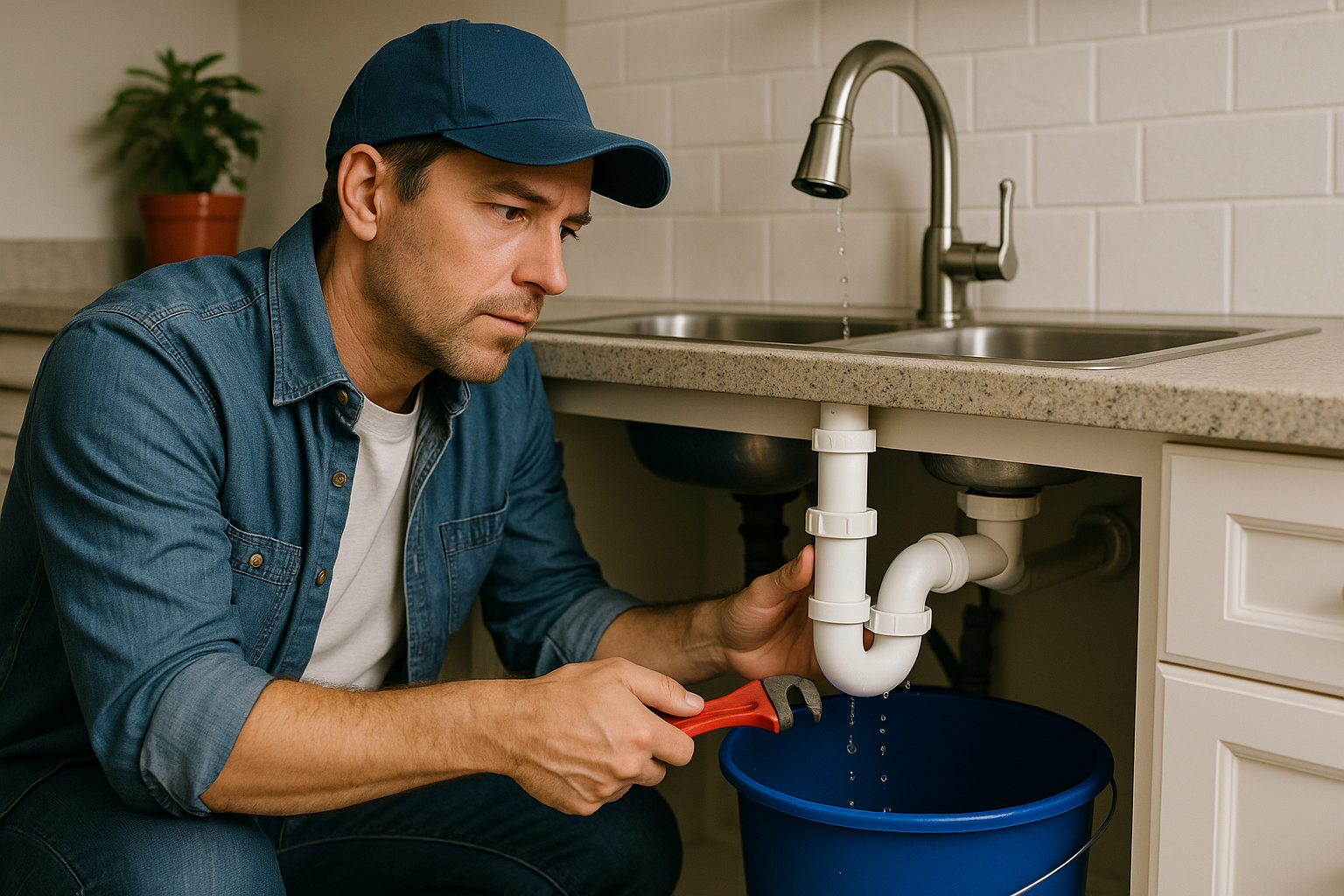
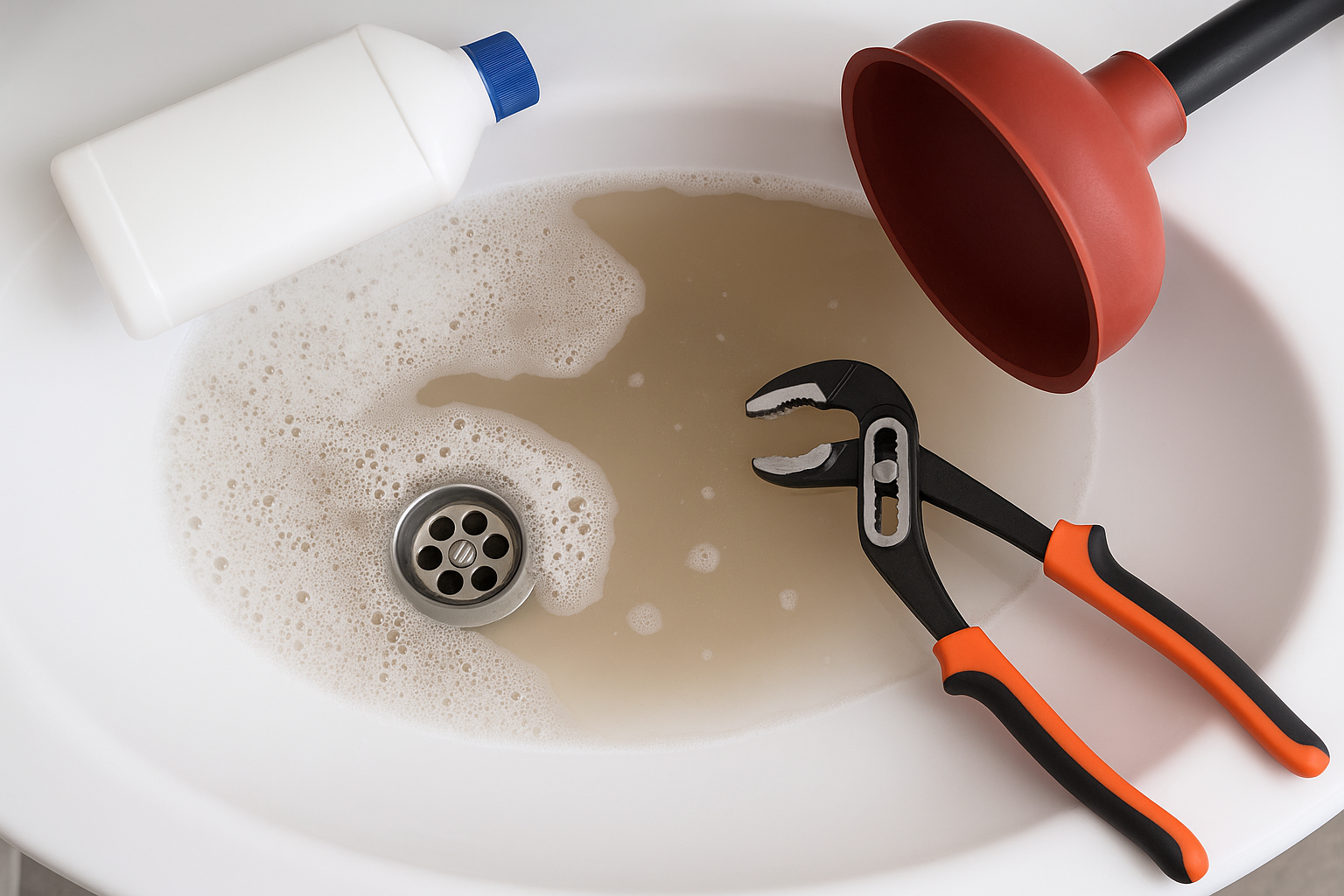
For minor clogs, a few safe DIY methods may help restore flow. Start with a plunger, which can often dislodge soft blockages in sinks, tubs, and showers. Make sure there is enough water in the basin to cover the plunger cup, then use firm, steady pushes to create pressure.
A drain snake or auger is another useful tool for removing hair and debris deeper in the pipe. Insert the snake carefully, rotate it to catch the blockage, and pull it out slowly. For kitchen sinks, flushing the drain with hot water may help loosen grease buildup, though boiling water should be used cautiously, especially with certain pipe materials.
You can also try a simple baking soda and vinegar flush for light buildup. Pour baking soda into the drain, follow with vinegar, and let it sit before rinsing with warm water. While this may help with minor residue, it usually won’t fix a serious blockage.
It’s best to avoid harsh chemical drain cleaners whenever possible. These products can damage pipes, especially if used repeatedly, and they may not fully remove the clog. They can also create a safety hazard if you later need to snake the drain or call a plumber.
When to Call a Professional Plumber
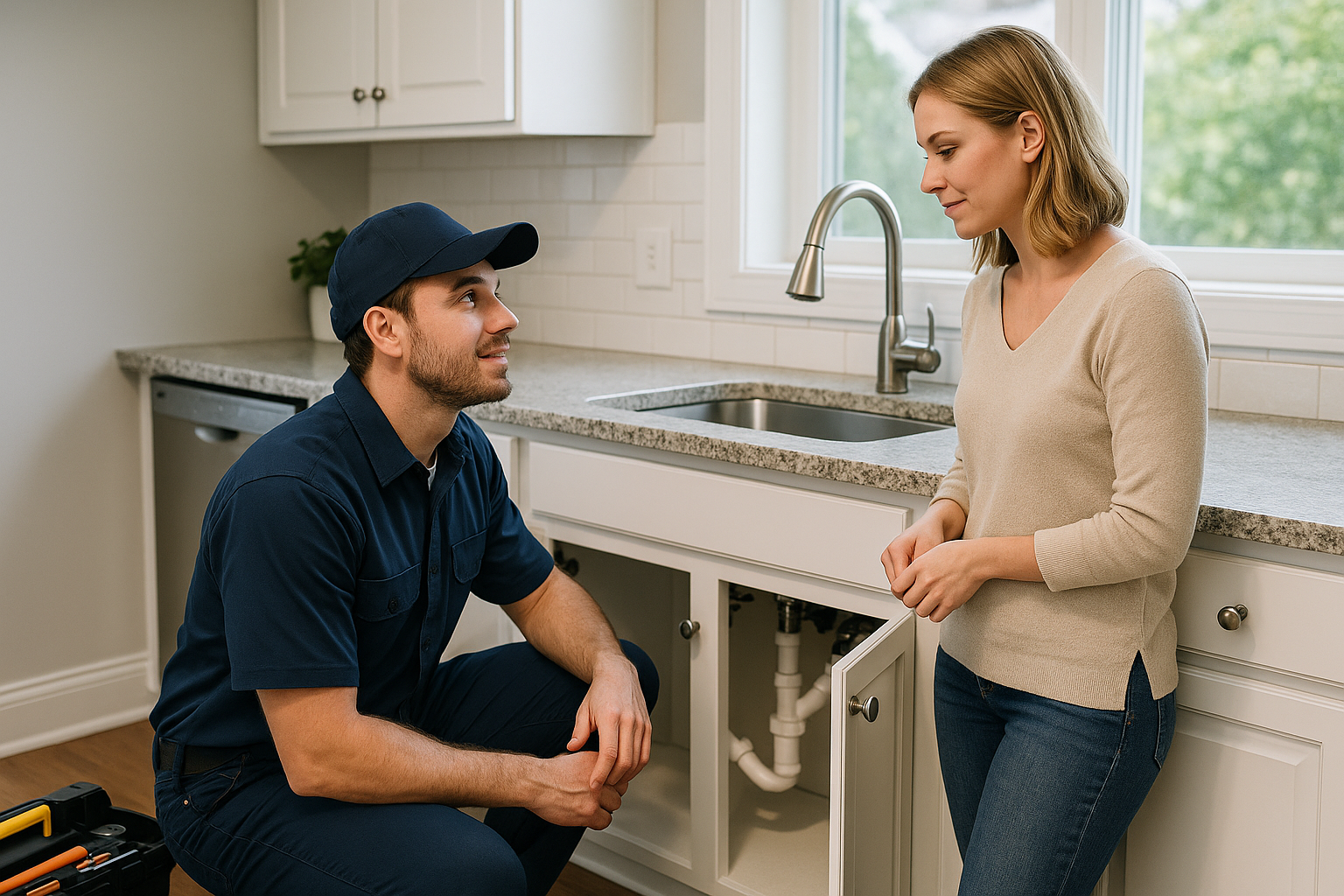
Some clogs are too stubborn or too deep for DIY repair. If plunging and snaking do not solve the issue, a professional plumber can diagnose the problem more accurately. This is especially important if you suspect a main line blockage, tree root intrusion, pipe damage, or a recurring clog that keeps coming back.
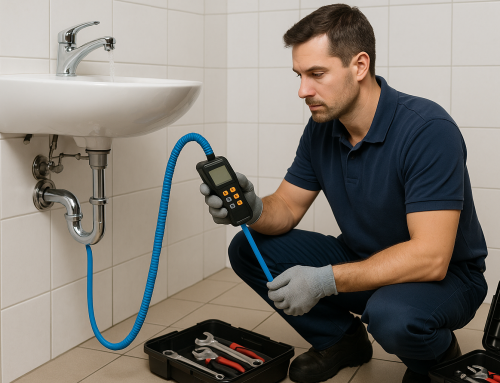
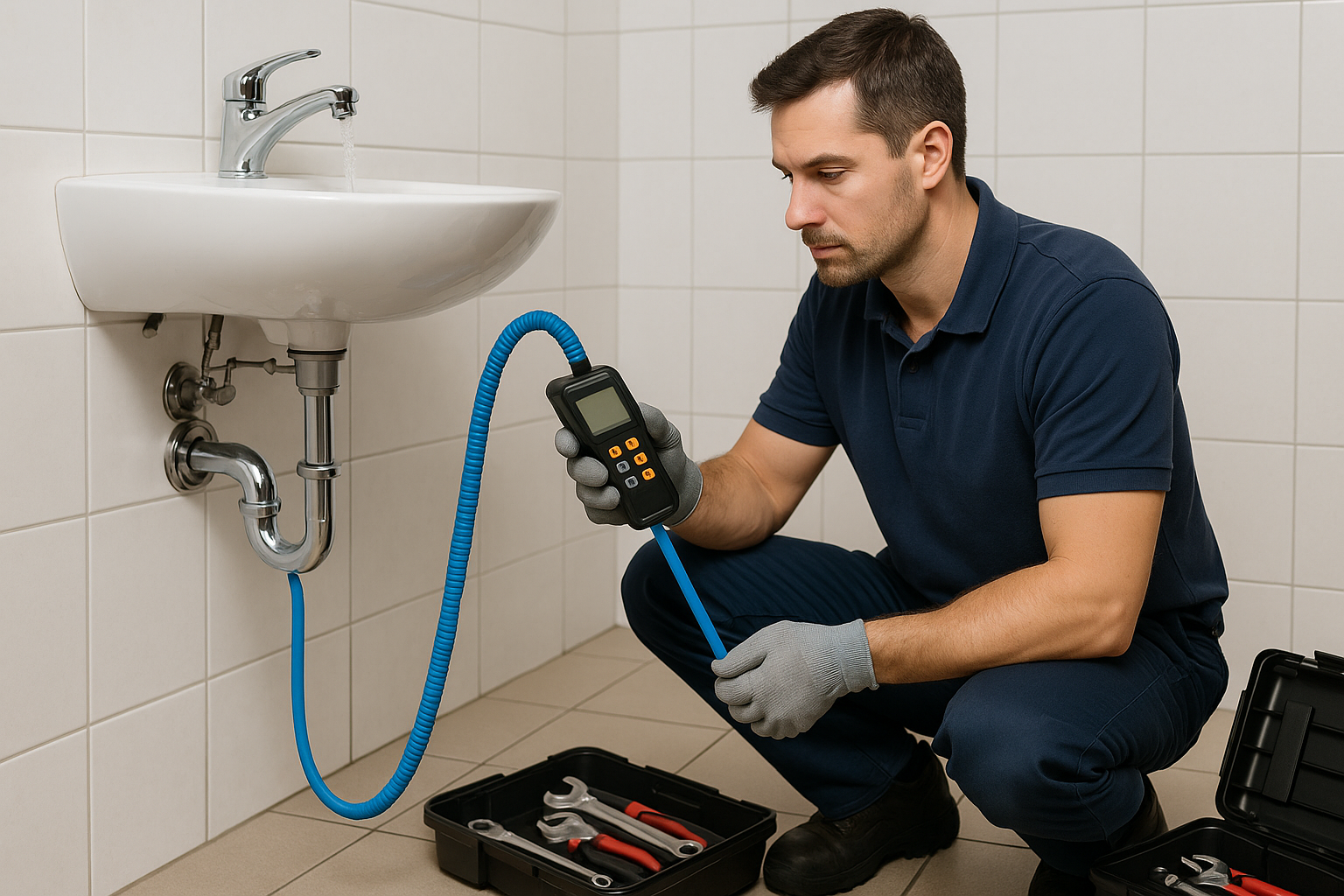
Professional drain repair often includes tools and techniques that go beyond what homeowners typically have access to. A plumber may use video camera inspection to see inside the pipes, hydro jetting to remove heavy buildup, or specialized augers to clear deep blockages. These methods can address the root cause instead of just treating the symptom.
You should also call a plumber right away if you notice sewage odors, water pooling around drains, multiple fixtures backing up, or wastewater coming up through a floor drain. These can be signs of a serious plumbing emergency that needs immediate attention.
How to Prevent Future Clogs
Preventing future drain problems is often easier than repairing them after they happen. In the kitchen, avoid pouring grease, oil, and fat down the sink. Wipe greasy pans with a paper towel before washing them, and use a sink strainer to catch food scraps. In bathrooms, install hair catchers in shower and tub drains and clean them regularly.
It also helps to be mindful of what goes down the drain. Flush only toilet paper in toilets, and keep wipes, cotton swabs, feminine products, and paper towels out of the plumbing system. Regular maintenance, such as cleaning drain stoppers and flushing drains with warm water, can also reduce buildup.
If your home has older plumbing or a history of recurring drain issues, scheduling periodic inspections can catch small problems before they turn into expensive repairs. A little prevention goes a long way toward keeping your drains clear and your plumbing system working properly.
Conclusion
Clogged drain repair does not have to be stressful when you know what to look for and how to respond. Minor blockages can often be cleared with simple tools and good habits, but persistent or widespread drain problems may require professional help. Acting early is the best way to protect your plumbing, avoid water damage, and keep your home running smoothly.