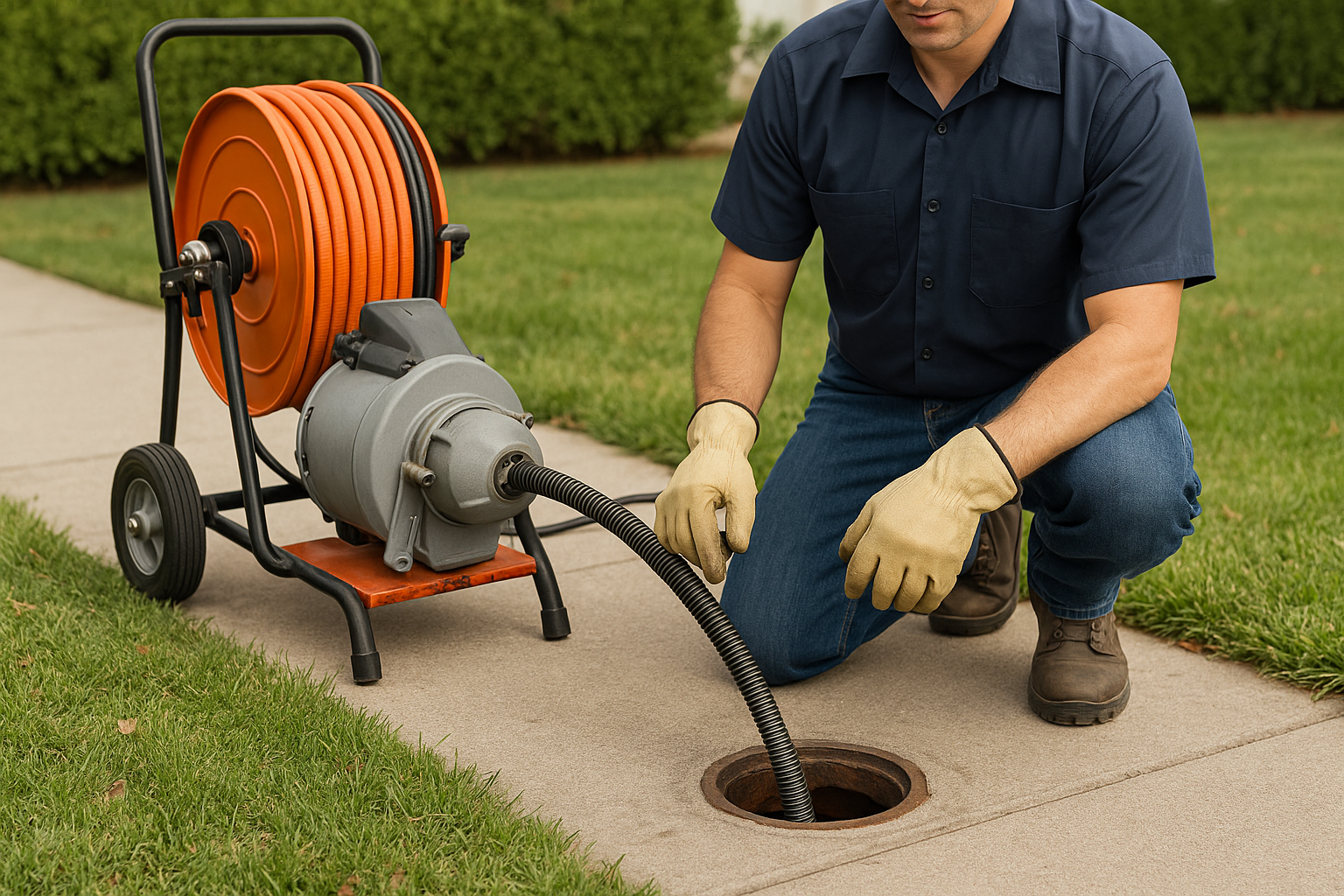
What Is Sewer Line Cleaning?
Sewer line cleaning is the process of removing buildup, blockages, and debris from the main line that carries wastewater away from your home and into the municipal sewer system or septic setup. Unlike a simple drain cleaning for a sink or shower, sewer line cleaning focuses on the larger pipe system that serves the entire property. When this line is clean and flowing properly, wastewater exits smoothly and your plumbing fixtures work the way they should.
Over time, sewer lines can collect grease, soap residue, food waste, paper products, mineral deposits, sludge, and even tree roots. Any of these can restrict flow and create messy, costly plumbing problems. Regular cleaning helps restore proper drainage and reduces the chance of a sudden backup.
Why Sewer Line Cleaning Is Important
A clogged sewer line is more than an inconvenience. It can quickly turn into a health and property issue. Wastewater backups may lead to foul odors, slow drains throughout the home, gurgling toilets, and sewage appearing in tubs, showers, or floor drains. If ignored, the problem can cause water damage, mold growth, and damage to flooring and walls.
Routine sewer line cleaning helps:
- Keep wastewater moving freely
- Reduce the risk of backups and overflows
- Extend the life of your plumbing system
- Spot developing issues before they become emergencies
- Improve overall hygiene and odor control
For older homes especially, preventative maintenance can save thousands of dollars in repairs by catching problems early.
Common Signs Your Sewer Line Needs Cleaning
Many homeowners wait until a major backup happens before calling for help, but your plumbing often gives warning signs first. Paying attention to these early clues can help you act before the problem gets worse.
Slow Drains Throughout the House
If one sink is draining slowly, the issue may be isolated. But if multiple fixtures are sluggish at the same time, the sewer line could be partially blocked.
Frequent Toilet Backups
Toilets that back up repeatedly, especially after normal use, often indicate a problem deeper in the main sewer line.
Gurgling Sounds
Odd gurgling noises from drains or toilets can signal trapped air caused by restricted wastewater flow.
Unpleasant Odors
Sewage smells around drains, the yard, or the basement may point to buildup or a blockage in the sewer line.
Water Backing Up in Strange Places
If running the washing machine causes water to come up in the shower or tub, that is a strong sign of a main line issue.
How Sewer Line Cleaning Is Done
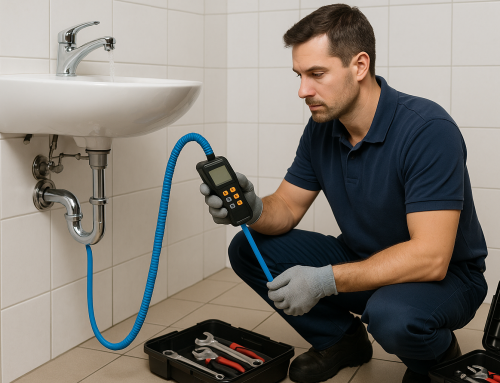
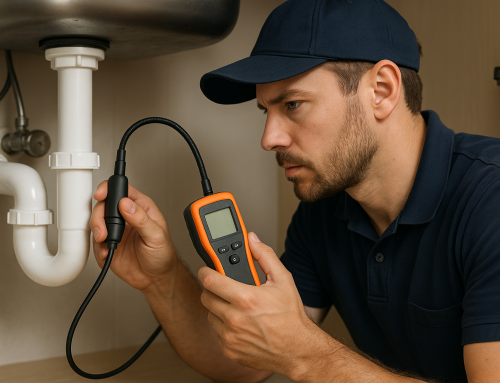
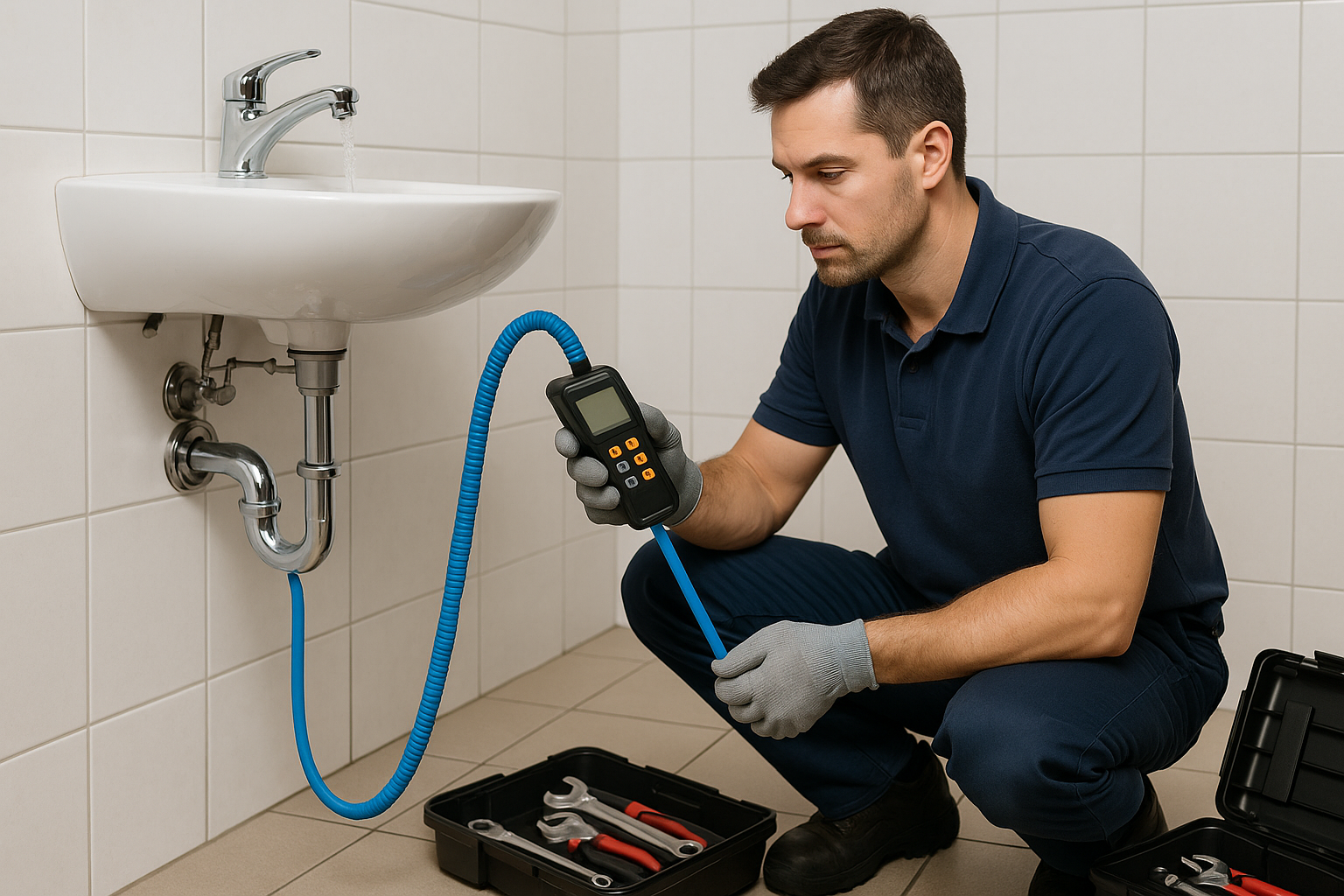
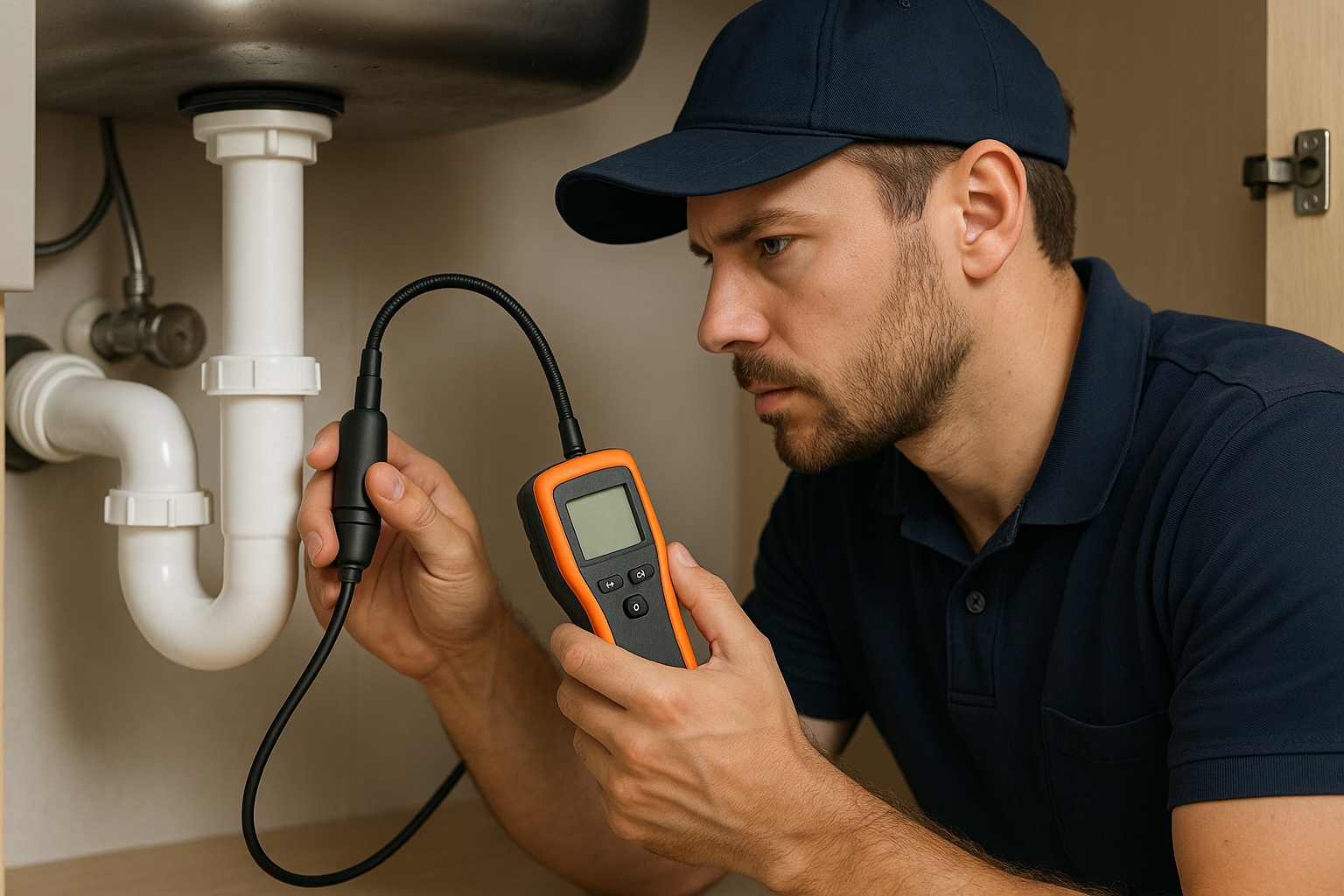
Professional sewer line cleaning typically starts with a plumbing inspection. In many cases, technicians use a sewer camera to identify the location and type of blockage. This allows them to choose the most effective cleaning method and avoid unnecessary digging or guesswork.
The most common cleaning methods include:
- Drain snaking: A flexible auger is used to break apart or pull out smaller clogs.
- Hydro jetting: High-pressure water blasts away grease, sludge, mineral buildup, and roots.
- Mechanical cutting tools: Specialized equipment can cut through heavy root intrusion or hardened debris.
For simple buildup, snaking may be enough. For more severe blockages or recurring problems, hydro jetting is often the better solution because it thoroughly cleans the pipe walls, not just the center opening.
What Causes Sewer Line Clogs?
Sewer line clogs can develop for several reasons, and some causes are more common than others. Knowing what leads to blockages can help you prevent future issues.
- Grease and fat: Kitchen grease hardens inside pipes and traps other debris.
- Non-flushable items: Wipes, paper towels, feminine products, and cotton swabs can build up quickly.
- Tree roots: Roots naturally seek moisture and can enter small cracks in underground pipes.
- Pipe sagging or damage: Broken, bellied, or offset pipes allow waste to collect.
- Heavy mineral buildup: In areas with hard water, deposits can narrow the pipe over time.
In older homes, aging clay, cast iron, or Orangeburg pipes may also be more vulnerable to deterioration and recurring clogs.
How Often Should You Schedule Sewer Line Cleaning?
There is no single schedule that works for every home, but many properties benefit from sewer line cleaning every 1 to 2 years as part of routine plumbing maintenance. Homes with large trees, older sewer pipes, or a history of backups may need service more often.
If you have had repeated clogs, slow drains, or a recent backup, it is wise to schedule an inspection sooner rather than later. Preventative cleaning is usually far more affordable than emergency repair after a major overflow.
Can You Clean a Sewer Line Yourself?
Some minor drain issues can be handled with basic tools, but sewer line cleaning is usually best left to a professional. The main sewer line is deeper, larger, and more complex than a household drain. Store-bought chemical cleaners are not recommended because they may damage pipes, fail to remove the actual blockage, and create safety concerns.
Professional cleaning is safer and more effective because plumbers can identify the cause of the problem and use the right equipment to clear it fully. They can also determine whether the line needs repair, replacement, or only routine maintenance.
How to Prevent Future Sewer Line Problems
Once your sewer line is clean, a few simple habits can help keep it that way:
- Never pour grease or cooking oil down the drain
- Flush only toilet paper and human waste
- Use drain strainers to catch hair and debris
- Be cautious with wipes, even if they are labeled “flushable”
- Schedule periodic plumbing inspections
- Watch for tree roots near your sewer line
If your home has a history of root intrusion, regular camera inspections and hydro jetting can help keep the line clear and reduce emergency calls.
Conclusion
Sewer line cleaning is one of the most important preventive services for protecting your home’s plumbing system. By removing buildup, addressing root intrusion, and keeping wastewater flowing properly, you can avoid unpleasant backups and expensive damage. If you notice slow drains, odors, or recurring clogs, it may be time to have your sewer line inspected and cleaned by a professional.