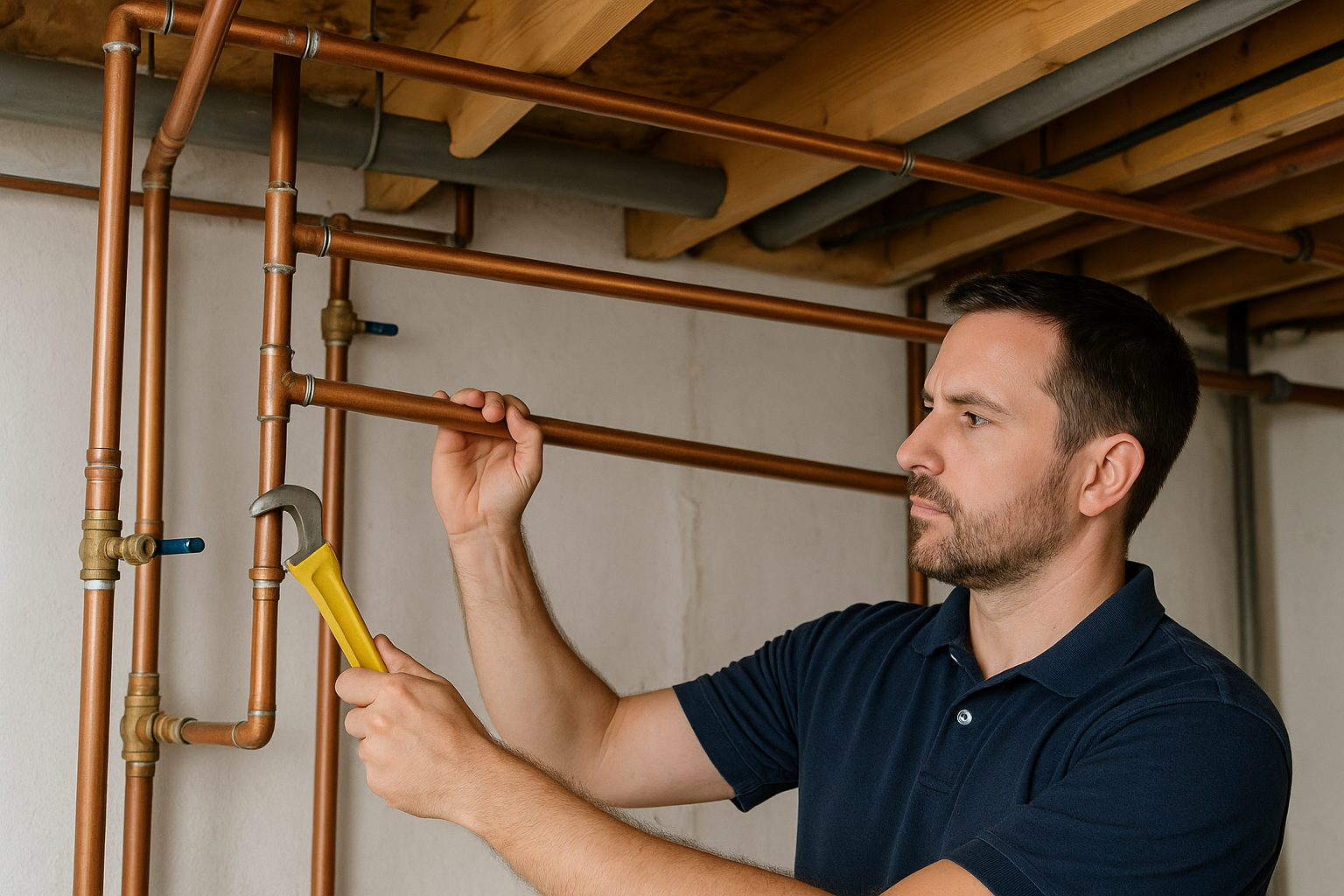
What Is Whole Home Repiping?
Whole home repiping is the process of replacing all or most of the existing water supply pipes in a house with new piping materials. Instead of repairing one leak at a time, repiping addresses the entire plumbing system at once. This can be a smart long-term solution for homes with aging, corroded, or failing pipes that are causing frequent problems.
Most homes need repiping because the original plumbing materials simply have a limited lifespan. Over time, pipes can develop leaks, mineral buildup, low water pressure, rust-colored water, or even hidden damage behind walls and under floors. Repiping restores reliability, improves water flow, and helps protect your home from costly water damage.
Signs Your Home May Need Repiping
It is not always easy to know when a plumbing system has reached the end of its useful life. However, there are several warning signs that often point to a larger problem.
Frequent Leaks
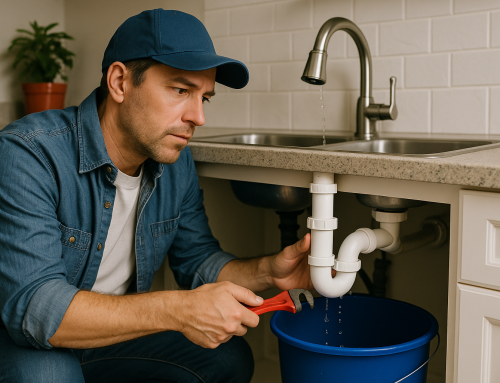
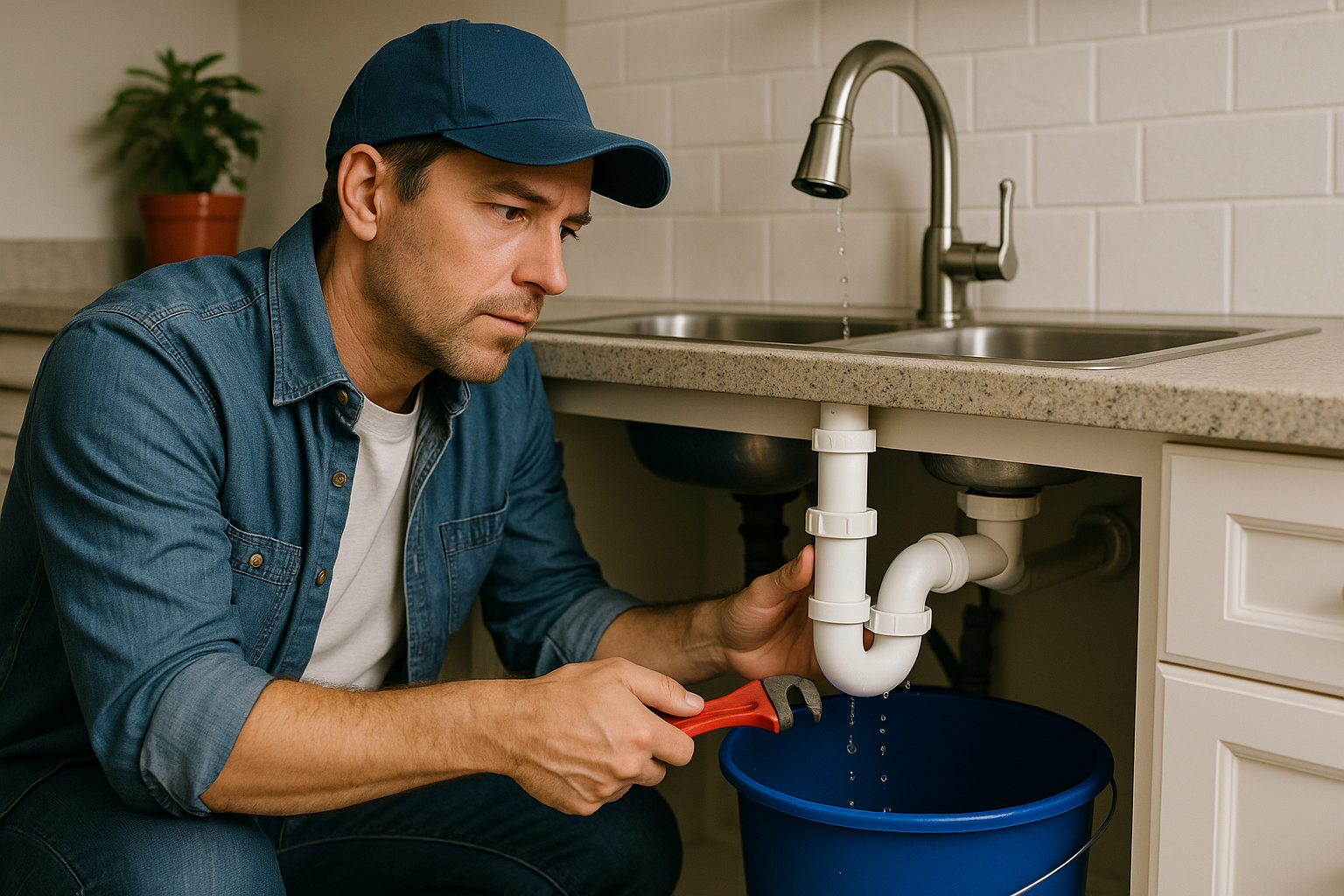
If you are calling a plumber repeatedly for new leaks in different parts of the house, the issue may be more than an isolated repair. Multiple leaks often suggest that the piping material is deteriorating throughout the system.
Low Water Pressure
When pipes become narrowed by corrosion or buildup, water cannot move through them as easily. That can lead to weak shower flow, slow faucets, and inconsistent pressure throughout the home.
Discolored or Rusty Water
Brown, yellow, or rusty-looking water may indicate corrosion inside the pipes. This is especially common in older steel or galvanized systems and is a sign that the plumbing may be breaking down from the inside.
Visible Corrosion or Pipe Damage
Any visible rust, flaking, staining, or damp spots near exposed plumbing should be taken seriously. While surface damage does not always mean the whole system needs replacement, it can be an important clue.
Old Pipe Materials
Homes built decades ago may still contain outdated materials such as galvanized steel, polybutylene, or aging copper with repeated pinhole leaks. If your plumbing is several decades old, an inspection can help determine whether repiping is the better option.
Common Repiping Materials
Modern repiping projects usually involve one of two materials: copper or PEX. Each has advantages, and the best choice often depends on your home, budget, and local building codes.
Copper
Copper has long been considered a premium plumbing material. It is durable, resists heat well, and has a long track record in residential plumbing. Many homeowners like copper because of its strength and proven performance over time. However, it usually costs more than PEX and can be more labor-intensive to install.
PEX
PEX is a flexible plastic piping material that has become very popular in home repiping. It is easier to install, often costs less than copper, and performs well in many types of homes. PEX is also resistant to scale buildup and can be a good choice for reducing the risk of future leaks. A professional plumber can help determine whether PEX is suitable for your home.
Benefits of Whole Home Repiping
While repiping is a major project, it can provide significant long-term benefits for your home and daily comfort.
Improved Water Quality
Replacing aging pipes can reduce rust, sediment, and metallic tastes in your water. Many homeowners notice cleaner-looking water shortly after the project is completed.
Better Water Pressure
New pipes allow water to move more freely through the plumbing system. This can improve the performance of showers, sinks, appliances, and other fixtures throughout the house.
Fewer Plumbing Emergencies
One of the biggest advantages of repiping is peace of mind. Instead of worrying about the next leak or pipe failure, homeowners can enjoy a more dependable plumbing system with fewer surprise repairs.
Potential Home Value Improvement
A newly repiped home can be more attractive to buyers because it reduces the likelihood of plumbing issues after purchase. In some cases, repiping may also support a better home inspection outcome if you plan to sell.
What to Expect During the Repiping Process
Whole home repiping is a significant project, but a skilled plumbing team can complete it efficiently with minimal disruption. Here is what the process usually looks like.
Inspection and Estimate
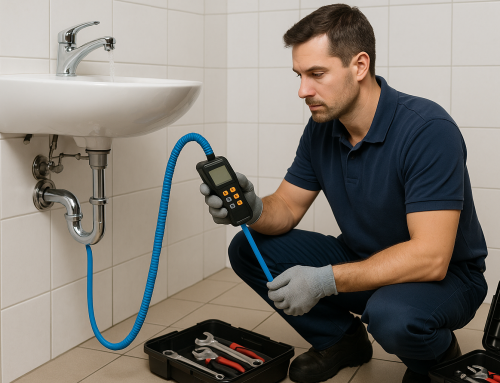
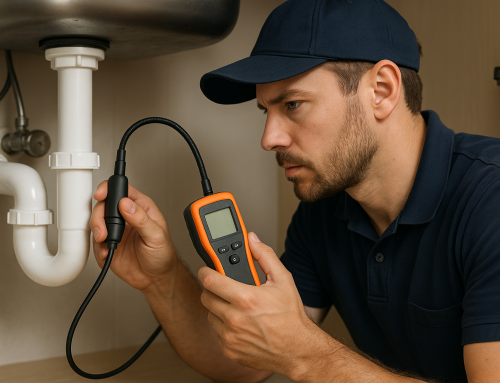
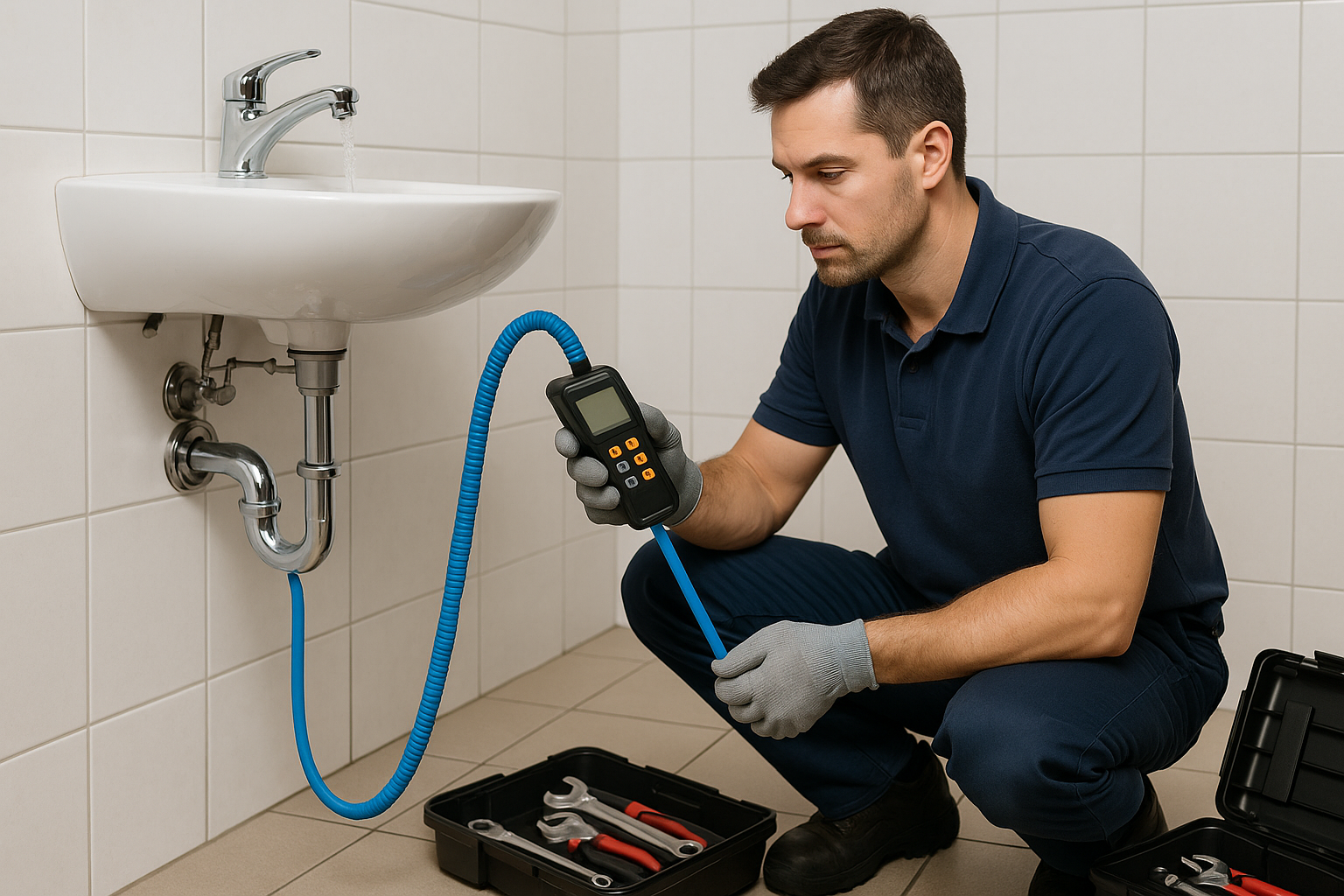
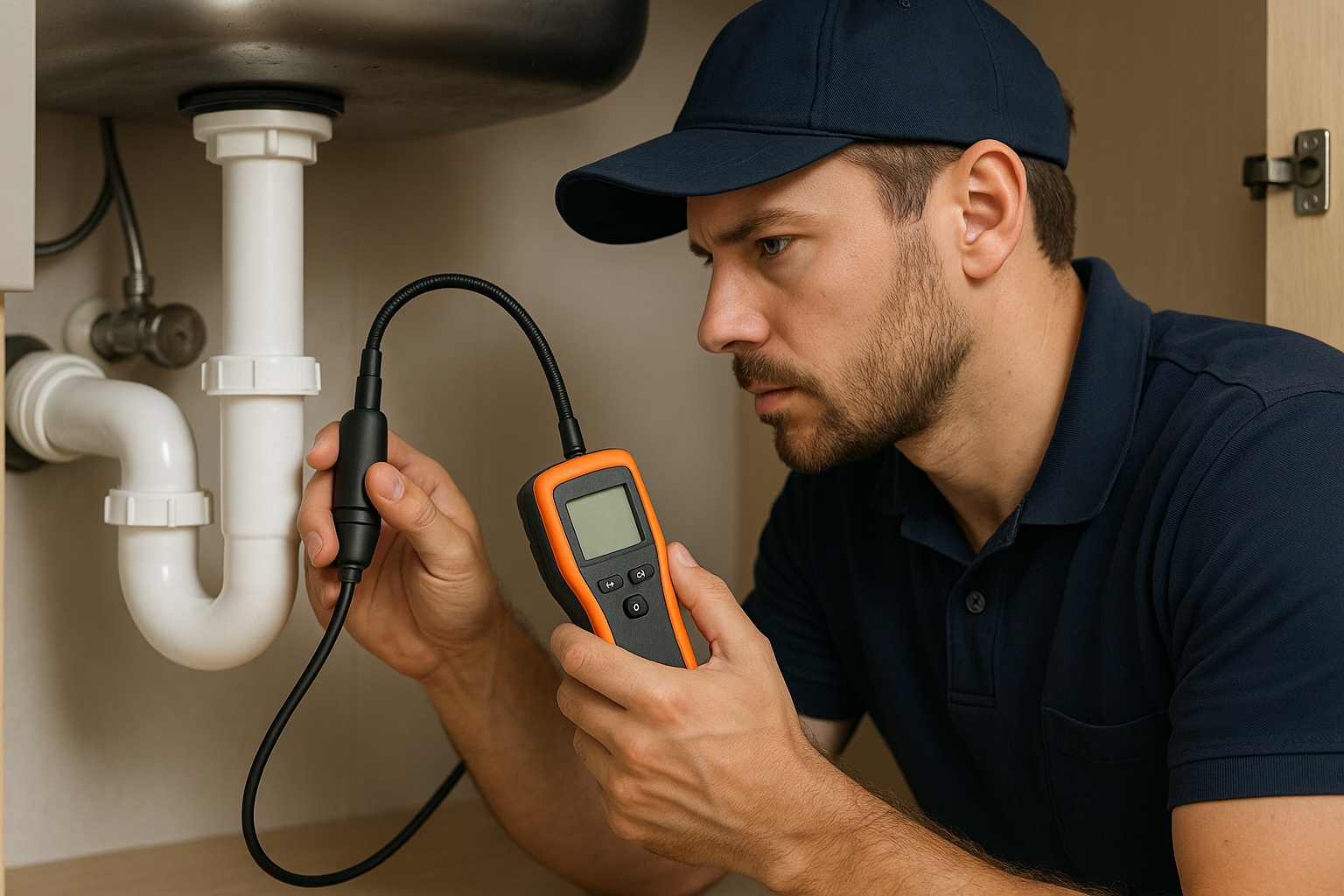
The process usually begins with an inspection of your current plumbing system. The plumber will assess the age, condition, and layout of the pipes and provide an estimate based on the size of the home and the materials selected.
Planning the Route
Before installation begins, the plumber plans the best route for the new pipes. This step helps reduce wall openings and limits the amount of drywall repair needed afterward.
Installation
During installation, the old lines are replaced with new piping. In many homes, plumbers can work section by section to keep water service available for part of the project. Depending on the size of the home, repiping may take several days.
Testing and Cleanup
Once the new system is installed, the plumber will test for leaks, confirm water pressure, and make sure everything is working properly. After that, any necessary wall repairs and cleanup can be completed.
How to Prepare for a Repiping Project
A little preparation can make the project go more smoothly. Homeowners should clear access to areas around sinks, water heaters, bathrooms, and utility spaces. It is also helpful to ask the plumbing company how long the water will be turned off and whether you need to make arrangements for pets, children, or work-from-home schedules.
Since repiping can involve opening walls in a few areas, you may also want to plan ahead for minor drywall or paint repairs after the plumbing work is finished. A reputable plumber will explain what to expect before the project begins.
When to Call a Professional
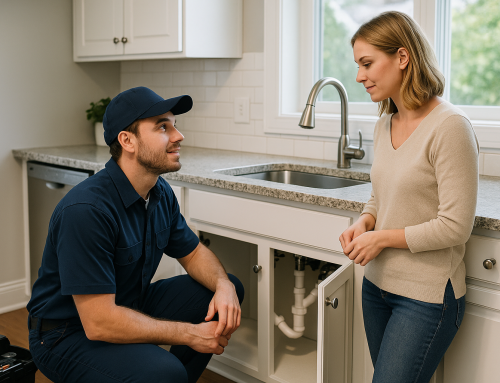
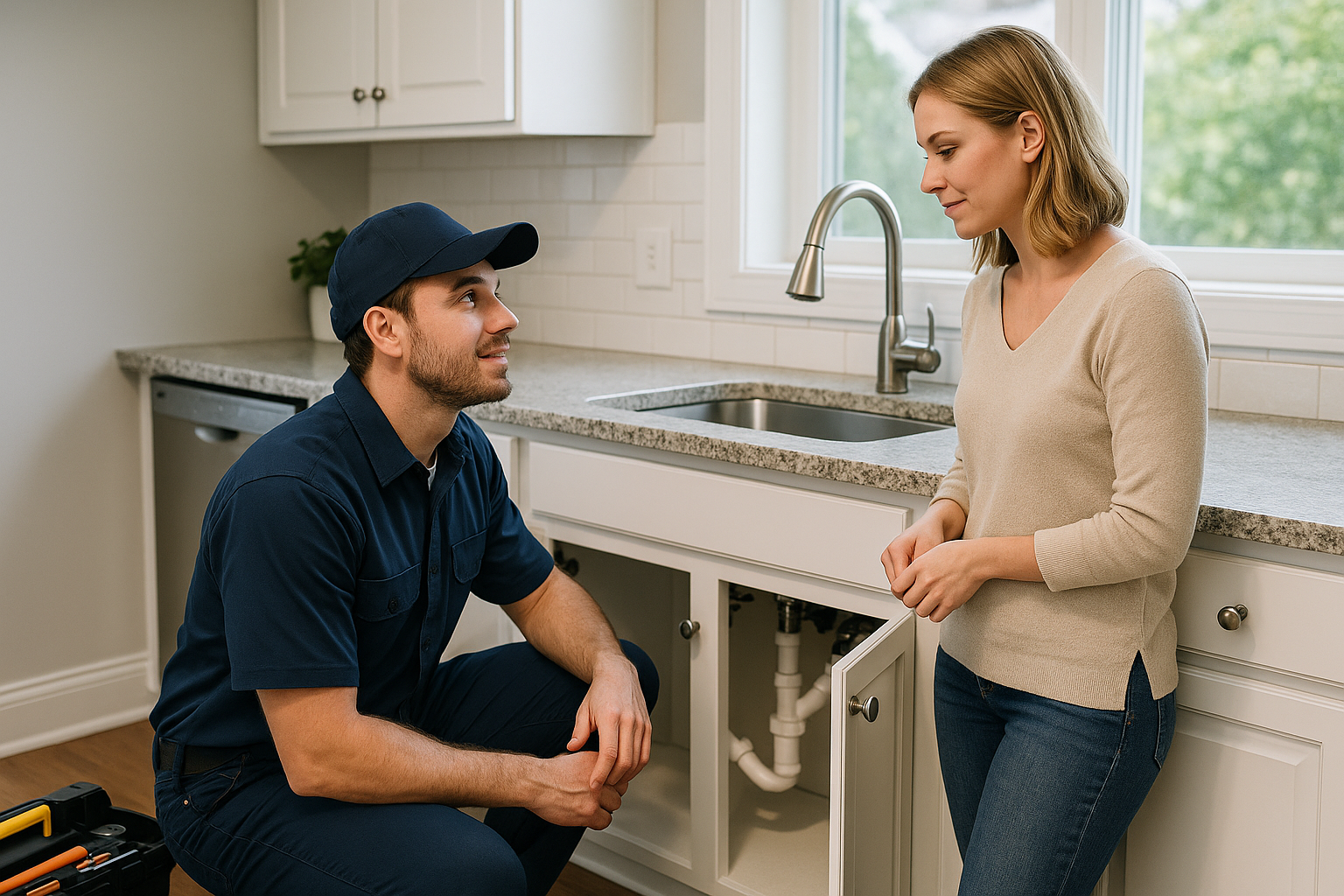
If your home has recurring leaks, poor water pressure, or outdated piping, it is time to have the system evaluated by a licensed plumber. A professional inspection can help you decide whether targeted repairs are enough or whether whole home repiping is the safer, more cost-effective solution.
Repiping is not just about fixing pipes. It is about protecting your home, improving daily comfort, and avoiding the expense and stress of repeated plumbing failures. With the right materials and a qualified plumbing team, the process can deliver lasting results.
Conclusion
Whole home repiping is a major investment, but for many homeowners, it is the best way to solve ongoing plumbing problems once and for all. If your pipes are old, damaged, or causing repeated issues, repiping can restore dependable water service and give you greater peace of mind for years to come.