Plumber: What They Do, When to Call One, and How to Choose the Right Professional
Plumbing is one of those home systems most people do not think about until something goes wrong. A dripping faucet, a clogged drain, or a burst pipe can quickly turn into a stressful problem. That is where a plumber comes in. Plumbers are trained professionals who install, repair, and maintain the water, drainage, and gas systems that keep homes and businesses running smoothly.
Whether you are dealing with a small leak or planning a major renovation, understanding what a plumber does can help you make better decisions, protect your property, and avoid costly damage. In this guide, we will cover the role of a plumber, common services, signs you need help, and tips for choosing the right professional.
What Does a Plumber Do?
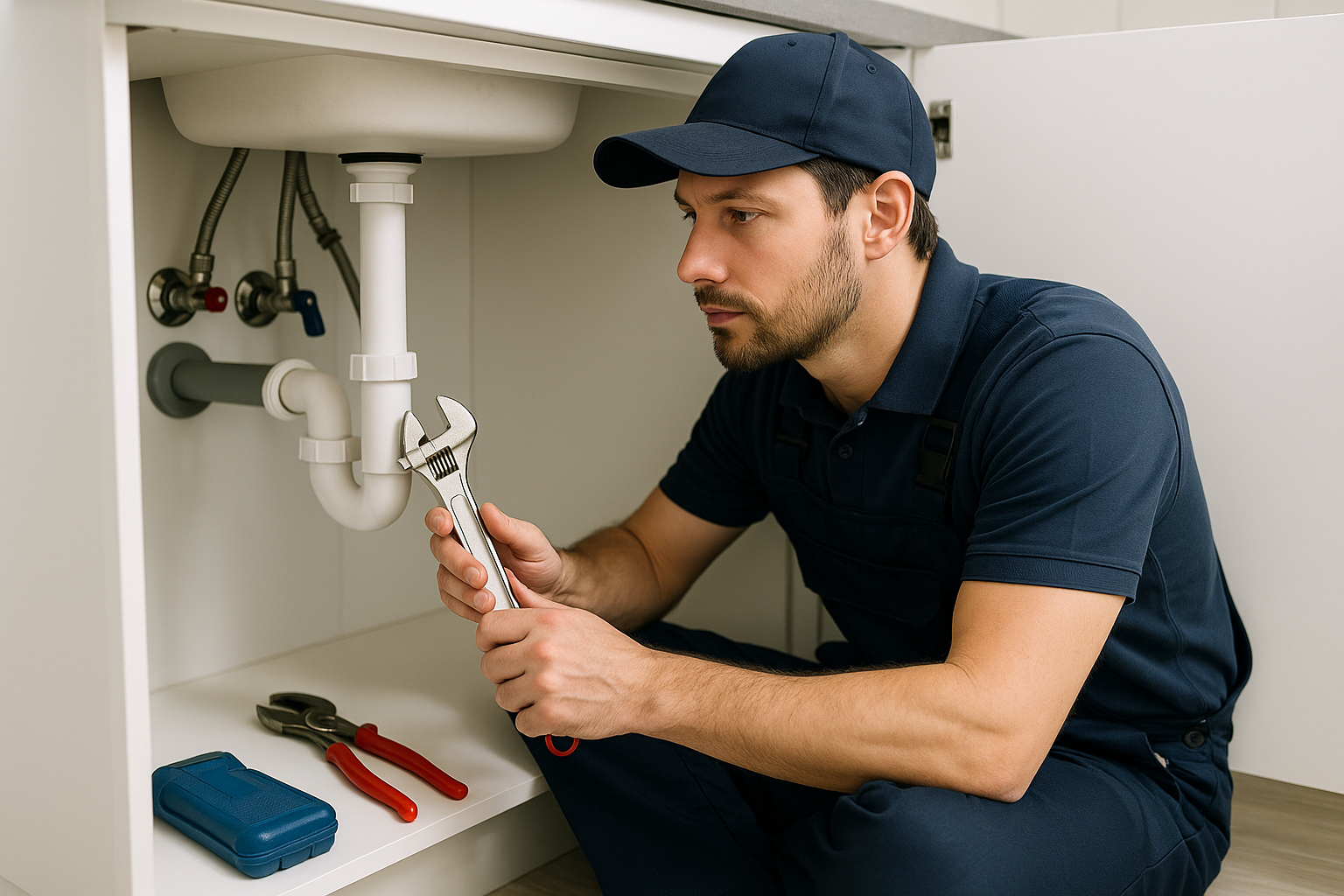
A plumber works on systems that move water in and out of a building. Their job includes installing pipes, fixtures, valves, water heaters, toilets, sinks, showers, and more. They also handle drainage and waste removal systems, making sure everything flows properly and safely.
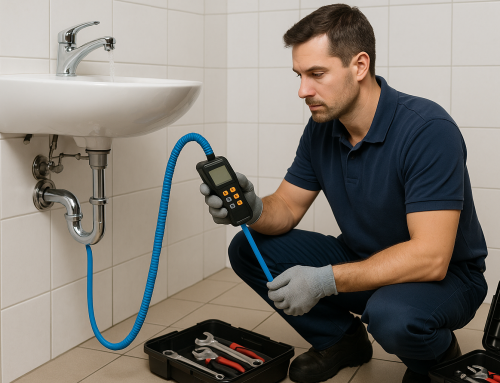
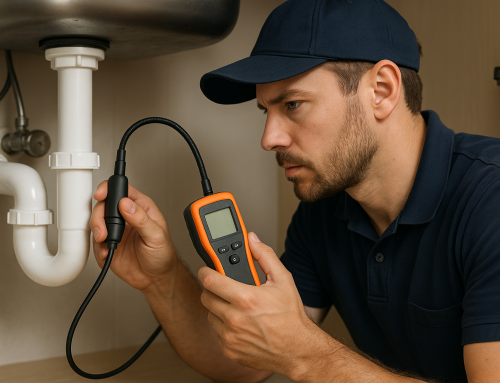
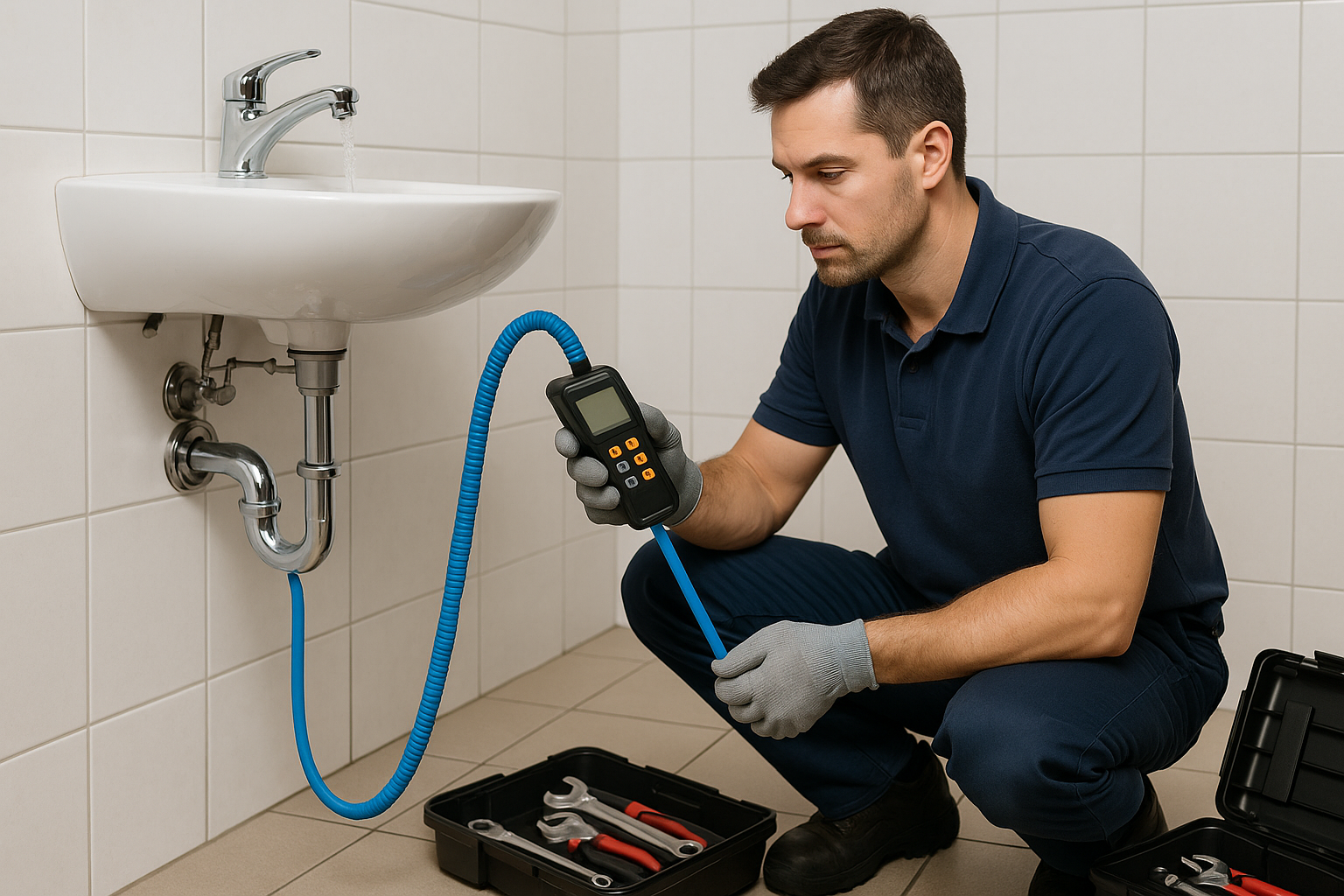
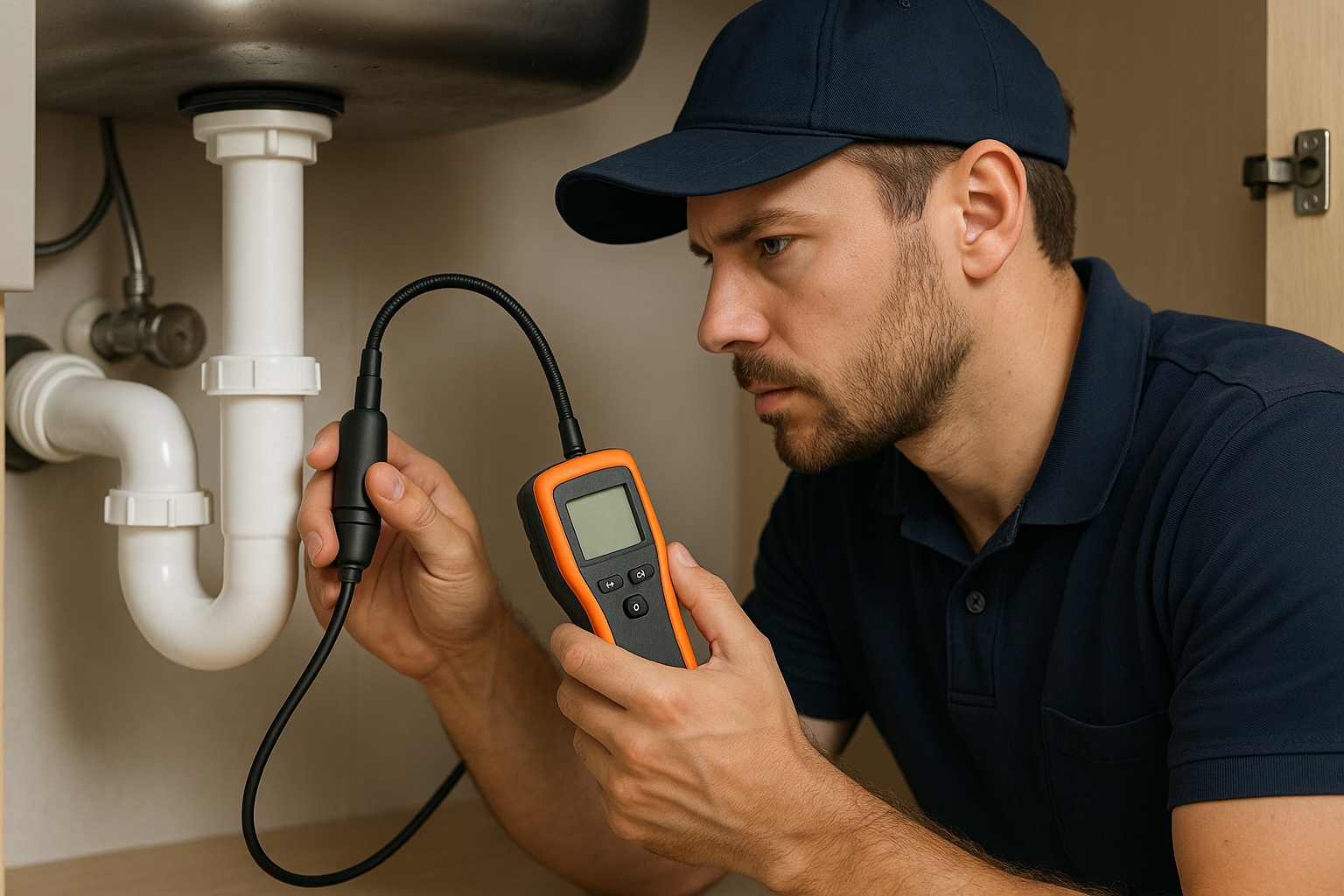
Beyond installation, plumbers diagnose problems and perform repairs. This can include fixing leaks, clearing blockages, replacing damaged pipes, repairing water heaters, and troubleshooting low water pressure. In many cases, they also inspect plumbing systems to catch issues before they become major repairs.
Some plumbers specialize in residential work, while others focus on commercial buildings, industrial systems, or emergency services. Many also handle gas line work, backflow prevention, and sewer line repairs, depending on their training and licensing.
Common Plumbing Services
Leak Repair
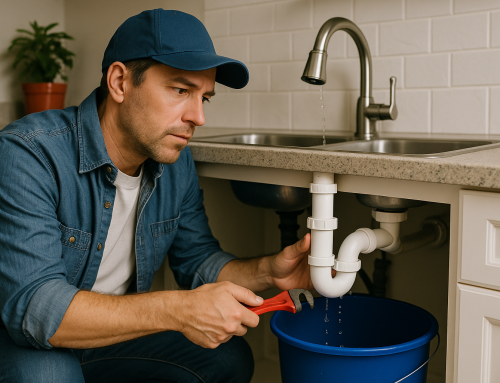
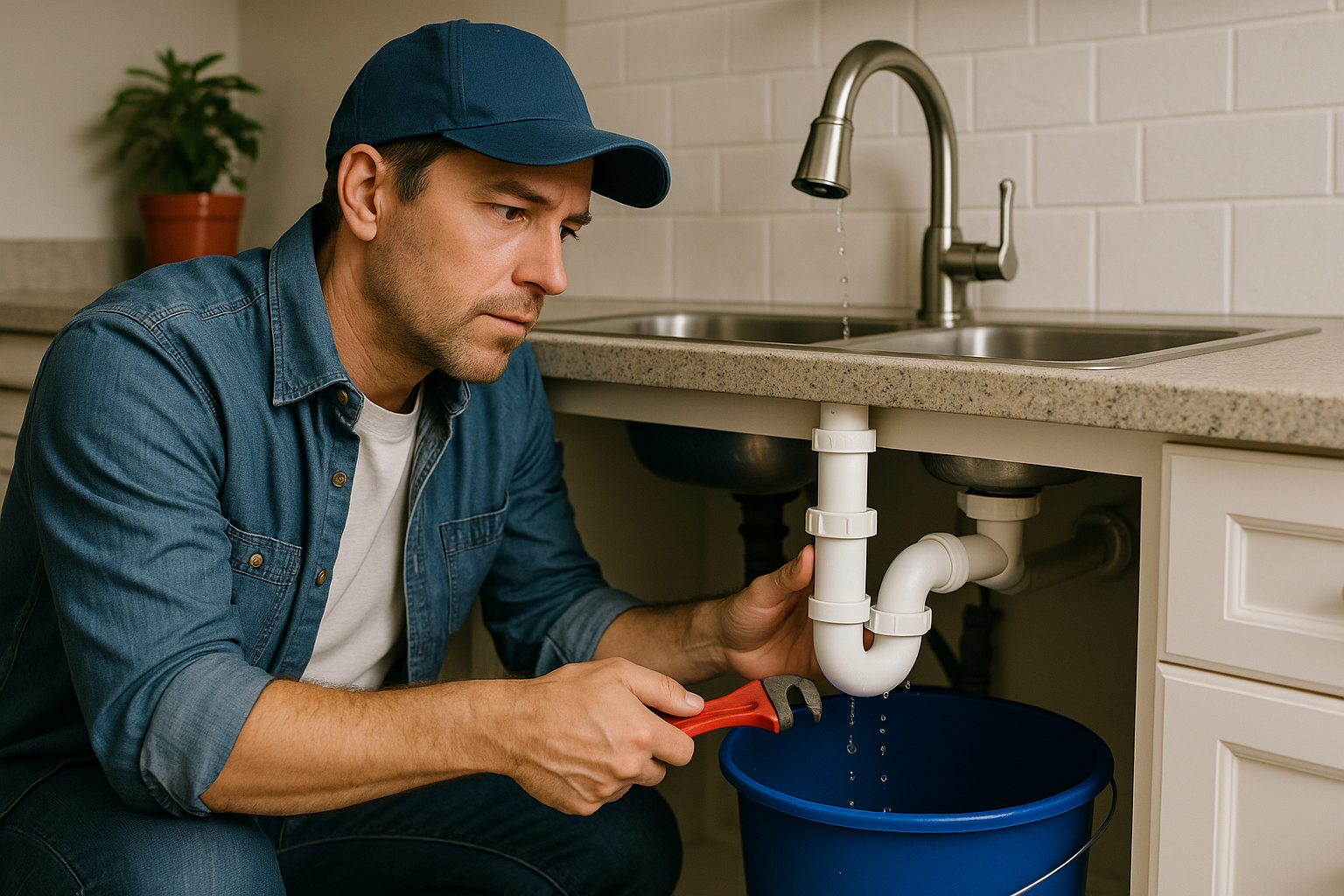
Even a small leak can waste a significant amount of water over time. Leaks may appear under sinks, around toilets, in walls, or beneath floors. A plumber can locate the source of the leak, repair damaged fittings or pipes, and help prevent water damage and mold growth.
Drain Cleaning
Clogged drains are among the most common reasons people call a plumber. Hair, grease, soap buildup, food particles, and foreign objects can all cause blockages. Professional drain cleaning is often more effective than store-bought chemicals and can help restore proper flow without damaging your pipes.
Water Heater Repair and Installation
If your water is not heating properly, running out too quickly, or making unusual noises, your water heater may need attention. Plumbers can repair many issues or recommend replacement if the unit is old or inefficient. They can also install standard tank heaters, tankless systems, and other energy-saving options.
Toilet, Sink, and Faucet Repairs
Running toilets, loose faucets, and slow-draining sinks are everyday plumbing problems that should not be ignored. A plumber can replace worn parts, reseal fixtures, and restore proper function. Small repairs like these can improve efficiency and reduce water bills.
Pipe Repair and Replacement
Older homes may have corroded, cracked, or outdated pipes. A plumber can inspect the system and determine whether spot repairs or full replacement are needed. Replacing damaged pipes can improve water quality, pressure, and reliability.
Emergency Plumbing
Some plumbing problems cannot wait. Burst pipes, sewer backups, major leaks, and overflowing toilets require immediate attention. Emergency plumbers are available to respond quickly, limit damage, and restore safety.
Signs You Need a Plumber
Not every plumbing issue is obvious at first. Some warning signs may seem minor, but they can point to larger problems behind walls or under the floor. Call a plumber if you notice any of the following:
- Persistent dripping or leaking
- Slow drains or repeated clogs
- Low water pressure throughout the home
- Discolored or foul-smelling water
- Unusual noises in pipes or water heaters
- Water stains on ceilings, walls, or floors
- Unexplained increases in your water bill
- Bad odors coming from drains or toilets
If you are unsure whether the issue is serious, it is usually better to have it checked sooner rather than later. Plumbing problems often get worse over time, and early repairs are usually more affordable than emergency fixes.
Why Hiring a Professional Plumber Matters
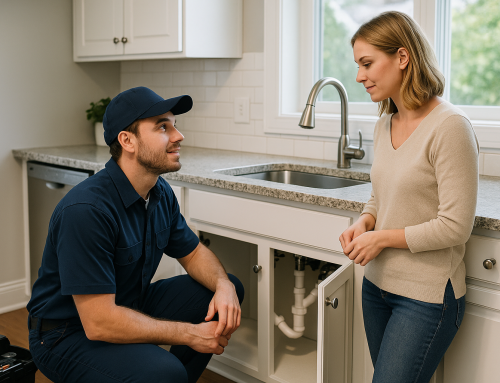
Some small plumbing tasks may seem simple enough to tackle on your own, but professional help offers several advantages. A licensed plumber has the training and tools needed to diagnose issues accurately and repair them safely. This is especially important for hidden leaks, sewer problems, gas lines, and major installations.
Professional plumbing work can also help prevent future damage. A quick patch may solve the immediate issue, but if the underlying cause is not addressed, the problem may return. Plumbers know how to identify the source of the issue and recommend lasting solutions.
In addition, many plumbing jobs must meet local building codes. A qualified plumber understands these requirements and can ensure the work is completed correctly. This is especially helpful if you plan to sell your home or complete a renovation.
How to Choose the Right Plumber
Finding a reliable plumber can save time, money, and frustration. Start by looking for someone who is licensed and insured. Licensing helps confirm that the plumber has met the required training and standards, while insurance protects you in case of accidents or damage.
It is also smart to check reviews, ask for recommendations, and compare estimates. A trustworthy plumber should be transparent about pricing and willing to explain the work that needs to be done. Be cautious of unusually low quotes, which may signal poor workmanship or hidden fees.
Experience matters too. If you have a specific issue, such as a sewer line backup or tankless water heater installation, look for a plumber who has worked on similar projects. Clear communication, punctuality, and professionalism are all signs you are hiring the right person.
Finally, ask about warranties or guarantees on labor and parts. This provides extra peace of mind and shows that the plumber stands behind their work.
Preventive Plumbing Tips for Homeowners
While a plumber is essential when problems arise, a little maintenance can help reduce the chances of future trouble. Avoid flushing wipes, paper towels, or hygiene products down the toilet. Do not pour grease down the kitchen sink, and use drain strainers to catch hair and food debris.
It is also a good idea to inspect visible pipes and fixtures regularly for signs of leaks or corrosion. Watch your water bill for sudden changes, and schedule routine maintenance for water heaters and other key systems. Preventive care can extend the life of your plumbing and help you avoid emergency calls.
Conclusion
A plumber plays a vital role in keeping your home safe, efficient, and comfortable. From fixing leaks and unclogging drains to installing water heaters and repairing pipes, these professionals handle the systems you rely on every day. Knowing when to call a plumber and how to choose the right one can help you protect your property and avoid bigger problems down the road.