Understanding Sewer Line Repair
Sewer line repair is one of those home maintenance issues most people hope to never face, yet it can quickly become urgent when problems appear. Your sewer line carries wastewater away from your home, and when it is damaged, clogged, or broken, the impact can range from slow drains to sewage backups and property damage. Knowing the warning signs, common causes, and repair options can help you act quickly and make a smarter decision.
Signs You May Need Sewer Line Repair
Sewer line problems often start small before turning into major headaches. The sooner you identify them, the easier and less expensive the repair may be.
Multiple drains are backing up
If more than one sink, tub, or toilet is draining slowly or backing up at the same time, the issue may be deeper than a simple clog. A blockage in the main sewer line can affect every drain in the house.
Foul odors inside or outside the home
Persistent sewer smells coming from drains, the basement, or the yard can signal a cracked or leaking sewer pipe. These odors should not be ignored, especially if they become more noticeable over time.
Gurgling sounds and bubbling toilets
Unusual sounds in your plumbing system often mean air is trapped because wastewater is not moving properly. Gurgling toilets and bubbling drains are common warning signs of a partial blockage or damaged pipe.
Soggy spots or unusually green patches in the yard
If a sewer line is leaking underground, the wastewater can fertilize the soil and create greener, faster-growing patches of grass. In some cases, you may also notice wet or sunken areas in the yard.
Common Causes of Sewer Line Damage
Several factors can lead to sewer line repair, and many of them develop gradually over time. Understanding the cause helps determine the right solution.
Tree root intrusion
Tree roots naturally seek moisture and can slip into small cracks in sewer pipes. Once inside, they expand and create serious blockages or even break the pipe apart.
Old or deteriorating pipes
Older homes may have sewer lines made from clay, cast iron, or other materials that wear down over time. Corrosion, shifting joints, and age-related cracking are common in aging systems.
Ground movement and soil shifting
Changes in soil conditions, heavy rainfall, nearby construction, or settling foundations can put stress on underground pipes. When a sewer line shifts out of alignment, leaks and breaks may follow.
Grease buildup and flushing the wrong items
Pouring grease down the drain and flushing wipes, paper towels, or hygiene products can create stubborn clogs. Over time, repeated misuse can contribute to bigger sewer line problems.
Sewer Line Repair Options
The right repair method depends on the location of the damage, the condition of the pipe, and the extent of the problem. A licensed plumber can inspect the line and recommend the best approach.
Traditional trench repair
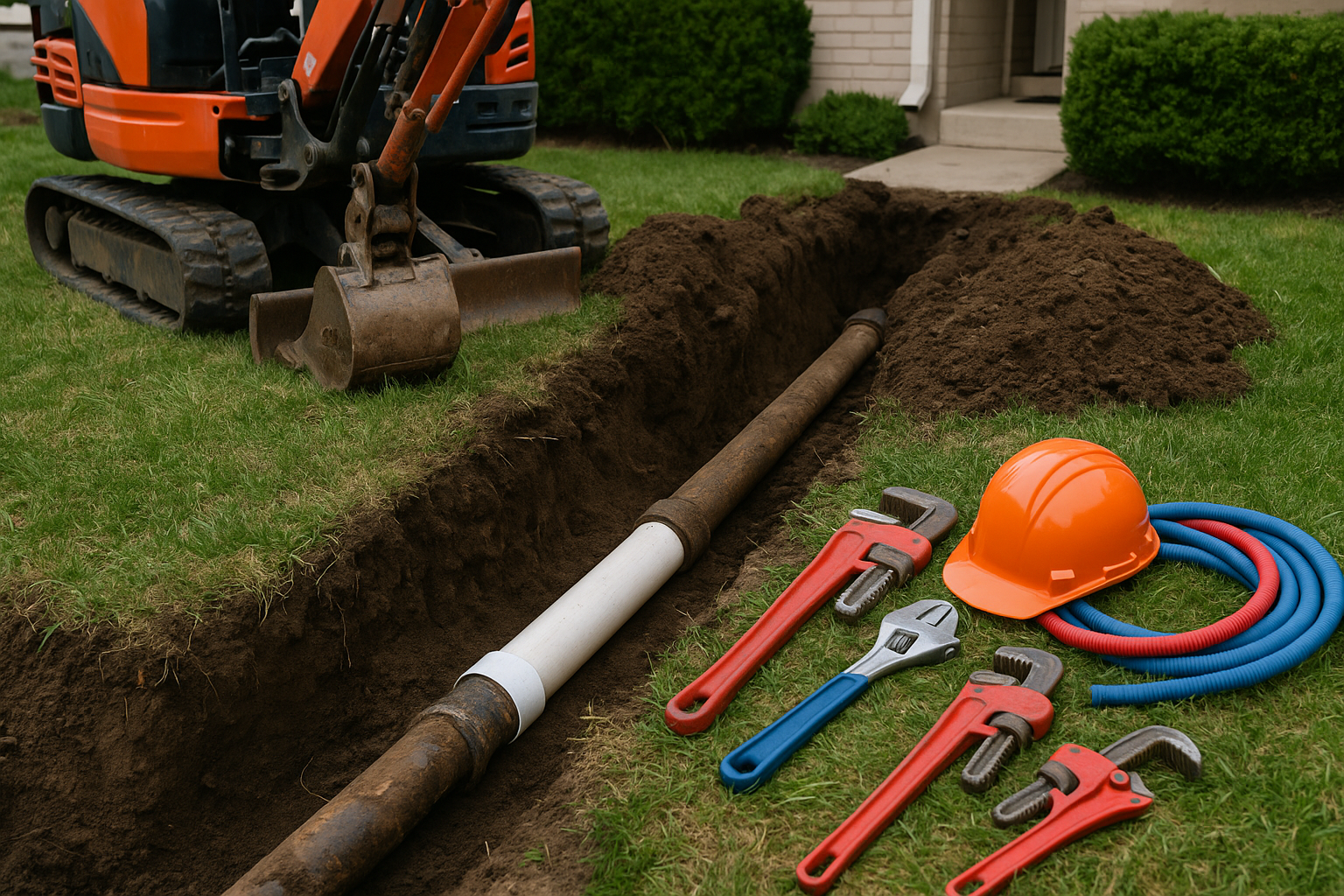
In some cases, the damaged section of pipe must be excavated and replaced. Traditional sewer line repair is often used when the pipe has collapsed, is severely offset, or cannot be fixed with less invasive methods.
Trenchless sewer repair
Trenchless methods are less disruptive because they usually require only a small access point. Techniques such as pipe lining or pipe bursting can restore the sewer line with minimal digging, making them a popular option for many homeowners.
Pipe relining
Pipe relining involves inserting a resin-coated liner into the existing pipe. Once cured, it forms a new interior surface that can seal cracks and improve flow without removing the old pipe.
Pipe bursting
With pipe bursting, a new pipe is pulled through the old one while the damaged pipe is broken apart. This method is often used when the pipe is too damaged to line but the homeowner wants to avoid a large excavation.
What to Expect During the Repair Process
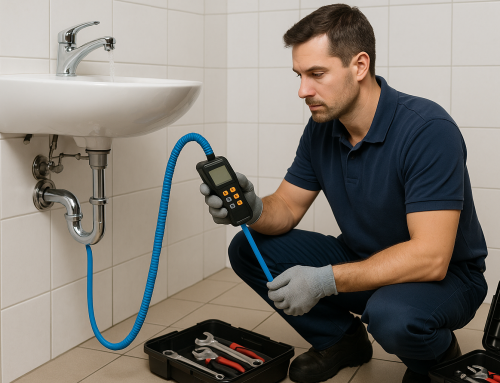
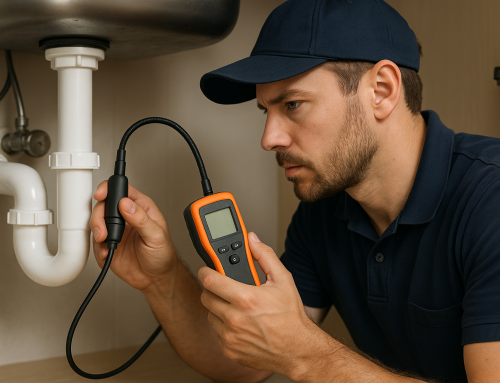
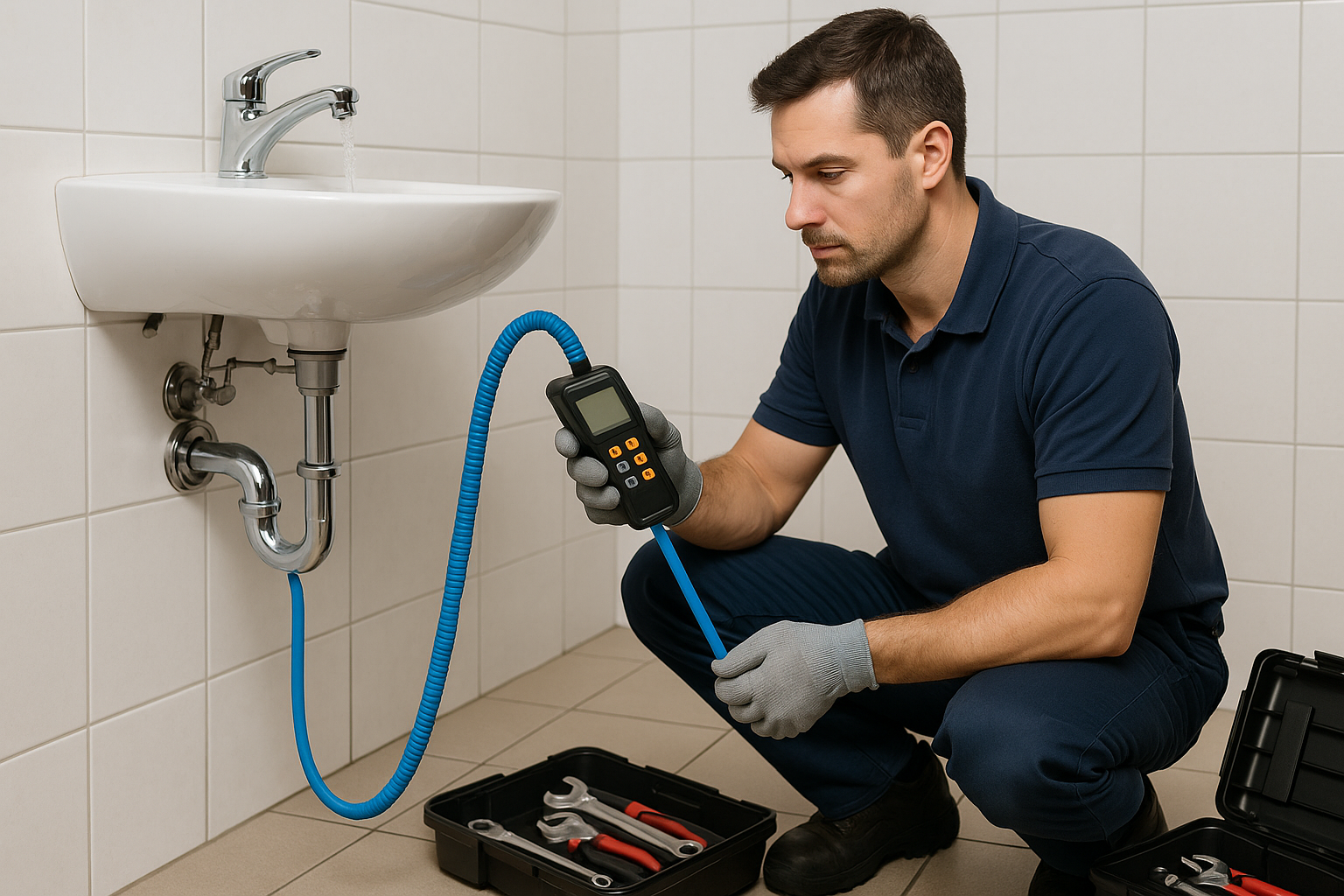
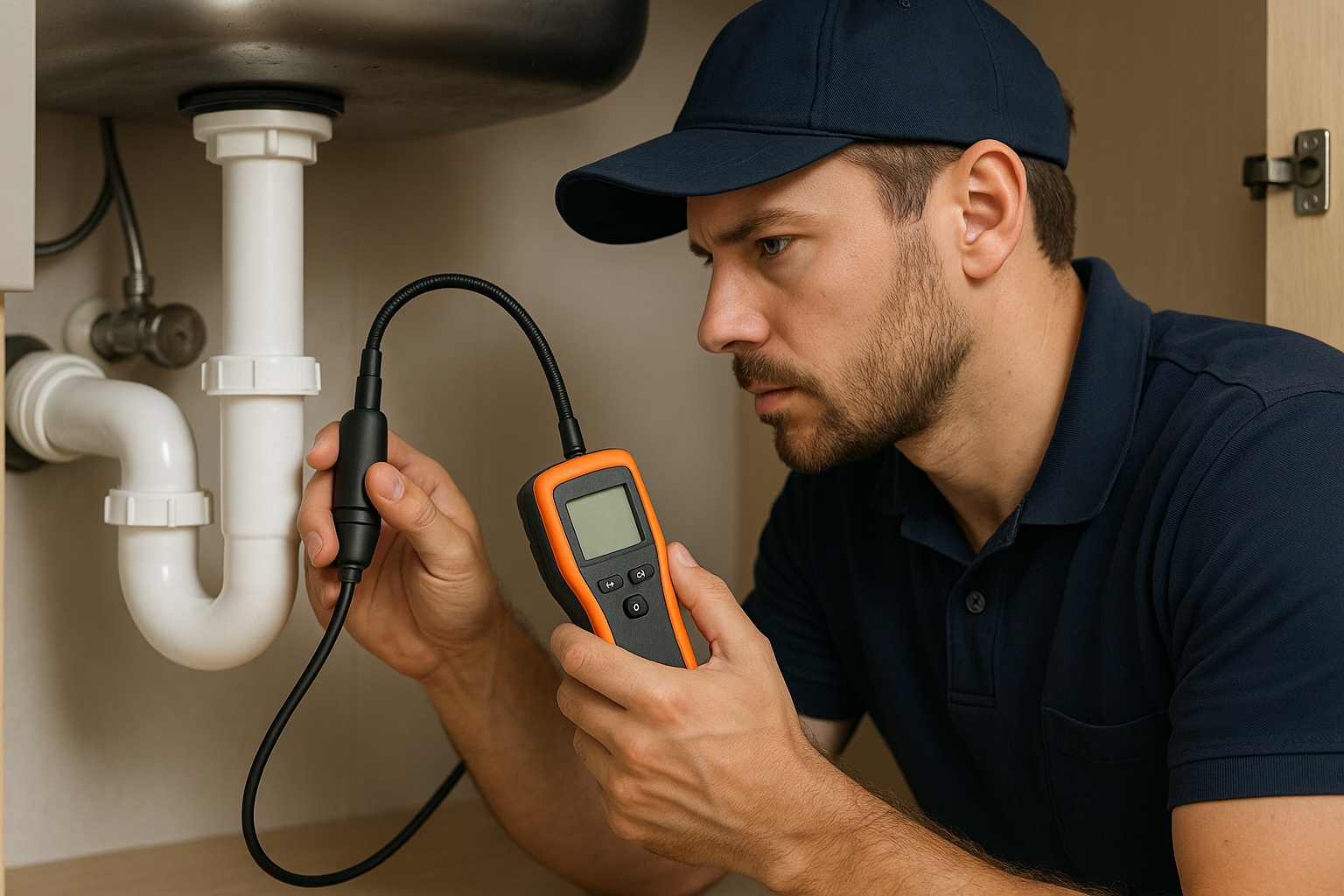
Most sewer line repairs begin with a video camera inspection. This allows the plumber to locate the problem and determine whether the issue is a clog, crack, root intrusion, or full pipe failure. After the inspection, you will receive a repair recommendation and estimate.
For trenchless repairs, the process is typically faster and less invasive than traditional excavation. If digging is required, the plumber may need to access the line through your yard, driveway, or landscaping. In either case, a reputable professional will explain the timeline, potential disruptions, and restoration steps.
How to Prevent Future Sewer Line Problems
While some sewer line issues are unavoidable, regular maintenance can reduce the risk of major repairs. Simple habits go a long way in protecting your plumbing system.
Avoid flushing wipes, grease, feminine products, and other non-degradable materials. Schedule periodic drain and sewer inspections if your home is older or has a history of plumbing issues. If you have trees near your sewer line, consider root management and keep an eye out for recurring slow drains. Addressing small plumbing concerns early can prevent more expensive damage later.
When to Call a Professional
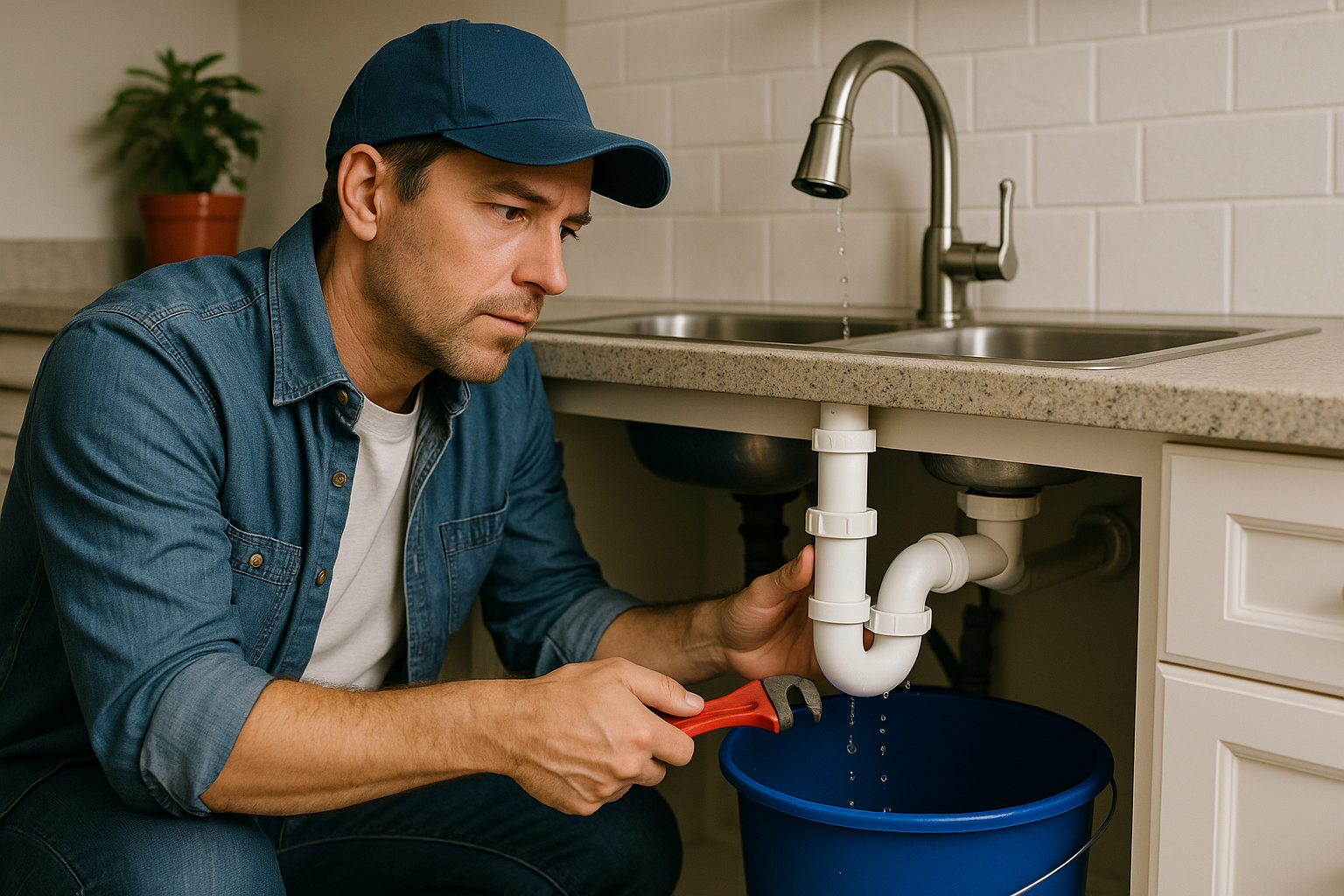
Minor clogs may be handled with routine drain cleaning, but sewer line issues usually require professional tools and experience. Call a licensed plumber if you notice repeated backups, sewer odors, wet spots in the yard, or signs of wastewater coming back into your home. Delaying repair can lead to more extensive damage, health risks, and higher costs.
Conclusion
Sewer line repair is not something homeowners deal with every day, but understanding the warning signs and repair options can make the process less overwhelming. If you suspect a problem, acting quickly and calling a qualified professional is the best way to protect your home, your property, and your peace of mind.