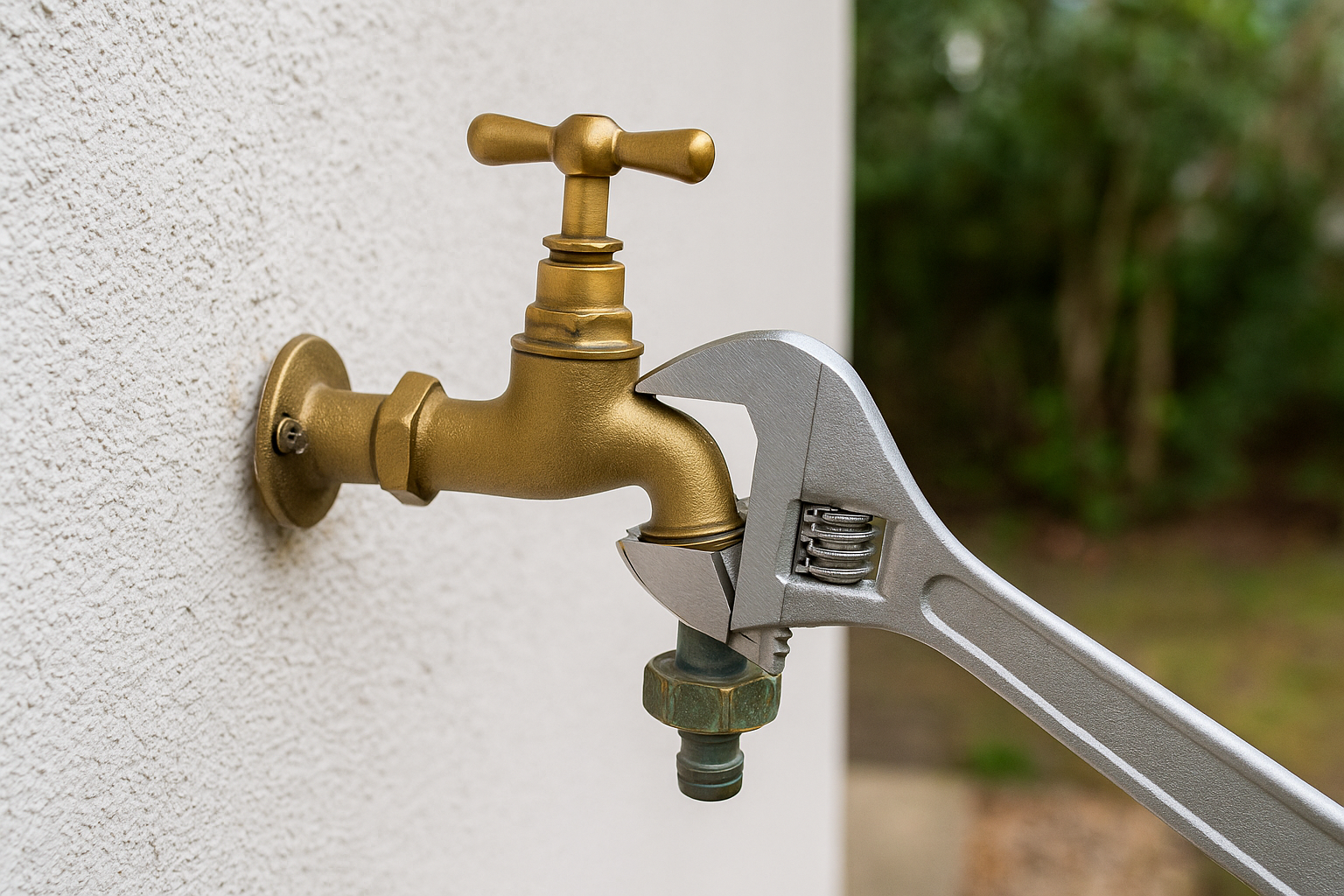
An outdoor faucet, also called a hose bib or spigot, is one of those home features you rarely think about until it starts leaking, sticking, or freezing. Because it sits exposed to the weather and gets used often, it can wear out faster than many other plumbing fixtures. When that happens, an outdoor faucet replacement can help prevent water waste, property damage, and seasonal headaches.
Why Outdoor Faucet Replacement Matters
A damaged outdoor faucet is more than just an inconvenience. Even a slow drip can waste a surprising amount of water over time, and a cracked or loose faucet can lead to moisture around your siding, foundation, or landscaping. In colder climates, a worn faucet that fails to drain properly may also freeze and burst during winter.
Replacing the faucet at the right time can save money and protect your home. It also improves everyday use, giving you better water pressure and a more reliable connection for garden hoses, pressure washers, and outdoor cleaning tasks.
Signs It’s Time to Replace Your Outdoor Faucet
Not every faucet problem requires a full replacement, but some warning signs point to a fixture that is past repair.
Persistent leaks
If the faucet drips even when fully closed, or water leaks from the handle, stem, or wall connection, the internal parts may be worn out. While some leaks can be repaired with new washers or packing, recurring problems often mean replacement is the better option.
Low or inconsistent water flow
Mineral buildup, corrosion, or internal damage can restrict water flow. If cleaning the aerator or hose doesn’t improve performance, the faucet itself may be the issue.
Visible rust, cracks, or corrosion
Outdoor fixtures are constantly exposed to sun, moisture, and temperature changes. Rust, green corrosion, or hairline cracks are signs that the faucet is deteriorating and may fail soon.
Difficulty turning the handle
A handle that sticks, spins loosely, or requires extra force may indicate stripped parts or internal wear. If operation feels rough or unreliable, replacement is usually worth considering.
Choosing the Right Replacement Faucet
Before starting an outdoor faucet replacement, it helps to choose a faucet that fits your home and climate. Not all hose bibs are the same, and the right model can make a big difference in performance and durability.
Standard vs. frost-free faucets
In colder areas, a frost-free faucet is often the best choice. These models place the shutoff valve farther inside the home, where temperatures are warmer, helping reduce the risk of freezing. Standard faucets may be fine in milder climates, but they need more winter protection.
Material matters
Brass faucets are popular because they are durable and corrosion-resistant. Stainless steel and other heavy-duty materials can also offer excellent longevity. Cheaper materials may save money upfront but tend to wear out faster outdoors.
Match the connection and size
Make sure the replacement matches your existing pipe connection and hose thread size. If you’re unsure, check the old faucet or consult a plumbing professional before purchasing.
What to Expect During Outdoor Faucet Replacement
While the exact process depends on the faucet type and plumbing setup, the general steps are similar. First, the water supply to the faucet should be shut off. The old faucet is then removed, the connection area is cleaned, and the new faucet is installed and sealed properly.
For some homes, replacing an outdoor faucet is a straightforward task. In other cases, especially if the pipe behind the wall is damaged or corroded, the work may be more complex. If the faucet is hard to access or connected to older plumbing, it’s often best handled by a licensed plumber.
After installation, the faucet should be tested for leaks and proper flow. In colder months, it’s also important to confirm that the new fixture drains correctly and is ready for winter weather.
Common Mistakes to Avoid
A successful replacement depends on avoiding a few common mistakes.
Ignoring hidden pipe damage
Sometimes the faucet is only part of the problem. If the pipe inside the wall is cracked, rusted, or loose, replacing the exterior fixture alone won’t solve the issue.
Using the wrong sealant or fittings
Improper sealing can cause leaks at the connection point. Using the correct materials and tightening fittings carefully helps ensure a secure installation.
Skipping winter preparation
Even a new faucet can freeze if it isn’t properly installed or winterized. Homeowners in cold regions should disconnect hoses before freezing temperatures arrive and make sure the faucet drains as intended.
DIY or Call a Professional?
Some homeowners feel comfortable handling a faucet replacement themselves, especially if the plumbing is in good shape and the fixture is easy to reach. If you already have experience with basic plumbing repairs, a DIY approach may be manageable.
However, calling a professional is a smart move if the faucet is leaking into a wall, the shutoff valve is stuck, the pipe is old or brittle, or you’re installing a frost-free model that requires more precise work. A plumber can also identify related issues before they become expensive repairs.
How to Help Your New Faucet Last Longer
Once the new faucet is installed, a few simple habits can extend its life. Disconnect hoses when not in use, especially before winter. Check the faucet periodically for drips or loose fittings. If you live in a cold climate, cover or winterize the fixture as recommended for your home.
Regular maintenance helps catch small issues early, before they turn into major leaks or replacement needs. With proper care, a quality outdoor faucet can provide years of dependable service.
Conclusion
Outdoor faucet replacement is a practical upgrade that can improve convenience, conserve water, and protect your home from costly damage. By watching for warning signs, choosing the right fixture, and addressing problems early, you can keep your outdoor plumbing working reliably through every season.