Leak Detection: What It Is and Why It Matters
Leak detection is the process of finding unwanted water, gas, or other fluid leaks before they cause serious damage. In homes and commercial buildings, even a small leak can lead to costly repairs, structural issues, mold growth, higher utility bills, and safety hazards. The sooner a leak is found, the easier and more affordable it is to fix.
Many leaks are hidden behind walls, under floors, in ceilings, or underground, which makes them hard to notice right away. That is why leak detection is an important part of property maintenance. It helps protect the building, the people inside it, and the systems that keep everything running smoothly.
Common Signs You May Have a Leak
Not all leaks are obvious. In fact, some of the most damaging leaks stay hidden for weeks or months. Knowing the warning signs can help you act quickly.
Higher Water Bills
If your water usage has not changed but your bill keeps rising, a hidden leak may be wasting water behind the scenes. This is often one of the first clues homeowners notice.
Damp Spots and Water Stains
Discoloration on ceilings, walls, or floors can indicate a pipe leak or roof leak. Even a small stain should be checked before the damage spreads.
Mold or Musty Odors
Moisture from a leak creates the ideal environment for mold and mildew. A persistent musty smell is a common sign that water is trapped somewhere in the structure.
Low Water Pressure
If water pressure drops suddenly, a leak in the plumbing system may be diverting water away from faucets and fixtures.
Sounds of Running Water
Hearing water when no taps are on can suggest a hidden leak inside a wall, under a slab, or in an irrigation line.
How Leak Detection Works
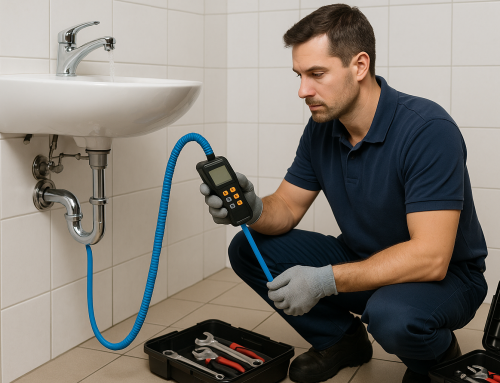
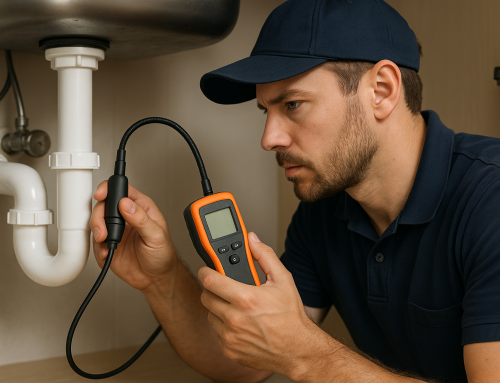
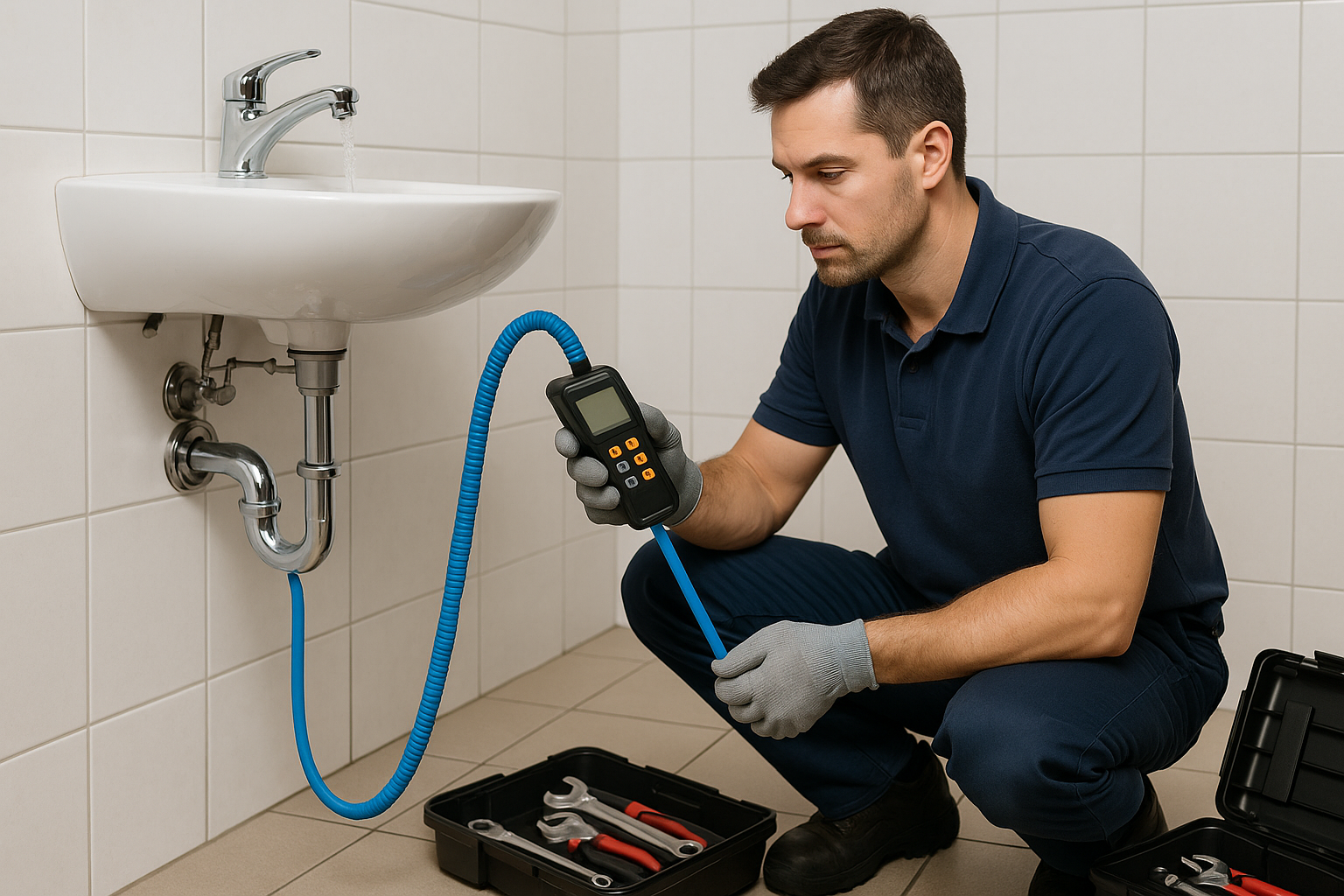
Leak detection uses a mix of observation, testing, and technology to locate the source of a leak without causing unnecessary damage. The method used depends on the type of leak and where it may be hiding.
Visual Inspection
The first step often involves checking for visible signs of water damage, corrosion, pooling, or unusual moisture. A trained inspector can often narrow down the problem area quickly.
Pressure Testing
For plumbing systems, pressure testing helps determine whether a pipe is losing water somewhere in the line. If pressure drops unexpectedly, there may be a leak that needs further investigation.
Acoustic Detection
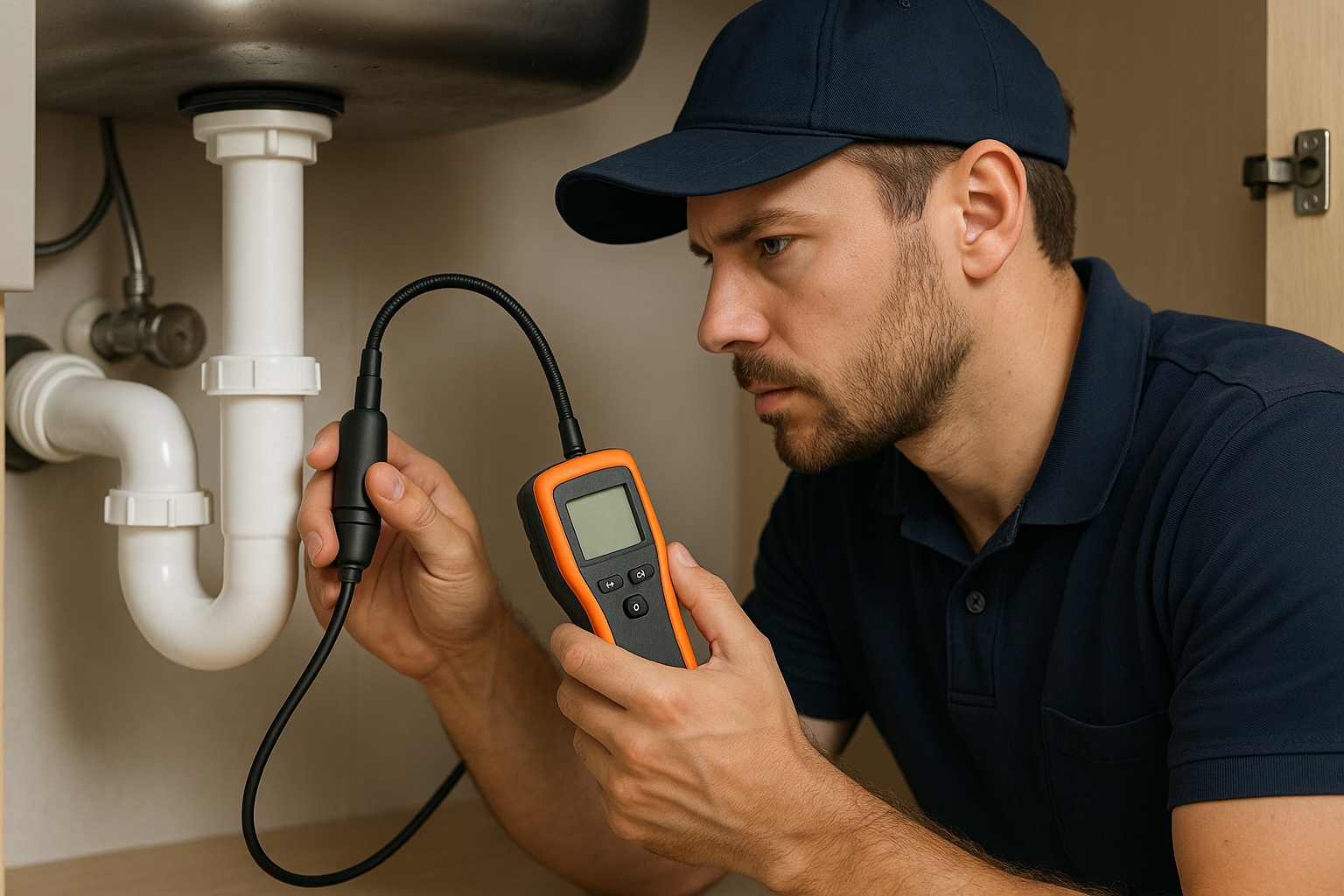
Specialized listening equipment can detect the sound of escaping water inside pipes. This is especially useful for leaks that are underground or behind finished surfaces.
Thermal Imaging
Infrared cameras can reveal temperature differences caused by moisture. Thermal imaging is often used to find hidden leaks in walls, ceilings, and floors without cutting into the structure.
Moisture Meters and Sensors
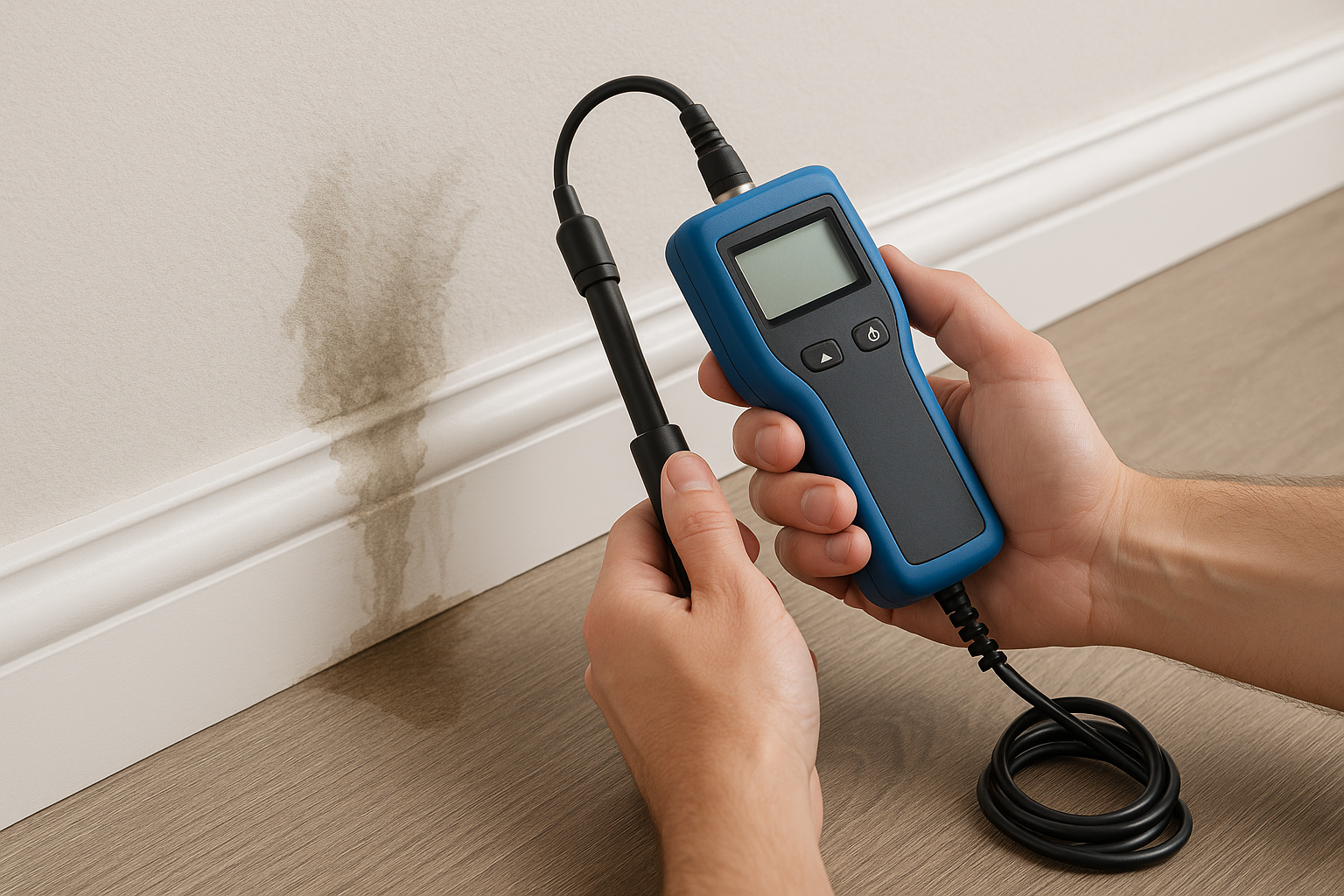
Moisture meters measure dampness in building materials, while leak sensors can alert property owners when water is detected in vulnerable areas like basements, laundry rooms, or under sinks.
Types of Leaks to Watch For
Leak detection is not limited to plumbing. Different systems can develop leaks, and each one presents its own risks.
Plumbing Leaks
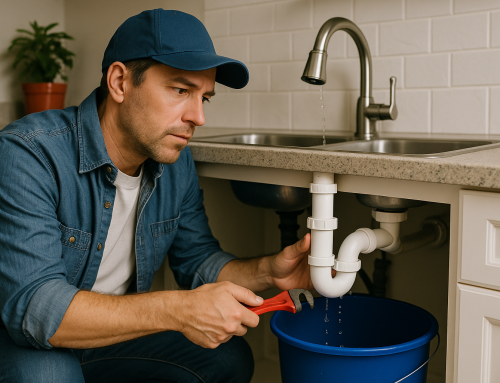
These are among the most common leaks in homes and businesses. They may occur in supply lines, drain pipes, faucets, toilets, or water heaters.
Slab Leaks
A slab leak happens in pipes running beneath a concrete foundation. These are especially serious because they can damage the foundation and are difficult to spot without professional tools.
Roof Leaks
Roof leaks often start small but can spread through insulation, attic spaces, and interior ceilings. Heavy rain, missing shingles, and damaged flashing are common causes.
Gas Leaks
Gas leaks require immediate attention because they can create fire, explosion, and health risks. Signs may include a sulfur-like smell, hissing sounds, or dead vegetation near underground gas lines.
Irrigation and Outdoor Leaks
Sprinkler systems and outdoor plumbing can waste large amounts of water if there is a hidden leak underground or in a broken valve.
Why Professional Leak Detection Is Often the Best Choice
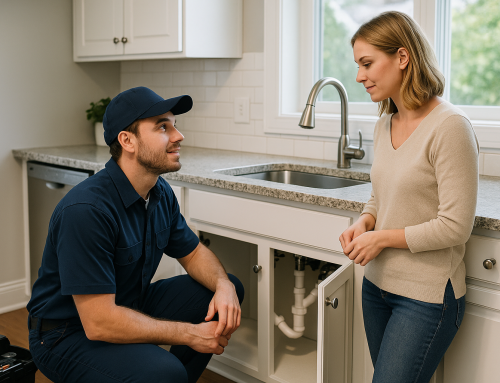
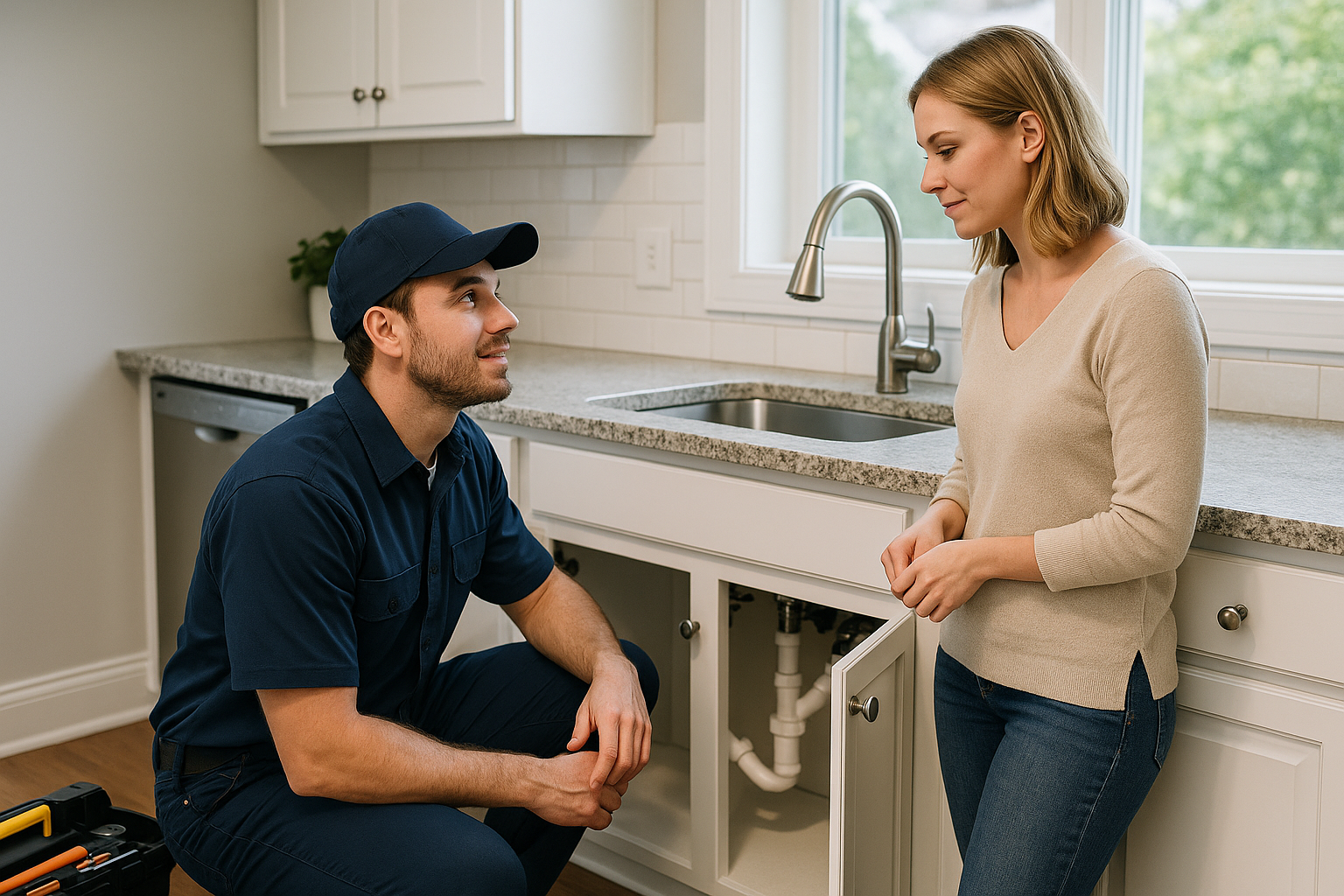
While some leaks can be found through simple checks, hidden or complex leaks usually require professional help. Experts use advanced equipment to find the source accurately and minimize damage during the inspection process.
Professional leak detection can save time, reduce repair costs, and prevent guesswork. Instead of tearing into walls or floors in multiple places, technicians can pinpoint the likely problem area and recommend the right fix. This is especially valuable for commercial properties, where leaks can interrupt operations and lead to costly downtime.
How to Prevent Leaks Before They Start
Prevention is one of the smartest parts of leak management. Regular maintenance and a few simple habits can lower the risk of major problems.
Inspect Plumbing Regularly
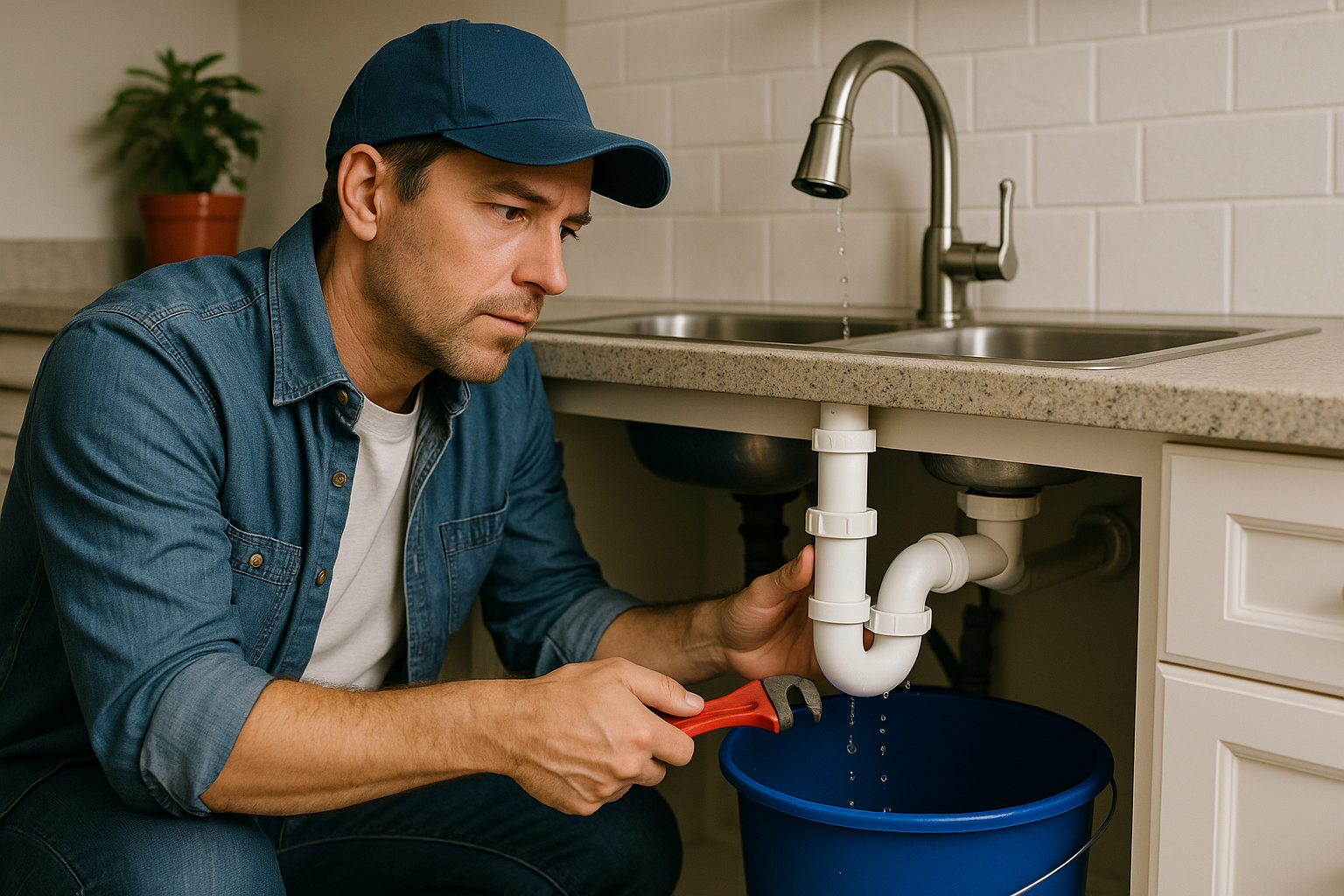
Look under sinks, around toilets, near water heaters, and behind appliances for signs of moisture or corrosion. Catching small issues early can prevent larger failures.
Maintain Roofs and Gutters
Clean gutters, repair damaged shingles, and make sure water drains away from the building. Proper roof maintenance helps reduce leak risk during storms.
Install Leak Detectors
Smart leak detectors can send alerts to your phone when moisture is detected. These devices are especially useful in basements, utility rooms, and near expensive appliances.
Monitor Water Usage
Tracking water bills and usage patterns can help you notice unusual changes quickly. A sudden spike may be the first sign of a hidden leak.
Schedule Routine Inspections
Regular inspections by a plumbing or property maintenance professional can catch worn-out seals, aging pipes, and other problems before they turn into emergencies.
Conclusion
Leak detection is a vital part of protecting any property from damage, wasted resources, and costly repairs. By recognizing the warning signs, understanding how leaks are found, and investing in prevention, you can catch problems early and keep your building in better condition for years to come.