Regular home maintenance often focuses on the visible things—paint touch-ups, yard work, and HVAC tune-ups—but one of the most important systems in your house is easy to overlook: plumbing. A routine plumbing checkup can help you catch small issues before they turn into expensive repairs, water damage, or major inconvenience. Whether you own an older home or a newer property, a proactive inspection can protect your budget, improve efficiency, and give you peace of mind.
What Is a Plumbing Checkup?
A plumbing checkup is a preventive inspection of your home’s plumbing system. It usually includes a careful look at pipes, faucets, fixtures, drains, toilets, water pressure, water heaters, and visible signs of leaks or corrosion. The goal is to identify problems early, before they become emergencies.
Unlike a repair visit, a checkup is about prevention. A plumber assesses the current condition of the system, looks for wear and tear, and recommends maintenance or minor fixes that can extend the life of your plumbing.
Why Plumbing Checkups Are Important
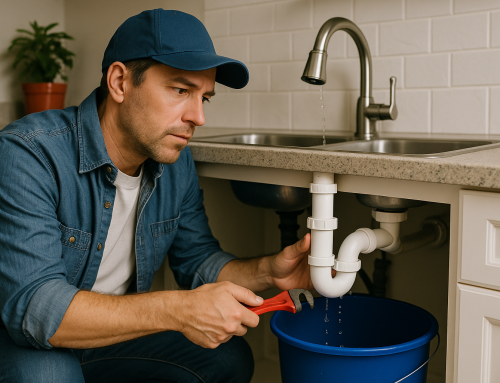
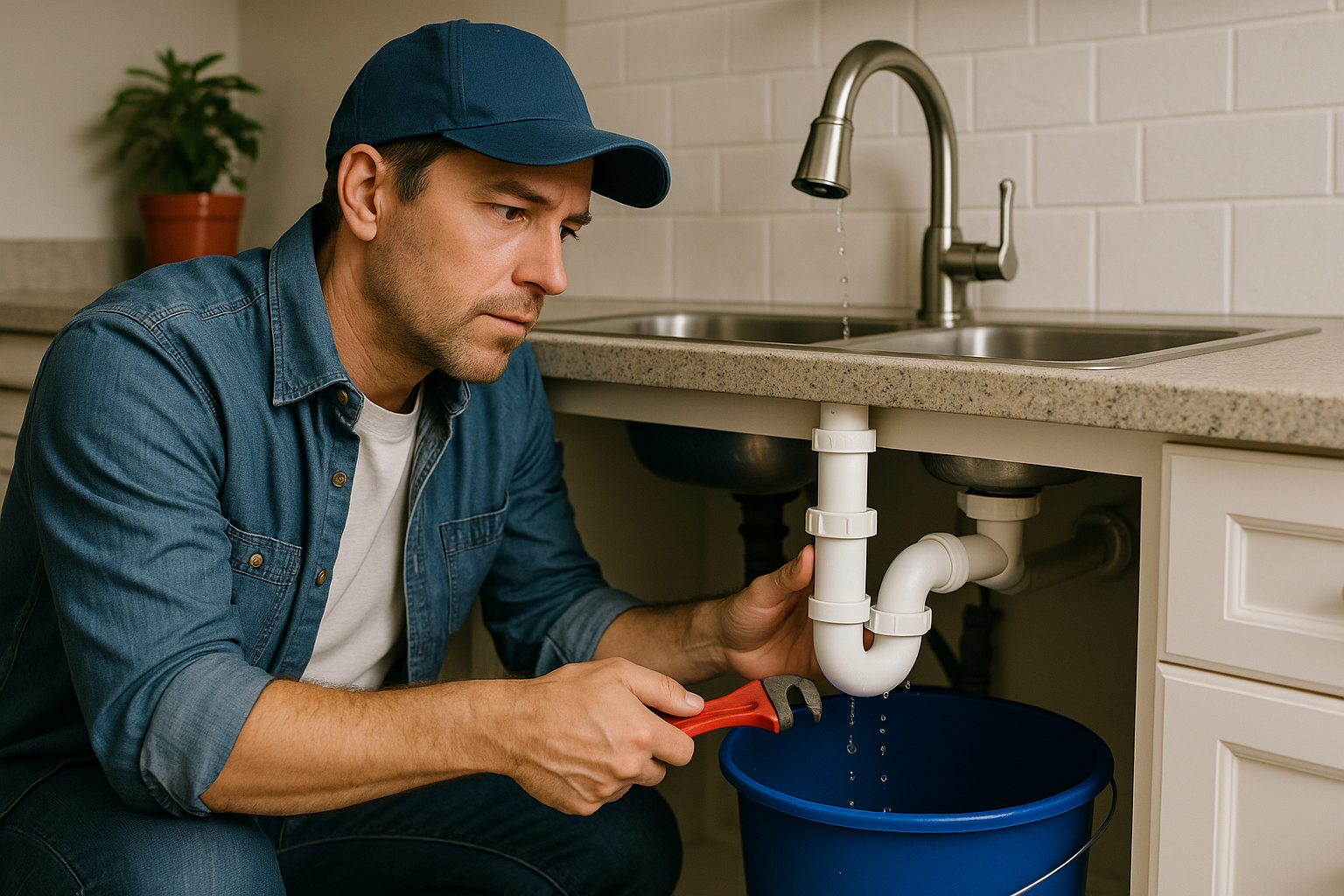
Plumbing problems often start small. A tiny leak under a sink, a slow drain, or a little rust around a pipe connection might not seem urgent. Over time, though, these issues can lead to bigger headaches such as mold growth, hidden water damage, increased utility bills, and costly emergency repairs.
Routine plumbing checkups can help you:
- Catch leaks early
- Prevent water damage
- Improve water efficiency
- Extend the life of fixtures and appliances
- Avoid unexpected plumbing emergencies
In many cases, a relatively inexpensive inspection can save hundreds or even thousands of dollars down the road.
What Happens During a Plumbing Checkup?
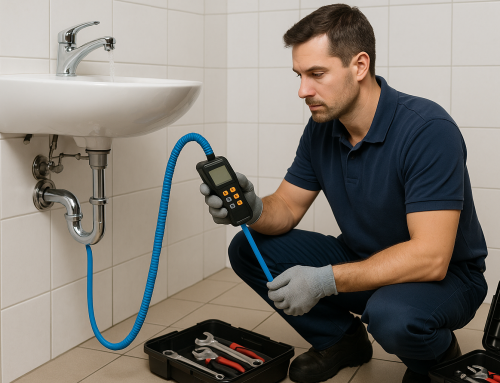
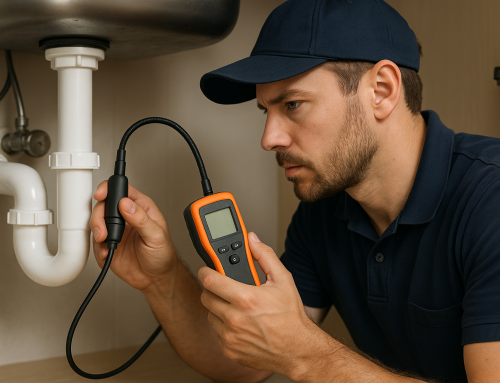
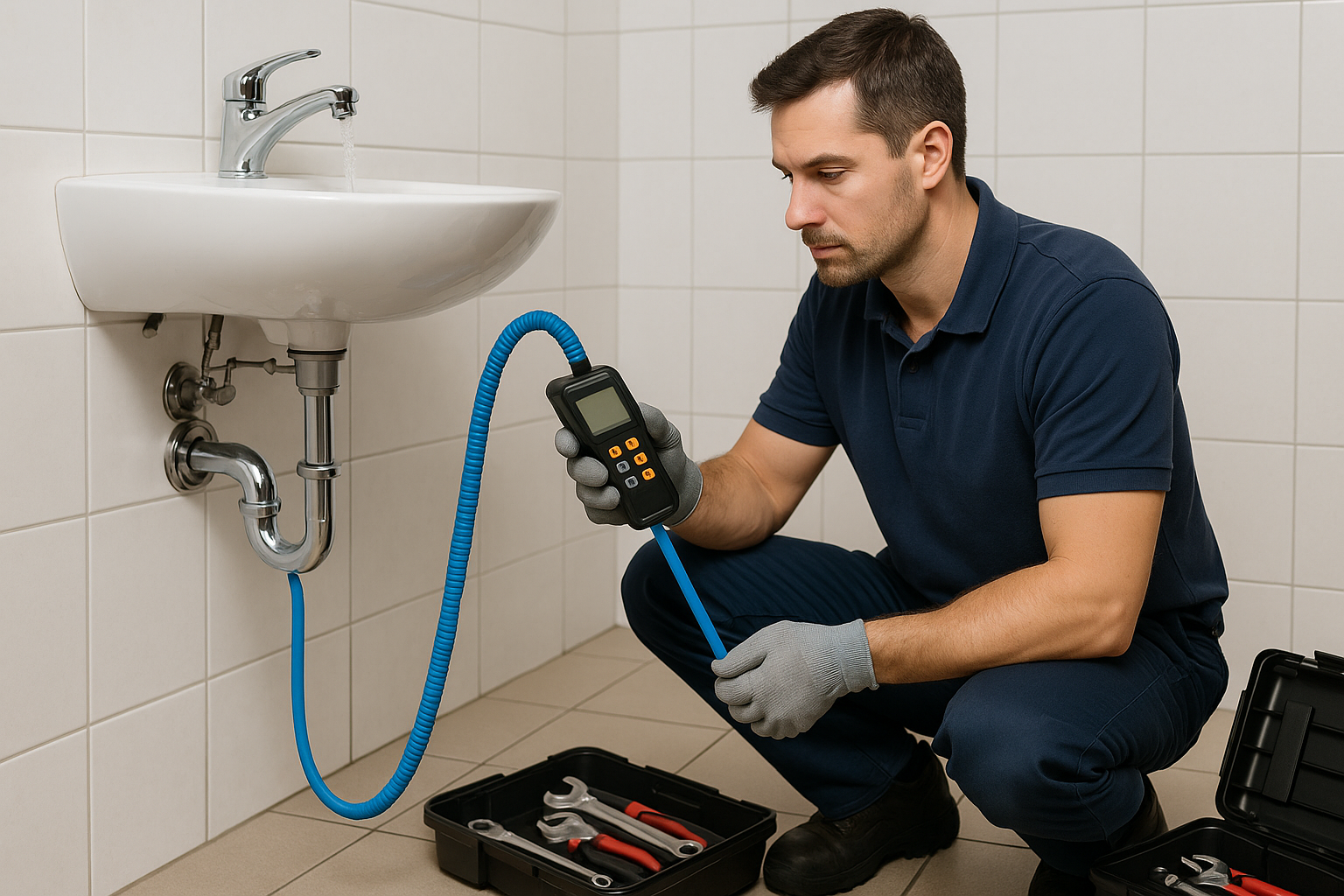
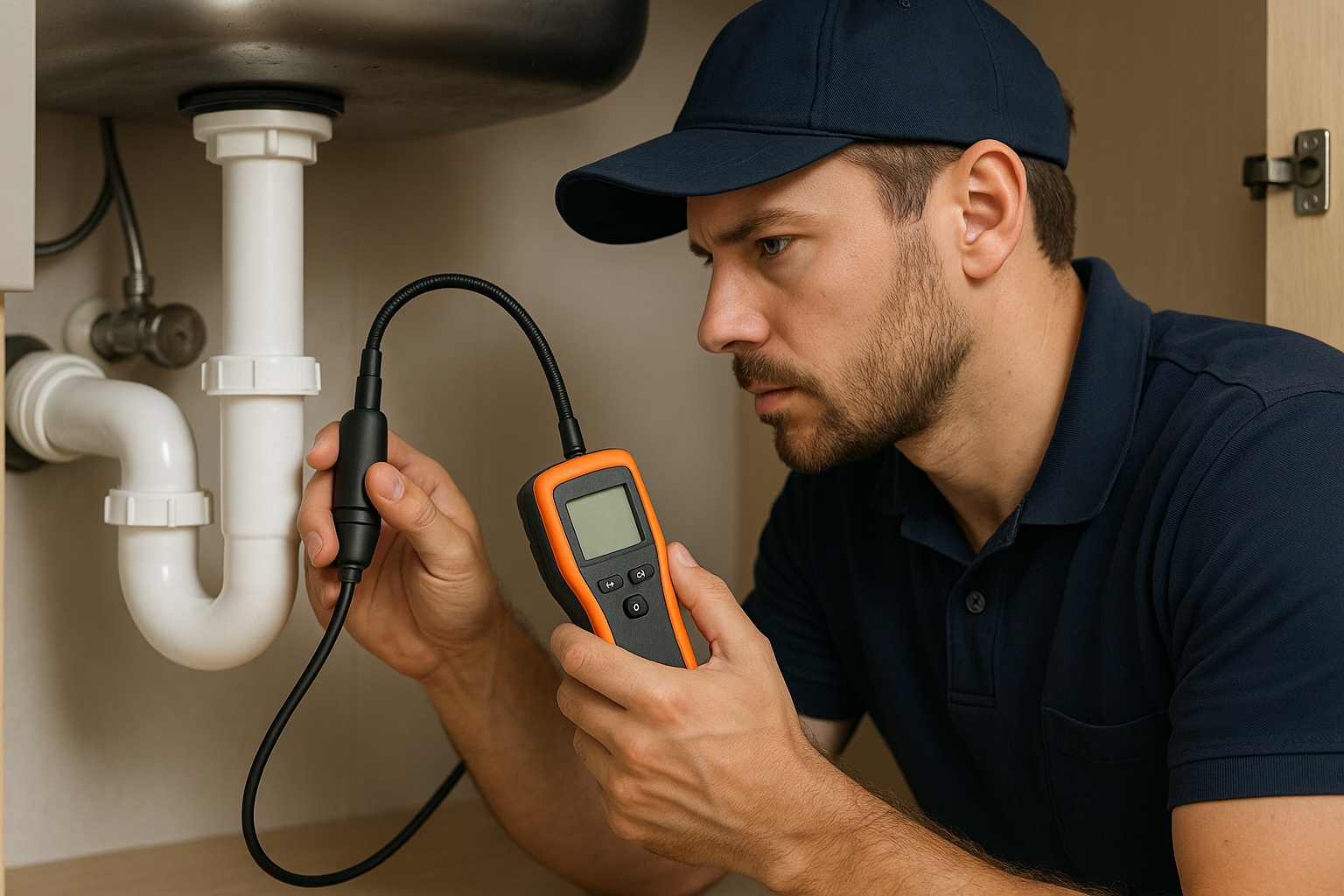
A professional plumbing checkup can vary depending on the home, but most inspections cover the same essential areas. A plumber will usually examine visible plumbing lines for leaks, corrosion, or signs of damage. They may test faucets, tubs, showers, and toilets to ensure everything is functioning properly.
The plumber may also check water pressure, inspect drains for slow flow or buildup, and look at the water heater for signs of sediment, rust, or aging components. If accessible, they may review under-sink plumbing, shutoff valves, and outdoor hose bibs as well.
In some cases, a plumber might recommend additional testing, such as a sewer line inspection, especially if you have recurring clogs, foul odors, or frequent backups.
Common Areas Inspected
- Faucets and showerheads
- Toilets and flushing mechanisms
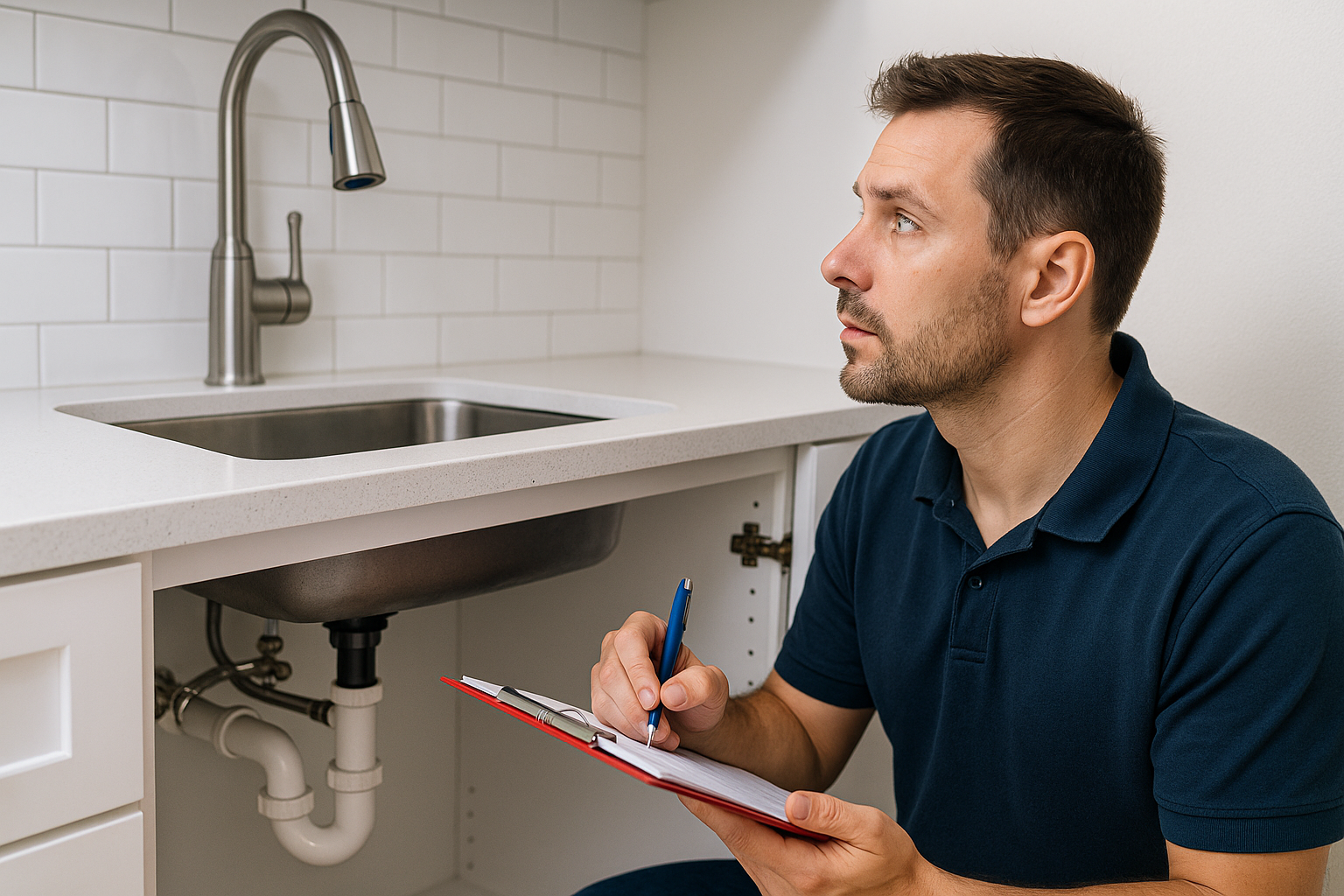
- Under-sink pipes and shutoff valves
- Visible supply lines and drains
- Water heater and nearby connections
- Outdoor plumbing and hose connections
Signs You May Need a Plumbing Checkup Soon
Even if you have not scheduled routine maintenance, certain warning signs suggest it is time to have your plumbing inspected. These clues often point to hidden problems that could worsen without professional attention.
Look out for:
- Unexplained increases in your water bill
- Low water pressure
- Slow-draining sinks, tubs, or showers
- Dripping faucets or running toilets
- Water stains on ceilings, walls, or floors
- Musty odors near plumbing fixtures
- Strange noises in pipes, such as banging or rattling
If you notice any of these issues, it is smart to schedule a checkup before the problem gets worse.
How Often Should You Schedule a Plumbing Checkup?
For most homes, a plumbing checkup once a year is a good rule of thumb. Annual inspections are especially helpful for older homes, homes with hard water, or properties that have had previous plumbing problems. If you live in a region with freezing temperatures, a seasonal inspection before winter can help prevent pipe damage.
You may also want a checkup after buying a new home, before starting a major renovation, or if your household has experienced repeated clogs or leaks. In those situations, a more detailed inspection can help you understand the current condition of the system and avoid surprise repairs.
DIY Plumbing Checks You Can Do Between Visits
While professional inspections are the best way to evaluate your plumbing system thoroughly, there are simple things you can do between appointments to stay ahead of problems.
Check under sinks for moisture, corrosion, or dripping. Listen for running toilets, and make sure drains are flowing normally. Look around the base of toilets, behind the washing machine, and near the water heater for any signs of leakage. It is also helpful to monitor your water bill each month so you can spot changes early.
These quick checks take only a few minutes but can help you notice issues before they become serious.
Benefits of Hiring a Professional
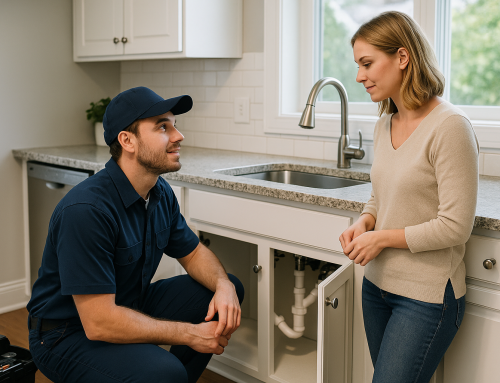
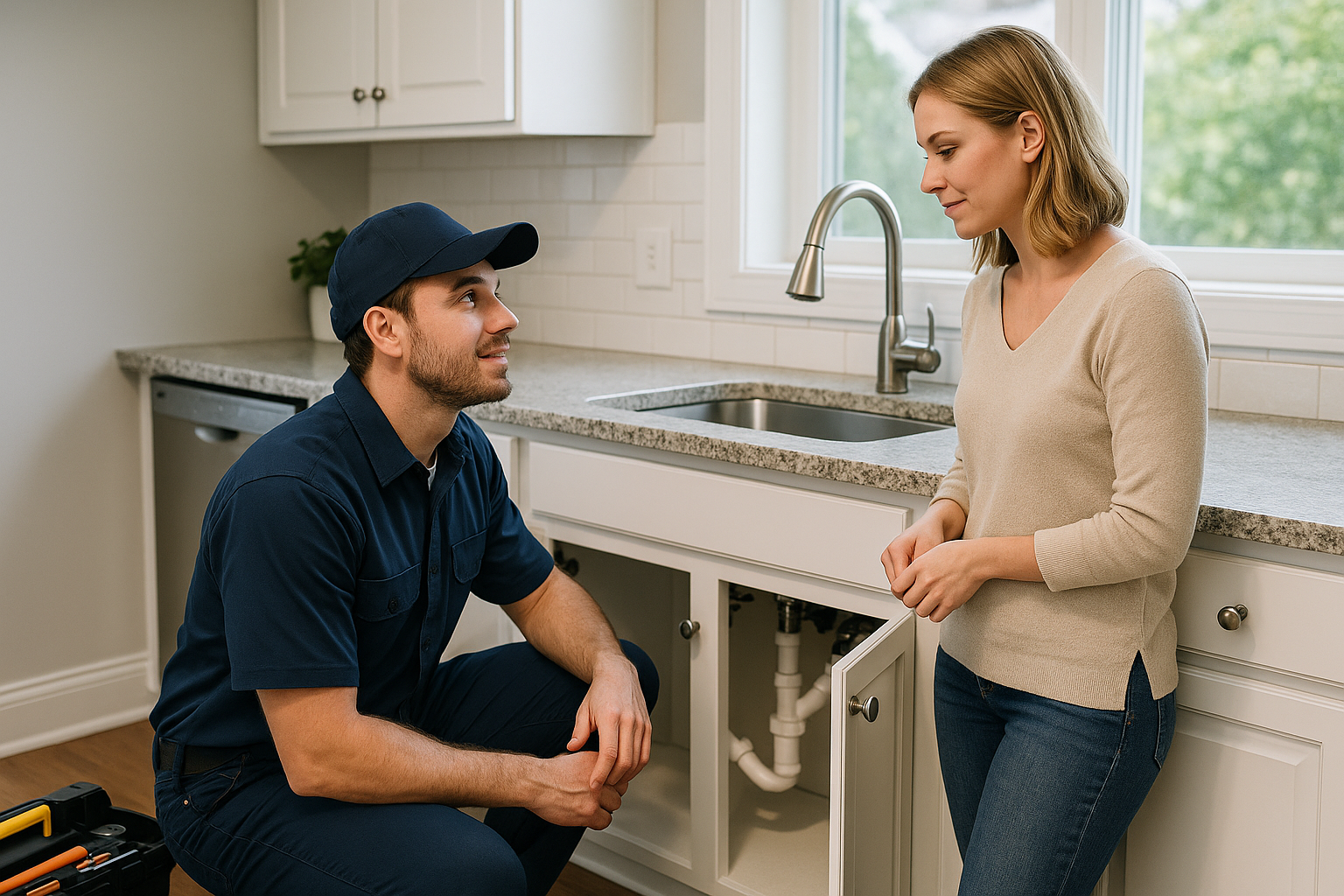
Some plumbing problems are obvious, but many are hidden behind walls, under floors, or inside aging fixtures. A professional plumber has the tools and experience to identify issues that homeowners might miss. They can also explain whether a problem needs immediate repair, routine maintenance, or simple monitoring.
Professional plumbing checkups are especially valuable because they provide a clear picture of your home’s overall plumbing health. Instead of guessing, you get expert guidance and practical recommendations tailored to your system.
Conclusion
A plumbing checkup is one of the smartest ways to protect your home and avoid costly surprises. By scheduling regular inspections and paying attention to early warning signs, you can keep your plumbing system working efficiently and catch problems before they escalate. A little prevention now can save you time, stress, and money later.