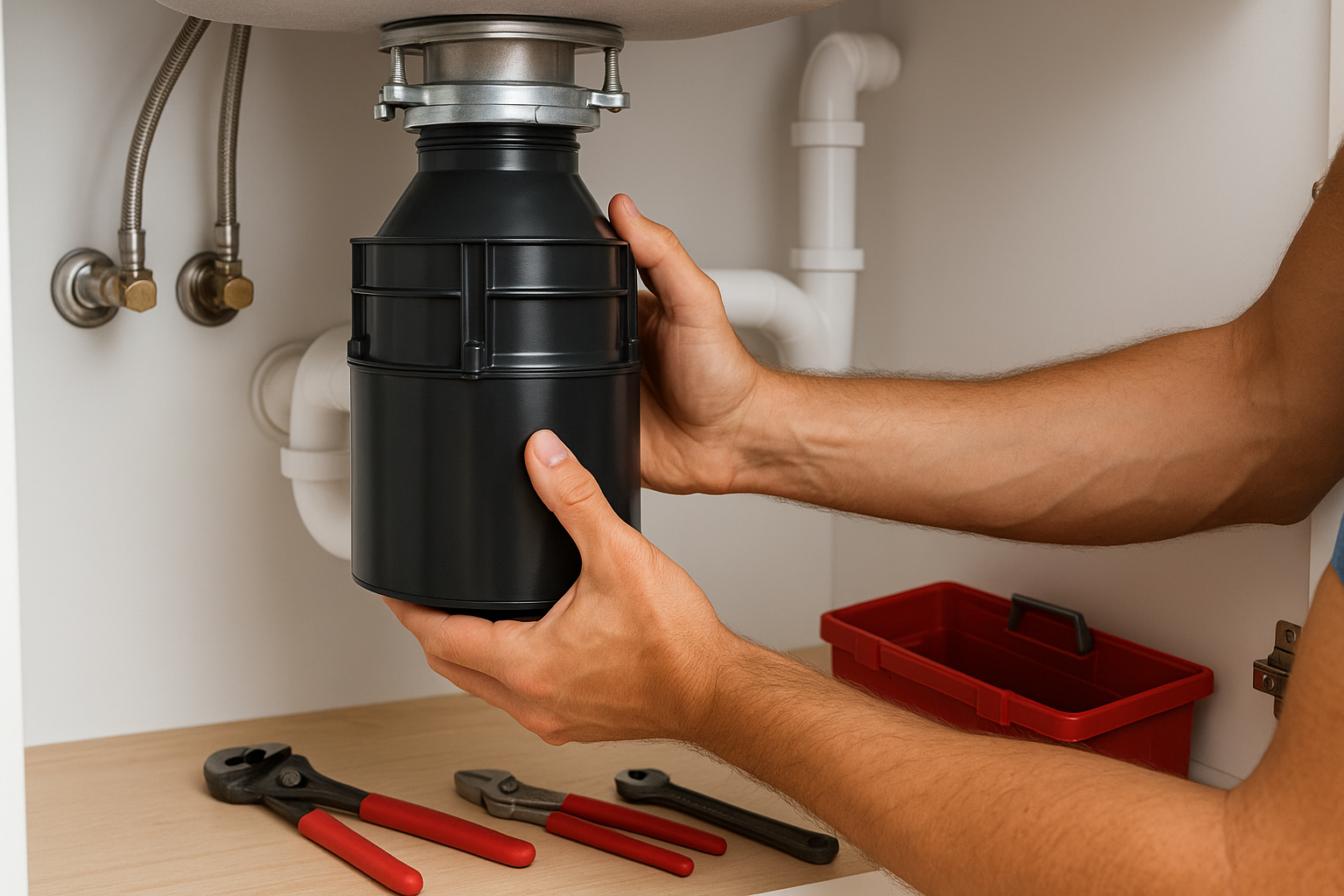
Understanding Garbage Disposal Replacement
A garbage disposal is one of those kitchen appliances you rarely think about until it stops working. When it does, it can quickly turn into an inconvenience, especially if food scraps start backing up in the sink or strange noises begin coming from under the cabinet. Garbage disposal replacement is often the best solution when repairs are no longer cost-effective or the unit has simply reached the end of its lifespan.
Replacing a garbage disposal can improve kitchen cleanliness, reduce odors, and restore convenience to your daily routine. Whether your current unit is jammed, leaking, or underperforming, knowing when and how to replace it can save you time, money, and frustration.
Signs It’s Time to Replace Your Garbage Disposal
Not every disposal issue means you need a full replacement, but there are several warning signs that point in that direction.
- Frequent clogs or jams: If the unit gets stuck often, the motor or blades may be wearing out.
- Persistent leaks: Water leaking from the body, seals, or connections can indicate serious internal damage.
- Loud or unusual noises: Grinding, rattling, or humming without proper operation may mean worn components.
- Foul odors that won’t go away: Old disposals can trap residue and become hard to clean thoroughly.
- Reset button keeps tripping: If it shuts off often, the motor may be failing.
- Age of the unit: Most disposals last around 8 to 15 years depending on use and quality.
If your disposal has one or more of these issues, replacement may be more practical than repeated repairs.
Repair or Replace: How to Decide
Sometimes a quick repair is enough, especially if the issue is minor. A reset, clearing a jam, or tightening a loose connection may solve the problem. But if the repair cost is close to the cost of a new unit, replacement usually makes more sense.
A good rule of thumb is to consider replacement when the disposal is older, requires frequent service, or has multiple problems at once. Newer models also tend to be more efficient, quieter, and better at handling food waste. In many cases, upgrading can offer better long-term value than keeping an aging unit alive with repeated fixes.
Choosing the Right Replacement Disposal
Not all garbage disposals are the same, so choosing the right one matters. The best replacement depends on your household size, how often you use it, and what kind of sink setup you have.
Horsepower
Smaller households may do well with a 1/3 or 1/2 horsepower model, while larger families or frequent cooks may prefer 3/4 horsepower or 1 horsepower for better grinding power.
Feed Type
Most modern disposals are continuous feed units, which run while you add food waste. Batch feed models operate only when a stopper is in place, offering a bit more safety.
Noise Level
If your kitchen is part of an open floor plan, a quieter model may be worth the upgrade. Many newer disposals include sound insulation to reduce noise.
Size and Compatibility
Make sure the new unit fits your current sink flange and available under-sink space. Some models are more compact than others, which can matter in tight cabinet areas.
Durability Features
Stainless steel grinding components, anti-jam technology, and overload protection are all features that can extend the life of the disposal.
What to Expect During the Replacement Process
Garbage disposal replacement is usually straightforward for a professional, but it still involves several important steps. The old unit must be disconnected from the power supply and plumbing, removed from the mounting assembly, and replaced with a compatible new model.
The installer will typically inspect the sink flange, drain lines, and electrical connection before installing the new disposal. They may also test for leaks, confirm proper operation, and ensure the drain clears smoothly.
If the existing unit is especially old or corroded, additional parts such as mounting hardware or plumbing connections may need to be updated as well. This helps ensure the new disposal works properly and reduces the risk of future leaks.
Can You Replace a Garbage Disposal Yourself?
Some homeowners with plumbing and electrical experience choose to replace a disposal themselves. If you are comfortable turning off power, disconnecting the old unit, and reinstalling the new one, it can be a manageable project.
However, there are risks. Improper wiring, poor sealing, and incorrect alignment can lead to leaks, electrical hazards, or a disposal that does not work correctly. If your setup is complicated, the old unit is seized in place, or you are unsure about any step, hiring a professional is the safer option.
Professional replacement also saves time and often includes cleanup, testing, and peace of mind that the job was done correctly.
How to Make Your New Garbage Disposal Last Longer
Once you install a new disposal, a few simple habits can help extend its lifespan.
- Run cold water before, during, and after use.
- Feed food waste slowly instead of overloading the unit.
- Avoid putting grease, bones, fibrous vegetables, and large pits down the disposal.
- Use the disposal regularly to keep parts moving smoothly.
- Clean it periodically with approved methods to reduce buildup and odor.
Good maintenance can help your new disposal work better and last longer, making the replacement a worthwhile investment.
Conclusion
Garbage disposal replacement is a practical solution when your current unit is noisy, leaking, frequently jammed, or simply too old to keep repairing. By choosing the right model and having it installed properly, you can restore convenience to your kitchen and avoid ongoing plumbing headaches. If your disposal is showing signs of failure, now may be the right time to replace it before a small issue becomes a bigger problem.