Garbage Disposal Repair: A Practical Guide to Common Problems and Fixes
A garbage disposal is one of those kitchen appliances you rarely think about until it stops working. When it jams, leaks, hums, or won’t turn on at all, daily cleanup can quickly become frustrating. The good news is that many garbage disposal issues are simple to diagnose, and some can be fixed without replacing the unit.
This guide walks through the most common garbage disposal problems, how to troubleshoot them safely, and when it makes more sense to call a professional or replace the disposal altogether.
Common Signs Your Garbage Disposal Needs Repair
Most disposal problems begin with a few clear warning signs. Paying attention early can help you avoid bigger plumbing headaches later.
- Humming but not grinding: The motor is getting power, but the blades may be jammed.
- No power: The unit does not turn on when you flip the switch.
- Frequent clogs or slow drainage: Food waste may not be breaking down properly.
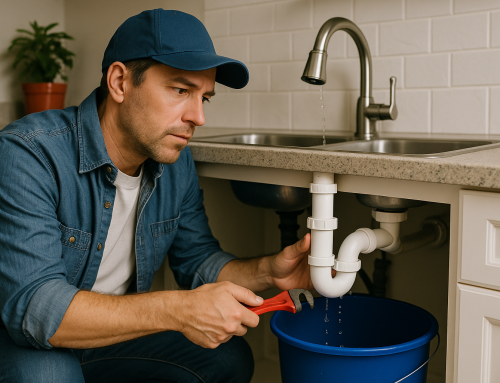
- Leaks under the sink: Water around the disposal can indicate a worn seal, loose connection, or crack.
- Bad smells that won’t go away: Built-up debris or damage inside the unit may be the cause.
- Excessive noise or vibration: Something may be loose, stuck, or worn out.
If you notice any of these symptoms, it is best to stop using the disposal until you identify the issue. Running a damaged unit can make the problem worse.
Safety First: Before You Start Any Repair
Garbage disposal repair always starts with safety. These units combine electricity, sharp components, and water, so a careful approach matters.
- Turn off the disposal switch and unplug the unit if possible.
- If it is hardwired, shut off power at the circuit breaker.
- Never place your hand inside the disposal chamber.
- Use a flashlight and tongs or pliers to remove visible debris.
- Keep the sink dry before checking electrical connections.
Taking a minute to disconnect power can prevent serious injury and make troubleshooting much easier.
How to Diagnose the Most Common Garbage Disposal Problems
1. The Disposal Hums but Does Not Grind
A humming disposal often means the motor is working, but the flywheel is jammed. This is one of the most common and fixable issues.
What to do:
- Turn off the power completely.
- Look inside with a flashlight to check for bones, silverware, glass, or other hard objects.
- Use tongs or pliers to remove the object.
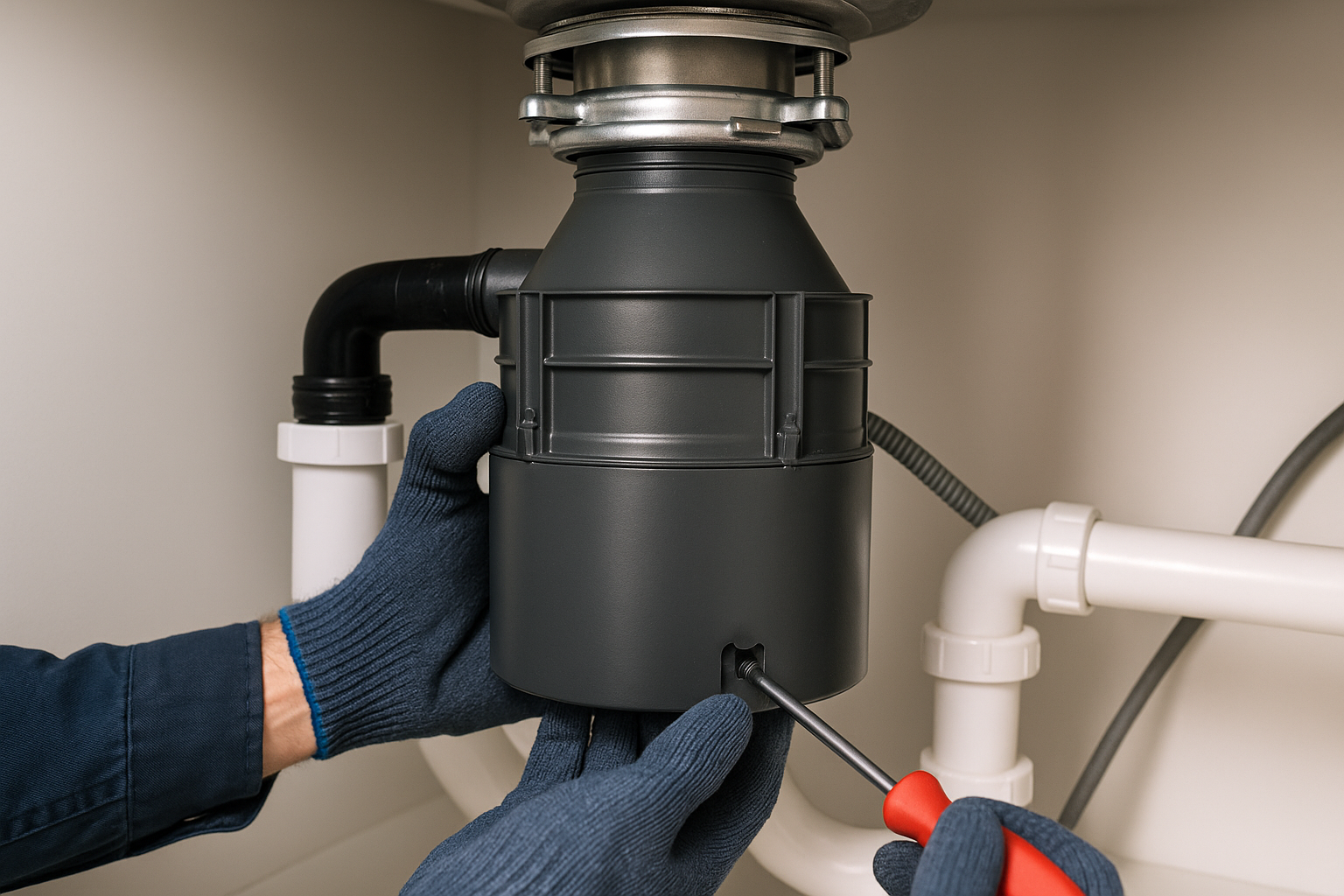
- Locate the hex key slot on the bottom of the unit and use the manufacturer’s wrench to manually rotate the motor if needed.
- Press the reset button on the bottom of the unit after clearing the jam.
If the unit still hums without grinding, the motor may be failing or the internal components may be worn.
2. The Disposal Will Not Turn On
When the disposal is completely dead, the issue may be electrical rather than mechanical.
Check the following:
- Is the unit plugged in?
- Has the circuit breaker tripped?
- Has the reset button popped out?
- Is the wall switch working?
If resetting the breaker and pressing the reset button do not help, the wiring, switch, or motor may need professional repair. Electrical problems should not be ignored or handled without proper experience.
3. The Disposal Is Leaking
Leaks can come from different places, and the repair depends on where the water is escaping.
- Top leak: Often caused by a loose sink flange or worn plumber’s putty.
- Side leak: May come from the dishwasher connection or drain line.
- Bottom leak: Usually indicates a cracked housing or failed internal seal.
Minor connection leaks may be fixed by tightening fittings or replacing a gasket. However, a leak from the bottom of the unit usually means the disposal needs replacement because the housing itself is damaged.
4. The Disposal Smells Bad
Odors are common, especially when food debris collects under the rubber splash guard or inside the grinding chamber. While not always a sign of major damage, persistent smells can indicate the unit needs a thorough cleaning or repair.
Try this first:
- Run cold water and use a disposal-safe cleaner.
- Scrub the splash guard with a brush and dish soap.
- Grind ice cubes and a small amount of citrus peel to help dislodge buildup.
- Check for food residue trapped around the drain opening.
If the odor returns quickly, there may be hidden buildup, drainage trouble, or a mechanical issue that needs attention.
5. The Disposal Is Making Loud or Unusual Noises
Grinding, rattling, or metal-on-metal sounds usually mean something is loose or stuck inside the unit. Continued use can damage the impellers or motor.
Shut the power off immediately, inspect for foreign objects, and check whether the mounting hardware is secure. If the noise continues after clearing the chamber, internal wear may be the issue.
When a Repair Makes Sense and When Replacement Is Better
Not every disposal problem is worth repairing. A simple jam, reset issue, or minor leak can often be fixed affordably. But if the unit is older, frequently clogging, or leaking from the bottom, replacement may be the smarter investment.
Consider replacement if:
- The disposal is over 8 to 10 years old.
- It needs repeated repairs.
- The motor is weak or failing.
- The housing is cracked or leaking from underneath.
- The unit struggles with normal food waste.
A new disposal often runs more quietly, grinds more efficiently, and uses improved anti-jam technology. In many cases, replacing an outdated unit can save money over time.
How to Prevent Future Garbage Disposal Problems
Good habits can extend the life of your disposal and reduce the need for repairs.
- Run cold water before, during, and after use.
- Feed waste gradually instead of overloading the chamber.
- Avoid grease, oil, and fibrous foods like celery and corn husks.
- Do not put bones, fruit pits, pasta, rice, or non-food items into the disposal.
- Clean the unit regularly to prevent buildup and odors.
Using the disposal correctly is one of the easiest ways to avoid jams and breakdowns.
When to Call a Professional
Some garbage disposal repairs are simple, but others require plumbing or electrical expertise. Call a professional if the unit is hardwired, the leak source is unclear, the motor is unresponsive, or you are uncomfortable working under the sink.
A trained technician can quickly determine whether the problem can be repaired or if replacement is the better option. That can save you time, reduce the risk of damage, and ensure the repair is done safely.
Conclusion
Garbage disposal repair does not always have to be complicated. By identifying the symptom, checking for simple causes, and knowing when to replace the unit, you can handle many common issues with confidence. With proper care and timely repairs, your disposal can keep your kitchen running smoothly for years to come.