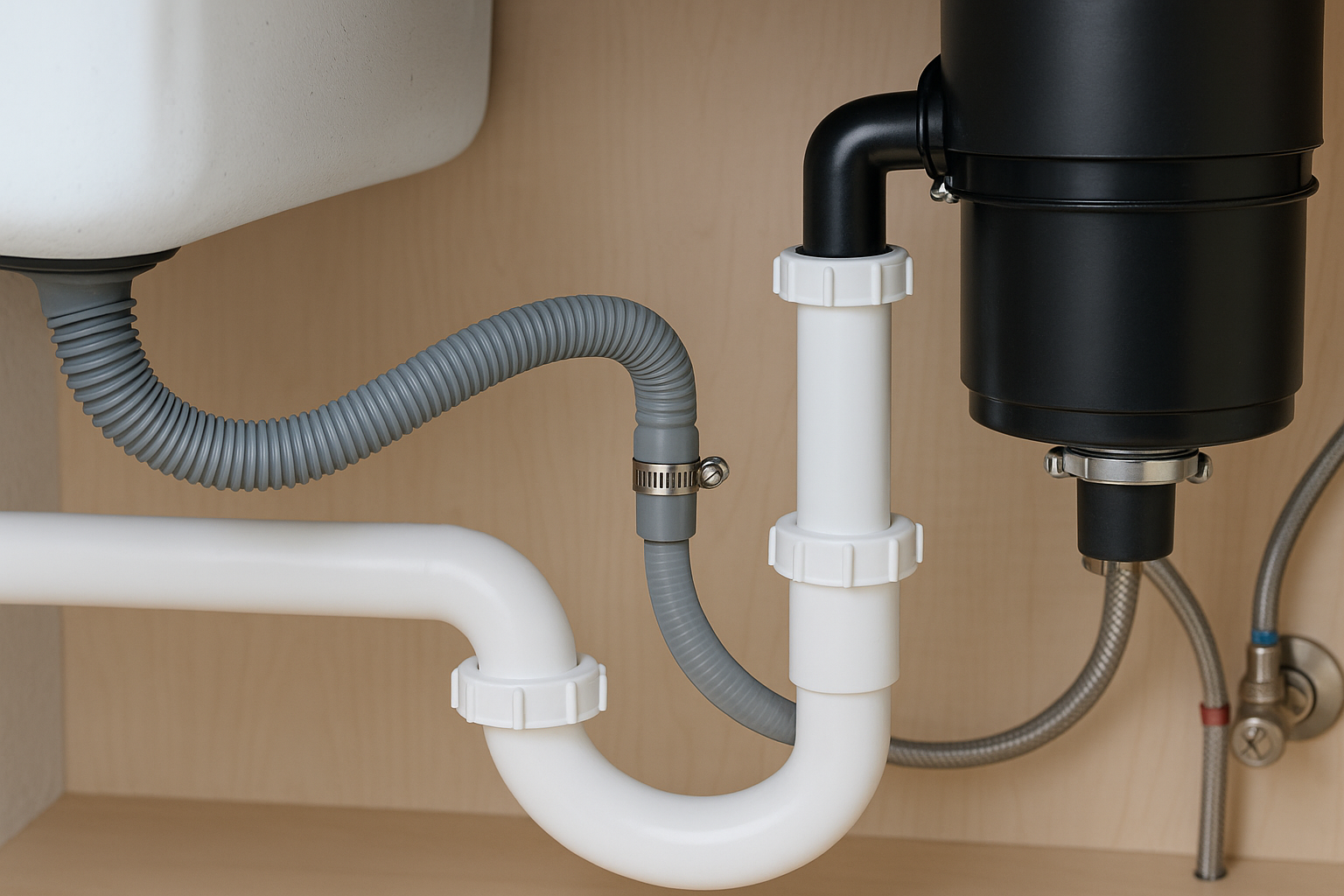
Dishwasher Drain Connection: What It Is and Why It Matters
A dishwasher drain connection is the path your appliance uses to send dirty wastewater out of the machine and into your home’s plumbing system. It may seem like a small part of the installation, but it plays a major role in how well your dishwasher performs. A proper connection helps prevent leaks, bad odors, clogs, and wastewater from flowing back into the appliance.
If the drain setup is incorrect, even a high-quality dishwasher can leave dishes dirty or water sitting in the bottom after a cycle. Understanding how the connection works can help you install it correctly, spot issues early, and keep your kitchen running smoothly.
How a Dishwasher Drain Connection Works
Most dishwashers use a flexible drain hose to carry water from the appliance to either the sink drain, garbage disposal, or a dedicated drain line. During the wash and rinse cycles, the dishwasher pump pushes wastewater through this hose and out of the machine.
In many homes, the drain hose connects to one of three common setups:
- Air gap fitting: A small fixture mounted on the countertop or sink that prevents backflow.
- Garbage disposal inlet: A side port on the disposal unit designed for dishwasher drainage.
- Sink drain tailpiece: A fitting under the sink where the dishwasher hose attaches, usually with a high loop to prevent backflow.
No matter which setup is used, the goal is the same: allow wastewater to exit efficiently while keeping dirty water from returning to the dishwasher.
Key Parts of the Drain Connection
Before installing or checking a dishwasher drain line, it helps to know the main components involved.
Drain Hose
The drain hose is usually a corrugated, flexible tube that carries wastewater out of the dishwasher. It must be routed carefully to avoid kinks, pinches, or low spots where water can collect.
Hose Clamp
A hose clamp secures the drain hose to the fitting or inlet. A loose clamp can cause leaks, while an over-tightened clamp may damage the hose.
Air Gap or High Loop
An air gap or high loop helps prevent dirty sink water from flowing back into the dishwasher. This is one of the most important parts of a safe installation.
Drain Fitting
This is the point where the hose connects to the plumbing system, such as the garbage disposal or sink tailpiece. It must be sealed properly to avoid leaks.
How to Install a Dishwasher Drain Connection
While exact steps vary by model and plumbing setup, the general installation process is similar in most homes.
- Turn off power and water. Safety first. Disconnect the dishwasher from power before beginning any installation work.
- Choose the drain path. Decide whether the hose will connect to an air gap, disposal, or sink drain.
- Check for a knockout plug. If connecting to a garbage disposal, remove the knockout plug from the disposal inlet before attaching the hose.
- Route the hose properly. Make sure the hose rises high under the sink or connects through an air gap to prevent backflow.
- Secure the connection. Use a clamp to fasten the hose tightly to the fitting.
- Test for leaks. Run a short cycle and check all connections for dripping or pooling water.
It’s always a good idea to follow the manufacturer’s instructions for your dishwasher, since some brands have specific installation requirements.
Common Dishwasher Drain Connection Problems
Drain issues are among the most common dishwasher complaints. Fortunately, many of them are simple to diagnose.
Clogs in the Hose or Filter
Food particles, grease, and soap buildup can block the drain hose or dishwasher filter. If water remains in the bottom of the tub after a cycle, a clog may be the cause.
Improper Hose Routing
If the hose is installed too low, wastewater can flow back into the dishwasher. A missing high loop or air gap often leads to drainage problems and foul smells.
Loose or Damaged Connections
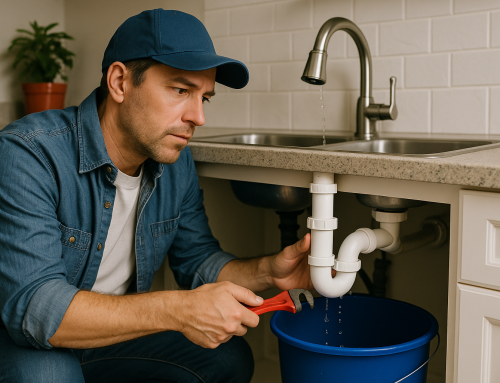
A loose clamp, cracked hose, or poor seal at the drain fitting can cause leaks under the sink. Even a small drip can damage cabinets over time.
Garbage Disposal Blockage
If the dishwasher drains into a garbage disposal, a clog inside the disposal can prevent wastewater from draining properly. Sometimes the issue is simply a full or jammed disposal.
Blocked Air Gap
Homes with an air gap may experience drainage problems if the cap or internal passage becomes clogged. In some cases, water may spray from the air gap onto the sink deck.
Signs Your Dishwasher Drain Connection Needs Attention
You may need to inspect the drain connection if you notice any of these warning signs:
- Water left in the bottom of the dishwasher after a cycle
- Slow draining or incomplete draining
- Bad odors coming from the appliance or sink area
- Water leaking under the sink
- Gurgling sounds during draining
- Dirty water backing up into the dishwasher
These symptoms often point to a problem in the drain path rather than the dishwasher itself.
Maintenance Tips for a Reliable Drain Connection
Regular maintenance helps keep the dishwasher drain connection working properly. A few simple habits can prevent major issues later.
- Clean the dishwasher filter regularly. This reduces debris entering the drain hose.
- Inspect the hose for kinks or wear. Replace damaged hoses before they fail.
- Run the garbage disposal before starting the dishwasher. This helps clear the drain line.
- Check the air gap, if installed. Remove buildup that could restrict flow.
- Watch for leaks under the sink. Catching a small problem early can prevent cabinet damage.
These small steps can extend the life of your appliance and improve drainage performance.
When to Call a Professional
Some dishwasher drain connection problems are easy for homeowners to fix, but others may require professional help. Call a plumber or appliance technician if you find repeated leaks, persistent backups, damaged plumbing, or electrical concerns near the dishwasher.
Professional help is also a smart choice if you’re unsure whether your home uses the correct drain setup or if local plumbing codes require an air gap or other specific protection.
Conclusion
A well-installed dishwasher drain connection is essential for clean results, leak prevention, and long-term appliance performance. By understanding the hose path, connection points, and common trouble signs, you can keep your dishwasher draining properly and avoid costly repairs. With a little care and routine maintenance, this small plumbing detail can make a big difference in your kitchen.