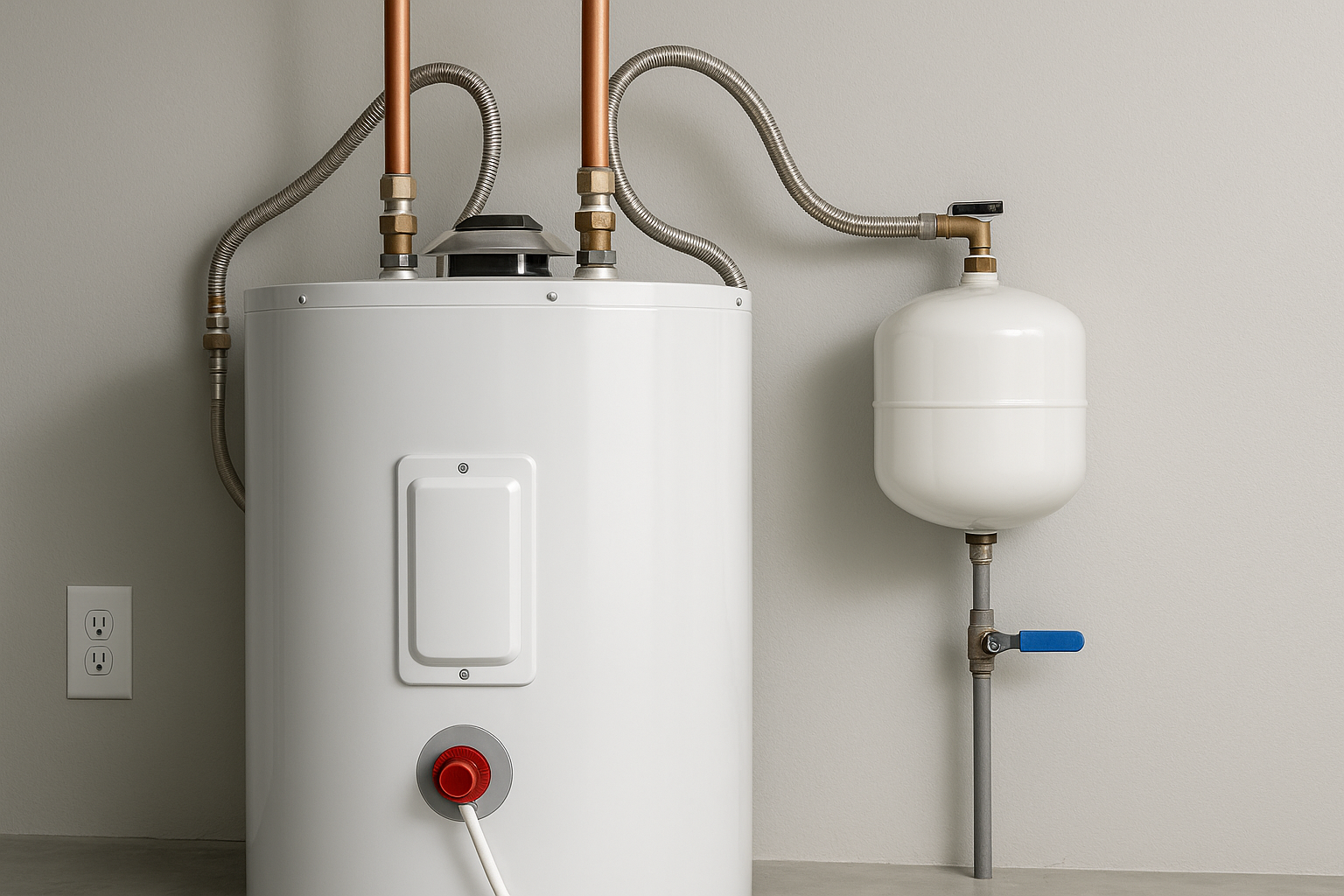
Water Heater Replacement: Signs, Costs, and What to Expect
A reliable water heater is one of those home systems you rarely think about until it stops working. Whether your showers are turning lukewarm, your utility bills are creeping up, or your tank is showing its age, water heater replacement can become a necessary project sooner than expected. Knowing the warning signs, replacement options, and what the process involves can help you make a smart decision with less stress.
When to Replace a Water Heater
Most traditional tank water heaters last about 8 to 12 years, while tankless models can last longer with proper maintenance. Age is one of the biggest factors in deciding whether repair or replacement makes more sense. If your unit is nearing the end of its lifespan, frequent repairs may only delay the inevitable.
Common Warning Signs
- Inconsistent or insufficient hot water
- Rust-colored water coming from hot taps
- Strange popping, rumbling, or banging noises
- Leaks or moisture around the base of the tank
- Rising energy bills without a change in usage
- Hot water taking much longer to recover after use
If you notice more than one of these issues, replacement may be more cost-effective than continued repairs. A failing tank can also create water damage, so it is wise to act before a small problem becomes a major emergency.
Choosing the Right Replacement Water Heater
Not all water heaters are the same, and the best choice depends on your household size, energy goals, budget, and available space. The two most common options are traditional tank water heaters and tankless models.
Tank Water Heaters
Tank water heaters store and heat a set amount of water, typically ranging from 30 to 80 gallons. They usually have a lower upfront cost and are simple to replace if you are sticking with a similar unit. For many homes, this remains the most practical option.
Tankless Water Heaters
Tankless systems heat water on demand rather than storing it. They often cost more initially, but they can offer greater energy efficiency, take up less space, and provide a nearly endless hot water supply. They are a strong choice for homeowners planning to stay in their home long term.
Fuel Type Matters
Water heaters may run on natural gas, propane, electricity, or in some cases solar power. If you are replacing an old unit, it is often easiest to stick with the same fuel source. However, switching types can make sense if you want to lower utility costs or improve performance.
What Affects Water Heater Replacement Cost
The cost of water heater replacement varies based on the type of unit, size, fuel source, labor rates, and whether any plumbing or electrical upgrades are needed. A standard tank replacement is generally less expensive than installing a tankless system, but final pricing depends on your home’s setup.
Key Cost Factors
- Unit type: Tank models usually cost less than tankless systems
- Capacity: Larger tanks and higher-demand systems cost more
- Installation complexity: Tight spaces or code updates can increase labor
- Permits: Some areas require permits or inspections
- Old unit removal: Disposal of the old heater may add to the bill
Although price matters, choosing the cheapest option is not always the best move. A properly sized, efficient water heater can save money over time through lower energy use and fewer repairs.
What to Expect During Replacement
Replacing a water heater is usually a straightforward process for a professional, but it helps to know the general steps. Most installations can be completed in a few hours, though more complex replacements may take longer.
Typical Replacement Steps
- The old unit is shut off and drained.
- Connections for water, gas, or electricity are disconnected.
- The old heater is removed and hauled away.
- The new unit is positioned and connected.
- The system is tested for leaks, proper ignition, or electrical operation.
- Temperature settings and safety features are checked before completion.
If your home needs updated venting, new shutoff valves, or electrical work, the process may take longer. A professional installation also helps ensure the unit meets local codes and manufacturer requirements.
Should You Repair or Replace?
Deciding between repair and replacement often comes down to age, cost, and the severity of the issue. If your water heater is still relatively new and the repair is minor, fixing it may be the right choice. But if the unit is old, leaking, or has needed repeated service, replacement is often the smarter investment.
A useful rule of thumb is to consider replacement when repair costs approach half the price of a new unit. That is especially true if the heater is already nearing the end of its expected lifespan. Newer systems may also provide better efficiency and peace of mind, which adds value beyond the initial purchase.
How to Make Your New Water Heater Last Longer
Once you replace your water heater, routine maintenance can help extend its lifespan and keep it running efficiently. Flushing sediment from tank systems, checking the anode rod, inspecting for leaks, and testing the temperature and pressure relief valve are all important tasks.
It is also smart to set the temperature to a safe and efficient level, usually around 120 degrees Fahrenheit for many households. Regular maintenance not only protects your investment but can also help reduce energy costs and prevent unexpected breakdowns.
Conclusion
Water heater replacement does not have to be overwhelming. By recognizing the warning signs early, comparing your options, and understanding the costs involved, you can choose a system that fits your home and budget. With the right replacement and regular maintenance, you can enjoy dependable hot water for years to come.