Water Heater Repair: What Homeowners Should Know
A reliable water heater is one of those home essentials you rarely think about until something goes wrong. When your showers turn lukewarm, your tank starts making strange noises, or you notice water pooling near the unit, it’s time to pay attention. Water heater repair can sometimes be a simple fix, but other problems require professional service to protect your home and restore hot water safely.
Understanding the warning signs, common causes, and repair options can help you act quickly and avoid bigger issues. Whether you have a traditional tank-style unit or a tankless system, early troubleshooting can save money, reduce frustration, and extend the life of your equipment.
Common Signs You Need Water Heater Repair
Water heaters often give warning signs before they fail completely. Knowing what to look for can help you catch problems early.
1. No Hot Water or Inconsistent Temperature
If your water heater stops producing hot water or the temperature fluctuates from hot to cold, the issue could be related to the thermostat, heating elements, gas control valve, or sediment buildup. This is one of the clearest signs that repair is needed.
2. Strange Noises
Popping, rumbling, or banging noises usually point to sediment accumulation inside the tank. As water heats, trapped sediment can harden and make the unit work harder. Over time, this can reduce efficiency and damage the tank.
3. Rusty or Discolored Water
Brown, rusty, or cloudy water coming from your hot water taps may indicate corrosion inside the tank or deteriorating pipes. In some cases, the anode rod may need replacement. If the tank itself is corroding, replacement may be the safer option.
4. Leaks Around the Unit
Any water around the base of the heater should be taken seriously. Leaks can come from loose connections, a faulty temperature and pressure relief valve, or a crack in the tank. Even a small leak can cause water damage and lead to mold growth if ignored.
5. Low Hot Water Pressure
If hot water pressure is weaker than usual, mineral deposits may be clogging the system. Sediment can build up in the tank or in connected pipes, affecting flow and performance.
Common Causes of Water Heater Problems
Water heater issues can stem from a variety of causes. Identifying the source is the first step toward an effective repair.
Sediment Buildup
Minerals in water settle at the bottom of the tank over time, especially in areas with hard water. This buildup reduces efficiency, increases noise, and can shorten the life of the unit.
Faulty Heating Elements or Burners
Electric water heaters rely on heating elements, while gas units use burners. If either component fails, the water won’t heat properly. These parts can wear out with age or become damaged from overheating or debris.
Thermostat Issues
A malfunctioning thermostat may prevent the water heater from reaching the desired temperature or cause it to overheat. This can affect comfort and create safety concerns.
Corrosion and Aging Parts
Like any appliance, water heaters wear down over time. Internal corrosion, failing valves, and aging seals are common in older systems. If your unit is more than 8 to 12 years old, repair needs may become more frequent.
Improper Installation or Maintenance
Incorrect installation, loose fittings, and skipped maintenance can all lead to recurring problems. Regular flushing, inspections, and timely part replacement help prevent many common repairs.
DIY Troubleshooting Before Calling for Repair
Some minor water heater issues can be checked safely before scheduling service. These steps won’t fix every problem, but they can help you narrow down the cause.
Check the Power or Gas Supply
For electric units, make sure the breaker hasn’t tripped. For gas systems, confirm that the pilot light is on and the gas supply is active. If you smell gas, leave the area and contact a professional immediately.
Inspect the Temperature Setting
The thermostat may simply be set too low. Most manufacturers recommend a temperature of around 120°F for comfort and safety. Avoid setting it too high, as this increases the risk of scalding.
Look for Visible Leaks
Check the area around the tank, valves, and connections. Tightening a loose fitting may help with minor drips, but any major leak or sign of tank damage should be handled by a professional.
Flush the Tank If Appropriate
If sediment buildup is suspected, flushing the tank may improve performance. However, if you are unsure how to do this safely, it’s best to leave the task to a qualified technician.
When Water Heater Repair Is Not Enough
Sometimes repair is only a temporary solution. In certain situations, replacement may be the smarter long-term choice.
Consider replacing your water heater if the tank is leaking, the unit is nearing the end of its lifespan, or repair costs are approaching the price of a new system. Frequent breakdowns can quickly become more expensive than installing a new, energy-efficient model.
Another reason to consider replacement is performance. If your current unit can’t keep up with household demand, upgrading to a larger tank or a tankless system may improve comfort and efficiency.
How a Professional Handles Water Heater Repair
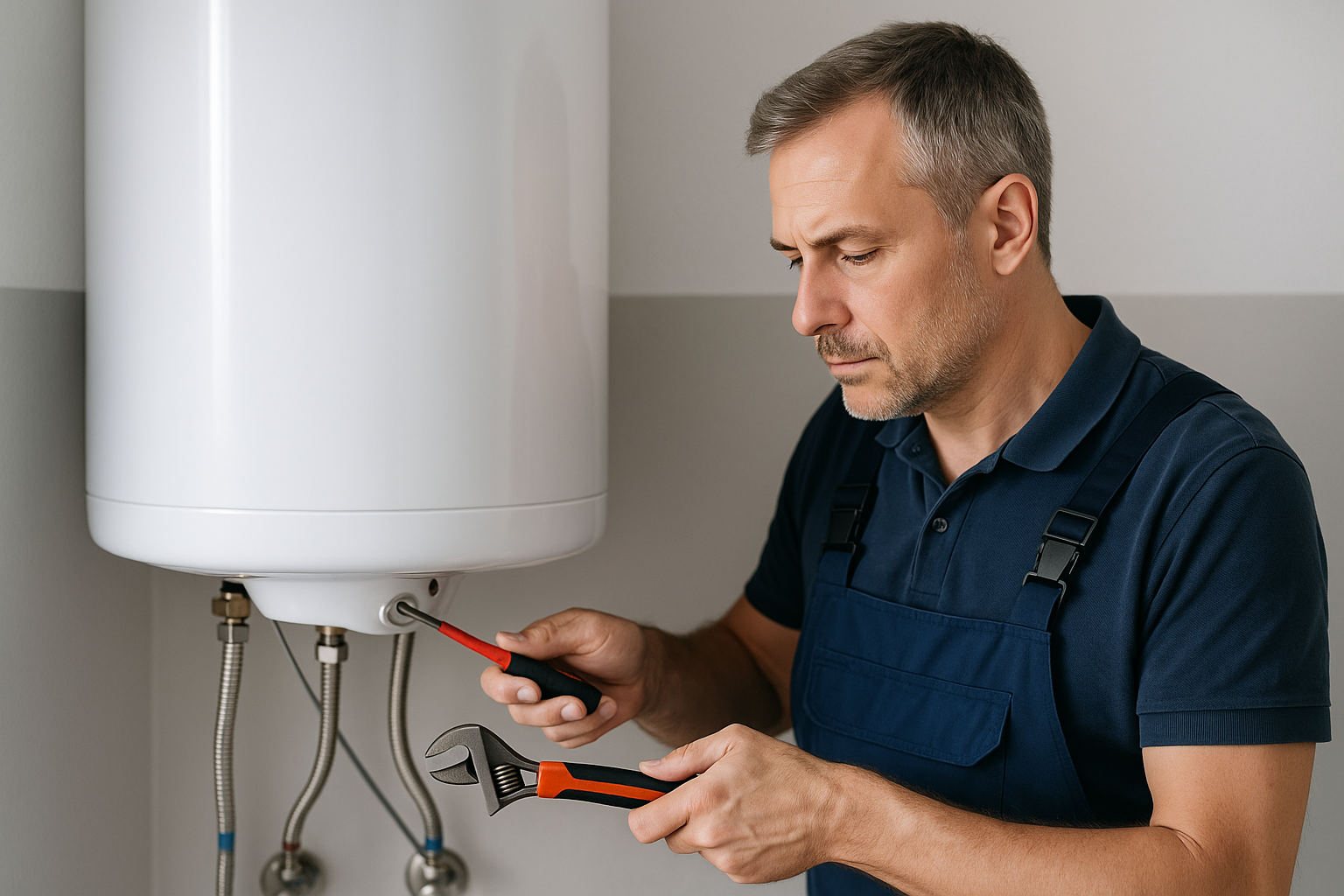
A licensed technician can diagnose problems accurately and complete repairs safely. During a service visit, the technician will typically inspect the unit, test components, check for leaks, and determine whether repair or replacement is the best option.
Professional water heater repair may include replacing heating elements, thermostats, gas valves, pressure relief valves, anode rods, or other worn parts. A technician can also flush the tank, adjust settings, and identify hidden issues that might not be obvious at first glance.
Hiring a professional is especially important for gas water heaters, electrical components, and tank leaks. These repairs involve safety risks that are best handled by someone with the right training and tools.
How to Prevent Future Water Heater Issues
Routine maintenance can go a long way toward reducing repair needs and extending the life of your unit.
- Flush the tank once a year to reduce sediment buildup.
- Inspect the anode rod periodically and replace it when needed.
- Test the temperature and pressure relief valve for proper function.
- Check for leaks, rust, or unusual noises.
- Schedule annual professional maintenance for a thorough inspection.
These simple steps can improve efficiency, protect your home, and help you avoid unexpected cold showers.
Conclusion
Water heater repair doesn’t have to be stressful when you know what signs to watch for and when to call for help. From noisy tanks and rusty water to leaks and temperature problems, early action can prevent bigger damage and more expensive repairs. If your water heater is showing signs of trouble, a professional inspection is often the fastest way to restore reliable hot water and peace of mind.