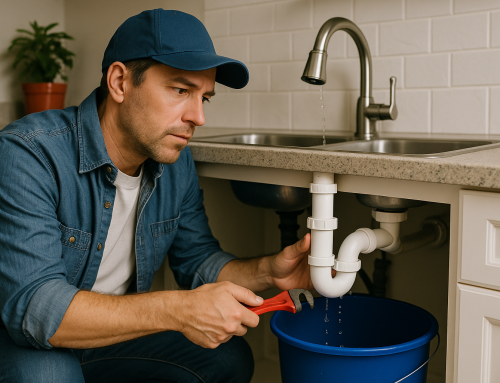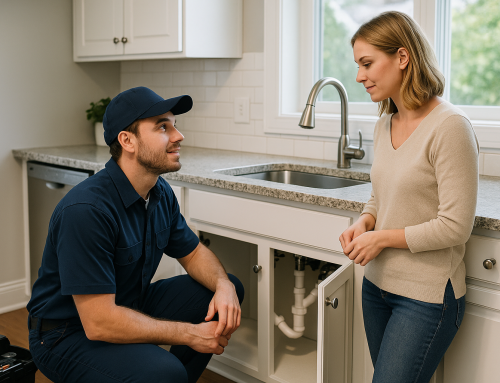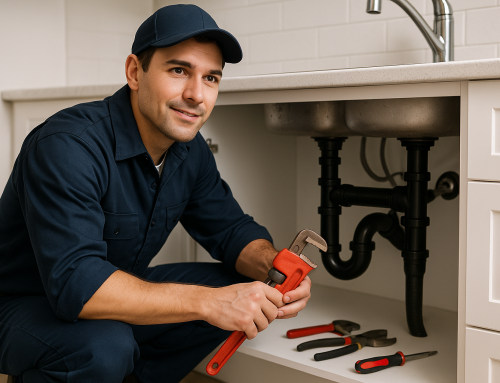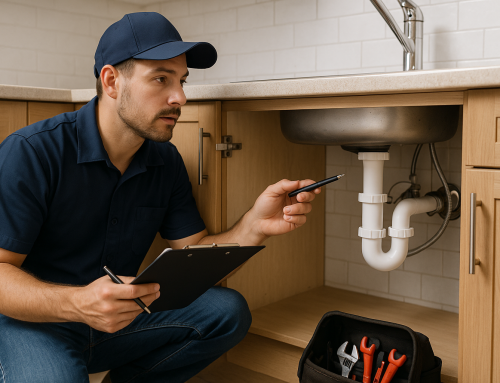
Plumbing problems rarely arrive at convenient times. A clogged drain, a leaking pipe, or a malfunctioning water heater can quickly disrupt your home or business—and when the fix isn’t done correctly, the issue often returns. Hiring a professional plumber is the best way to protect your property, ensure safety, and get lasting results. This guide explains what a professional plumber does, the services you can expect, and how to choose the right one for your needs.
Why Hiring a Professional Plumber Matters
Professional plumbing is more than “making it stop leaking.” Licensed plumbers have the training, tools, and experience to identify the true cause of the problem, not just treat the symptoms. That matters because many plumbing failures—like recurring clogs, pressure fluctuations, or slow drains—originate from deeper issues within your system.
Safety and code compliance
Plumbing work often involves water lines, gas connections, electrical components (for tankless units and pumps), and waste systems. A professional plumber follows local codes and safety standards, reducing risks such as contaminated water, sewer gas exposure, water damage, or unsafe installations.
Better diagnostics, fewer repeat problems
Some repairs look straightforward but require proper diagnosis. For example, a drain that “keeps clogging” might be caused by tree roots, a damaged sewer line, incorrect slope, or buildup in a specific section. Professionals use inspection tools—such as drain cameras and pressure testing—to pinpoint the root issue and recommend the right solution.
Quality workmanship and long-term value
Reliable plumbing installs and repairs reduce the likelihood of future leaks and breakdowns. With the right parts, correct procedures, and thorough testing, you can often avoid the cycle of frequent DIY fixes and expensive emergency calls.
Common Services Offered by Professional Plumbers
Most professional plumbers offer a broad range of residential and commercial services. Here are some of the most common categories:
Drain cleaning and clog removal
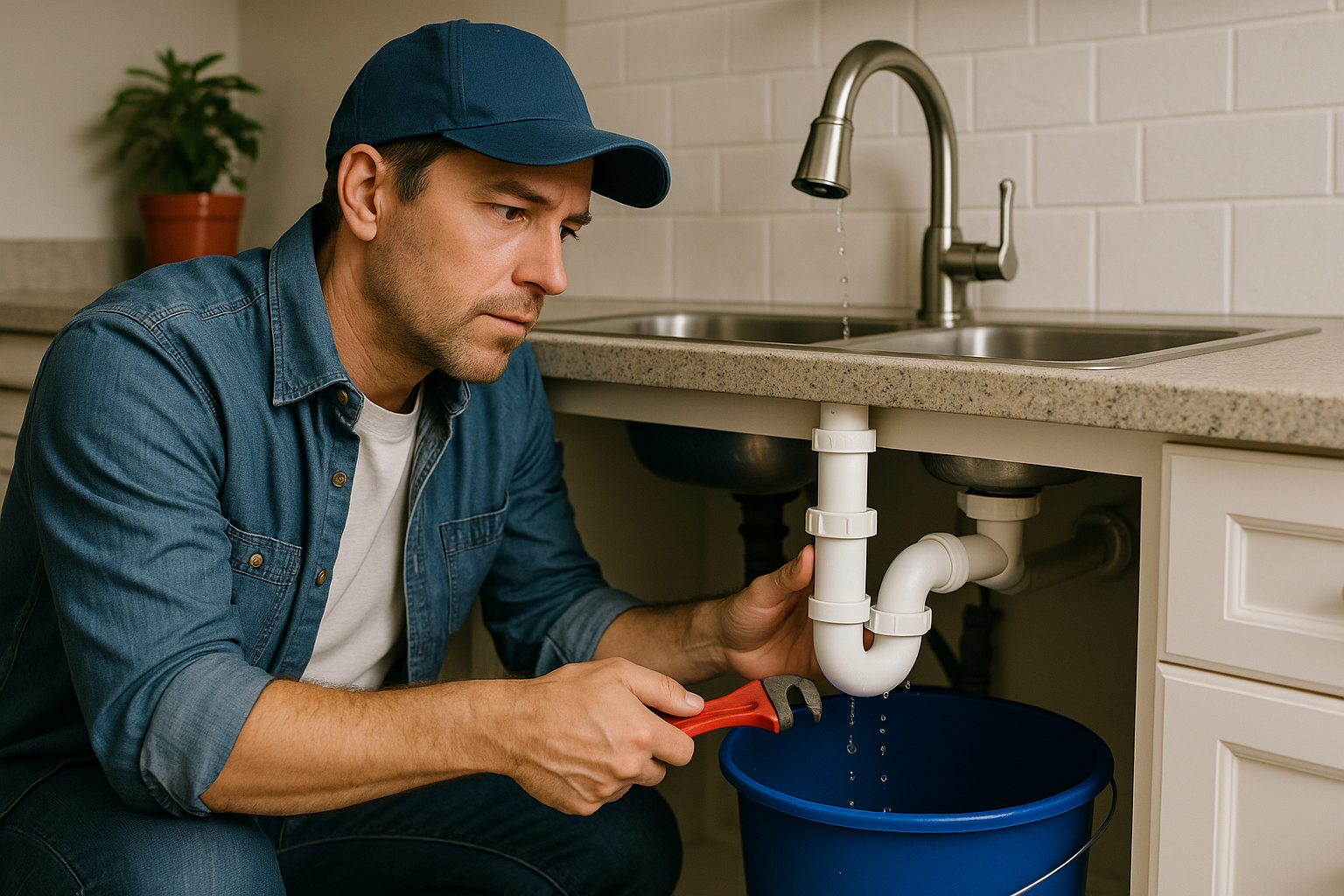
From slow drains to complete blockages, a plumber can clear clogs safely using targeted methods—like hydro jetting, augers, or specialized drain equipment—while helping prevent recurring issues.
Leak detection and pipe repair
Leaks can be visible or hidden behind walls, under floors, or within ceilings. Professionals may use moisture detection, pressure tests, and thermal imaging to locate leaks accurately and repair or replace pipes as needed.
Water heater installation and repair
Whether you have a traditional tank system or a tankless unit, a professional plumber can handle:
- Installation and replacement
- Temperature and pressure issues
- Flushing to improve efficiency
- Thermostat or heating element repairs
Toilet repair and installation
Running toilets, weak flushes, and leaks around the base are common plumbing issues. A pro can adjust, replace worn components, install new toilets, and ensure correct fittings and water supply connections.
Faucet, shower, and fixture repair
Leaky faucets and low water pressure can waste water and increase utility bills. A professional plumber can replace cartridges, seals, supply lines, and fittings to restore performance and reduce drips.
Sewer line and main line services
For serious backups or persistent drainage problems, sewer line work may be required. Professional plumbers can evaluate the system, recommend trenchless or traditional solutions, and verify the repair after completion.
What to Expect During a Professional Plumbing Visit
Knowing what a professional plumber does during a service call helps you feel confident from start to finish.
Thorough assessment
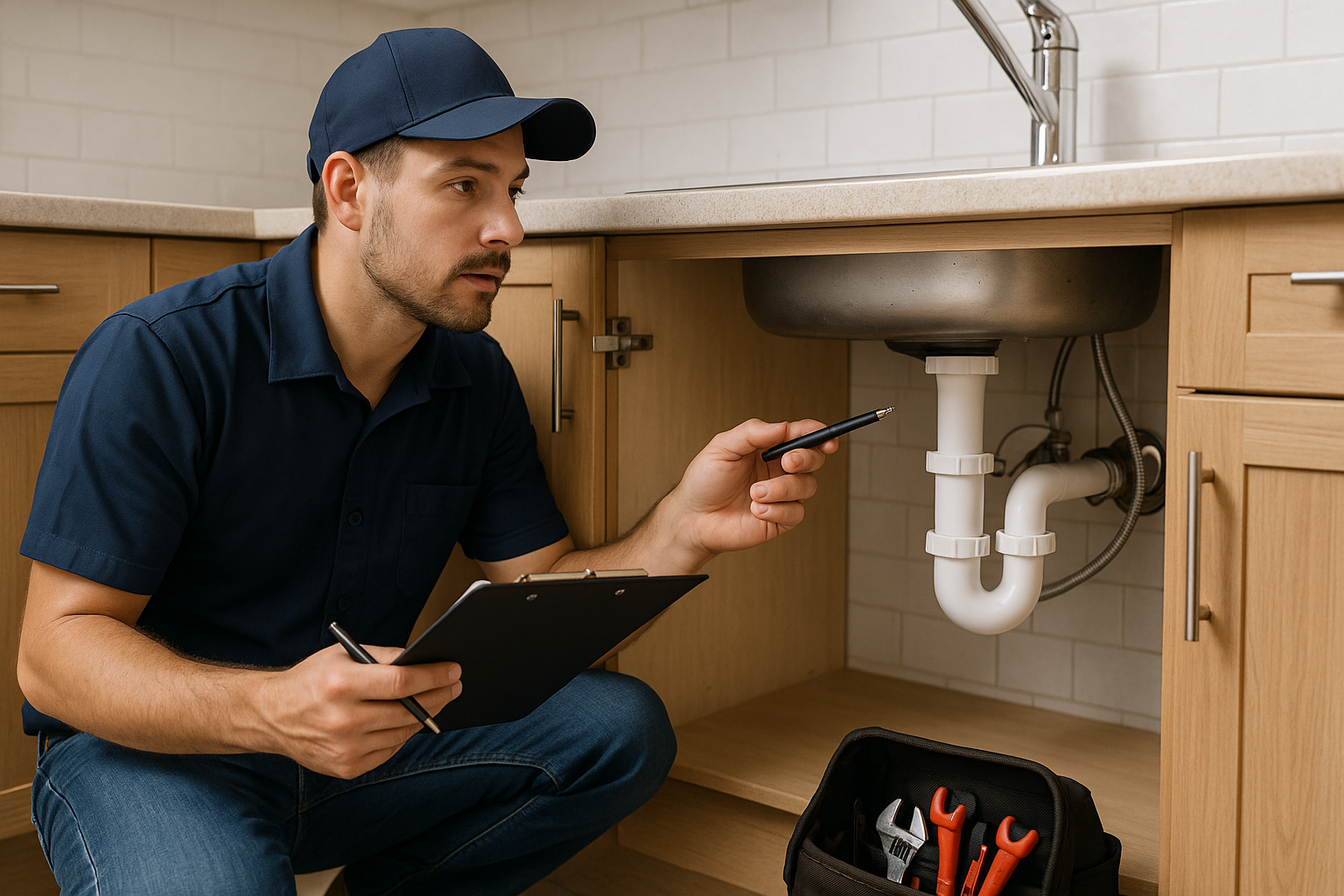
A professional will ask questions about when the issue started, what changed beforehand, and whether it affects multiple fixtures or only one area. Then they inspect the plumbing system and may use diagnostic tools to locate the issue precisely.
Clear explanation and upfront pricing
Reputable plumbers explain what they found, why it’s happening, and the best repair options. You should receive transparent pricing information before work begins, including labor and parts where applicable.
Quality repair and testing
After installing parts or performing repairs, professionals test the system—such as checking for leaks, verifying water pressure, and confirming that drains flow correctly. This step is critical for ensuring the problem is fully solved.
Clean-up and guidance
Professional service includes clean-up and proper disposal of materials. Many plumbers also offer maintenance tips to reduce the chance of future problems.
How to Choose the Right Professional Plumber
Not all plumbing companies are the same. Here are the key factors to consider:
Licensing, insurance, and experience
Look for a plumber or plumbing company that is licensed (where required), carries insurance, and has experience with the specific issue you’re facing—whether it’s drain cleaning, water heater repair, or sewer line replacement.
Reputation and reviews
Check online reviews and ask for references if needed. Pay attention to comments about communication, punctuality, professionalism, and whether the job was completed correctly the first time.
Warranties on parts and labor
A solid warranty is a strong indicator of confidence in workmanship. Ask what the warranty covers and how long it lasts.
Communication and professionalism
The best plumbers explain options in plain language, answer questions, and avoid pressure tactics. They should also respect your property by protecting floors and keeping the work area tidy.
Availability for emergencies
Some plumbing issues—like major leaks, overflowing toilets, or water heater failures—require immediate attention. Choose a company that offers timely service and can respond when urgent problems occur.
Preventing Plumbing Problems with Simple Maintenance
You can reduce the likelihood of expensive repairs by practicing a few routine habits:
- Avoid harsh drain disposal habits: Don’t pour grease, coffee grounds, or chemicals down drains.
- Use strainers in sinks and tubs to catch hair and debris.
- Check for leaks regularly by monitoring water usage and inspecting visible pipes.
- Flush your water heater as recommended to maintain efficiency.
- Watch water pressure: Extremely high or low pressure can damage fixtures and pipes.
- Schedule routine inspections for older systems or frequent drain backups.
When you do notice early warning signs—slow drains, recurring clogs, damp spots, or unusual noises—addressing them quickly is often far less costly than waiting until the problem worsens.
Conclusion
A professional plumber delivers more than a quick fix: they provide accurate diagnosis, safe repairs, quality workmanship, and long-term protection for your plumbing system. By choosing a licensed, reputable plumber and staying proactive with basic maintenance, you can avoid repeat issues and enjoy reliable water flow throughout your home or business.