Why an Annual Plumbing Inspection Matters
Your plumbing system works quietly in the background—until it doesn’t. Small leaks, aging pipes, slow drains, or failing fixtures often start as minor annoyances and can quickly escalate into water damage, higher utility bills, or costly repairs. An annual plumbing inspection helps you catch problems early, keep everything operating efficiently, and extend the life of your plumbing.
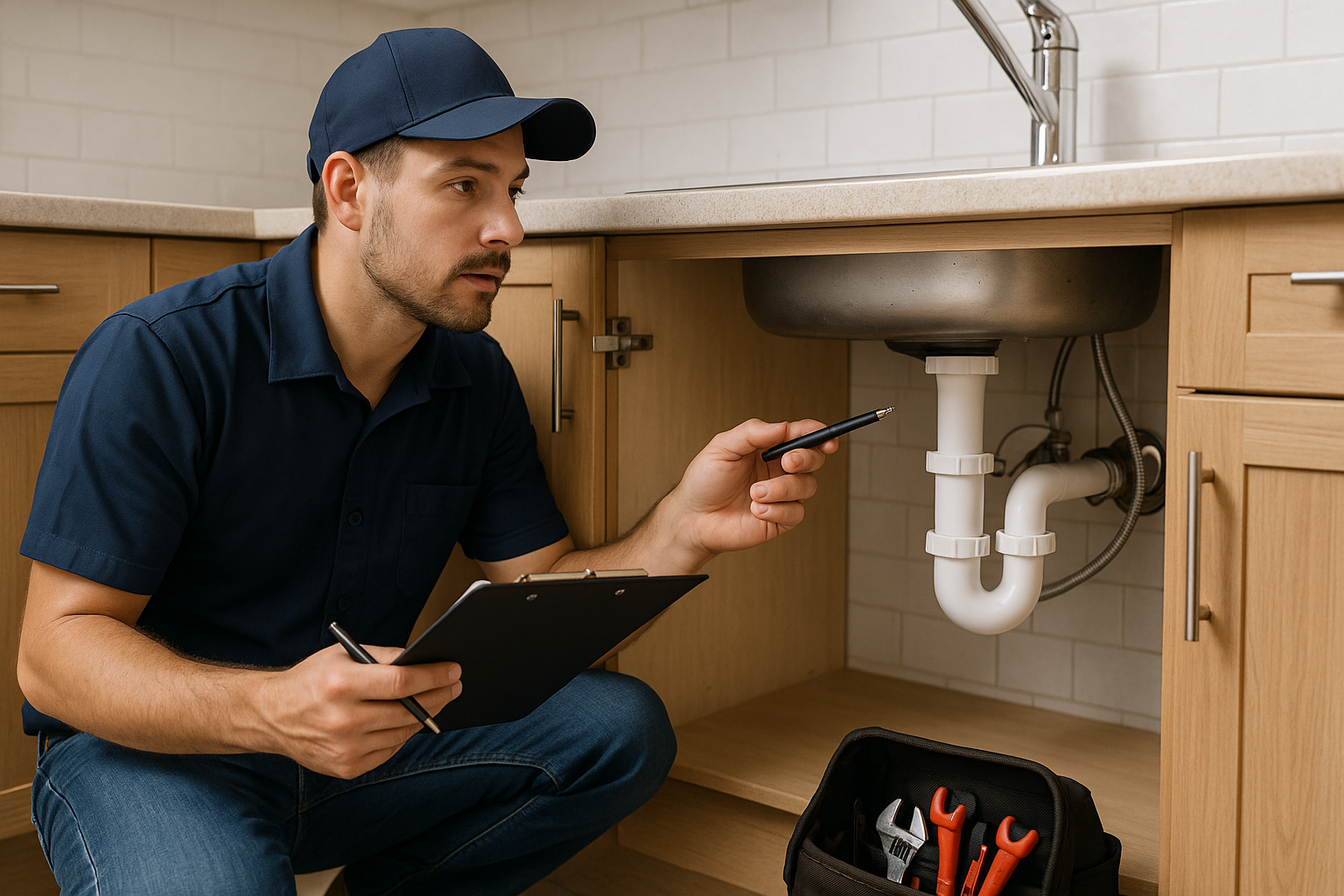
Think of it like a checkup for your home. Even if everything seems fine, a professional inspection can identify hidden issues behind walls, under floors, and within the main system before they become emergencies.
What a Professional Annual Inspection Typically Includes
While every home and plumbing system is unique, most annual inspections follow a similar structure. Here’s what you can generally expect.
1) Leak Detection and Water Pressure Checks
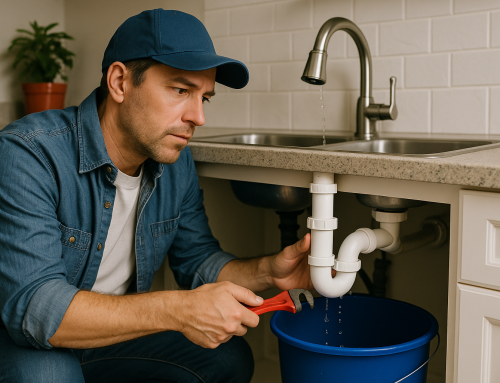
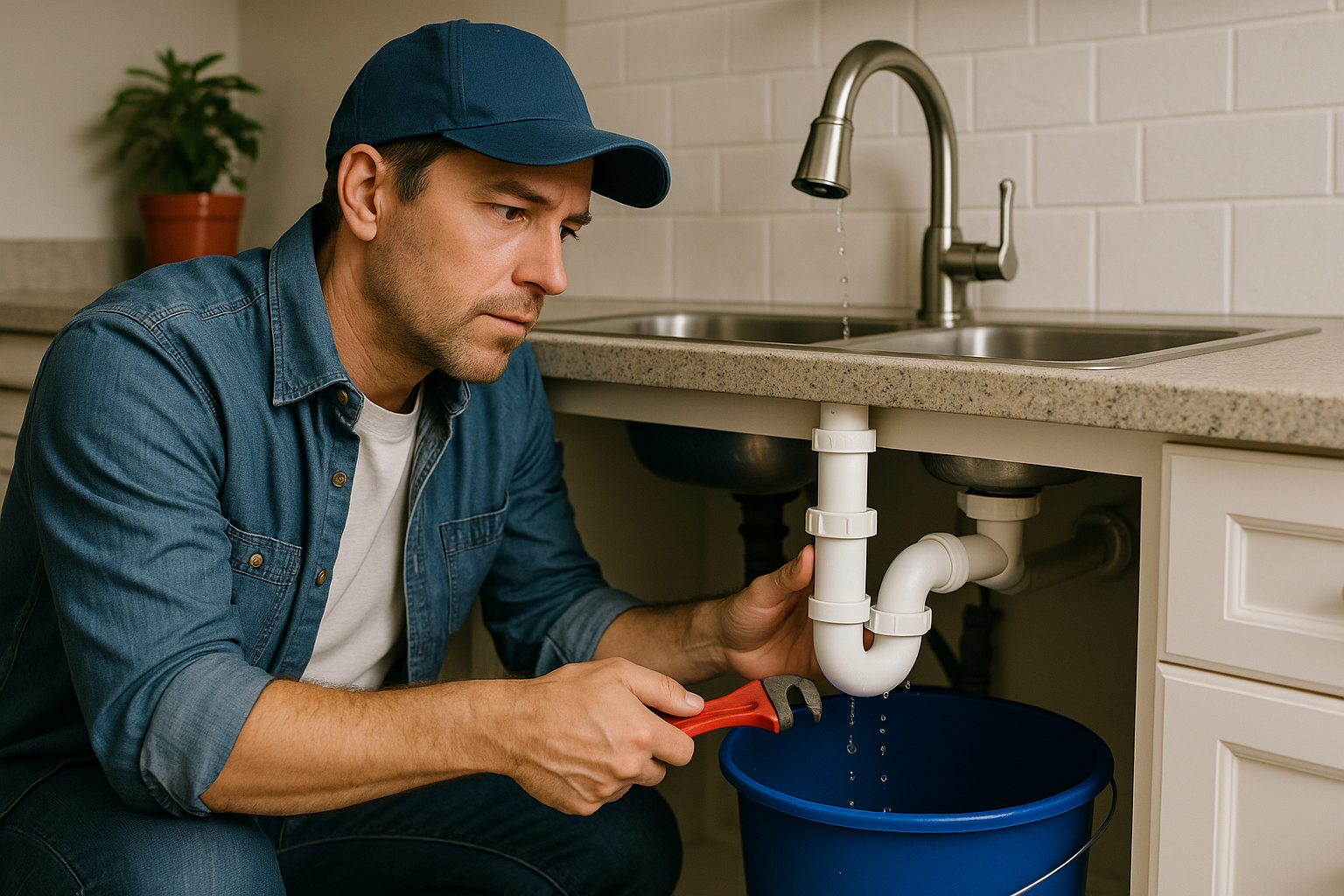
One of the most valuable parts of an inspection is detecting leaks that are not obvious. Inspectors typically look for:
- Signs of moisture around fixtures, valves, and supply lines
- Water stains on ceilings, walls, and under sinks
- Dripping toilets, running toilets, or inconsistent water flow
- Visible corrosion or damp areas around connections
They may also test water pressure. Too much pressure can wear out pipes, stress fittings, and cause leaks; too little can indicate clogged lines or other system issues.
2) Drainage System Inspection
Slow drains and recurring clogs are often symptoms of deeper issues like buildup in pipes, poor venting, or early-stage blockages. During an annual inspection, technicians commonly check:
- How quickly sinks, tubs, showers, and toilets drain
- Vent functionality (including how the system releases air)
- Potential blockages or buildup in accessible areas
In some cases, a camera inspection may be recommended for suspected issues deeper in the drainage line.
3) Water Heater Evaluation
Your water heater is a major system that directly impacts comfort and energy costs. Inspectors often review:
- Signs of leaks or corrosion around the tank or connections
- Burner operation (for gas units)
- Temperature and pressure relief (T&P) valve condition
- Overall performance and age of the unit
Depending on the unit type, they may also recommend maintenance like flushing sediment buildup, which helps improve efficiency and reduce the risk of premature failure.
4) Toilet, Faucet, and Fixture Performance
Annual inspections are also a great time to verify that everyday fixtures are functioning correctly. Common checks include:
- Toilet flapper and fill valve operation (to prevent running and wasting water)
- Faucet aerators for flow and signs of buildup
- Shower pressure and temperature consistency
- Caulking and seals around wet-area fixtures to prevent moisture intrusion
Even if you can’t feel a problem, worn seals or valves may slowly waste water or cause damage over time.
5) Shutoff Valves and Safety Features
Shutoff valves are critical during repairs. If a valve fails when you need it most, a small leak can become a major flood. Professionals typically check that:
- Main water shutoff works properly
- Fixture shutoff valves can fully close and open
- Accessible valves are not seized or corroded
They may also confirm the accessibility of these valves and advise on where to locate them quickly during emergencies.
6) Pipe Condition and Corrosion Risk
Over time, pipes and fittings can corrode or degrade. During an annual inspection, technicians may look for:
- Corrosion around joints, visible sections, and supporting brackets
- Signs of previous repairs or patched areas
- Areas where pipes are exposed to freezing temperatures or physical damage
If you have older plumbing materials, the inspector can help you understand potential risks and whether replacement planning is worthwhile.
7) Sump Pump and Foundation-Related Systems (If Applicable)
If your home has a sump pump, it may be included as part of the broader inspection plan, especially in regions prone to flooding or heavy rains. Inspectors often confirm:
- The pump is operational
- Float switch function
- Discharge line is clear
This step can help protect your home’s foundation and reduce moisture-related issues.
Common Issues Found During Annual Plumbing Inspections
Knowing what professionals frequently discover can help you appreciate the value of scheduling an inspection. Some typical findings include:
- Hidden leaks behind walls or under floors
- Worn toilet components causing silent water waste
- Corroded connections near supply lines
- Slow drains from partial clogs or buildup
- Venting problems that affect drain performance
- Sediment buildup in water heaters that reduces efficiency
Often, early detection means repairs are smaller, less disruptive, and more affordable.
How to Prepare for Your Annual Plumbing Inspection
A little preparation can make the process faster and more thorough.
Clear Access to Key Areas
Before the inspector arrives, ensure accessible spaces are open and safe. For example:
- Keep cabinet doors under sinks clear
- Provide access to the water heater and shutoff valves
- Remove obstacles from utility areas, crawl spaces, or basements (if applicable)
Make a Quick List of Plumbing Concerns
Even if you think an issue is minor, note it down. Helpful details include:
- When the issue happens (morning, after showers, during certain seasons)
- Any unusual sounds (hissing, banging, gurgling)
- Any changes in water pressure or drain speed
This helps the technician focus on likely causes.
Check Recently Used Fixtures and Water Connections
Be ready to demonstrate problem areas. If a drain is slow or a toilet runs, having it observed can speed up diagnosis.
How Often Should You Schedule an Inspection?
For most homeowners, once per year is a strong baseline—especially if you want reliable prevention. If your home is older, you’ve had prior plumbing repairs, or you notice recurring symptoms (like frequent clogs or water discoloration), you may benefit from semi-annual checkups or targeted evaluations.
Your local climate also matters. Homes in areas with freeze risk or heavy rainfall may require additional attention to freeze protection, drainage, and sump systems.
Benefits of Staying Proactive With Plumbing Maintenance
Annual inspections are about more than avoiding emergencies. They can help you:
- Save money by addressing issues early
- Reduce water waste from hidden leaks and running toilets
- Protect your property from leaks that can damage drywall, flooring, and foundations
- Maintain efficiency with optimized water heater and drainage performance
- Plan ahead for replacements rather than reacting under pressure
When you treat plumbing maintenance as routine, your system tends to last longer and your home becomes more resilient.
What to Do After the Inspection
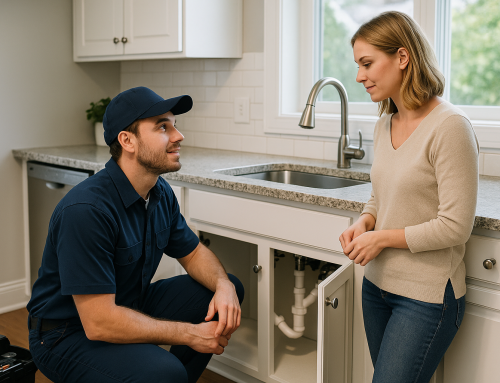
After your annual visit, you should receive a clear summary of findings and recommendations. If repairs are suggested, prioritize them based on severity—especially anything involving active leaks, safety concerns, or signs of major deterioration.
Ask about:
- Which issues require immediate action vs. monitoring
- Whether any parts should be replaced soon
- Maintenance steps you can handle between inspections
Conclusion
An annual plumbing inspection is one of the smartest ways to protect your home, prevent costly damage, and keep your water systems running efficiently. By catching small problems early—before they turn into emergencies—you gain peace of mind and long-term savings. Schedule your inspection, prepare your access areas, and act on recommendations to keep your plumbing in top shape year after year.