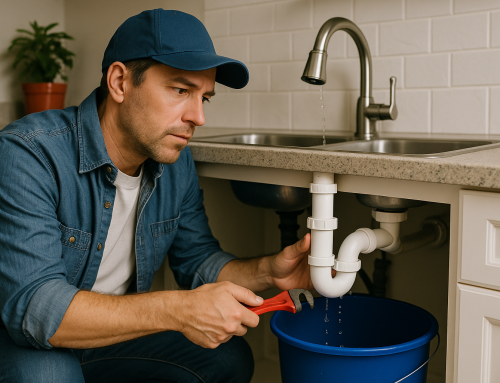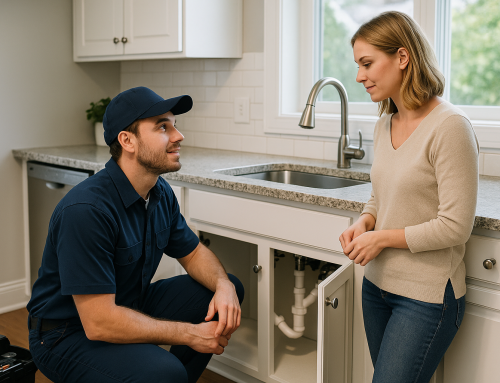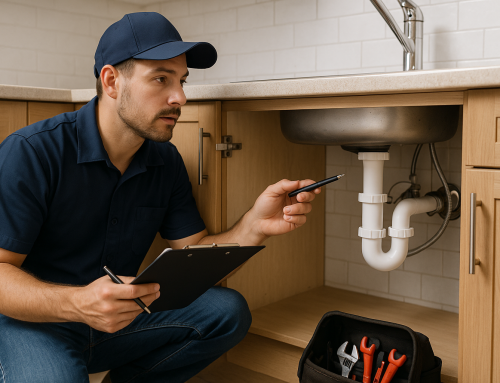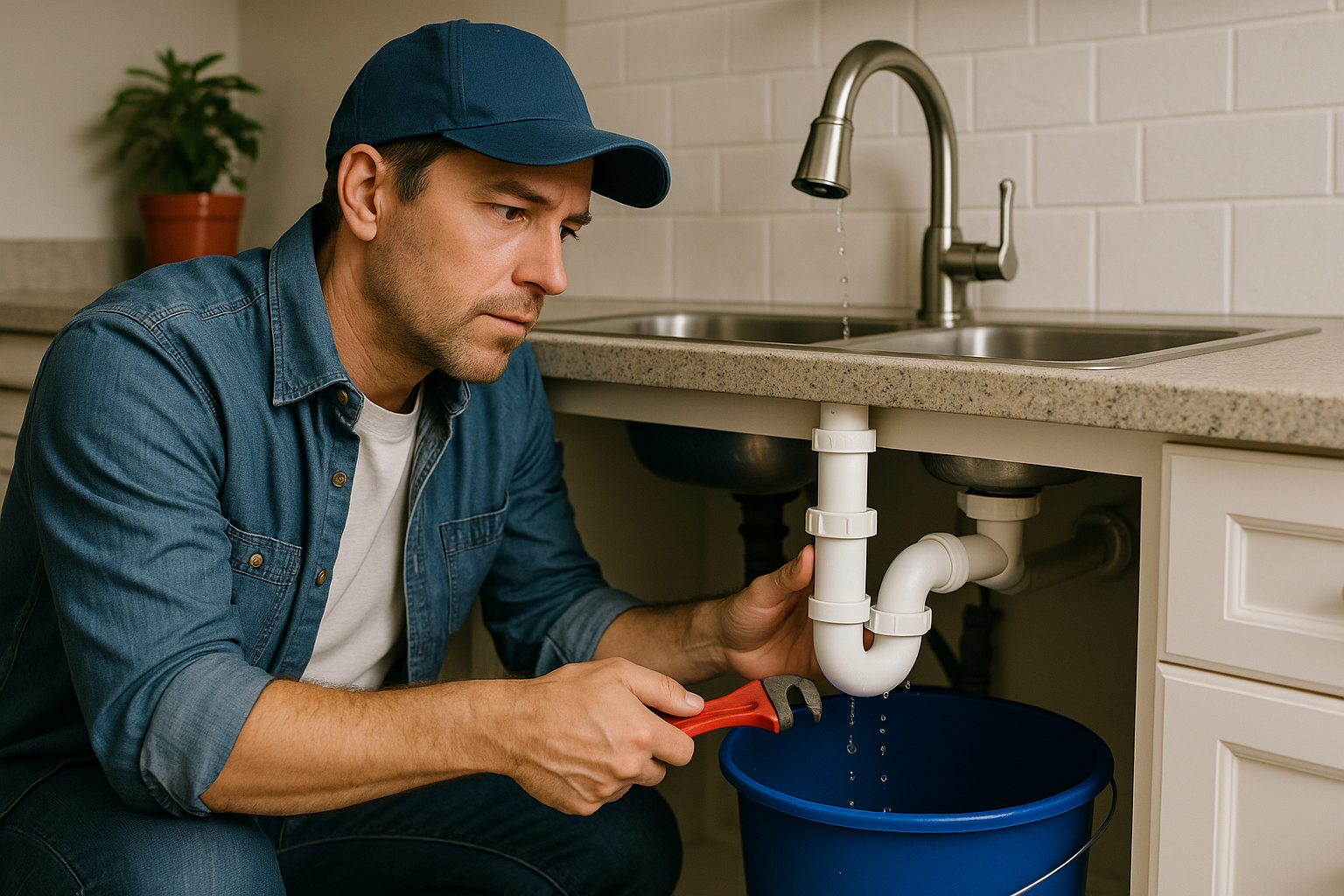
Plumbing problems rarely arrive at convenient times. Whether it’s a clogged drain, a leaking water heater, or a pipe that suddenly bursts, you need fast help—and you want it done correctly. That’s where a plumbing contractor comes in. The right professional can diagnose issues efficiently, repair them safely, and help prevent repeat problems.
What a Plumbing Contractor Does (and Why It Matters)
A plumbing contractor is a licensed professional who handles plumbing repairs, installations, and maintenance for residential or commercial properties. Unlike quick fixes, skilled plumbing work focuses on addressing the root cause and ensuring systems operate safely and efficiently.
Common plumbing services provided
- Drain cleaning and sewer line services (from minor clogs to more complex line issues)
- Pipe repair and replacement (leaks, corrosion, damaged sections)
- Water heater repair and installation (tank and tankless systems)
- Fixture installation (toilets, sinks, faucets, showers)
- Backflow prevention and related safety services
- Emergency plumbing for urgent leaks or backups
- Repiping and whole-system upgrades for aging plumbing
Benefits of hiring a contractor instead of DIY
DIY plumbing may seem cost-effective, but it often leads to incomplete repairs, water damage, or code violations. A contractor brings the right tools, training, and experience to deliver lasting results—plus the ability to troubleshoot efficiently, reducing downtime and minimizing disruption.
Key Qualities to Look for in a Plumbing Contractor
Not all plumbing contractors are equal. Before you book a service, evaluate these qualities to ensure you’re working with a dependable team.
Licensing, insurance, and certifications
Start by verifying that the contractor is licensed to perform plumbing work in your area and carries liability insurance (and workers’ compensation when applicable). For specialized jobs—like water heaters, gas-related work, or sewer line repairs—ask about relevant certifications or manufacturer training.
Experience with your specific plumbing problem
Ask whether they’ve handled the same issue you’re facing. For example, repairing a slow sink drain may differ from diagnosing a recurring sewer backup or addressing pressure problems throughout a home. Contractors with targeted experience can often identify the root cause faster.
Clear pricing and transparent estimates
A trustworthy plumbing contractor provides a clear estimate before work begins. Look for details on labor, parts, service fees, and any additional costs that may apply. Be cautious of companies that offer vague quotes or pressure you to approve work immediately without an explanation.
Communication and professionalism
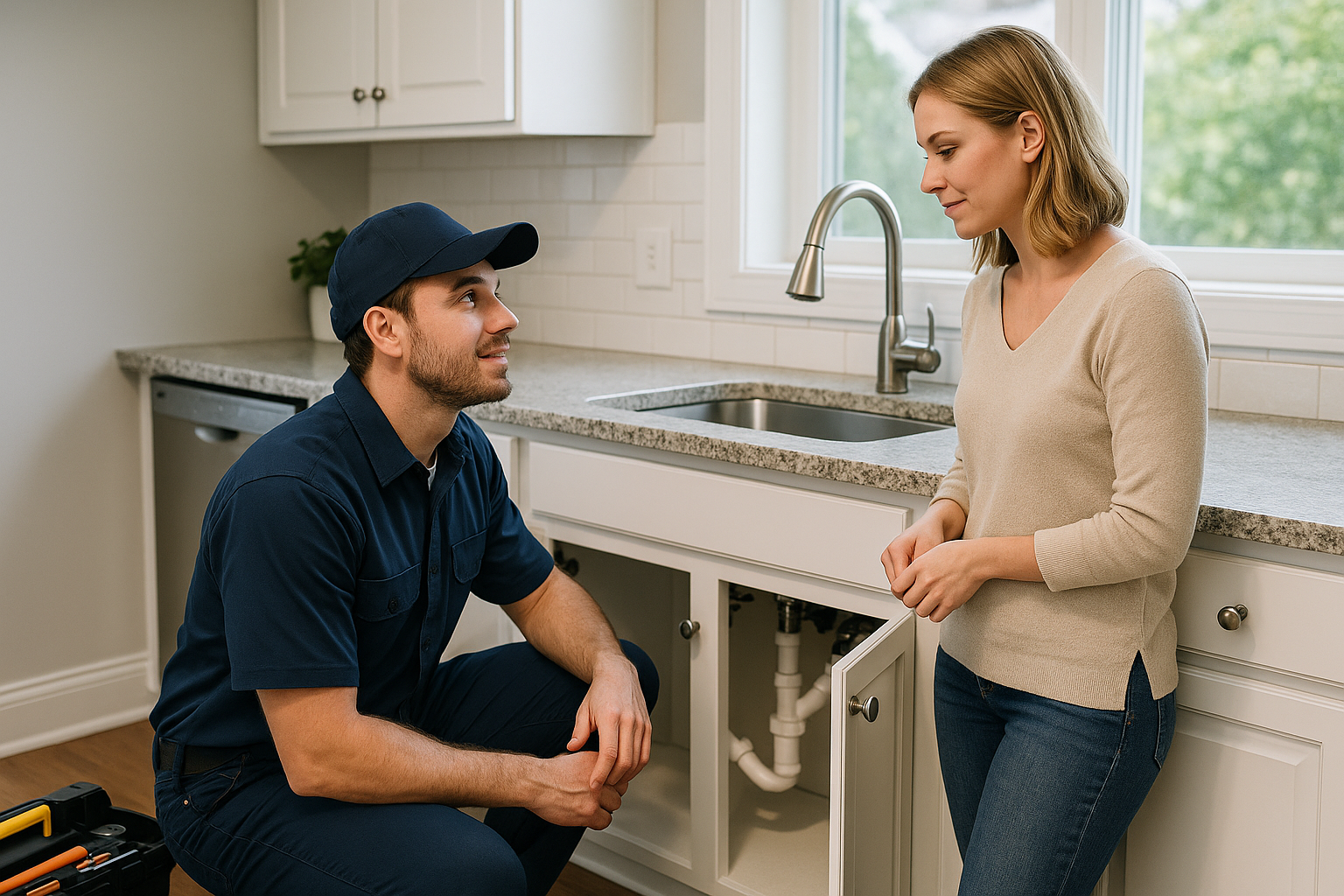
Strong plumbing contractors explain what’s happening, what they’ll do, and why. They should answer questions directly, provide a reasonable timeline, and keep you informed if conditions change during the repair.
How to Choose the Right Contractor for Your Project
With many options available, the selection process can feel overwhelming. A simple, structured approach helps you compare contractors confidently.
1) Get multiple quotes
Contact at least two or three plumbing contractors and request estimates. Comparing quotes helps you gauge fair pricing, but don’t choose solely based on the lowest number. Consider the scope of work, warranties, and how thoroughly each company assesses the situation.
2) Ask about warranties and guarantees
A quality contractor stands behind their workmanship. Ask whether repairs come with a warranty and how long it lasts. If they offer guarantees on specific parts or labor, that’s a strong sign of accountability.
3) Check reviews and references
Online reviews can reveal patterns in customer satisfaction—like punctuality, cleanliness, and follow-through. If possible, ask for references or examples of similar projects. Consistent positive feedback is a good indicator of reliability.
4) Confirm equipment and diagnostic methods
For tougher issues like recurring clogs, slow drains, or suspected sewer line problems, advanced diagnostics can make a big difference. Ask whether they use tools like camera inspections, hydro-jetting equipment, or pressure testing when appropriate.
5) Evaluate emergency readiness
Leaks, flooding, and backups can’t always wait for business hours. If you need emergency plumbing, ask about response times and what steps they take to protect your property while addressing the problem.
Questions to Ask Before Scheduling Plumbing Work
Asking the right questions helps you avoid surprises and ensures you understand the plan. Here are practical questions to bring up during your call or on-site visit.
- What caused the issue?
- What repairs do you recommend, and why?
- Will you show me what you find? (especially for leaks or sewer line problems)
- What is the estimated cost breakdown?
- How long will the repair take?
- Are permits required for this job? (depending on your location and project)
- Do you offer a warranty?
- Who will be doing the work? (and are they background-checked or trained?)
What to Expect During the Repair Process
A professional plumbing contractor follows a clear, methodical process. Understanding what happens can help you feel more confident and prepared.
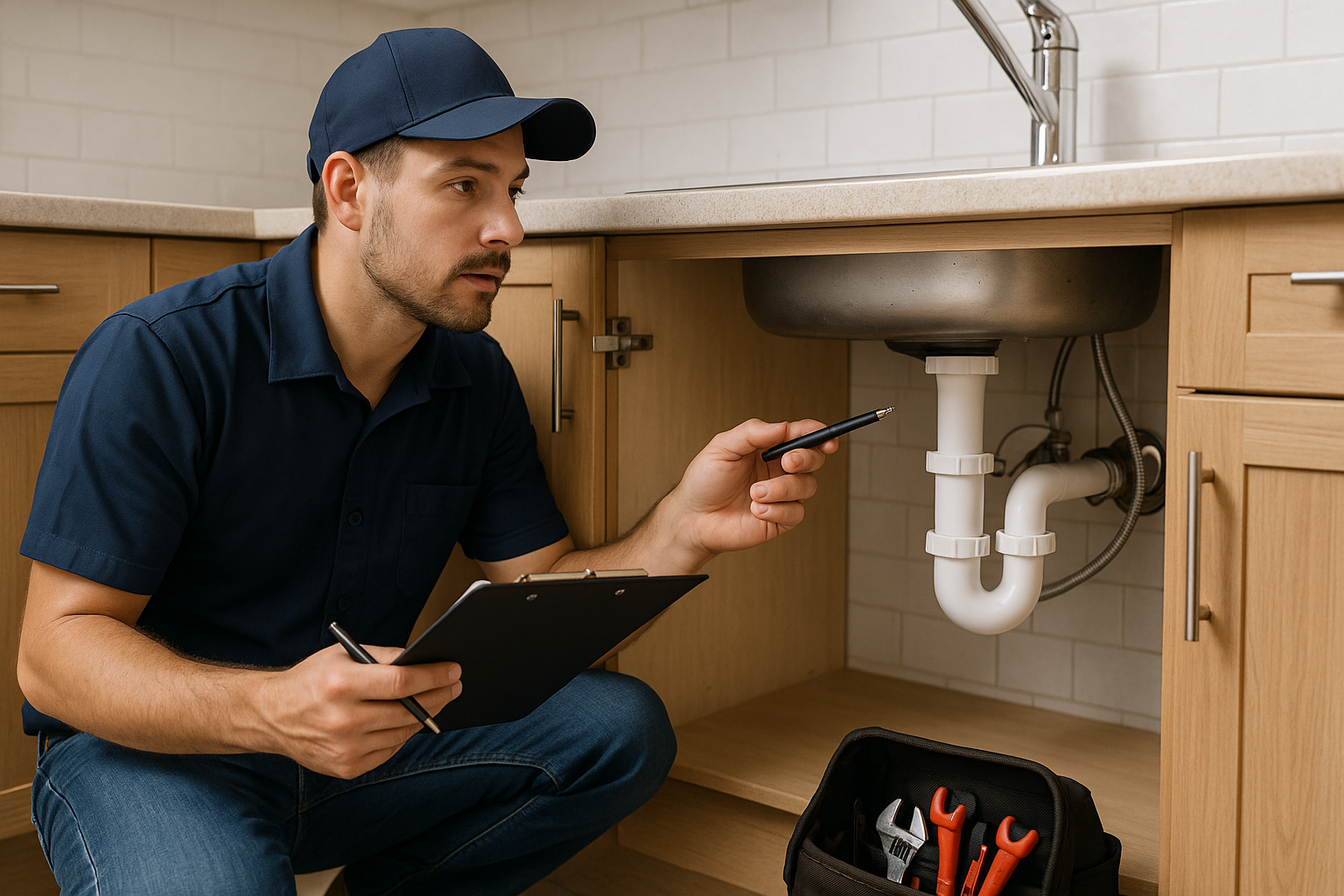
Step 1: Inspection and diagnosis
Most quality repairs begin with careful inspection. The contractor may check fixtures, test water pressure, examine exposed plumbing, or use diagnostic tools. For sewer or drain issues, a camera inspection can reveal the condition of interior lines.
Step 2: Recommendation and estimate
After diagnosing the problem, the contractor should explain the recommended solution, review options (including alternatives if available), and provide an estimate. At this stage, you should feel comfortable asking questions.
Step 3: Repair or installation
Professional plumbing work prioritizes safety and code compliance. The contractor uses appropriate materials, performs the repair thoroughly, and checks for leaks or proper function before finishing.
Step 4: Cleanup and final testing
Once the work is complete, you should receive confirmation that the system is operating correctly. A contractor should also clean up the work area and explain any maintenance tips to help prevent future problems.
Preventing Future Plumbing Problems
The best plumbing repairs are the ones you don’t need. While some issues are unavoidable, regular maintenance reduces the chance of emergencies and improves long-term system performance.
Simple maintenance tips homeowners can follow
- Watch for early warning signs like slow drains, strange noises, or recurring leaks.
- Avoid harsh disposal practices (grease, wipes, and non-flushable items can clog lines).
- Run water consistently to help prevent buildup, especially in less-used fixtures.
- Schedule routine inspections for older homes or high-usage households.
- Maintain water heater settings and monitor for corrosion or leaks.
When to Call a Plumbing Contractor Right Away
Some plumbing issues should be handled immediately to prevent damage and costly repairs. Contact a contractor urgently if you notice:
- Active leaks, water pooling, or damp walls/floors
- Backups in sinks, tubs, or toilets
- No hot water or signs of a failing water heater
- Low water pressure across multiple fixtures
- Foul odors or gurgling sounds from drains
Short Conclusion
Choosing the right plumbing contractor can save you time, money, and stress—especially when problems happen unexpectedly. Focus on licensing, experience, clear communication, and transparent estimates, and don’t hesitate to ask questions before work begins. With the right professional, you can enjoy reliable repairs and plumbing that lasts.