Emergency Plumber: What to Do, When to Call, and How to Stay Prepared
Plumbing problems have a way of showing up at the worst possible time. A burst pipe, overflowing toilet, or sudden water leak can quickly turn into a stressful and expensive emergency. When that happens, knowing when to call an emergency plumber can make all the difference. Fast action can help protect your home, limit damage, and get your plumbing system back under control.
This guide explains what counts as a plumbing emergency, what steps to take right away, and how an emergency plumber can help. It also shares tips for preventing future issues so you can feel more prepared when the unexpected happens.
What Is an Emergency Plumber?
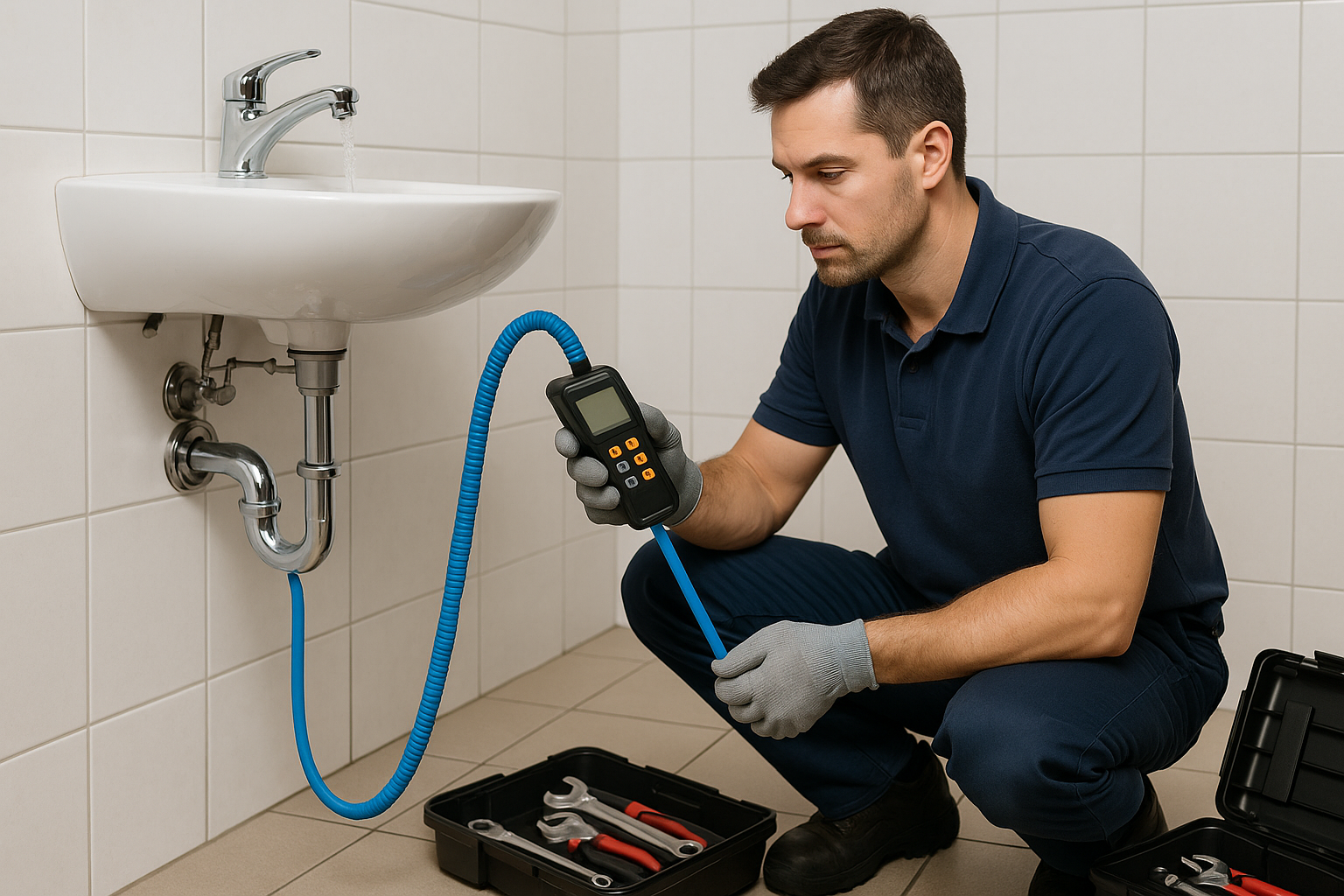
An emergency plumber is a licensed plumbing professional who responds to urgent problems that need immediate attention. Unlike routine plumbing appointments, emergency services are meant for situations that cannot safely wait until normal business hours. These issues often involve active water damage, health risks, or the loss of essential plumbing function.
Emergency plumbers typically work outside standard schedules, including nights, weekends, and holidays. Their job is to quickly identify the problem, stop further damage, and perform temporary or permanent repairs depending on the situation.
Common Plumbing Emergencies
Not every plumbing issue is an emergency, but some problems require immediate help. Here are some of the most common situations where calling an emergency plumber is the right move.
Burst or Leaking Pipes
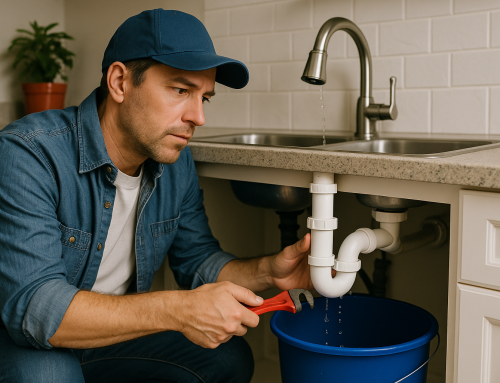
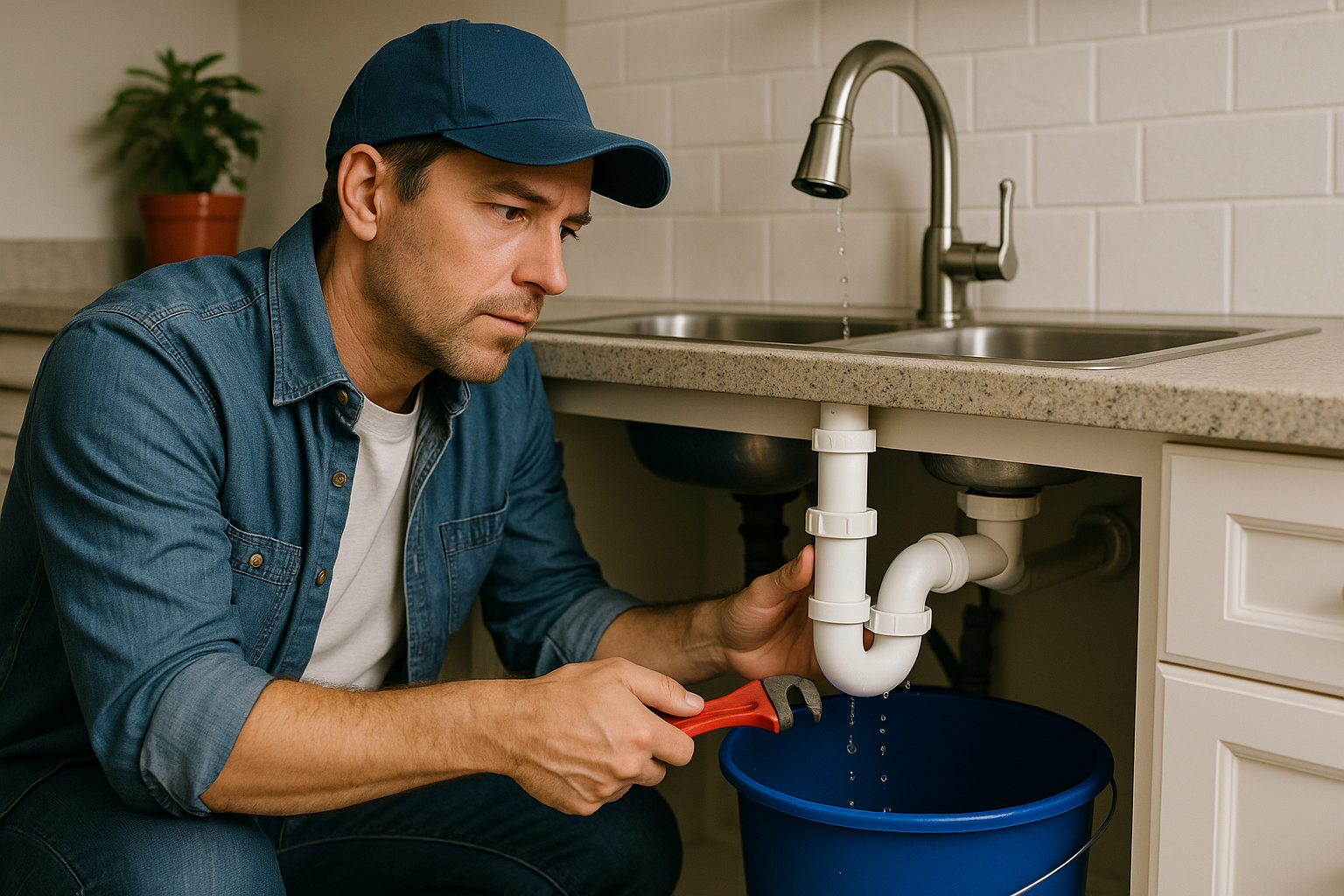
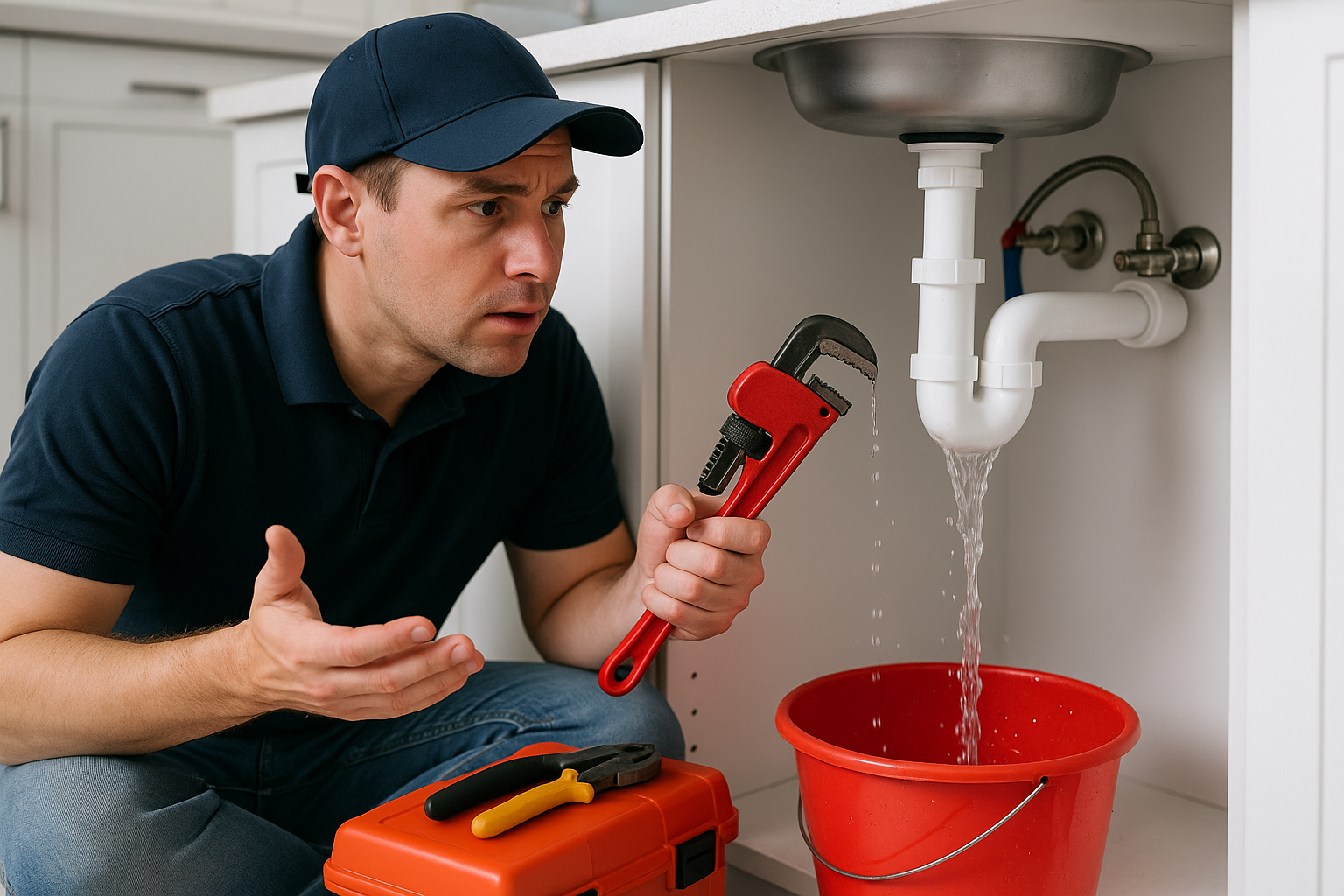
A burst pipe can release large amounts of water in a short time, causing serious damage to floors, walls, ceilings, and belongings. Even a smaller leak can become a major problem if left untreated. If you notice sudden water pooling, damp walls, or a drop in water pressure, it may be time to call for urgent service.
Overflowing Toilets
An overflowing toilet is both messy and unsanitary. If plunging does not solve the issue or the water keeps rising, there may be a blockage deeper in the drain line. An emergency plumber can clear the obstruction and help prevent contamination and water damage.
Sewer Backups
Sewer backups are among the most serious plumbing emergencies. They can create unpleasant odors, slow drains, and wastewater coming back up through sinks, tubs, or toilets. Because sewage can contain harmful bacteria, this is not a problem to delay.
No Water or Major Water Pressure Loss
If your home suddenly loses water or pressure drops dramatically, there may be a broken pipe, shutoff issue, or municipal supply problem. An emergency plumber can help determine the cause and restore service as quickly as possible.
Water Heater Failures
While not every water heater issue is urgent, a leaking tank, strange noises, no hot water, or visible corrosion can signal a serious failure. If you see water collecting around the unit, shut it off and call for help before the situation worsens.
What to Do Before the Plumber Arrives
Taking a few quick steps before the emergency plumber arrives can reduce damage and make the repair process easier.
- Shut off the water supply: If you can safely do so, turn off the main water valve to stop the flow.
- Turn off electricity if needed: If water is near outlets, appliances, or electrical panels, switch off power to the affected area if it is safe.
- Contain the water: Use towels, buckets, or mops to limit spreading.
- Move valuables: Relocate furniture, rugs, electronics, and other items away from the leak or flood.
- Take photos: Document the damage for insurance purposes.
- Avoid using plumbing fixtures: Stop running water until the problem is diagnosed.
These steps will not fix the issue, but they can help reduce repair costs and keep everyone safer while you wait.
How an Emergency Plumber Can Help
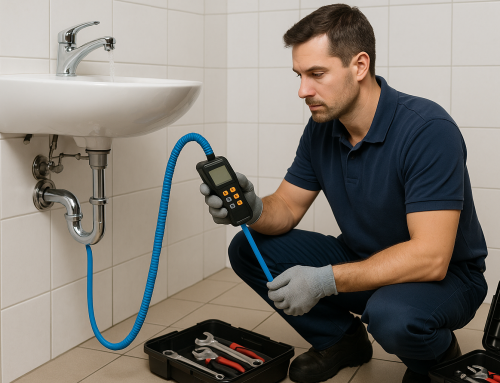
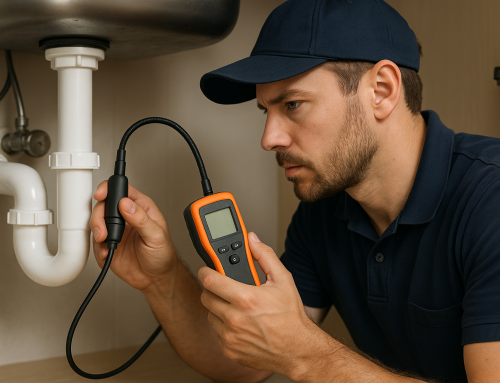
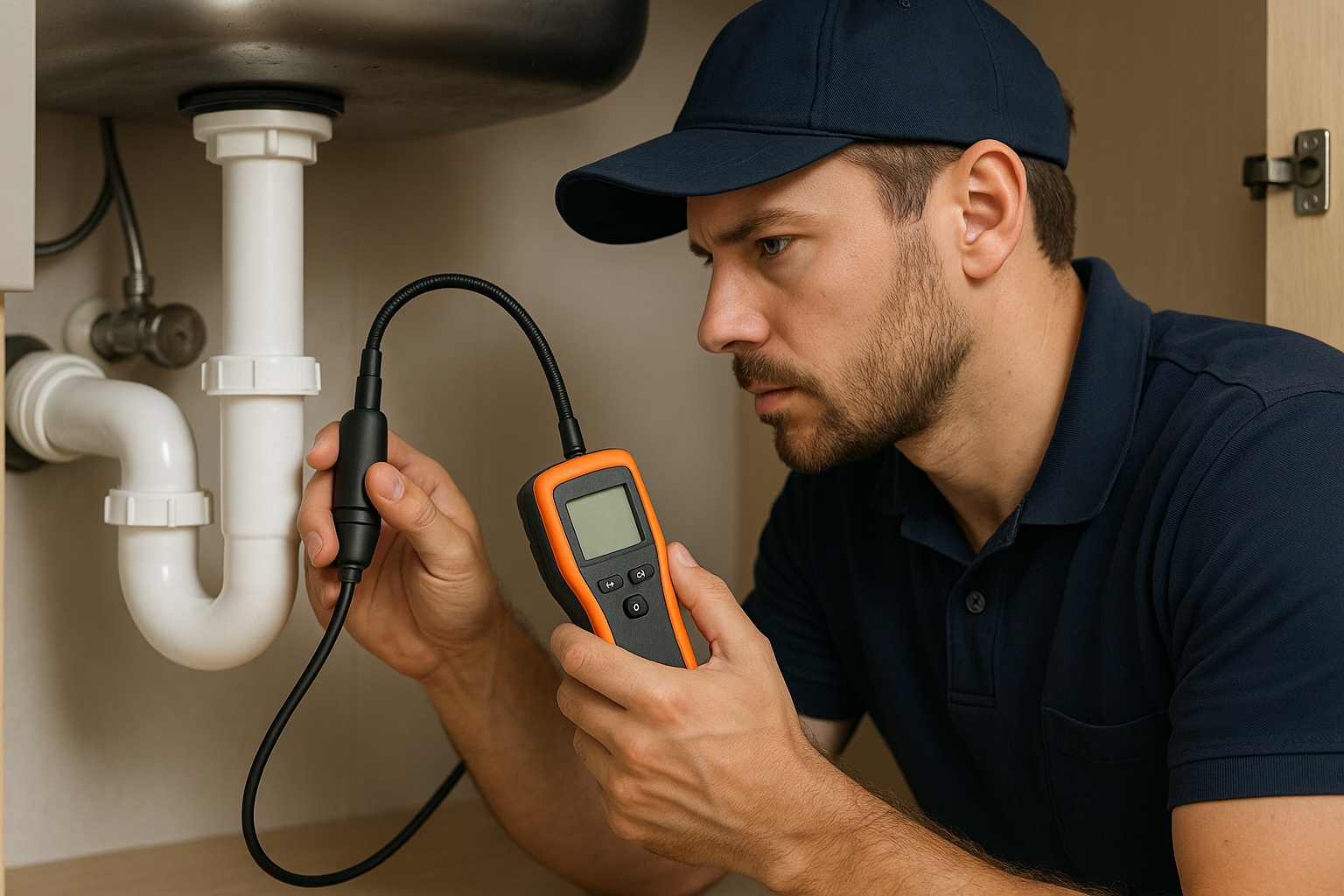
When an emergency plumber arrives, the first goal is to control the problem. They will inspect the affected area, identify the source of the issue, and stop further damage. Depending on the situation, they may repair broken pipes, clear a blockage, replace failing parts, or isolate the damaged section of plumbing.
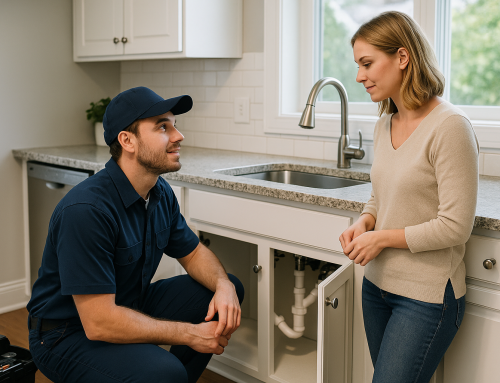
In some cases, a temporary repair is the fastest way to restore basic service. The plumber may then recommend a follow-up appointment for a more permanent fix. A skilled emergency plumber will also explain what caused the issue and suggest ways to lower the risk of it happening again.
How to Choose the Right Emergency Plumber
When time is tight, it can be tempting to call the first name you find. But choosing the right professional matters. Look for a plumber who is licensed, insured, and experienced with emergency repairs. Fast response time is important, but so is quality workmanship.
It is also helpful to choose a plumber with clear communication and upfront pricing. Ask whether they charge emergency fees, how soon they can arrive, and whether they handle the specific problem you are facing. Reading reviews and checking local reputation can also help you feel more confident in your choice.
Preventing Future Plumbing Emergencies
Not every emergency can be avoided, but regular maintenance can lower the chances of a major plumbing failure. Scheduling routine inspections helps catch small problems before they become expensive ones.
Here are a few ways to stay ahead of trouble:
- Have pipes checked for corrosion, leaks, and weak points.
- Flush water heaters and service them as recommended.
- Avoid flushing wipes, paper towels, and other clog-causing items.
- Insulate exposed pipes in cold weather.
- Know where your main water shutoff valve is located.
A little preparation can save you a great deal of stress later on.
Conclusion
Plumbing emergencies can happen without warning, but quick action can limit damage and help restore your home to normal faster. If you are dealing with a burst pipe, sewer backup, overflowing toilet, or another urgent issue, calling an emergency plumber right away is often the safest choice. With the right help and a few preventive habits, you can protect your property and handle unexpected plumbing problems with more confidence.