Plumbing Installation Services in Hiram, Georgia
When you’re planning new construction, updating an older home, or upgrading plumbing systems for comfort and efficiency, professional installation makes a meaningful difference. Correct pipe sizing, proper venting, secure connections, and code-aligned work help protect your home from leaks, pressure issues, and future service calls.
No Pressure Plumbing in Atlanta helps Hiram homeowners and property managers move from “idea” to “working system” with dependable, workmanship-focused plumbing installation. Whether you need help with water supply lines, drain and vent layouts, fixture hookups, or replacement piping, the goal is the same: install it right the first time so your plumbing performs reliably for years.
Choosing a local, experienced team also means you can get practical guidance for your specific property conditions. From understanding what your fixtures require to ensuring the right materials and fit for your setup, professional installation supports smooth operation and can help reduce complications down the line. If you’re considering plumbing installation work in Hiram, Georgia, No Pressure Plumbing is ready to help you plan the project, coordinate the work, and finish with confidence.
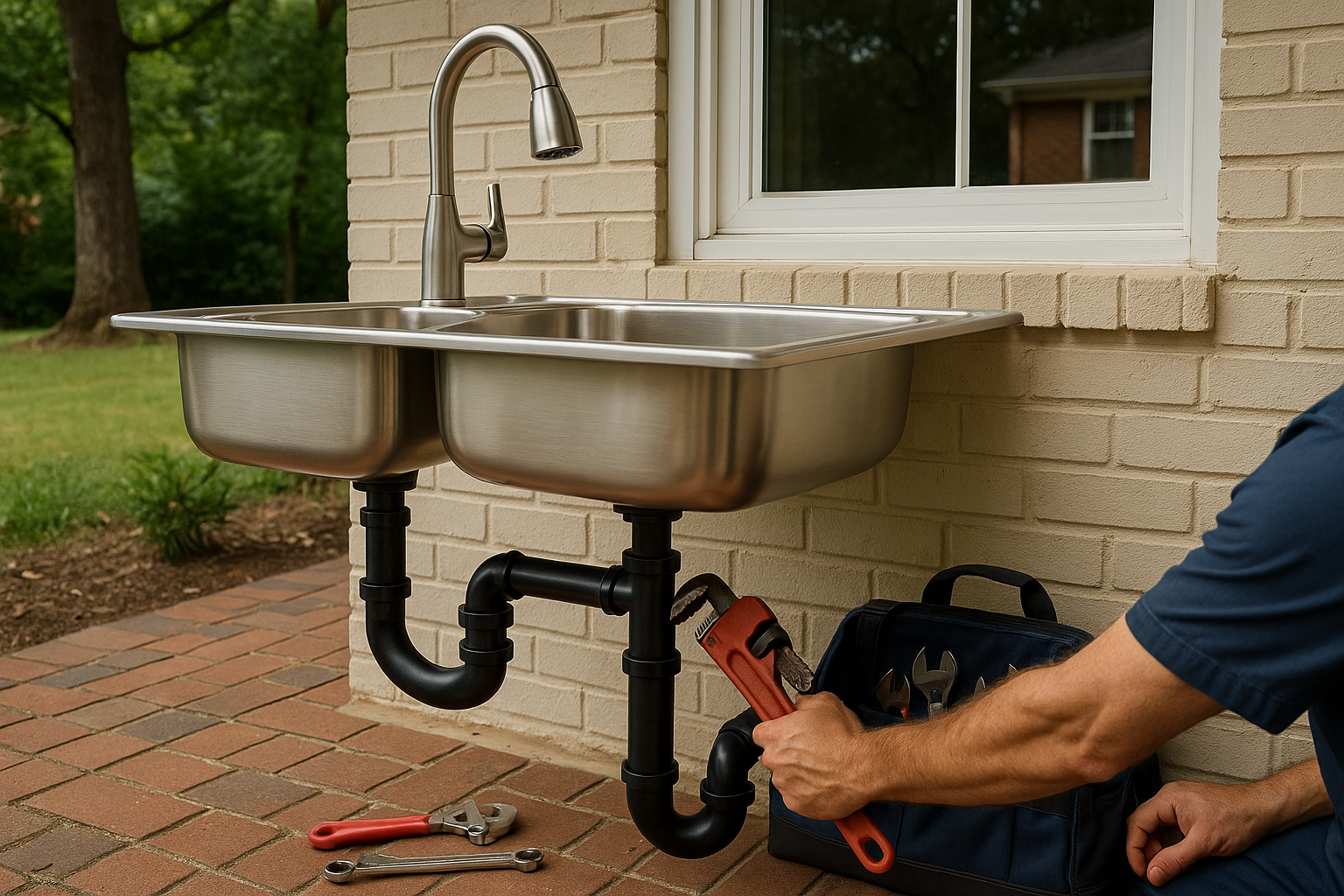
Reliable plumbing installation for Hiram homes and properties
Plumbing installation is more than connecting pipes—it’s about building a system that handles everyday water use, drains waste effectively, and stays sealed and stable over time. In Hiram, where many homes reflect a mix of older plumbing layouts and newer upgrades, residents often need installation help for remodels, replacements, and improvements to fixtures and supply lines.
No Pressure Plumbing in Atlanta supports plumbing installation projects with an emphasis on quality workmanship and clear communication. From the initial assessment to the final checks, the team helps homeowners understand the process and what’s needed to complete the job safely and correctly.
Common plumbing installation requests in Hiram
Many local projects start with a clear goal—better performance, fewer issues, or a fresh setup. Depending on the property and scope of work, plumbing installation may include:
-
Water supply line installation or replacement for new fixtures, remodels, or improved flow.
-
Drain and vent system installation designed to move wastewater properly and prevent common drainage problems.
-
Fixture and appliance hookups such as sinks, toilets, showers/tubs, dishwashers, and water-using appliances.
-
Backflow and related plumbing components when your installation needs appropriate protection and configuration.
-
Piping upgrades during renovations to match the needs of new layouts and modern plumbing requirements.
Benefits of professional plumbing installation
Professional installation helps protect your home and reduces the risk of problems that can appear after DIY or incomplete work. When plumbing is installed with correct materials, proper alignment, and careful sealing, you’re more likely to get dependable performance and fewer interruptions.
Key advantages include:
-
Better long-term reliability: Secure connections and appropriate venting support stable operation.
-
Reduced leak and drainage risk: Proper installation helps prevent slow leaks and recurring clogs.
-
Improved fixture performance: Correct supply sizing and hookup help faucets, showers, and toilets work the way they should.
-
Confidence during and after the project: A careful installation process and final verification help ensure the system is functioning as intended.
How to prepare for a plumbing installation project
If you’re planning installation work in Hiram, a few steps can help your project move forward smoothly:
-
Identify the scope: Be ready to explain what’s being installed or replaced and which fixtures or areas are involved.
-
Share any known issues: If there have been drainage problems, pressure changes, or recurring leaks, mention them during the planning stage.
-
Plan for access and timing: Installation may require access to walls, floors, or utility areas depending on your layout.
-
Confirm fixture requirements: Some fixtures have specific water supply and drainage needs that should be matched during installation.
During the process, No Pressure Plumbing in Atlanta can help you think through these details so your installation aligns with your goals and your home’s existing plumbing setup.
Why choose No Pressure Plumbing in Atlanta for local installation
Residents in Hiram want plumbing work that’s dependable, respectful of their home, and focused on lasting results. No Pressure Plumbing supports installation projects with a professional approach—helping you choose the right path forward, complete the work carefully, and verify performance after installation.
If you’re upgrading a bathroom, adding a new fixture, replacing aging piping, or building a new setup that needs the right plumbing foundation, professional installation is the smart first step.
Ready to get started? Reach out to No Pressure Plumbing in Atlanta to discuss your plumbing installation needs in Hiram, Georgia. The team can help assess your project and guide you toward a solution built for reliable everyday use.
About plumbing installation in Hiram, Georgia
Hiram, Georgia is a fast-growing community in the Atlanta metro area, known for its family neighborhoods, expanding retail corridors, and a steady mix of older homes and newer construction. That variety matters when you need plumbing installation services. Homes built at different times can have different pipe materials, venting layouts, water pressure needs, and fixture standards, so a reliable installation approach should account for what’s already in place and what code requirements apply in Hiram. Whether you’re updating aging plumbing, adding a new bathroom, or installing a water heater, proper planning and accurate workmanship help prevent common problems like inconsistent hot-water delivery, slow drains, and recurring leaks.
Local water use patterns also influence installation choices. Many Hiram households rely on efficient fixtures to manage water consumption, especially during hotter months when irrigation and higher indoor usage can impact demand. Professional plumbers can help you select compatible parts and install them correctly—ensuring correct sizing for supply lines, proper shutoff placement, and thorough leak testing after connections are made. For homes on municipal water and sewer systems, coordinated installation with existing lines can reduce disruptions and help maintain long-term reliability. For any project that includes upgrades to drainage or venting, attention to slope, alignment, and vent routing is essential to keep fixtures draining smoothly and to limit gurgling or sewer-odor issues.
Another key factor is the region’s weather and how it affects plumbing performance. Seasonal temperature changes can strain water lines, and ongoing household use can expose weak points in older installations. A quality plumbing installation service in Hiram should address not only the new work, but also the surrounding infrastructure—checking access points, ensuring insulation where needed, and confirming that pressure and flow are appropriate for today’s fixtures. When the goal is peace of mind, long-lasting results, and compliance with applicable standards, choosing an installer who understands local home styles and common plumbing configurations can make all the difference. If you’re planning a renovation or replacing major plumbing components, getting the installation done right the first time helps protect your property and keeps everyday routines running smoothly.
Frequently Asked Questions About Plumbing in Hiram, Georgia
What should I do if I have a leaking faucet or pipe in my home?
If you notice a leak, start by turning off the water supply to the affected area if you can do so safely. Place a bucket or towels to limit water damage and check whether the leak is at a fixture (faucet handles, spout, or supply lines) or deeper in the wall or under a sink. Avoid tightening parts repeatedly if the leak worsens. No Pressure Plumbing can diagnose the source and recommend the right repair—like replacing worn washers, O-rings, or damaged sections—before the problem spreads.
Can you help with clogged drains and slow drains without damaging my plumbing?
Yes. Slow drains often build up from hair, grease, soap, or mineral buildup, while deeper clogs may require different approaches than simple plunging. A plumber should first identify where the clog is—kitchen sink, bathroom sink, shower, or main line—so the method fits the issue. No Pressure Plumbing can safely clear clogs using appropriate tools and techniques while helping reduce the risk of pushing debris further into the line or damaging pipes.
What are common causes of water heater problems, and when should I call a plumber?
Water heater issues can include insufficient hot water, strange noises (like popping or rumbling), leaks around the unit, inconsistent temperatures, or recovery taking too long. Sediment buildup, faulty heating elements, worn valves, or a failing thermostat can cause these symptoms. If you see visible leaking, have recurring temperature swings, or notice the heater isn’t performing reliably, it’s best to get it checked promptly. No Pressure Plumbing can inspect the system, identify the cause, and handle repairs so you can restore dependable hot water.
How do you troubleshoot low water pressure and inconsistent flow?
Low water pressure can come from several places: a clogged aerator or showerhead, partially closed shutoff valves, buildup in supply lines, water pressure regulator issues, or a problem with the main supply. Inconsistent flow—pressure drops when a fixture runs—may indicate a specific line or a larger supply problem. No Pressure Plumbing can walk through the likely causes, test fixtures individually, and determine whether the issue is at a single fixture, a valve, or elsewhere in the plumbing system before recommending repair.
What’s the difference between drain cleaning and sewer line problems, and how can I tell?
Drain cleaning typically addresses clogs in sinks, tubs, or toilets connected to branch lines. Sewer line problems involve the main line that carries waste away from the home and may cause symptoms like multiple drains backing up, gurgling sounds, persistent odors, or recurring blockages soon after cleaning. If clogs keep returning, there may be a deeper obstruction or an issue further down the line. No Pressure Plumbing can evaluate the symptoms, determine whether it’s a localized drain clog or a main-line concern, and help you choose the safest next step.